
Navigating the legal landscape of driving under the influence (DWI) in Texas can be a complex undertaking, especially when considering the potential for severe penalties. While many associate DWI with misdemeanors, understanding when this offense escalates to a felony is crucial for both residents and visitors. This article delves into the intricacies of DWI laws in Texas, specifically focusing on the circumstances that elevate a DWI charge from a less serious offense to a felony, impacting travel plans, accommodation choices, and overall lifestyle in the Lone Star State.
Understanding the Basics of DWI in Texas
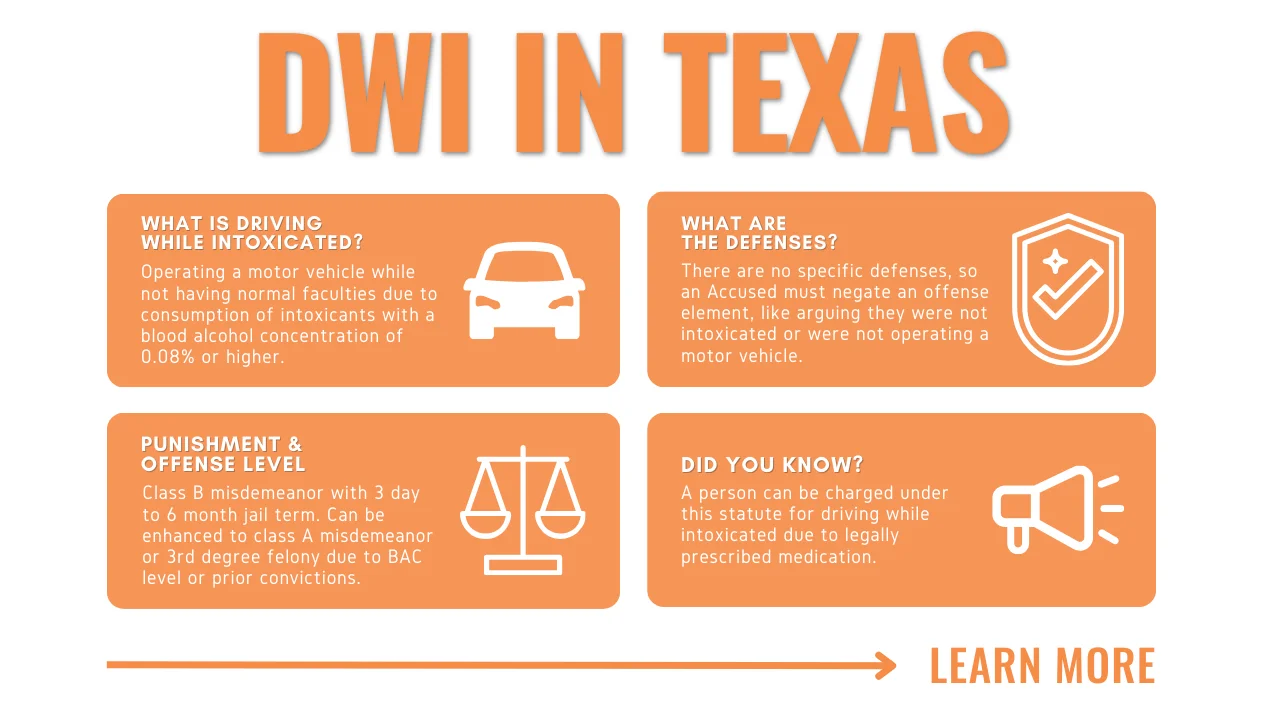
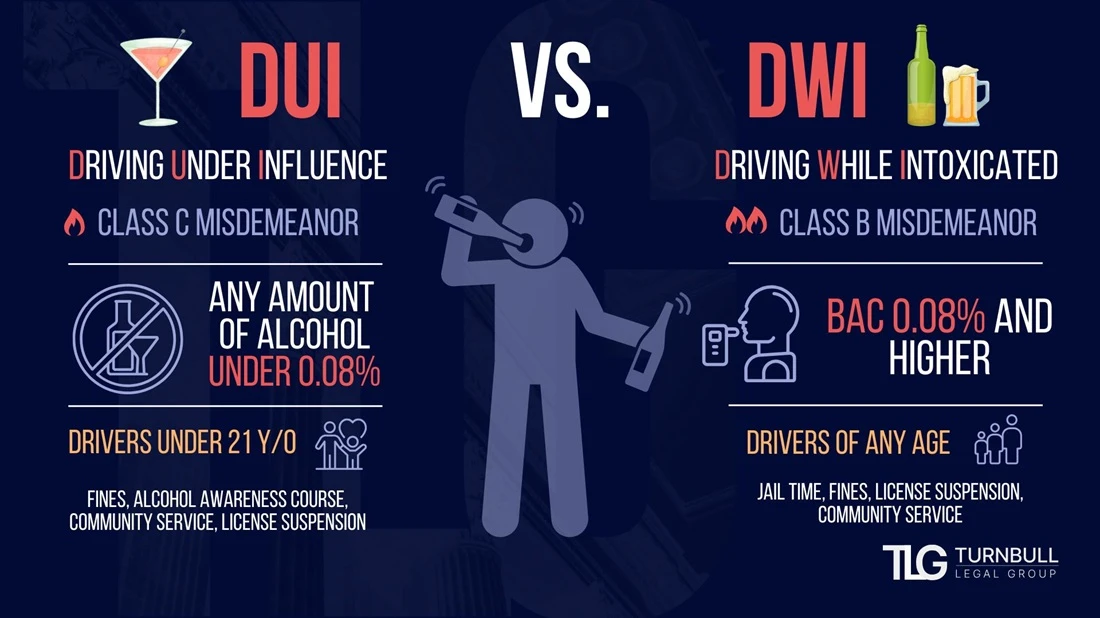
In Texas, Driving While Intoxicated (DWI) is defined as operating a motor vehicle in a public place while having an alcohol concentration of 0.08 or more, or while not having the normal use of your mental or physical faculties because of the introduction of alcohol, a controlled substance, or a drug into your body. While the standard DWI offense is typically classified as a Class B misdemeanor for a first offense, the severity of the charge can rapidly escalate based on several key factors.
Misdemeanor vs. Felony: The Thresholds
The distinction between a misdemeanor and a felony in Texas is significant. Misdemeanors carry penalties that can include jail time (up to one year in county jail), fines, and license suspension. Felonies, on the other hand, are more serious crimes with penalties that can include lengthy prison sentences (more than one year), substantial fines, and a permanent criminal record that can affect future employment, housing, and travel opportunities.
For DWI offenses, the threshold for a felony charge is not solely based on the blood alcohol content (BAC) of the driver at the time of the arrest, but rather on the circumstances surrounding the offense and the driver’s criminal history. This nuanced approach means that a single incident, under specific conditions, can result in felony charges.
Circumstances That Elevate DWI to a Felony
Several factors can transform a standard DWI charge into a felony in Texas. These circumstances are designed to address the increased risk and harm posed by drivers who repeatedly endanger others or who commit DWI under particularly dangerous conditions.
Prior DWI Convictions
The most common pathway to a felony DWI charge in Texas is through repeat offenses.
Second DWI Conviction
A second DWI conviction in Texas is typically classified as a Class A misdemeanor. This is a significant step up from a Class B misdemeanor, carrying increased jail time (up to one year in county jail), higher fines, and a longer period of license suspension. However, it is still a misdemeanor.
Third or Subsequent DWI Convictions
This is where DWI unequivocally becomes a felony. A third or any subsequent DWI conviction in Texas is classified as a third-degree felony. The penalties for a third-degree felony DWI are severe, including:
- Prison Time: A prison sentence ranging from two to ten years in a Texas state prison.
- Fines: Fines of up to $10,000.
- License Suspension: A lengthy period of driver’s license suspension, often for several years.
- Probation: If probation is granted, it will likely be extensive and include mandatory attendance at alcohol education programs and continuous monitoring.
The rationale behind this strict approach to repeat offenders is clear: individuals who continue to drive under the influence after being convicted of the offense demonstrate a persistent disregard for public safety. The state aims to incapacitate these individuals through imprisonment and deter future offenses.
DWI with a Child Passenger
Texas takes the protection of children very seriously. If a person commits a DWI and there is a child younger than 15 years old in the vehicle at the time of the offense, the charge automatically becomes a “state jail felony.”
State Jail Felony Penalties
A state jail felony DWI carries a potential prison sentence ranging from 180 days to two years in a state jail facility, and fines of up to $10,000. This charge is designed to send a strong message that endangering a child through impaired driving will not be tolerated. The presence of a minor in the vehicle significantly amplifies the perceived risk and the moral culpability of the offender.
Intoxication Assault
When a DWI offense results in serious bodily injury to another person, the charge escalates to Intoxication Assault, which is a third-degree felony. Serious bodily injury is defined as bodily injury that creates a substantial risk of death or causes serious permanent disfigurement or protracted loss or impairment of the function of any bodily member or organ.
Penalties for Intoxication Assault

The penalties for Intoxication Assault are severe:
- Prison Time: A prison sentence ranging from two to ten years in a Texas state prison.
- Fines: Fines of up to $10,000.
- License Revocation: Permanent revocation of the offender’s driver’s license may be ordered.
This felony charge underscores the devastating consequences that impaired driving can have on innocent victims. The focus shifts from simply the act of driving intoxicated to the direct harm caused to another individual.
Intoxication Manslaughter
The most severe consequence of DWI in Texas occurs when the impaired driving results in the death of another person. This offense is known as Intoxication Manslaughter and is classified as a second-degree felony.
Penalties for Intoxication Manslaughter
Intoxication Manslaughter carries penalties that can include:
- Prison Time: A prison sentence ranging from two to twenty years in a Texas state prison.
- Fines: Fines of up to $10,000.
- License Revocation: Permanent revocation of the offender’s driver’s license.
This is a tragic outcome, and the legal system in Texas aims to hold those responsible accountable for taking a life through their irresponsible actions. The gravity of a second-degree felony conviction cannot be overstated and can have lifelong ramifications.
Consequences Beyond Legal Penalties
The implications of a felony DWI conviction extend far beyond the courtroom, impacting various aspects of an individual’s life and potentially disrupting travel plans, accommodation arrangements, and overall lifestyle choices.
Travel Restrictions
A felony conviction, particularly for a DWI, can significantly impact one’s ability to travel, both domestically and internationally.
International Travel
Many countries, including Canada and the United Kingdom, have strict immigration policies that may deny entry to individuals with felony convictions, especially those related to alcohol or drug offenses. Travelers may be required to declare their conviction and may face inadmissibility, requiring special waivers or petitions to enter. This can put a damper on planned international vacations or business trips.
Domestic Travel
While domestic travel within the United States is generally less restrictive for U.S. citizens, a felony record can still present challenges. Some states may have specific laws regarding the admission of individuals with felony convictions, and certain modes of transportation, such as commercial flights, may require more stringent background checks, though this is less common for domestic travel than for international.
Impact on Employment and Housing
A felony DWI conviction creates a permanent criminal record that can hinder employment opportunities and make it difficult to secure suitable housing. Many employers conduct background checks, and a felony can be a disqualifying factor for numerous positions, particularly those involving trust, driving, or working with vulnerable populations. Similarly, landlords may be hesitant to rent to individuals with felony records due to concerns about reliability and potential risks. This can impact the long-term accommodation options available to individuals.
Social and Personal Ramifications
Beyond the legal and practical consequences, a felony DWI can carry a significant social stigma. It can affect personal relationships, self-esteem, and overall lifestyle. Rebuilding trust and reputation after such a conviction requires significant effort and time.
Seeking Legal Counsel in Texas
Given the severe implications of felony DWI charges in Texas, seeking experienced legal counsel is paramount. An attorney specializing in DWI defense can:
- Evaluate the Case: Thoroughly review the details of the arrest and the evidence presented.
- Identify Defenses: Explore all possible legal defenses, such as challenging the traffic stop, the accuracy of breathalyzer or blood tests, or the validity of field sobriety tests.
- Negotiate Plea Bargains: Advocate for reduced charges or sentences where appropriate.
- Represent in Court: Provide a strong defense in trial proceedings if a plea agreement cannot be reached.
- Advise on Consequences: Explain the full scope of potential penalties, including those impacting travel, employment, and accommodation.
For anyone facing a DWI charge in Texas, understanding the potential for felony escalation is the first step. Consulting with a qualified legal professional can provide clarity and a strategic path forward, helping to mitigate the severe consequences that can arise from impaired driving. The goal of these laws is to enhance public safety, and awareness of their severity is key to responsible lifestyle choices.
LifeOutOfTheBox is a participant in the Amazon Services LLC Associates Program, an affiliate advertising program designed to provide a means for sites to earn advertising fees by advertising and linking to Amazon.com. Amazon, the Amazon logo, AmazonSupply, and the AmazonSupply logo are trademarks of Amazon.com, Inc. or its affiliates. As an Amazon Associate we earn affiliate commissions from qualifying purchases.