
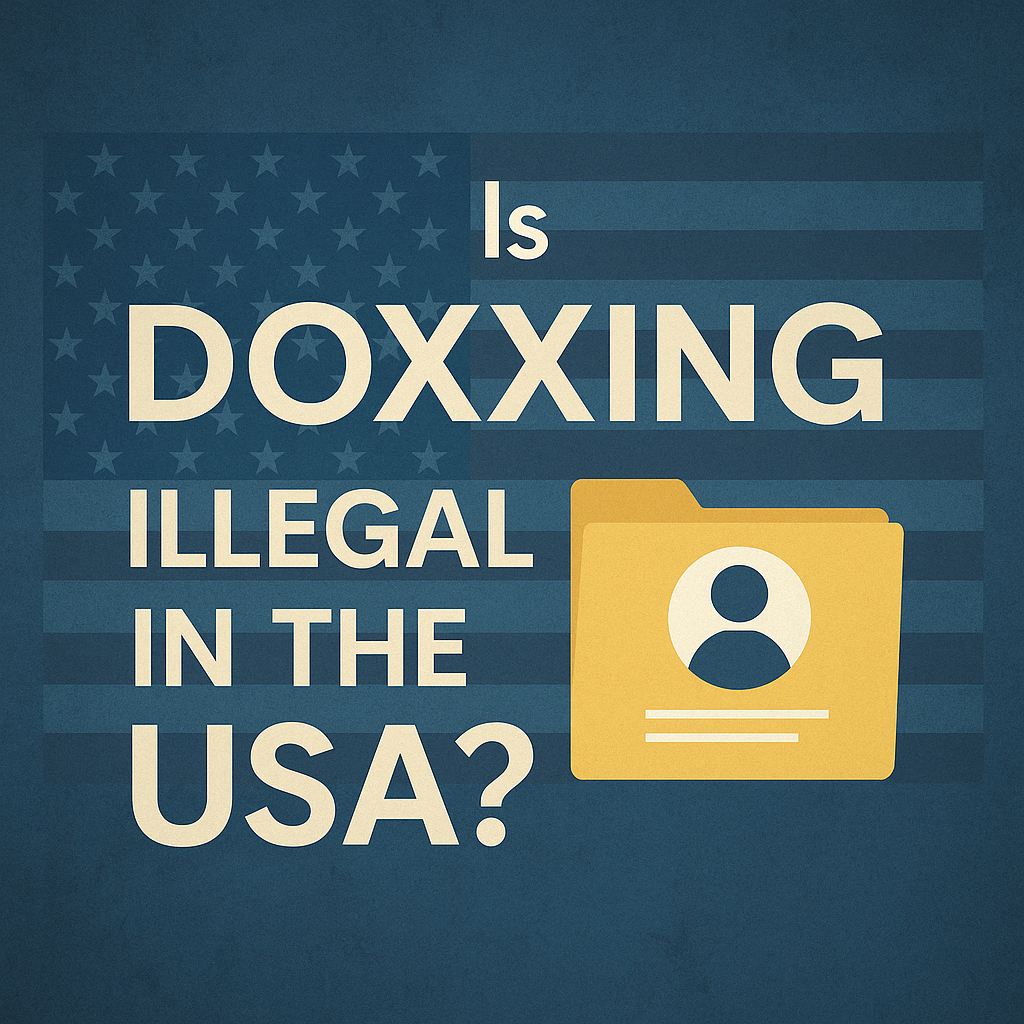
In an increasingly digital world, the lines between public and private have become notoriously blurred. For many, maintaining a sense of personal security and privacy is a cornerstone of a comfortable and responsible lifestyle. This is particularly true in tech-forward regions like California, where digital interactions are an inescapable part of daily life. Among the most insidious threats to digital privacy is doxxing—the act of publicly revealing private personal information about an individual or organization, usually with malicious intent. The question of its legality is not merely academic; it’s a vital aspect of digital literacy and personal safety, profoundly impacting one’s peace of mind and overall lifestyle in the Golden State.

Understanding the legal landscape surrounding doxxing in California is essential for anyone who values their privacy and seeks to navigate the online world responsibly. While there isn’t a single, explicit law in California that uses the term “doxxing,” various statutes can and often do apply to actions that fall under this umbrella. These laws address the underlying behaviors associated with doxxing, such as harassment, stalking, and the unauthorized disclosure of private information, especially when it leads to harm. This comprehensive guide delves into how California law treats doxxing, offering insights for those looking to protect their digital lifestyle and understand their rights.
Understanding Doxxing in the Digital Lifestyle Landscape
The internet has revolutionized our lives, offering unprecedented connectivity and convenience. However, this hyper-connected environment also presents unique challenges to personal privacy and safety. For many, a balanced digital lifestyle involves leveraging technology’s benefits while diligently safeguarding personal information. Doxxing represents a direct assault on this balance, transforming digital information into a weapon.
What Constitutes Doxxing?
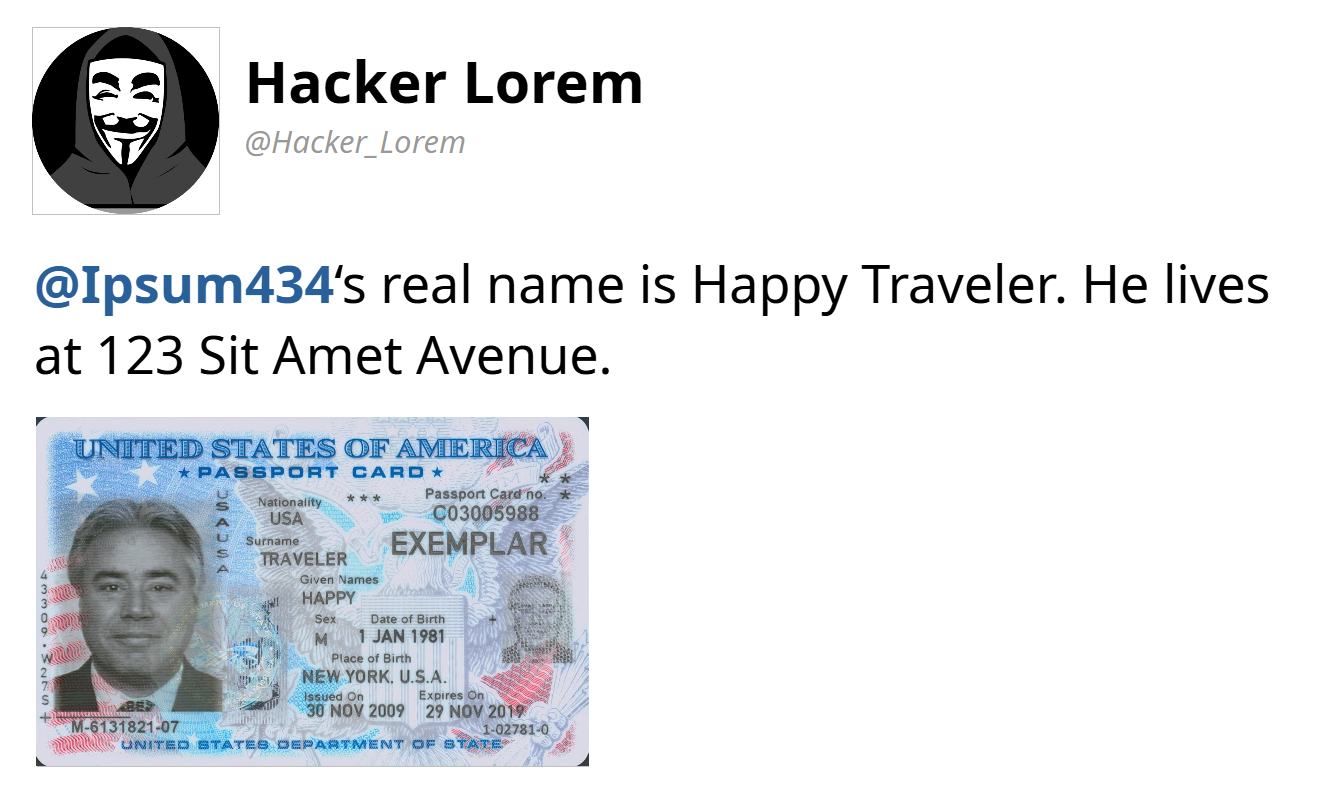
At its core, doxxing involves researching and broadcasting an individual’s personally identifiable information (PII) online without their consent. This can include, but is not limited to, home addresses, phone numbers, email addresses, employers, financial details, and even information about family members. The intent behind doxxing is almost invariably malicious: to harass, intimidate, expose, or incite others to cause harm to the target. It’s distinct from legitimate investigative journalism or public record searches because of this harmful intent and the potential for real-world consequences.
From a lifestyle perspective, the threat of doxxing necessitates a proactive approach to online presence management. Individuals often share aspects of their lives online—travel experiences, professional milestones, personal opinions—as part of their digital footprint. When this information, or even harder-to-find details, is weaponized, it fundamentally undermines the sense of security and freedom that people expect in their daily lives. The casual sharing of personal details, which might seem innocuous, can become dangerous when aggregated and maliciously disseminated. Understanding what constitutes doxxing is the first step in recognizing the threat and protecting one’s lifestyle from such digital attacks.
The Impact on Personal Security and Well-being
The consequences of being doxxed can be devastating, extending far beyond the digital realm into every facet of an individual’s life. The immediate impact often includes severe emotional distress, fear, anxiety, and a profound sense of vulnerability. Victims may experience cyberbullying, online harassment, and an influx of unwanted communications. However, the harm frequently escalates to real-world threats. Individuals have faced swatting incidents (falsely reporting a serious crime to trigger an armed police response at their home), physical harassment, job loss, damage to reputation, and even threats to their families.
For those living a modern lifestyle in California, where public life and digital presence often intersect, the threat of doxxing can severely curtail personal freedoms. It can force individuals to alter their daily routines, abandon online activities, or even move residences to escape the relentless pressure. The erosion of privacy and security directly impacts mental health, professional stability, and social interactions, making it difficult to maintain a normal, peaceful lifestyle. This profound personal and societal cost underscores why the legal framework surrounding doxxing is so critical, not just for legal experts, but for every citizen engaging with the digital world. The desire for a secure, unmolested lifestyle is a fundamental human need, and doxxing directly threatens it.
California’s Legal Framework: Protecting Your Digital Lifestyle
While California law doesn’t explicitly name “doxxing” as a crime, the state has robust statutes that can be invoked to prosecute individuals who engage in doxxing activities. These laws focus on the actions and harms caused by doxxing, providing victims with avenues for legal recourse and offering a layer of protection for their digital lifestyle.
Existing Laws and Their Application
Several California laws are relevant when addressing doxxing:
- Cyberstalking (Penal Code § 646.9(a)): This statute criminalizes anyone who repeatedly harasses or cyberstalks another person and makes a credible threat to that person’s safety or the safety of their family. Doxxing, when accompanied by a credible threat and repeated contact, can easily fall under this definition, especially if the disclosed information is used to facilitate the harassment. The “repeated” nature of doxxing, where information is continuously spread or used to facilitate ongoing harassment, is key here.
- Harassment (Code of Civil Procedure § 527.6): This section allows individuals to seek a restraining order against someone who has engaged in a pattern of harassment. Harassment is defined as a course of conduct that seriously alarms, annoys, or harasses a person, and that serves no legitimate purpose, leading to substantial emotional distress. When doxxing causes such distress and is part of an ongoing pattern, victims can obtain legal protection.
- Misuse of Computer Information (Penal Code § 502): While primarily focused on unauthorized access to computer systems, certain provisions could be stretched to cover situations where doxxing involves obtaining private information through illegal computer access.
- Intentional Infliction of Emotional Distress (IIED): This is a tort claim that allows victims to sue for damages when another party’s outrageous conduct intentionally or recklessly causes them severe emotional distress. Doxxing, given its often malicious intent and severe impact, can certainly meet the criteria for IIED.
- Privacy Laws: California has strong privacy protections. While the California Consumer Privacy Act (CCPA) primarily deals with how businesses handle consumer data, the underlying principles of privacy rights are deeply embedded in California’s legal system. Unlawful disclosure of private facts that are not of legitimate public concern can lead to civil actions.
- Threats and Intimidation (Penal Code § 422): If doxxing is accompanied by direct or indirect threats of violence or harm, these statutes can also apply.
- Impersonation (Penal Code § 529): If doxxers use the leaked information to impersonate the victim, this constitutes a separate criminal offense.
The application of these laws means that while “doxxing” isn’t a standalone charge, the acts it comprises are very much illegal under various existing statutes in California. The multi-faceted approach of California law aims to protect individuals from the severe psychological, emotional, and physical harms that doxxing can inflict, safeguarding their right to a peaceful digital lifestyle.
Key Elements for Illegality
For doxxing-related activities to be considered illegal under California law, several key elements typically need to be present:
- Intent: Crucially, there must be malicious intent. The person disclosing the information must intend to harass, intimidate, threaten, or cause harm to the victim. Simply sharing publicly available information, without malicious intent or resulting harm, usually does not meet the threshold for illegality, although it may still be ethically questionable.
- Disclosure of Private Information: The information disclosed must be genuinely private—not readily available in public records or through simple online searches. The more sensitive and private the information, the stronger the case.
- Lack of Consent: The information must be revealed without the victim’s consent.
- Harm or Threat of Harm: The doxxing must lead to, or credibly threaten, emotional distress, fear for safety, reputational damage, financial loss, or other tangible harm to the victim or their family. This is a critical component, as the law typically intervenes when actions cause demonstrable negative consequences.
- Credible Threat (for Cyberstalking): For cyberstalking charges, the threat must be credible, meaning the victim reasonably fears for their safety or the safety of their immediate family.
The interplay of these elements determines whether doxxing transcends a mere privacy invasion to become a criminal or civil offense in California. It underscores that while free speech is protected, it does not extend to actions that intentionally cause harm through the misuse of private information, thus reinforcing the state’s commitment to protecting the individual’s right to a secure digital lifestyle.
Navigating Online Spaces: A Prudent Lifestyle Choice
Given the legal landscape, adopting a proactive and prudent approach to online interactions is not just advisable; it’s a fundamental component of maintaining a secure digital lifestyle. Awareness and preventative measures are your first lines of defense against doxxing and other online threats.
Best Practices for Protecting Your Information
Integrating privacy-first habits into your daily digital routine is crucial. Here are some best practices that can significantly reduce your vulnerability to doxxing:
- Review Privacy Settings Regularly: On all social media platforms, email services, and apps, scrutinize your privacy settings. Limit who can see your posts, photos, and personal information. Remember, settings can change with platform updates, so regular checks are essential.
- Be Mindful of What You Share: Exercise caution when sharing personal details, even seemingly innocuous ones. Avoid posting your home address, phone number, specific travel plans, or sensitive financial information. Consider if a post truly needs to be public or if it can be limited to trusted contacts.
- Use Strong, Unique Passwords and Two-Factor Authentication (2FA): A robust password strategy and 2FA across all accounts make it significantly harder for unauthorized individuals to gain access to your private information.
- Be Wary of Phishing Attempts and Suspicious Links: Doxxers often gain information through social engineering. Be skeptical of unsolicited emails or messages asking for personal details or prompting you to click unfamiliar links.
- Limit Public Information on Professional Networking Sites: While professional sites like LinkedIn require some professional details, be judicious about sharing private contact information.
- Google Yourself Periodically: Conduct regular searches for your name, email addresses, and phone numbers to see what information is publicly available about you. If you find sensitive data on data broker sites, you can often request its removal.
- Educate Family Members: Ensure that family, especially children, understand the importance of online privacy and how to protect their personal information.
- Use a VPN: For an added layer of privacy, especially when using public Wi-Fi, consider using a Virtual Private Network (VPN) to encrypt your internet traffic.
By integrating these practices into your everyday digital habits, you are actively choosing a more secure lifestyle, one where your personal information is better protected from malicious disclosure.
What to Do If You Are Doxxed
Despite preventative measures, doxxing can still occur. If you find yourself a victim in California, immediate and decisive action is critical to mitigate harm and pursue legal recourse:
- Document Everything: Collect screenshots, URLs, and any other evidence of the doxxing, including dates, times, and platforms where the information was posted. This documentation will be crucial for any legal action.
- Report to Platform Administrators: Contact the website, social media platform, or hosting provider where your information was posted and request its immediate removal. Most platforms have clear policies against doxxing and harassment.
- Secure Your Accounts: Change all your passwords to strong, unique ones. Enable 2FA on all accounts. Review your privacy settings once more to ensure maximum security.
- Notify Law Enforcement: If you feel your physical safety or the safety of your family is at risk, or if the doxxing is accompanied by credible threats, contact local law enforcement in California. Provide them with all the documentation you’ve collected.
- Seek Legal Counsel: Consult with an attorney specializing in internet law, privacy, or cybercrime in California. They can advise you on the best course of action, whether it’s pursuing a civil lawsuit for damages (e.g., intentional infliction of emotional distress) or assisting with restraining orders.
- Inform Your Employer and Financial Institutions: If your workplace or financial information has been compromised, notify relevant parties to prevent professional or financial harm.
- Practice Self-Care: Being doxxed is a traumatic experience. Seek support from friends, family, or mental health professionals to cope with the emotional toll.
Taking these steps promptly can significantly reduce the impact of doxxing and help you regain control over your personal security and digital lifestyle. California’s legal system, while complex, offers avenues for protection and justice for victims of these harmful acts.
The Evolving Legal Landscape and Future Lifestyle Implications
The rapid pace of technological change often outstrips the speed of legislative processes. As digital threats like doxxing evolve, so too must the legal frameworks designed to combat them. For those committed to a safe and secure lifestyle, staying abreast of these developments is key.
Recent Legislative Efforts
While California currently addresses doxxing through existing statutes, there’s ongoing discussion and legislative interest in creating more explicit laws or strengthening current ones to directly tackle online harassment and privacy invasions. Lawmakers are continually exploring ways to protect citizens in the digital age, often reacting to high-profile incidents of doxxing and their severe consequences. These efforts often focus on defining what constitutes a “credible threat” more broadly, improving reporting mechanisms, and increasing penalties for malicious online behavior.
The dynamic nature of technology means that legal debates surrounding online privacy, freedom of speech, and harassment are constant. These discussions are critical as they shape the future of digital rights and responsibilities, directly influencing the level of security individuals can expect in their online lifestyle. As public awareness of doxxing grows, so does the pressure on legislators to provide clearer and more robust protections.
Staying Informed as Part of a Responsible Digital Lifestyle
For residents and visitors of California, cultivating a responsible digital lifestyle involves more than just adhering to best practices; it also means staying informed about the evolving legal landscape. This includes understanding new legislation, being aware of court decisions that interpret existing laws, and participating in public discourse around digital ethics and privacy.
A proactive approach to digital safety, coupled with an understanding of one’s legal rights and recourse, empowers individuals to navigate the complexities of the online world with greater confidence. Ultimately, while doxxing may not have a single, direct prohibition in California law, the state’s comprehensive legal framework provides significant protections against the malicious acts that constitute it. By being informed and vigilant, individuals can better protect their privacy, maintain their peace of mind, and uphold a secure and fulfilling lifestyle in the digital age.
LifeOutOfTheBox is a participant in the Amazon Services LLC Associates Program, an affiliate advertising program designed to provide a means for sites to earn advertising fees by advertising and linking to Amazon.com. Amazon, the Amazon logo, AmazonSupply, and the AmazonSupply logo are trademarks of Amazon.com, Inc. or its affiliates. As an Amazon Associate we earn affiliate commissions from qualifying purchases.