
Venturing through the sun-kissed landscapes and vibrant cities of California offers an unparalleled experience, from the iconic beaches of Los Angeles to the majestic Golden Gate Bridge in San Francisco. For many travelers, exploring local culture extends to sampling regional delicacies and beverages. However, when it comes to certain spirits, particularly high-proof alcohols like Everclear, the legal landscape can be surprisingly nuanced. Tourists planning to enjoy the Golden State’s diverse offerings often wonder about the availability and legality of specific products they might be accustomed to elsewhere. Understanding California’s unique alcohol regulations is not just a matter of compliance but also an integral part of experiencing the state’s distinct local culture responsibly. This guide aims to demystify the legality of Everclear in California, providing essential insights for visitors and shedding light on the broader context of alcohol sales and consumption within this dynamic state.

Understanding Alcohol Regulations for Visitors to California
For any visitor, navigating the local laws and customs of a new destination is crucial for a smooth and enjoyable trip. In California, alcohol regulations are comprehensive, designed to ensure public safety and responsible consumption. These laws govern everything from purchasing age and hours of sale to the types and potency of alcoholic beverages permitted within the state’s borders. Tourists, while eager to soak in the local atmosphere, should be aware that what is legal and available in their home state or country may not be the same here. The state’s Department of Alcoholic Beverage Control (ABC) oversees these regulations, which can differ significantly from those in other parts of the United States.
The Landscape of Alcohol Laws in the Golden State
California’s alcohol laws are a complex tapestry woven from state legislation and local ordinances. While the minimum drinking age is 21 across the entire United States, California has specific rules regarding the sale and consumption of alcohol in various settings. For instance, alcohol sales are generally permitted from 6:00 AM to 2:00 AM daily, though local jurisdictions in cities like San Diego or Sacramento might have slightly different stipulations for certain establishments. Restaurants and bars require specific licenses, and public consumption of alcohol is generally prohibited, with a few exceptions for designated areas or events.
Beyond these general rules, California also has strict regulations concerning the alcoholic content of beverages. This is where spirits like Everclear often encounter restrictions. The state aims to balance consumer choice with public health concerns, leading to policies that limit the availability of extremely high-proof alcohol. For a tourist, this means that while you might find a wide array of exquisite wines from Napa Valley or craft beers from local breweries, certain potent spirits might be absent from store shelves. Understanding these underlying principles helps visitors appreciate the rationale behind specific prohibitions and adapt their beverage choices accordingly, enriching their experience of California‘s distinct local culture.
Why Specific Spirits Face Scrutiny
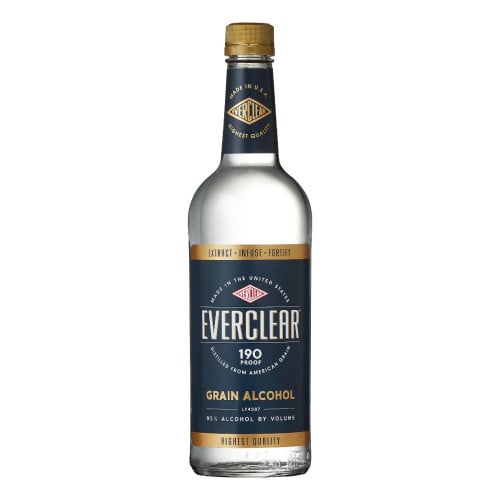
The primary reason certain spirits, particularly grain alcohol with very high proof levels, face scrutiny and often outright prohibition in California is public health and safety. High-proof alcohol, such as 190-proof Everclear (95% alcohol by volume, or ABV), poses significant risks if consumed irresponsibly. Its high potency means that even small quantities can lead to severe intoxication, alcohol poisoning, and other health emergencies. States like California have taken proactive measures to limit its availability, aiming to reduce these potential harms.
The concerns extend beyond immediate health risks. Extremely high-proof alcohol can be deceptively strong, making it easy for individuals, particularly inexperienced drinkers, to misjudge their intake. It’s often used in mixed drinks where its potency can be masked by other flavors, leading to rapid and dangerous levels of intoxication. Furthermore, there have been concerns about its use in making homemade tinctures or other preparations, which can have unpredictable and harmful outcomes. Therefore, the prohibition of such spirits is a policy decision rooted in public welfare, reflecting a broader governmental responsibility to protect its citizens and visitors from potentially dangerous products. For tourists, this signals a local cultural expectation around responsible drinking and an emphasis on safer consumption practices.
The Specifics of Everclear in California
The name Everclear often conjures images of powerful, clear grain alcohol, synonymous with potent mixed drinks and a certain level of notoriety. For those accustomed to its presence in liquor stores in other regions, its status in California can be a point of confusion. The state has indeed placed specific restrictions on this particular spirit, making it a unique case study in alcohol regulation for tourists to consider.
What is Everclear, and Its Potency?
Everclear is a brand of rectified spirit, meaning it has been distilled to a very high purity. It is produced by Luxco and is available in various proofs, most commonly 190 proof (95% alcohol by volume) and 151 proof (75.5% alcohol by volume). The 190-proof version is one of the strongest alcoholic beverages available in the United States, renowned for its extreme potency and lack of distinct flavor, which makes it a popular choice for infusing flavors or creating potent cocktails.
Its high alcohol content is precisely why it garners such attention and regulation. To put it in perspective, standard vodkas typically range from 80 to 100 proof (40-50% ABV). The 190-proof Everclear is nearly twice as strong as standard vodka, making it incredibly efficient at delivering alcohol. This potency, while desirable for some applications, is also its greatest regulatory challenge, particularly in states like California that prioritize harm reduction. The sheer concentration of alcohol means it has a lower freezing point, making it difficult to store in conventional freezers, and it is highly flammable, adding another layer of safety concerns.
The Legality Status: A Clear Answer for Travelers
The direct answer for travelers is unequivocal: the 190-proof (95% ABV) version of Everclear is illegal to sell or purchase in California. California is one of several states in the United States that have enacted laws prohibiting the sale of highly concentrated alcoholic beverages. Specifically, California law prohibits the sale of grain alcohol that is 100% pure alcohol by volume (200 proof) or any alcoholic beverage containing more than 60% alcohol by volume (120 proof) except for brandy, rum, or liqueurs. However, the more stringent rule effectively prohibits any beverage above 151 proof (75.5% ABV) unless it falls under specific exemptions, which Everclear does not.

This means that visitors to California will not find 190-proof Everclear on the shelves of liquor stores, supermarkets, or bars. While the 151-proof (75.5% ABV) version of Everclear could theoretically be legal under some interpretations depending on the specific product classification (as it falls just below the 120-proof general limit but above 60%), practically speaking, most retailers in California do not stock Everclear above 151 proof, and even the 151 proof is rarely seen due to the prevailing regulatory environment and market preferences. The focus of the prohibition is clearly on the extremely high-proof varieties that have raised public health concerns. Therefore, if you’re looking for Everclear, particularly the most potent version, you will be disappointed in California. This restriction serves as a vital piece of “know before you go” information for tourists whose travel plans might involve particular beverage choices.
Implications for Tourists and Local Consumption
The prohibition of high-proof Everclear in California has direct implications for tourists and also reflects broader aspects of local consumption culture. While some may view it as an inconvenience, it also steers visitors towards exploring California’s diverse and rich beverage landscape, which thrives on quality and craft rather than raw potency.
Where to Find High-Proof Alternatives (or Not)
For tourists specifically seeking high-proof spirits, the options in California are limited by the aforementioned regulations. While you won’t find 190-proof Everclear, the state does allow other spirits with significant alcohol content. Certain types of rum, brandy, and liqueurs can exceed the 120-proof mark, though they typically do not reach the extreme levels of 190-proof grain alcohol. For example, some overproof rums or specific types of absinthe might be available, offering a higher ABV than standard spirits, but these are often intended for specific cocktail preparations and are not comparable to the pure ethanol of Everclear.
It’s important to recognize that the absence of ultra-high-proof spirits like 190-proof Everclear is not an oversight but a deliberate policy. Instead of focusing on extreme potency, California’s beverage scene encourages appreciation for flavor, craftsmanship, and responsible enjoyment. Tourists looking for a robust alcoholic experience are better served by exploring the state’s acclaimed wine regions like Sonoma Valley, its burgeoning craft beer scene, or the sophisticated cocktail bars in cities like San Francisco and Los Angeles that prioritize quality ingredients and expert mixology. This shift in focus offers a richer, more nuanced drinking experience than simply seeking the highest proof.
Responsible Consumption and Local Expectations
The regulations around high-proof alcohol in California underscore a strong local expectation for responsible alcohol consumption. For tourists, this means being mindful of your intake and respecting the legal age and public consumption laws. Bars and restaurants in California are diligent about checking IDs and will refuse service to visibly intoxicated individuals, a practice that aligns with the state’s focus on public safety.
Beyond legal compliance, responsible consumption also means engaging with the local culture respectfully. While enjoying a glass of fine wine in Santa Barbara or a craft beer at a brewery in Oakland, remember that the emphasis is on the experience, the flavors, and the social interaction, rather than rapid intoxication. California’s culinary and beverage scene is a major draw for tourism, offering everything from farm-to-table dining to innovative mixology. By embracing this approach, tourists can fully appreciate the depth and diversity of the state’s offerings, making their visit both memorable and safe. This cultural nuance is a critical “tip” for any visitor looking to truly immerse themselves in the California experience.
Navigating California’s Unique Beverage Culture
While the absence of 190-proof Everclear might surprise some, it opens the door to discovering the true essence of California’s innovative and diverse beverage culture. The state is not just a global leader in wine production but also a significant force in craft beer, spirits, and non-alcoholic innovations. For the discerning traveler, this presents a wealth of opportunities to explore unique tastes and experiences that perfectly complement the vibrant local scene.
Beyond High-Proof: Exploring California’s Craft Scene
California’s beverage industry is a testament to its pioneering spirit. The state boasts over 4,000 wineries, with regions like Napa Valley, Sonoma Valley, and the Central Coast drawing millions of visitors annually. Wine tours, tastings, and vineyard experiences are quintessential California tourism activities, offering insights into viticulture and the art of winemaking. Similarly, the craft beer scene is exploding, with countless microbreweries and brewpubs across cities like San Diego, Sacramento, and Los Angeles, each offering unique, locally inspired brews.
Beyond wine and beer, California is also home to a growing number of artisanal distilleries producing high-quality whiskeys, gins, vodkas, and other spirits. While these are subject to the state’s proof regulations, they prioritize flavor profiles and innovative production methods over sheer alcoholic strength. Many of these distilleries offer tours and tasting rooms, providing an engaging way for tourists to learn about local spirit production and sample products that embody the state’s creative ethos. These experiences offer a far more nuanced and culturally rich engagement with alcohol than simply consuming high-proof grain alcohol.
Tips for a Seamless Culinary and Beverage Experience
To ensure a seamless and enjoyable culinary and beverage experience in California, here are a few tips for tourists:
- Embrace Local Specialties: Instead of seeking out specific prohibited products, dive into California’s world-renowned wines, innovative craft beers, and artisanal spirits. Ask locals for recommendations – they often know the hidden gems.
- Understand ID Requirements: Always carry valid identification (passport for international visitors) proving you are 21 or older when purchasing or consuming alcohol. Strict age verification is standard practice.
- Public Consumption Laws: Remember that drinking alcohol in public places, such as beaches, parks, or on the streets, is generally prohibited unless explicitly permitted for a special event or in a designated area.
- Responsible Drinking: Pace yourself, stay hydrated, and never drink and drive. California has very strict DUI laws, and ride-sharing services are readily available in most urban areas.
- Explore Non-Alcoholic Options: California’s culinary scene also excels in non-alcoholic beverages, from fresh juices and artisanal sodas to sophisticated mocktails, offering delightful alternatives for those who prefer not to drink alcohol.
By understanding and respecting California’s alcohol regulations, particularly regarding products like Everclear, tourists can navigate the state’s vibrant beverage scene safely and enjoyably. This approach allows visitors to truly immerse themselves in the local culture, savoring the unique flavors and experiences that make California an extraordinary travel destination.
LifeOutOfTheBox is a participant in the Amazon Services LLC Associates Program, an affiliate advertising program designed to provide a means for sites to earn advertising fees by advertising and linking to Amazon.com. Amazon, the Amazon logo, AmazonSupply, and the AmazonSupply logo are trademarks of Amazon.com, Inc. or its affiliates. As an Amazon Associate we earn affiliate commissions from qualifying purchases.