
The sight of rolling hills bathed in a vibrant sea of orange is an iconic image of spring in California. The California poppy (Eschscholzia californica), with its delicate yet resilient petals, has captured the hearts of locals and visitors alike, symbolizing the Golden State’s unique natural beauty. Every year, especially during “superbloom” events following abundant winter rains, millions flock to witness this breathtaking spectacle. However, with the surge in popularity comes a critical question for many eager tourists and nature enthusiasts: “Is it illegal to pick a California poppy?” The answer, while nuanced in its legal specifics, leans heavily towards a resounding “yes, it is generally illegal and always strongly discouraged.” Understanding the reasons behind this stance is crucial for any responsible traveler wishing to experience California’s natural wonders respectfully and sustainably. This guide delves into the legal framework, ecological implications, and best practices for appreciating the state flower, ensuring your visit contributes to its preservation rather than its detriment.
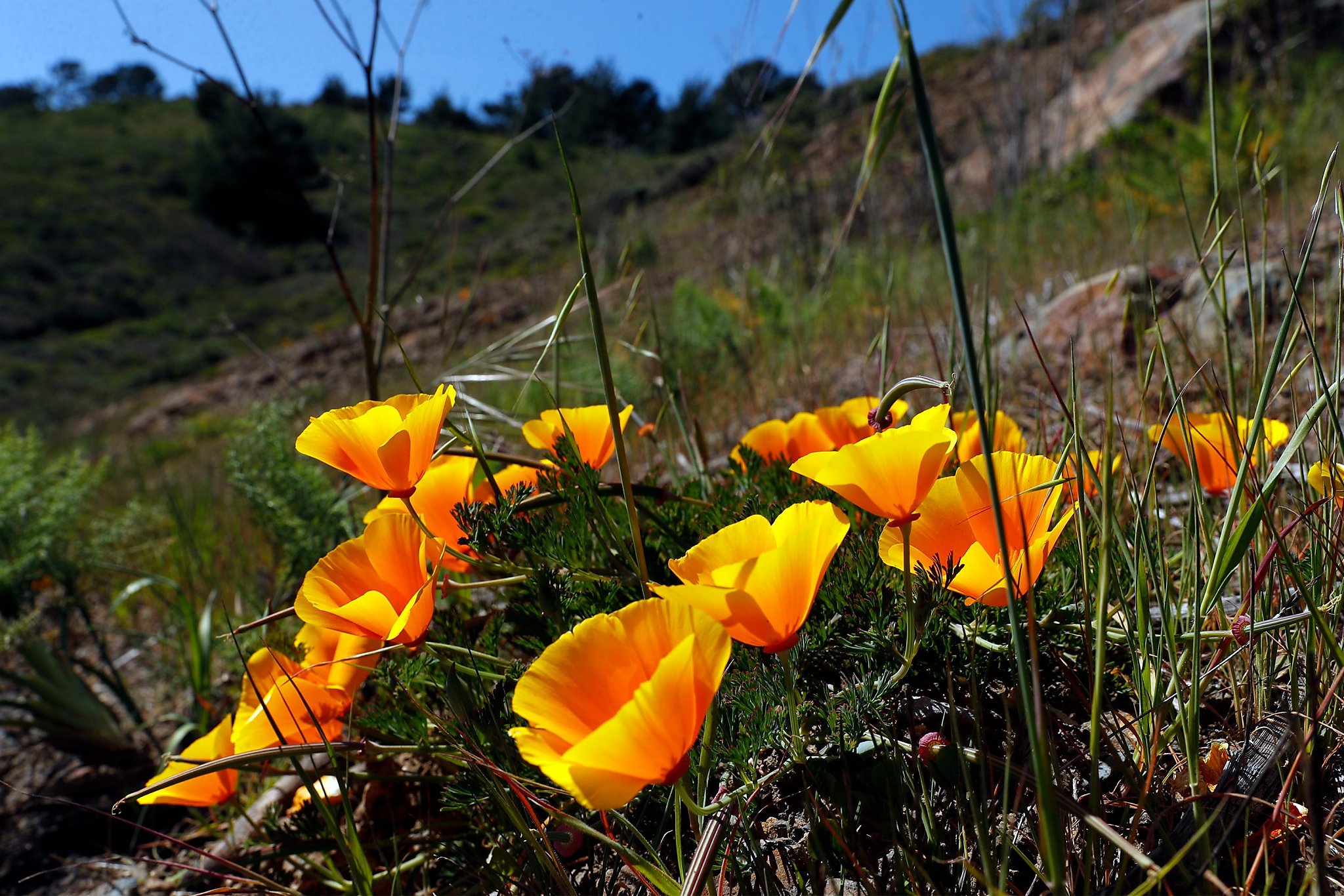
The California Poppy: A State Symbol and Natural Treasure
The California poppy is far more than just a pretty flower; it is deeply woven into the identity and ecology of the state. Its designation as the official state flower in 1903 cemented its status as a beloved symbol of California’s golden landscapes and pioneering spirit. Its scientific name, Eschscholzia californica, honors the German botanist Johann Friedrich von Eschscholtz, who first described the species during an expedition in the early 19th century. This simple, cup-shaped flower embodies resilience, thriving in various environments, from coastal cliffs to desert edges, and adding a splash of radiant color wherever it takes root.
What Makes the California Poppy So Special?
Beyond its striking appearance, the California poppy holds significant ecological value. It is a vital part of many native ecosystems, providing essential nectar and pollen for a wide array of pollinators, including bees, butterflies, and other beneficial insects. Its seeds are also a food source for birds and small mammals. The poppy’s deep taproot system allows it to withstand arid conditions and contributes to soil stability, preventing erosion in vulnerable areas. Historically, indigenous peoples utilized the poppy for medicinal purposes, including pain relief and as a sedative, further highlighting its cultural and practical significance long before European settlement. The flower’s ability to carpet vast landscapes in brilliant orange creates ephemeral natural art installations that draw thousands, becoming a testament to nature’s cyclical beauty and the power of a healthy ecosystem. Its delicate petals open with the sun’s warmth and close as evening approaches or on cloudy days, a fascinating natural rhythm that adds to its allure and reminds observers of the subtle intricacies of the natural world.
Where Do California Poppies Bloom?
While California poppies can be found throughout most of the state, certain regions are particularly famous for their spectacular displays, especially during “superbloom” years. The most renowned location is the Antelope Valley California Poppy Reserve in Lancaster, Southern California. This state natural reserve is specifically dedicated to preserving and showcasing the poppy fields, offering miles of trails through protected landscapes. Other prominent areas include parts of the San Joaquin Valley, the Mojave Desert (including areas near Death Valley National Park and Anza-Borrego Desert State Park), and various hillsides across Northern California and the central coast. The timing of the blooms varies by elevation and latitude but generally occurs from late February through May, peaking in April. These locations become major tourist attractions, drawing crowds eager to witness the golden spectacle. The popularity, however, underscores the need for respectful interaction with these fragile environments.
The Law and the Poppy: Understanding the Regulations
When it comes to picking California poppies, the legal landscape is more complex than a simple yes or no, but the overarching principle is clear: do not pick them. While there isn’t a single, explicit statewide law that broadly prohibits picking any wildflower on all private and public lands, specific regulations and ordinances make it illegal in virtually all places where poppies grow in abundance and are publicly accessible. The legal framework is designed to protect both the natural environment and property rights.
State Law vs. Local Ordinances
The commonly cited notion that “it’s illegal to pick the California poppy” stems from a combination of state and local laws.
State Law: California Penal Code 384a addresses the unlawful cutting or removal of flora. This statute broadly prohibits cutting, destroying, or removing “any tree, shrub, fern, herb, cactus, flower, or other flora” from any public land or private land without the written permission of the landowner. Since the California poppy is a “flower” and an “herb,” this code applies. Its interpretation can vary, but it’s generally understood to cover wildflowers in protected areas or on public property.
Local Ordinances and Park Rules: Perhaps even more impactful are the specific rules and regulations implemented by state parks, county parks, and natural reserves. Places like the Antelope Valley California Poppy Reserve have very strict “leave no trace” policies that explicitly prohibit picking, trampling, or disturbing any plants or natural features. Violation of these rules often carries specific penalties outlined by the managing agency. Many cities and counties also have ordinances protecting natural vegetation on public lands within their jurisdiction. Even on private land, picking flowers without permission constitutes trespassing and destruction of property.
The Rationale Behind the Prohibition
The reasons for discouraging and often prohibiting the picking of California poppies go far beyond simply preserving aesthetics.
Conservation: Poppies, like many wildflowers, are crucial for the local ecosystem. Picking them reduces the number of seeds that can be dispersed, impacting future generations of plants. It also removes a vital food source for pollinators and wildlife, disrupting the delicate balance of the natural environment. During superblooms, when millions of poppies burst forth, the temptation to pick a bouquet is high, but if every visitor were to do so, the cumulative damage would be catastrophic, severely diminishing the spectacle for future years.
Property Rights and Public Safety: In areas designated for public viewing, such as state parks or reserves, regulations are in place to manage large crowds and ensure public safety. Uncontrolled picking could lead to people wandering off marked trails, damaging sensitive habitats, and potentially putting themselves in danger. Furthermore, allowing picking would essentially permit the destruction of public property and natural resources that are meant for everyone to enjoy.
Visitor Experience: The collective beauty of a poppy field lies in its vastness and continuity. When individual flowers are picked, it creates visible gaps and detracts from the immersive experience for others. The goal is to preserve the natural landscape as it is, allowing all visitors to appreciate its untouched splendor.
Penalties for Picking Poppies
The penalties for picking California poppies can vary depending on where the offense occurs and the discretion of law enforcement.
Fines: Violating California Penal Code 384a can result in fines, which can range from hundreds to thousands of dollars, depending on the severity of the damage and whether it’s a first offense. Local park rangers and law enforcement officers in protected areas have the authority to issue citations.
Misdemeanor Charges: In more egregious cases, or if significant damage is caused, the act could be prosecuted as a misdemeanor, potentially leading to higher fines, community service, or even jail time, though this is rare for a single flower.
Reputational Damage: Beyond legal repercussions, picking poppies can draw public criticism and contribute to a negative reputation for tourism in affected areas. Images of people trampling flowers or posing inappropriately in poppy fields often go viral, leading to widespread condemnation and potentially stricter regulations in the future. The message from park authorities and environmentalists is consistent: respect the rules to protect these fragile treasures.
Ecological Impact: Why “Leave No Trace” Matters
The sheer beauty of a California poppy superbloom is a powerful draw, but it also presents a significant challenge to conservation efforts. The influx of visitors, if not managed responsibly, can inadvertently cause irreparable harm to these delicate ecosystems. The “Leave No Trace” principles are paramount here, guiding visitors to minimize their impact and preserve the natural environment for future generations.
The Delicate Ecosystem of Superblooms
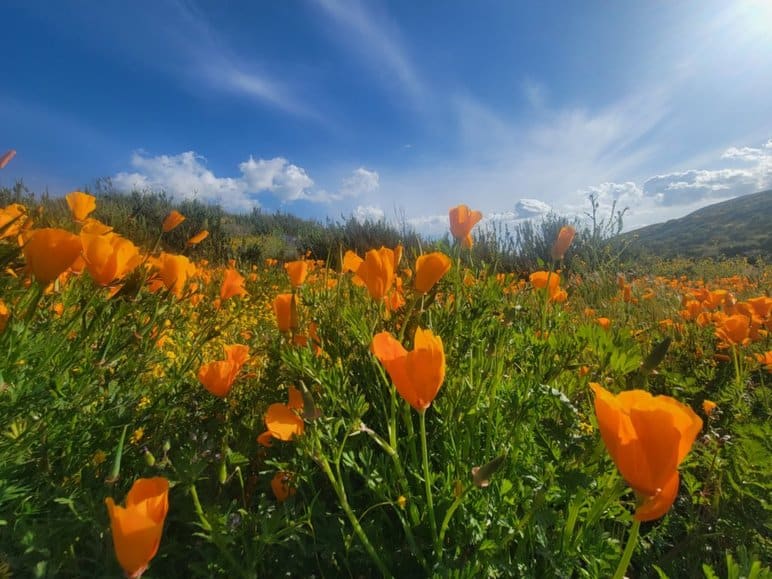
A superbloom is a rare and spectacular event, but it’s also a highly sensitive ecological phenomenon. These mass floral displays occur when specific conditions—ample rainfall after a period of drought, followed by warm temperatures—trigger the germination of dormant seeds that have accumulated in the soil for years, sometimes decades. The resulting carpet of flowers is a temporary but vital ecosystem. It provides a sudden burst of resources for pollinators, herbivores, and microorganisms. Each flower contributes to the overall health of the soil and supports a complex web of life. When flowers are picked, crushed, or trampled, it disrupts seed dispersal, compacts the soil, and damages the root systems of the plants, hindering future blooms and degrading the habitat for local wildlife. The delicate balance of nutrients, soil structure, and biodiversity can be easily upset by human disturbance, leading to long-term ecological consequences.
Impact on Pollinators and Wildlife
California poppies are critical food sources for a variety of native pollinators, including numerous species of bees, butterflies, and other insects. These insects, in turn, play a crucial role in pollinating other plants, including many food crops. When large numbers of poppies are picked or destroyed, it removes these vital nectar and pollen sources, particularly during a superbloom when pollinators are heavily reliant on the abundant floral resources. This can stress pollinator populations, reducing their ability to thrive and reproduce. Furthermore, the poppy fields provide shelter and foraging grounds for small mammals and birds. Human disturbance, such as people walking off trails, chasing wildlife for photos, or leaving trash behind, can displace these animals, disrupt their feeding patterns, and expose them to unnecessary stress or danger. The beauty of the poppies is intrinsically linked to the health of the entire ecosystem they support.
Preventing Over-Tourism Damage
The popularity of superblooms has led to unprecedented levels of visitation to once-remote natural areas. This surge in tourism, while beneficial for local economies, also poses significant risks. Over-tourism can lead to:
Trail Degradation: People veering off designated paths to get closer to flowers or for photos can create new, unauthorized trails, leading to widespread soil erosion and damage to fragile plants.
Litter and Waste: Increased visitor numbers often result in more litter, which contaminates the environment, harms wildlife, and detracts from the natural beauty.
Disturbance to Wildlife: Noise, human presence, and off-leash pets can disturb nesting birds, foraging animals, and other sensitive wildlife.
Flower Destruction: Direct trampling, picking, or lying down in flower fields for “insta-worthy” photos can decimate large patches of poppies and other wildflowers.
To mitigate these impacts, park rangers and conservation groups work tirelessly to educate visitors about responsible viewing practices. The core message is simple: enjoy the beauty, but leave no trace of your visit. This means staying on marked trails, packing out everything you pack in, and observing wildlife from a respectful distance.
Enjoying California’s Golden Blooms Responsibly
Experiencing the vibrant splendor of California’s poppy fields can be an unforgettable journey, provided it’s undertaken with a deep respect for nature and adherence to responsible tourism practices. The key is to immerse yourself in the beauty without leaving a negative footprint.
Best Practices for Poppy Viewing
To ensure your visit is both enjoyable and sustainable, follow these guidelines:
Stay on Designated Trails: This is the golden rule. Walking off-trail compacts soil, damages hidden plants, and disturbs the delicate root systems of wildflowers. Many “superbloom” areas, like the Antelope Valley California Poppy Reserve, have clearly marked paths designed to offer the best views while protecting the flora.
Observe from a Distance: Resist the urge to enter the poppy fields. The best views are often from the edges of the fields, where you can appreciate the expansive tapestry of color without causing harm. Use zoom lenses for close-up photos.
Leave No Trace: Pack out everything you pack in, including all trash, food scraps, and even organic materials like fruit peels, which can attract wildlife or take a long time to decompose.
Respect Wildlife: Observe animals from a distance and never feed them. Keep pets on a leash and ensure they also stay on trails.
Visit During Off-Peak Hours: If possible, visit early in the morning or late in the afternoon to avoid crowds and reduce your impact on the environment. Weekdays are generally less crowded than weekends.
Check Conditions Before You Go: California poppy blooms are seasonal and weather-dependent. Check park websites or local tourism boards for bloom updates and trail conditions before planning your trip.
Capturing Memories Without Causing Harm
Photography is a popular activity during superblooms, and it’s entirely possible to capture stunning images without damaging the environment.
Use Wide-Angle Lenses: These allow you to capture the vastness of the fields from a respectful distance, without needing to walk into the poppies.
Frame Your Shots Carefully: Look for angles that emphasize the density and beauty of the flowers from the trail.
Be Patient: Wait for a moment when there are fewer people in your desired shot, or use creative cropping to minimize their presence. Avoid creating social media trends that encourage destructive behavior, like lying down in the flowers.
Lead by Example: Share photos and messages on social media that promote responsible viewing, encouraging others to stay on trails and protect the poppies. Showcase the beauty of the landscape as an untouched wonder, inspiring others to respect it too.
Supporting Conservation Efforts
Beyond individual actions, you can contribute to the preservation of California’s natural heritage by supporting conservation organizations.
Donate or Volunteer: Organizations like the California State Parks Foundation or local environmental groups work to maintain parks, restore habitats, and educate the public.
Purchase Native Seeds: Instead of picking wildflowers, consider planting California poppies in your own garden or balcony. This supports native plant growth and creates mini-habitats for pollinators. Ensure you source seeds from reputable native plant nurseries to avoid invasive species.
Educate Others: Share your knowledge about responsible poppy viewing with friends, family, and fellow travelers. Spreading awareness is one of the most effective ways to promote sustainable tourism.
Beyond the Poppy: Respecting California’s Natural Beauty
The principles of responsible tourism applied to the California poppy extend to all of California’s diverse and magnificent natural landscapes. The state is a global biodiversity hotspot, home to towering redwoods, pristine coastlines, majestic mountains, and vast deserts. Each ecosystem is unique and fragile, deserving of our utmost respect and protection.
General Principles for Interacting with Wildflowers
The advice for California poppies applies broadly to all wildflowers you might encounter during your travels. Whether you’re exploring the superblooms of Southern California, the alpine meadows of the Sierra Nevada, or the coastal bluffs along the Pacific Coast Highway, remember these universal rules:
Look, Don’t Touch: Appreciate the beauty with your eyes and cameras, but avoid physical interaction.
Stay on Marked Paths: This is crucial in all natural settings to protect sensitive vegetation and prevent erosion.
Pack It In, Pack It Out: Leave no trash behind, including biodegradable items.
Research Before You Go: Understand the specific regulations and environmental sensitivities of the area you are visiting.

Discovering Other Natural Wonders
California’s allure extends far beyond its poppies. The state boasts an incredible array of natural attractions that offer equally breathtaking experiences, many of which are also home to diverse wildflowers and unique ecosystems. From the dramatic cliffs of Big Sur and the serene beaches of Santa Barbara to the ancient trees of Joshua Tree National Park and the pristine waters of Lake Tahoe, there’s an endless list of natural wonders to explore. Each destination offers its own set of rules and best practices for responsible visitation. For instance, in Yosemite National Park, protecting sequoia trees or delicate alpine flora requires similar adherence to trail systems and minimal impact camping. By applying the same mindful approach you would to the California poppies, you can ensure that all your adventures contribute positively to the preservation of California’s unparalleled natural heritage.
In conclusion, while the simple act of picking a single California poppy might seem harmless, it contributes to a larger problem of environmental degradation and legal violations when multiplied by thousands of visitors. The true beauty of the poppy lies in its collective display and its vital role within its ecosystem. By understanding and respecting the law, recognizing the ecological impact, and adopting responsible viewing practices, tourists can ensure that the golden fields of California continue to inspire awe for generations to come. Enjoy the spectacle, capture its beauty, but always remember to leave nature undisturbed.
LifeOutOfTheBox is a participant in the Amazon Services LLC Associates Program, an affiliate advertising program designed to provide a means for sites to earn advertising fees by advertising and linking to Amazon.com. Amazon, the Amazon logo, AmazonSupply, and the AmazonSupply logo are trademarks of Amazon.com, Inc. or its affiliates. As an Amazon Associate we earn affiliate commissions from qualifying purchases.