
Navigating the administrative aspects of life, especially when traveling or residing in a new place, can present unexpected challenges. Among these, receiving a traffic ticket in a state like Florida can be a particularly stressful experience. Whether you’re a long-term resident or a visitor exploring the Sunshine State, understanding the specifics of your citation is crucial for managing the situation effectively. The first, and often most critical, piece of information you’ll need is the citation number. This unique identifier acts as the key to accessing your case, paying fines, or contesting the charge. Without it, you might find yourself in a bureaucratic maze, potentially missing deadlines and incurring further penalties. This guide aims to demystify the Florida traffic ticket, helping you quickly locate that elusive citation number and understand its significance in your overall lifestyle management.
Understanding Your Florida Traffic Citation
Receiving a traffic ticket is rarely a pleasant surprise. It can disrupt your day, your travel plans, or even your budget. In Florida, traffic violations range from minor infractions like speeding or improper lane changes to more serious offenses. Regardless of the severity, every ticket issued by law enforcement personnel contains vital information that you, as the recipient, need to understand and act upon. The prompt and correct identification of the citation number is the cornerstone of managing your ticket and its subsequent implications.
The Immediate Impact of a Florida Ticket
Beyond the initial inconvenience, a traffic ticket can have several immediate impacts on your lifestyle. For drivers with out-of-state licenses, it can raise concerns about how the violation might transfer back to their home state’s driving record. For Florida residents, it can mean points on their license, increased insurance premiums, and the potential for license suspension if not handled appropriately. The clock starts ticking from the moment the ticket is issued, typically giving you a specific number of days (often 30) to respond. Failure to respond can lead to additional late fees, driver’s license suspension, or even a warrant for your arrest in more severe cases. This is why understanding the immediate requirements and quickly locating your citation number is paramount. It allows you to explore options like attending traffic school to avoid points, paying the fine, or scheduling a court date to contest the ticket.
Why Locating the Citation Number is Crucial
The citation number is more than just a random series of digits; it is your unique case identifier within the Florida court system and the Florida Department of Highway Safety and Motor Vehicles (DHSMV). Every interaction you have regarding your ticket—whether online, over the phone, or in person—will require this number.
- Online Payments: To pay your fine online through the county clerk of court’s website, you will need the citation number to pull up your specific case.
- Traffic School Enrollment: If you opt for traffic school to avoid points, the school will require your citation number to report your completion to the court.
- Court Appearances: When contacting the clerk of court to schedule a hearing or appearing in front of a judge, the citation number ensures your case is correctly identified.
- Information Retrieval: It allows you to check the status of your ticket, view associated fines, and understand deadlines through official channels.
Essentially, the citation number serves as the primary reference point for all administrative and legal processes related to your traffic violation. Without it, you are effectively a nameless entity in a vast system, making it nearly impossible to resolve your ticket.
Navigating the Anatomy of a Florida Traffic Ticket
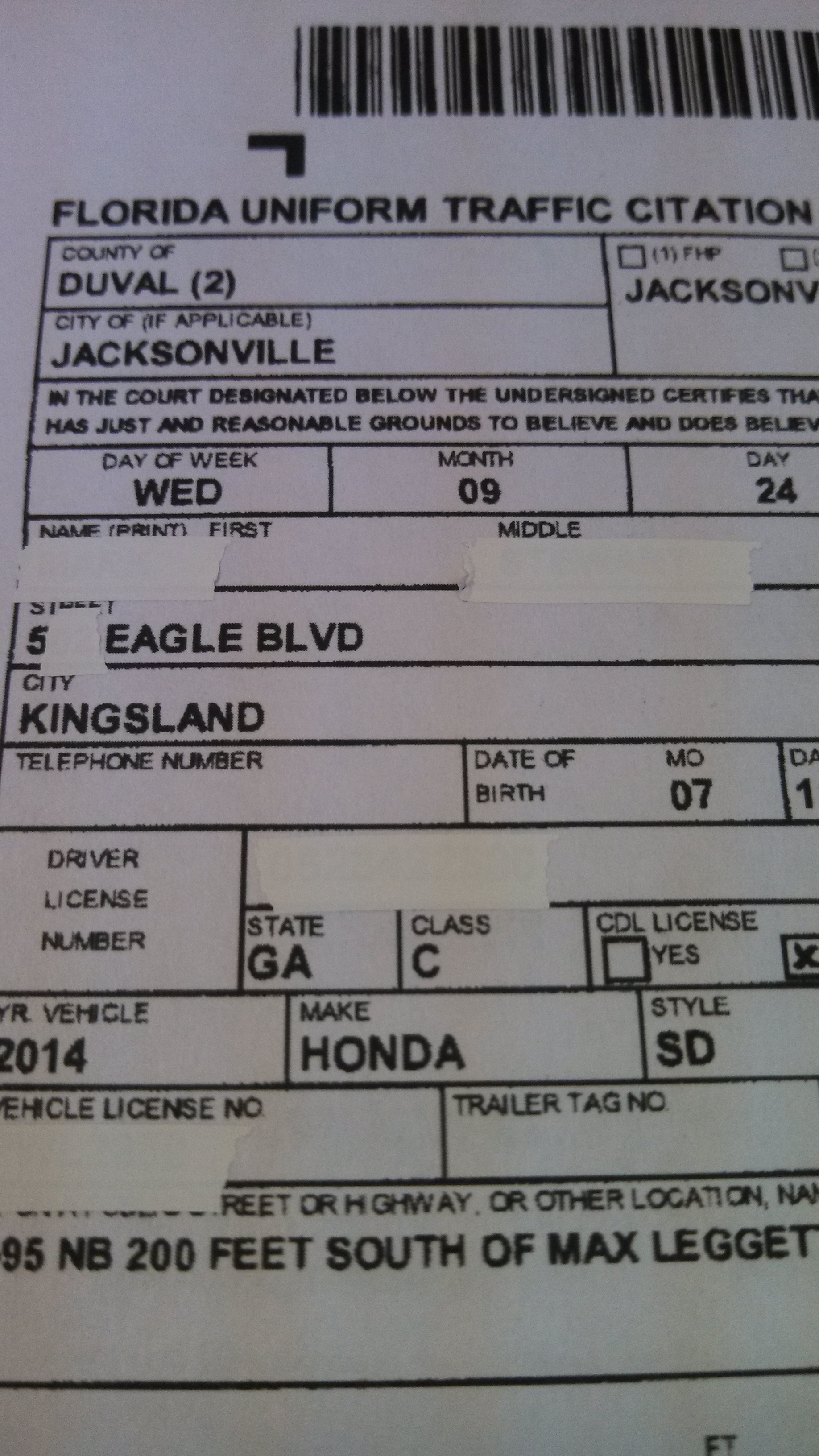
While Florida traffic tickets may vary slightly in design depending on the issuing agency (e.g., Florida Highway Patrol, county sheriff’s office, or municipal police department), they generally follow a standard format. These tickets, often referred to as Uniform Traffic Citations (UTC), are designed to be legible and contain all necessary information for both law enforcement and the driver. Understanding the typical layout can significantly speed up the process of finding what you need.
Common Ticket Layouts and Where to Look First
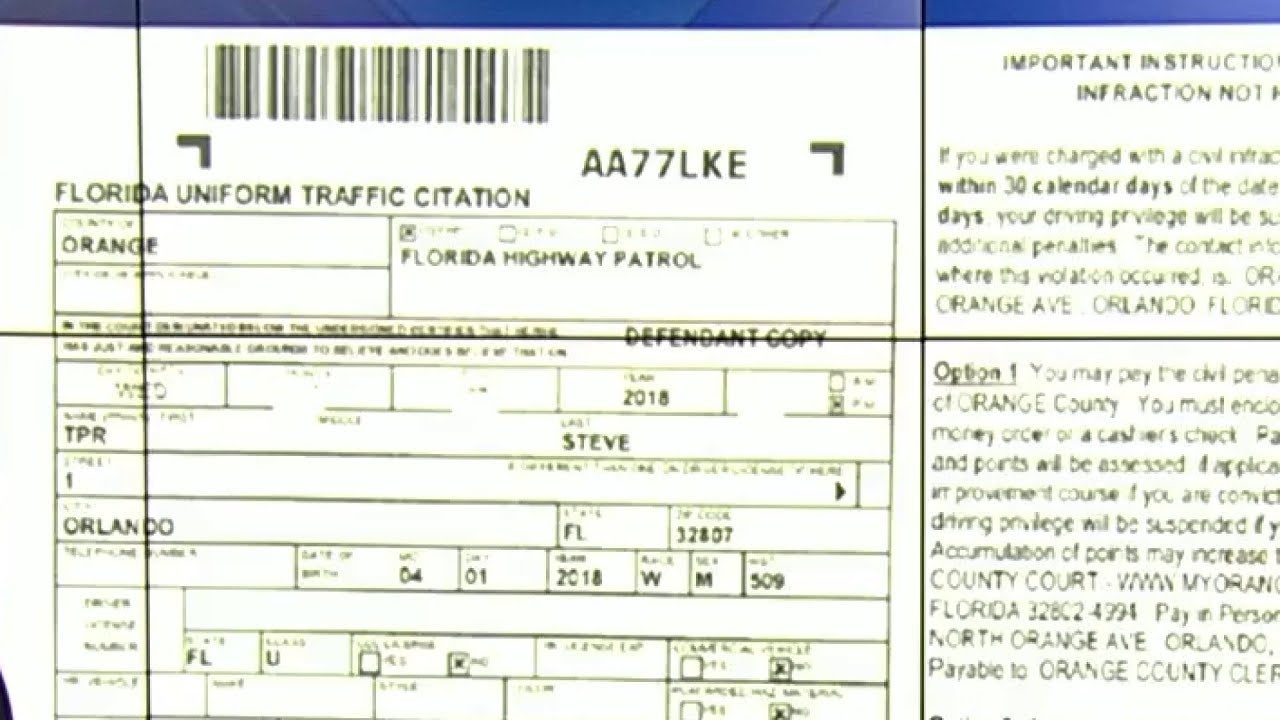
Most Florida traffic tickets are printed on a standard form, often a triplicate carbon copy. The officer typically hands you the yellow or white copy. The citation number is usually prominently displayed, often in a bold font or a dedicated box, making it easier to spot.
Here are the most common places to find the citation number:
- Top Right Corner: This is the most frequent location. Look for a bold, multi-digit number, sometimes preceded by a letter or a series of letters (e.g., “A12345678” or “FLT-987654”).
- Top Left Corner: Less common than the top right, but still a possibility.
- Bottom Section: Some tickets might place it near the bottom where the officer’s signature or instructions are located.
- Barcode Area: Often, the citation number is printed directly above or below a barcode, which is used for scanning by the courts.
The citation number is typically a unique sequence of 7-9 alphanumeric characters. It’s distinct from any case number that might be assigned later by the court, though sometimes they might be similar or related. Always look for “Citation No.,” “Ticket No.,” or “UTC No.” as a label.
Identifying Key Information Beyond the Citation Number
While the citation number is paramount, a Florida traffic ticket contains other crucial details that you should familiarize yourself with:
- Date and Time of Violation: Essential for calculating response deadlines.
- Issuing Agency and Officer Information: Identifies who issued the ticket and which department they belong to.
- Violation Description: Details the specific traffic law you are accused of breaking (e.g., “Speeding 70 in a 55 MPH zone,” “Failure to Yield”). This section will also list the relevant Florida Statutes number.
- Location of Violation: The street, highway, or intersection where the incident occurred.
- Your Personal Information: Your name, address, driver’s license number, and vehicle information (make, model, license plate number). Ensure this information is accurate.
- Court Information: The name and address of the county clerk of court responsible for handling your ticket. This is vital for knowing where to direct your inquiries or payments.
- Response Instructions and Deadlines: Clear instructions on how to respond to the ticket, including options for paying the fine, electing traffic school, or requesting a court hearing, along with the deadline for your response.
Taking a moment to review all these sections immediately after receiving a ticket will provide a comprehensive understanding of your situation and the steps required to address it.
Step-by-Step Guide to Finding the Citation Number
Finding your citation number should be straightforward, but circumstances can make it challenging. Perhaps the ticket is smudged, illegible, or you’ve misplaced your original copy. Knowing the different avenues for retrieval is a crucial aspect of responsible lifestyle management in Florida.
Digital vs. Paper Tickets: Different Approaches

Most traffic tickets are still issued in paper format, but some jurisdictions or specific violations might involve digital records or electronic tickets.
- Paper Tickets: As described above, the citation number is typically found in a prominent location on the physical slip. If you have the paper copy, scan it thoroughly, focusing on the top corners and any areas with bold or distinct numbering. It might be labeled as “Citation #”, “Ticket #”, or “UTC #”.
- Digital Records (if applicable): In some modern law enforcement systems, particularly for parking tickets or red-light camera violations, you might receive a notice in the mail or be able to look up your citation online using your license plate number or driver’s license number. Once accessed, the citation number will be clearly displayed on the digital record.
What to Do If You Can’t Find It
Sometimes, despite your best efforts, the citation number remains elusive. This can happen if the ticket is lost, damaged, or simply difficult to decipher. Don’t panic; there are still ways to retrieve this vital information.
- Check Online with the Clerk of Court: The most efficient method for lost tickets is to visit the website for the Clerk of the Circuit Court in the county where the ticket was issued. Most Florida counties have online portals that allow you to search for traffic citations using your driver’s license number, name, or vehicle license plate number. For example, if you received a ticket in Miami-Dade County, you would visit the Miami-Dade Clerk of Courts website. Be prepared to enter your personal details to initiate the search. This search will typically return your citation number along with other case details.
- Contact the Issuing Agency: If the online search yields no results, or if you prefer direct communication, you can contact the law enforcement agency that issued the ticket (e.g., Florida Highway Patrol, Orange County Sheriff’s Office, City of Orlando Police Department). They might be able to look up your ticket using your name, driver’s license number, or the date and location of the incident.
- Contact the Clerk of the Circuit Court: As a last resort, or if the online portal is not user-friendly, you can call the Clerk of the Circuit Court in the appropriate county. Provide them with as much detail as possible: your full name, date of birth, driver’s license number, vehicle information, and the approximate date and location of the incident. They have access to the full database and can usually locate your citation number.
Remember to act quickly if you can’t find your citation number. Delaying could mean missing your response deadline, which complicates the situation further.
The Role of the Citation Number in Your Next Steps
Once you have successfully located your citation number, you are empowered to take the necessary steps to resolve your traffic ticket. This is where diligent lifestyle management comes into play, ensuring you meet your obligations and mitigate any negative consequences.
Paying Your Ticket in Florida
For minor infractions where you choose not to contest the ticket, paying the fine is often the simplest resolution. The citation number is essential for this process.
- Online: Most Florida county clerks of court offer online payment portals. You’ll input your citation number to retrieve your case details and proceed with payment using a credit or debit card. There might be a small processing fee.
- By Mail: If paying by mail, you’ll need to send a check or money order, clearly writing your citation number on it to ensure it’s applied to the correct case. The mailing address for the clerk of court will be on the ticket or their website.
- In Person: You can pay in person at the clerk of court’s office in the county where the ticket was issued. Bring your ticket or at least your citation number to streamline the process.
It’s important to understand that paying the ticket typically constitutes an admission of guilt, often resulting in points being assessed against your driving record, unless you simultaneously elect to attend traffic school (if eligible).
Contesting Your Ticket: Court Appearances and Online Portals
If you believe the ticket was issued in error or you wish to present your case, you have the right to contest it. The citation number is your gateway to this process.
- Requesting a Hearing: To contest a ticket, you must notify the clerk of court within the specified timeframe (usually 30 days). This is typically done by mailing in a form, using an online portal, or appearing in person. Your citation number will be required for this request.
- Court Appearance: If you choose to go to court, you will receive a notice with your court date. It’s advisable to bring your ticket (with the citation number) and any evidence you have to the hearing. The judge will refer to your case by its citation number.
- Traffic School Election: For eligible violations, Florida allows drivers to elect to attend a Basic Driver Improvement (BDI) course to avoid points on their license. This option also requires your citation number during the enrollment and completion reporting process. You must inform the clerk of court of your intention to elect traffic school within the 30-day window.
Understanding these options and deadlines, all linked by your citation number, is a key part of managing the legal and financial implications of a traffic ticket.
Broader Lifestyle Implications for Residents and Visitors
Dealing with a traffic ticket in Florida is more than just a momentary inconvenience; it’s a situation that requires proactive lifestyle management to prevent long-term negative impacts. Whether you call Florida home or are just passing through, understanding the administrative pathways for addressing traffic violations is crucial.
Managing Your Driving Record in Florida
For Florida residents, successfully handling a traffic ticket is fundamental to maintaining a clean driving record. Accumulating too many points can lead to driver’s license suspension, which severely impacts daily life—from commuting to work in Jacksonville to picking up children in Orlando or enjoying the beaches of Sarasota. Electing traffic school, when available, is a strategic move to prevent points, thereby protecting your license and potentially keeping your insurance premiums stable. Visitors should also be aware that violations in Florida can often transfer points or infractions back to their home state’s driving record due to interstate compacts like the Driver License Compact. Always verify how a Florida ticket might affect your out-of-state license.
Resources for Florida Drivers and Tourists
Beyond the immediate task of finding your citation number, a proactive approach to safe driving and legal awareness contributes positively to your overall lifestyle.
- Florida Department of Highway Safety and Motor Vehicles (DHSMV): The official source for information on Florida driving laws, driver’s license services, and vehicle registrations. Their website offers extensive resources on points, license suspensions, and traffic school options.
- County Clerk of Court Websites: Each county’s Clerk of Court website (e.g., Miami-Dade Clerk of Courts, Orange County Clerk of Courts) is an invaluable resource for looking up citations, understanding local procedures, and making payments.
- Traffic Lawyers: If your violation is severe, involves an accident, or if you face the prospect of license suspension, consulting with a Florida traffic lawyer can provide expert guidance and potentially better outcomes.
- Defensive Driving Courses: Even if not mandated, voluntarily taking a defensive driving course can refresh your knowledge of traffic laws, improve your driving skills, and reduce the likelihood of future citations, thereby enhancing your peace of mind and safety on Florida’s roads.
In conclusion, a traffic ticket in Florida might seem like a minor hiccup, but its administrative and financial repercussions can extend significantly. Knowing where to find your citation number and understanding the steps that follow are fundamental components of responsible personal and travel lifestyle management. By being informed and acting promptly, you can navigate this challenge efficiently and confidently, ensuring that a simple ticket doesn’t derail your enjoyment of life in the Sunshine State.
LifeOutOfTheBox is a participant in the Amazon Services LLC Associates Program, an affiliate advertising program designed to provide a means for sites to earn advertising fees by advertising and linking to Amazon.com. Amazon, the Amazon logo, AmazonSupply, and the AmazonSupply logo are trademarks of Amazon.com, Inc. or its affiliates. As an Amazon Associate we earn affiliate commissions from qualifying purchases.