
For many, the open road in California represents freedom, adventure, and the potential for incredible experiences. Whether driven by the desire for budget-friendly travel, the allure of the “van life” movement, or simply facing economic hardship, more individuals are considering their vehicle as a temporary or even long-term form of accommodation. This raises a critical question: is it legal to sleep in your car in the Golden State? The answer, like much of California’s diverse landscape, is not straightforward. While there’s no blanket statewide prohibition, the legality of car dwelling is a complex patchwork of local ordinances, often leaving travelers and residents alike navigating a confusing legal maze. Understanding these nuances is crucial for anyone considering their car as a place to rest, ensuring both compliance with the law and personal safety.

The Complex Legal Landscape of Car Camping in California
Unlike some states with more uniform vehicle habitation laws, California delegates much of this regulatory power to its individual cities and counties. This decentralized approach creates a highly varied legal environment, making it essential to research local rules for any specific area you plan to visit or reside in. The core issue revolves around “vehicle habitation” laws, which aim to prevent long-term dwelling in vehicles on public streets or specific parking areas.
No Statewide Ban, But Local Ordinances Abound
At the state level, California does not have a comprehensive law that universally prohibits sleeping in your car. This means that merely being asleep in a parked vehicle is not inherently illegal across the entire state. However, this absence of a statewide ban does not grant carte blanche. Instead, cities and counties have the authority to enact their own ordinances, and many have done so, often driven by concerns related to public safety, sanitation, aesthetics, and the impact on local businesses and residents. These local laws can range from outright bans on sleeping in vehicles on public streets to time limits for parking, restrictions in residential zones, or prohibitions near schools and parks. The specifics can vary dramatically even between neighboring municipalities, transforming a simple overnight stop into a potential legal predicament if one is not adequately informed.
Understanding “Vehicle Habitation” Laws
The term “vehicle habitation” laws refers to a broad category of municipal codes designed to regulate or prohibit the use of a vehicle as a dwelling. These laws are distinct from general parking regulations and often target specific behaviors associated with living in a car, such as cooking, setting up external structures (like awnings or chairs), or displaying signs of extended occupancy. Many ordinances are vaguely worded, leaving room for interpretation by law enforcement officers. For instance, some cities may prohibit “camping” in vehicles, which can be broadly defined, while others might focus on “overnight parking” or “sleeping” in designated areas.
Enforcement of these laws also varies widely. In some areas, police might issue warnings first, while in others, fines or even vehicle impoundment can be immediate consequences. The intent behind these laws is often to address issues arising from concentrated vehicle dwelling, such as increased litter, sanitation challenges, or complaints from residents about perceived safety concerns or property value impacts. Understanding the specific language and intent of a local ordinance is paramount, as a simple misunderstanding could lead to unwelcome legal repercussions during your travels or stay in California.
Navigating Local Regulations: City by City
The patchwork of local laws in California means that your experience sleeping in a car can be vastly different depending on your location. Major metropolitan areas, bustling tourist destinations, and quieter inland communities each approach vehicle habitation with their own set of rules and enforcement priorities.
Major Metros: Los Angeles and San Francisco
Los Angeles, the largest city in California, has historically struggled with a significant unsheltered population, including many who live in their vehicles. The city has seen various iterations of vehicle habitation bans and legal challenges. Currently, Los Angeles has an ordinance (LAMC 85.02) that prohibits using a vehicle as living quarters while it’s parked on a public street, alley, or public parking lot. However, this law has been subject to various legal injunctions and modifications, leading to periods of limited enforcement or specific exemptions. The city has also implemented “Safe Parking Programs” which offer designated, monitored lots where vehicle dwellers can legally park overnight. These programs are a direct response to the housing crisis and aim to provide a safer, legal alternative for those living in their cars.
San Francisco, another major urban center, also faces similar challenges with vehicle dwelling. While perhaps not as extensively publicized as Los Angeles, San Francisco has its own set of parking restrictions and regulations that can indirectly impact vehicle dwellers, such as strict street cleaning schedules, limited overnight parking, and residential parking permits. Direct prohibitions against sleeping in vehicles are less common than general nuisance laws or specific parking restrictions, but enforcement can still be stringent, particularly in residential or heavily trafficked commercial areas. Both cities reflect the broader tension between humanitarian concerns for vulnerable populations and the desire to maintain public order and address neighborhood complaints.
Coastal Cities and Tourist Hotspots: Santa Barbara, San Diego
Coastal cities in California often have some of the strictest vehicle habitation laws, largely due to their desirable real estate, tourism focus, and the tendency for vehicle dwellers to gravitate towards scenic areas. Santa Barbara, known for its beautiful beaches and upscale communities, has a particularly stringent ordinance that prohibits “lodging” in vehicles, motorhomes, or trailers on public streets. The city operates a heavily managed “Safe Parking Program” that requires registration and adherence to strict rules, reflecting a controlled approach to managing vehicle dwelling. Without participation in this program, overnight vehicle stays on public land in Santa Barbara are generally illegal and regularly enforced.
Similarly, San Diego, with its extensive coastline and popular tourist attractions, also grapples with balancing tourism interests and the needs of vehicle dwellers. San Diego municipal code explicitly prohibits “camping” on public property, which includes sleeping in vehicles. Enforcement can be particularly noticeable near beaches, parks, and residential neighborhoods. Both Santa Barbara and San Diego demonstrate a common trend in attractive coastal communities: a desire to deter long-term vehicle habitation on public streets while sometimes offering limited, managed alternatives.
Inland Areas and Rural Zones
Moving away from the dense urban and coastal centers, inland cities and rural counties often present a somewhat different landscape for vehicle dwellers. While specific municipal ordinances still exist in many inland cities, they might be less strictly enforced, or the sheer availability of less-trafficked areas makes discreet parking easier. In very rural areas, especially those bordering national forests or Bureau of Land Management (BLM) land, the regulations shift considerably. On federal lands managed by the National Forest Service or Bureau of Land Management, “dispersed camping” or “boondocking” (camping outside of designated campgrounds) is often permitted for limited durations (typically 14 days in a 28-day period) without a fee, provided certain rules are followed, such as packing out all trash and minimizing impact. This offers a legal and popular option for vehicle dwellers, though it requires self-sufficiency and an understanding of wilderness ethics. However, even in these areas, local county or city ordinances can still apply to roads or lands not directly under federal jurisdiction, so vigilance and research remain key.
Legal Alternatives and Safe Accommodation Strategies
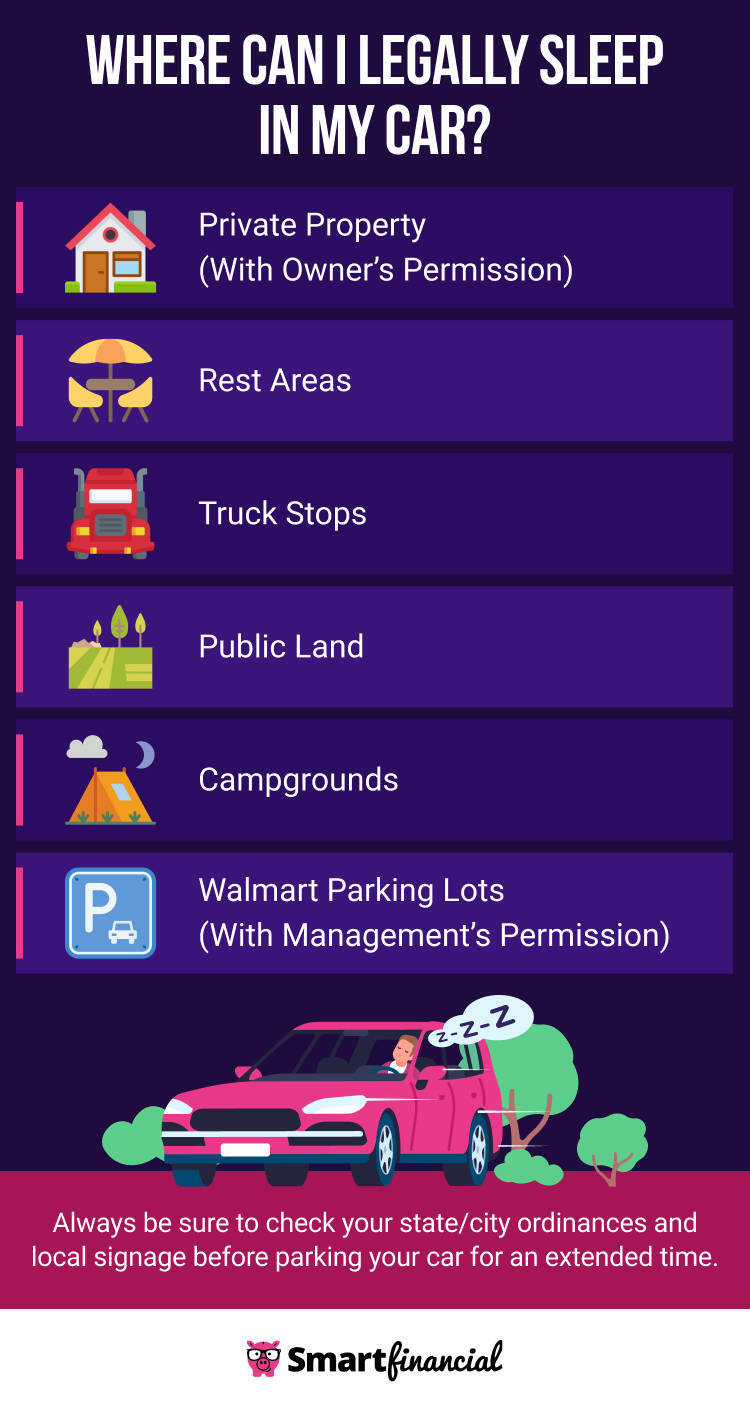
Given the complexities of local laws, finding legal and safe places to sleep in your car in California often requires proactive planning and resourcefulness. Fortunately, several legitimate options exist that can provide peace of mind for vehicle dwellers.
Designated Safe Parking Programs
As mentioned, several cities across California, including Los Angeles, San Diego, and Santa Barbara, have implemented “Safe Parking Programs.” These initiatives typically offer designated, monitored parking lots (often at churches, non-profits, or city-owned properties) where individuals and families living in their vehicles can park overnight legally and safely. These programs often provide access to restrooms, basic services, and sometimes even case management to help participants transition to more stable housing. They are invaluable resources for those facing homelessness, but participation usually requires registration and adherence to specific rules. Information about these programs can often be found through local homeless services agencies or city government websites.
Commercial Establishments and Private Land
Certain commercial establishments are known for being more welcoming to overnight parking, particularly for RVs and vans. Walmart stores, for instance, historically permitted overnight parking at many of their locations, though this policy varies by store and local ordinance. It is always crucial to check with store management upon arrival to confirm their current policy. Similarly, some casinos might allow overnight parking, especially if you are a patron. Truck stops are another common option, designed to accommodate large vehicles and weary drivers, offering amenities like fuel, food, and often showers. When considering private land or business parking lots, always seek explicit permission from the property owner or manager. Parking without permission, even for a few hours, constitutes trespassing and can lead to legal issues.
National Forests and BLM Land
For those seeking a more rustic experience or a longer-term stay, federal lands managed by the National Forest Service and the Bureau of Land Management (BLM) offer some of the most accommodating options for vehicle dwelling. These agencies permit “dispersed camping” or “boondocking” in many areas, allowing you to park and stay for up to 14 days within a 28-day period (rules can vary, so check specific district regulations). This typically involves parking in designated pull-offs or undeveloped areas, away from facilities. While free, it requires self-sufficiency: no water, restrooms, or trash services are usually provided. It is essential to practice Leave No Trace principles, pack out all trash, and be aware of fire restrictions, especially in dry California conditions. Additionally, California State Parks and private campgrounds also offer legal overnight accommodation for a fee, providing amenities and a secure environment, which can be a good option for periodic stays.
Practical Considerations and Best Practices for Car Dwellers
Beyond the legalities, safely and comfortably sleeping in your car requires a strategic approach to daily living, personal security, and maintaining discretion. Adopting best practices can mitigate risks and enhance the overall experience.
Safety and Security
Prioritizing safety is paramount. When choosing a spot, look for well-lit areas with some activity but not excessive noise, if possible. Avoid secluded or poorly lit locations that could attract unwanted attention. Blend in by keeping your vehicle looking like a parked car, not a dwelling. This means avoiding obvious signs of habitation, such as excessive clutter, window coverings that draw attention, or external setups. If confronted by law enforcement, remain calm, polite, and cooperative. Have your identification and vehicle registration readily accessible. Consider investing in basic security measures for your vehicle, such as window coverings for privacy, an alarm system, or even a steering wheel lock. Trust your instincts; if a location feels unsafe, move on.
Hygiene and Waste Management
Maintaining hygiene and managing waste are critical for both personal well-being and avoiding legal issues or attracting unwanted attention. Identify locations with public restrooms, such as gas stations, 24-hour grocery stores, gyms, or fast-food establishments, for regular use. Investing in a gym membership can provide consistent access to showers and restrooms. For waste, always utilize public trash receptacles or proper disposal sites. Never litter or leave trash around your vehicle. For human waste, portable camping toilets or wag bags are essential if you’re not near facilities, especially in natural areas where Leave No Trace principles apply. Proper waste management helps ensure you don’t contribute to environmental pollution or draw negative attention from authorities or locals.
Legal Ramifications and Avoiding Fines
The most effective way to avoid fines and other legal repercussions is to be well-informed and discreet. Always research local ordinances for any city or county you plan to stay in. Look for signage indicating “no overnight parking,” “no camping,” or “no vehicle habitation.” If such signs are present, respect them. Moving your vehicle frequently can also help avoid suspicion, as many ordinances target “long-term” or “continuous” habitation. Being respectful of your surroundings, minimizing noise, and ensuring your vehicle appears well-maintained and not abandoned can go a long way in avoiding complaints that might lead to enforcement. Remember that even if an area doesn’t have a direct “no sleeping in car” law, general parking violations (like parking too long in one spot, blocking driveways, or parking in prohibited zones) can still result in fines.
Sleeping in your car in California is a nuanced matter, governed by a complex web of local regulations rather than a singular statewide law. While challenging, with careful research, strategic planning, and adherence to best practices, it is possible to find legal and safe places to rest your head in the Golden State. Understanding the local landscape, utilizing designated safe parking programs, and exploring federal lands are key to a successful and compliant vehicle dwelling experience.
LifeOutOfTheBox is a participant in the Amazon Services LLC Associates Program, an affiliate advertising program designed to provide a means for sites to earn advertising fees by advertising and linking to Amazon.com. Amazon, the Amazon logo, AmazonSupply, and the AmazonSupply logo are trademarks of Amazon.com, Inc. or its affiliates. As an Amazon Associate we earn affiliate commissions from qualifying purchases.