
Bringing a new life into the world is an unparalleled experience, one that ideally should be met with excitement and focus on family bonding, not financial stress. For expectant and new parents in California, understanding the landscape of parental leave benefits is crucial for planning this pivotal life stage. The short answer to whether maternity leave is paid in California is a resounding yes, though the system is multifaceted and involves several key programs designed to provide both financial compensation and job protection.
This article delves into the specifics of paid maternity leave in California, exploring the various avenues of support available to new parents. We’ll examine the programs, eligibility, application processes, and ultimately, the profound lifestyle impact these benefits have on families across the Golden State.
Understanding California’s Commitment to New Parents
California stands out as a leader in supporting working families, offering some of the most comprehensive paid family leave benefits in the United States. This commitment reflects a recognition of the importance of early childhood development, maternal and parental well-being, and the need for parents to balance career aspirations with family responsibilities.
The Philosophy Behind Paid Leave
At its core, California’s paid leave system is built on the philosophy that no parent should have to choose between caring for a newborn or recovering from childbirth and financial stability. It acknowledges that the early weeks and months of a child’s life are critical for bonding and development, and that mothers require time to physically recover. By providing paid leave, the state aims to reduce economic hardship, improve health outcomes for mothers and babies, and promote greater gender equity in the workplace. This progressive approach significantly contributes to the overall lifestyle quality for families in the state.
A Multi-Layered Support System
The architecture of paid parental leave in California is not a single, monolithic program but rather a combination of state-mandated benefits that work in concert. These include disability insurance for pregnancy-related conditions and paid family leave for bonding with a new child. Crucially, these financial benefits are often coupled with state and federal laws that offer job protection, ensuring parents can return to their positions after their leave. Navigating these layers effectively is key to maximizing the benefits available.
Navigating the Core Programs for Parental Leave
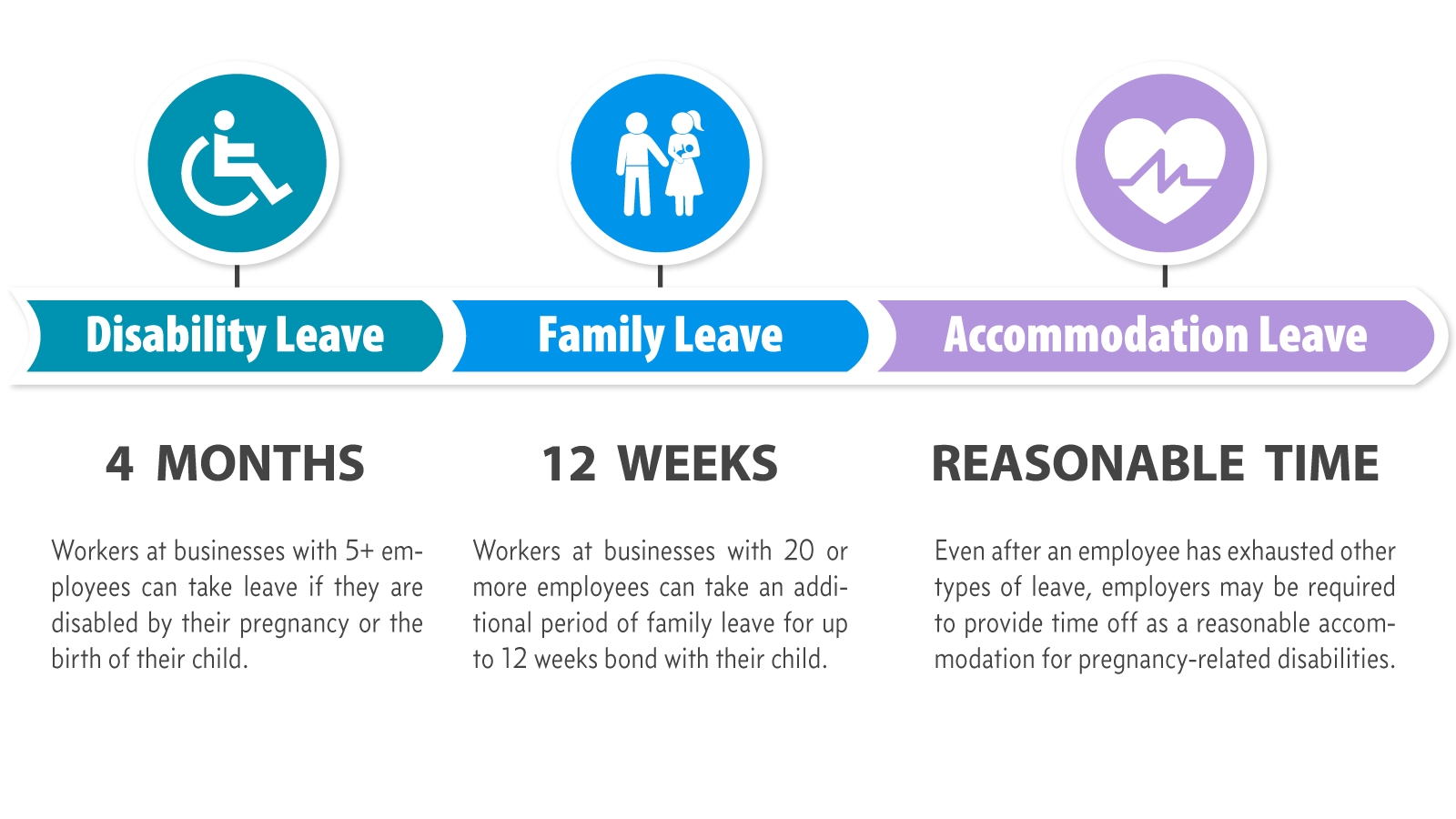
California’s system for paid maternity leave primarily involves two state-administered programs for wage replacement: State Disability Insurance (SDI) and Paid Family Leave (PFL). These are complemented by job-protected leave under the California Family Rights Act (CFRA) and the federal Family and Medical Leave Act (FMLA).
State Disability Insurance (SDI): Covering Pregnancy and Recovery
State Disability Insurance (SDI) is typically the first program new mothers will utilize. SDI provides short-term wage replacement benefits to eligible California workers who are unable to work due to a non-work-related illness or injury, which includes pregnancy and childbirth.
For a typical pregnancy, SDI covers:
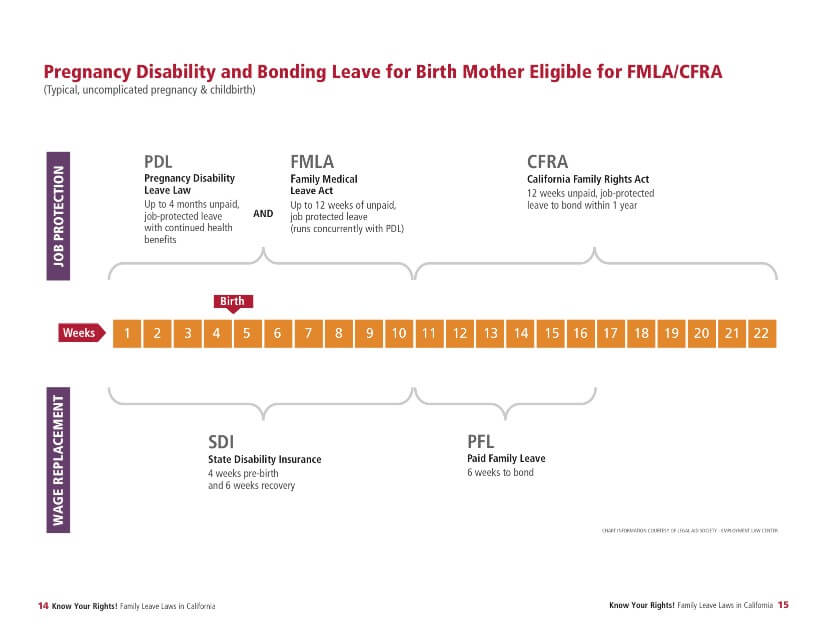
- Before Childbirth: Up to four weeks before the estimated due date for a normal pregnancy. This period is often extended if there are complications.
- After Childbirth: Up to six weeks after a vaginal delivery or eight weeks after a C-section, to allow for physical recovery.
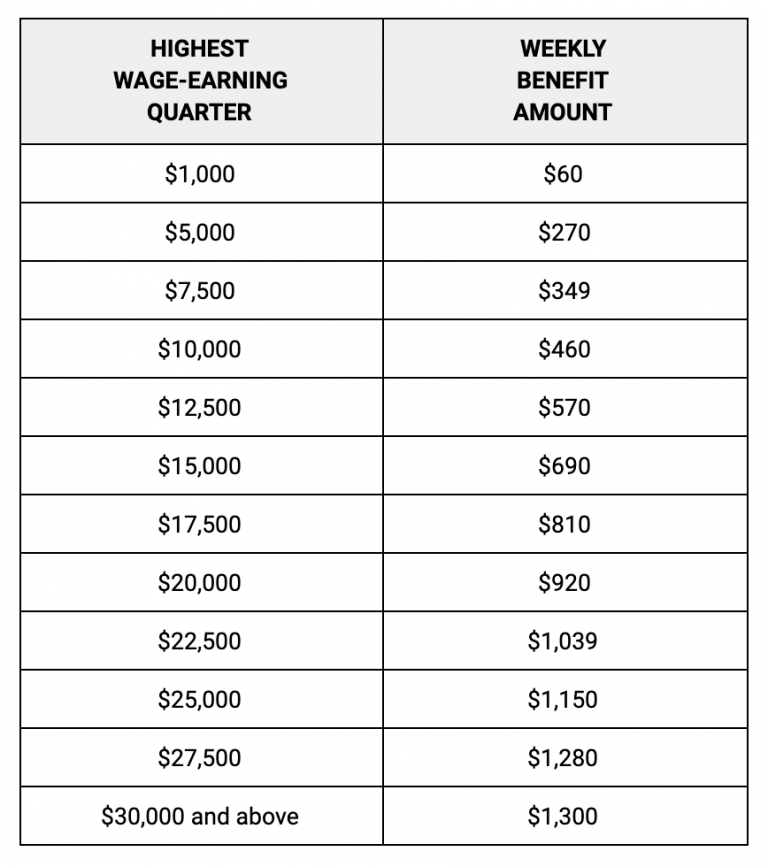
During this period, eligible individuals can receive approximately 60-70% of their regular wages, up to a maximum weekly benefit amount. SDI benefits are paid by the Employment Development Department (EDD), which administers the state’s unemployment, disability, and paid family leave programs.
Paid Family Leave (PFL): Bonding with Your Newborn
Once the SDI period for childbirth recovery ends, new mothers (and fathers, or any new parent, including those who adopt or foster a child) can transition to Paid Family Leave (PFL). PFL provides wage replacement benefits for up to eight weeks to individuals who need to take time off work to bond with a new child (biological, adopted, or fostered), care for a seriously ill family member, or participate in a qualifying military exigency.
For bonding with a new child, PFL benefits typically begin immediately after the SDI period for the birthing parent, allowing for a continuous period of paid leave. Like SDI, PFL offers approximately 60-70% of regular wages, up to the maximum weekly benefit. This program is vital for enabling both parents to spend crucial time with their newborn, supporting shared parental responsibilities and strengthening family bonds.
California Family Rights Act (CFRA) and Family and Medical Leave Act (FMLA): Job Protection
While SDI and PFL provide financial benefits, CFRA and FMLA are critical for job protection. These laws ensure that eligible employees can take time off without fear of losing their job.
- Family and Medical Leave Act (FMLA): A federal law that provides eligible employees with up to 12 weeks of unpaid, job-protected leave per year for specific family and medical reasons, including the birth of a child and to care for the newborn child.
- California Family Rights Act (CFRA): A state law that largely mirrors FMLA but offers additional protections and covers more employers and reasons for leave. CFRA also provides up to 12 weeks of job-protected leave to bond with a new child. Importantly, CFRA leave runs concurrently with PFL for bonding, meaning that while you are receiving PFL benefits to bond, your job is protected under CFRA. For birthing parents, CFRA leave generally runs after the pregnancy disability leave covered by SDI, effectively extending job protection beyond the period of physical recovery.
Understanding how these programs interact is essential. A new mother can typically use SDI for disability leave, followed by PFL for bonding, all while her job is protected under FMLA and CFRA.
Eligibility and Application: What You Need to Know
Accessing paid maternity leave in California requires meeting specific eligibility criteria and following a clear application process. Being prepared can significantly reduce stress during an already demanding time.
Who Qualifies for Paid Leave?
Eligibility for SDI and PFL generally requires that you:
- Have paid into SDI: This is typically done through payroll deductions, appearing as “CA SDI” on your pay stub.
- Be unable to work: For SDI, a licensed medical practitioner must certify your disability due to pregnancy or childbirth. For PFL, you must be taking time off to bond with a new child.
- Have earned a minimum amount: You must have earned at least $300 in your “base period” (a 12-month period before your claim begins) from which SDI deductions were withheld.
- Be employed or actively looking for work at the time your leave begins (for PFL, you must have lost wages due to the need to bond).
For job protection under CFRA/FMLA, you generally need to have worked for your employer for at least 12 months, and for at least 1,250 hours in the 12 months immediately before the leave begins. Your employer also needs to meet certain size requirements (typically 5 or more employees for CFRA, 50 or more for FMLA).
The Application Process: Step-by-Step
The application process for SDI and PFL is primarily handled online through the EDD website, though paper forms are also available.
- Notify your employer: Inform your employer about your upcoming leave as soon as possible.
- Gather necessary information: This includes your personal details, employer information, and medical documentation for SDI.
- Apply for SDI: Within 9 days of your last day of work due to your disability, file your SDI claim with the Employment Development Department. Your medical provider will need to submit a “Doctor’s Certificate.”
- Apply for PFL: Once your SDI benefits for pregnancy disability end, you can apply for PFL to bond with your child. This application can often be submitted online as well, and you’ll need to certify the birth or placement of your child.
- Coordinate with your employer: Ensure you understand your employer’s policies regarding leave, use of vacation/sick time, and how your leave interacts with state benefits.
Employer Responsibilities and Employee Rights
Employers in California have clear responsibilities when it comes to parental leave. They must inform employees of their rights under SDI, PFL, CFRA, and FMLA. They cannot discriminate against employees who take protected leave, and they must reinstate employees to their same or an equivalent position upon their return from CFRA/FMLA protected leave. Employees have the right to challenge any perceived violations of their leave rights.
The Lifestyle Impact of Paid Maternity Leave in California
The availability of paid maternity leave in California extends far beyond mere legal compliance; it fundamentally shapes the lifestyle and well-being of families throughout the state. By offering financial support and job security, these policies allow parents to make choices that prioritize family health and bonding without sacrificing their careers or financial stability.
Financial Stability During a Crucial Period
One of the most significant impacts of paid leave is the financial security it provides. The period immediately following childbirth often brings increased expenses, from medical bills to newborn essentials. Without paid leave, many families would face the difficult choice between income loss and taking necessary time off. California’s programs mitigate this burden, allowing families to manage their finances more effectively during a time of increased vulnerability and change, contributing to a less stressful and more stable lifestyle.
Fostering Family Bonds and Well-being
Paid leave directly enables parents to dedicate uninterrupted time to their newborns. This early bonding is crucial for child development, fostering secure attachments and supporting the emotional well-being of the entire family. Mothers benefit from adequate time for physical recovery and mental adjustment to motherhood, while fathers and non-birthing parents can actively participate in childcare from day one. This investment in early family life leads to stronger relationships and a healthier family unit, which are cornerstones of a fulfilling lifestyle.
Balancing Career and Family Life in California
For many, the idea of having both a thriving career and a fulfilling family life seems like a constant juggle. Paid maternity leave in California eases this tension by allowing parents to temporarily step away from work commitments to focus on family, knowing their job is protected and some income is maintained. This support helps reduce the “motherhood penalty” often faced by women in the workforce, promoting greater retention of skilled workers and encouraging a more equitable distribution of parental responsibilities. It provides a blueprint for a lifestyle where professional aspirations and family life are not mutually exclusive but can coexist harmoniously.
Beyond the Basics: Important Considerations
While California’s paid maternity leave system is robust, proactive planning and an understanding of additional nuances can further optimize the experience for new parents.
Combining Benefits and Maximizing Your Leave
It’s often possible to combine state-mandated paid leave benefits with employer-provided benefits, such as sick leave, vacation time, or supplemental pay plans. Some employers offer “top-up” pay that bridges the gap between the state benefits (60-70% of wages) and the employee’s full salary. Understanding your employer’s specific policies and how they integrate with SDI and PFL is essential to maximize your income during leave. Strategic use of these combined benefits can provide a more comfortable and less financially strained period of leave.
Planning for Parental Leave: A Proactive Approach
The key to a smooth maternity leave experience is planning well in advance. This includes:
- Researching eligibility: Confirm you meet the requirements for all relevant programs.
- Understanding your employer’s policies: Review your company’s leave policies, short-term disability plans, and any supplemental benefits.
- Financial planning: Budget for the period of reduced income and any increased expenses.
- Communicating with your employer: Discuss your leave plans, expected duration, and return-to-work strategy with your manager and HR department.
- Filing claims promptly: Adhere to the deadlines for submitting SDI and PFL applications to avoid delays in receiving benefits.
By taking a proactive approach, expectant parents can navigate the complexities of paid maternity leave in California with confidence, ensuring they can fully embrace the incredible journey of welcoming a new child into their family while maintaining their professional and financial stability. This comprehensive support system allows new parents in California to shape a lifestyle that prioritizes both career and family well-being.
LifeOutOfTheBox is a participant in the Amazon Services LLC Associates Program, an affiliate advertising program designed to provide a means for sites to earn advertising fees by advertising and linking to Amazon.com. Amazon, the Amazon logo, AmazonSupply, and the AmazonSupply logo are trademarks of Amazon.com, Inc. or its affiliates. As an Amazon Associate we earn affiliate commissions from qualifying purchases.