
The question “Is Monkeypox in California?” is a critical one for anyone planning to visit or currently residing in the Golden State. In an era where global connectivity can swiftly spread health concerns, understanding the local health landscape of any travel destination is paramount. For travelers, staying informed about public health issues like Monkeypox is not just about personal safety, but also about making responsible and informed travel decisions. This article aims to provide a professional, insightful, and engaging overview of the Monkeypox situation in California, equipping prospective visitors with the knowledge needed to travel safely and confidently.
The emergence of Monkeypox as a global health concern in recent years has understandably prompted questions and apprehension among the traveling public. While the narrative around infectious diseases can sometimes be sensationalized, a grounded understanding of the facts allows for balanced decision-making. California, a premier travel destination known for its diverse landscapes, vibrant cities, and iconic attractions, has been proactive in its public health response. This guide will delve into what Monkeypox is, its presence within California, the measures taken by local authorities, and most importantly, practical advice for travelers to ensure their well-being.
Understanding Monkeypox: A Traveler’s Brief Overview
Before discussing its presence in California, it’s essential for travelers to have a foundational understanding of what Monkeypox entails. This knowledge empowers individuals to assess risks accurately and implement appropriate preventive measures, ensuring a smoother and safer travel experience.
What is Monkeypox? Symptoms and Transmission
Monkeypox is a viral disease caused by the Monkeypox virus, which belongs to the same family of viruses as smallpox, though it is generally less severe. The disease was historically endemic in parts of Central and West Africa, but recent outbreaks have seen its spread to non-endemic countries, largely through human-to-human transmission.
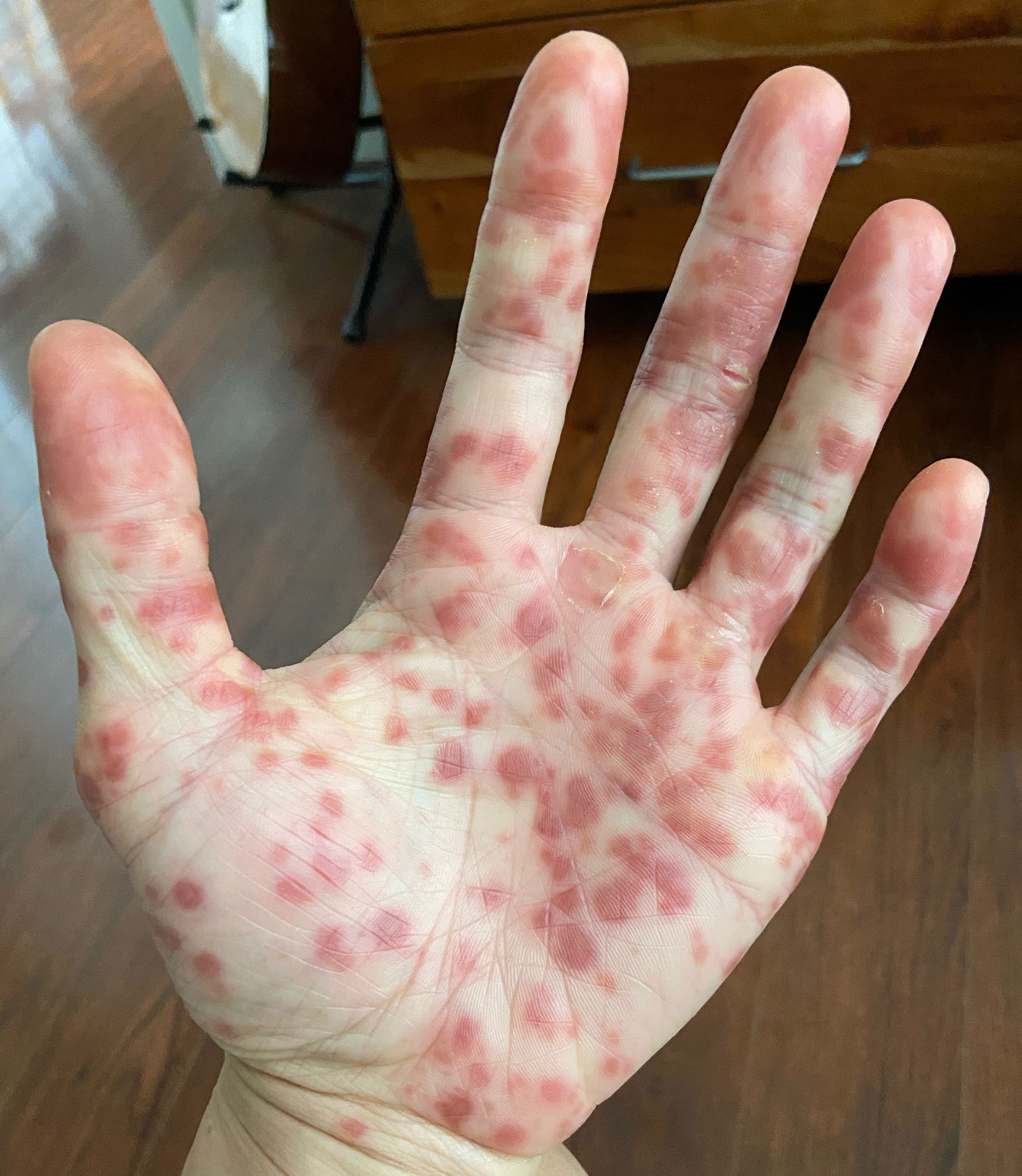
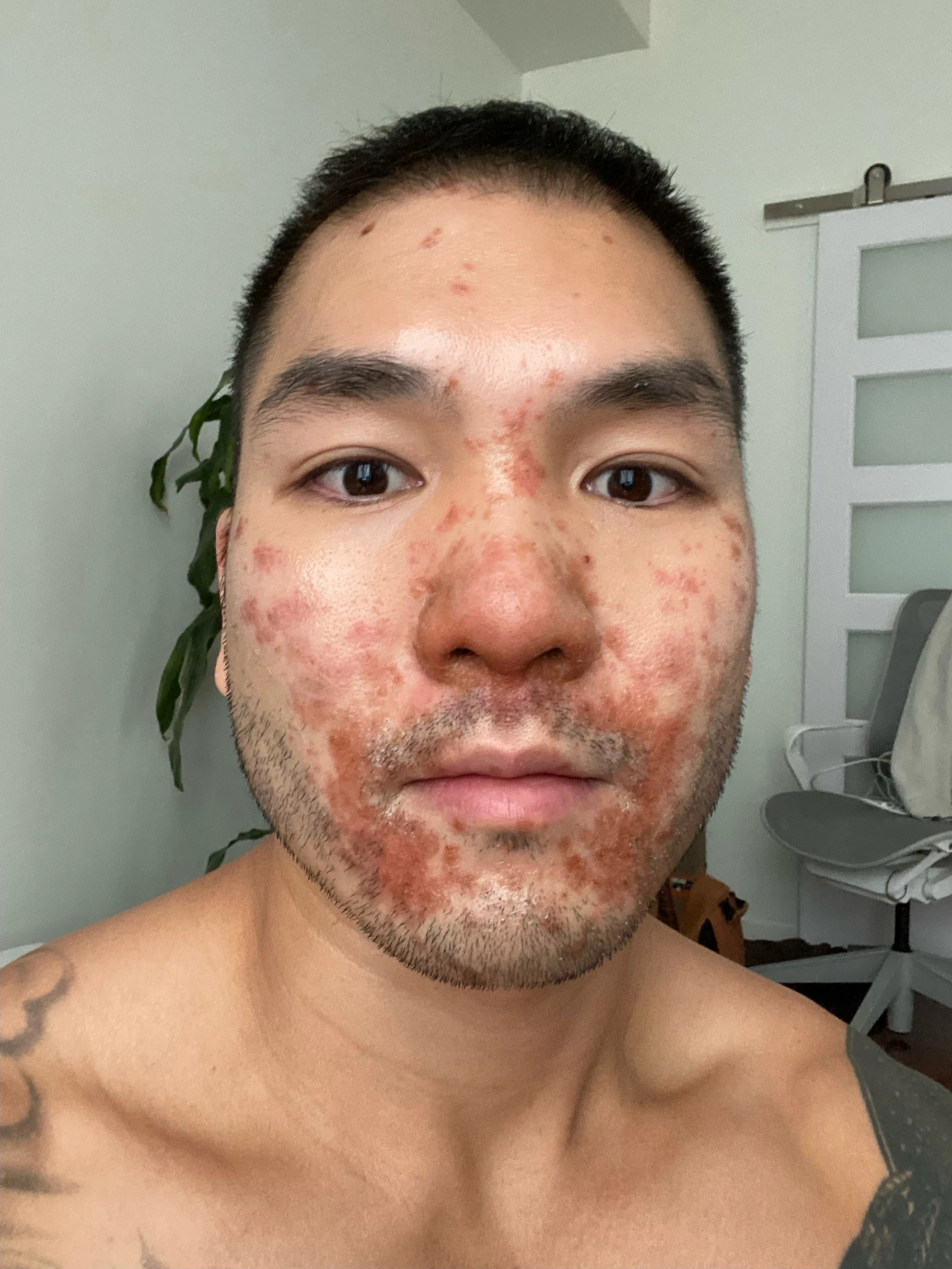
The symptoms of Monkeypox typically begin with a flu-like illness, including fever, headache, muscle aches, back pain, swollen lymph nodes, chills, and exhaustion. Within 1 to 3 days (sometimes longer) after the appearance of fever, a rash develops, often starting on the face and spreading to other parts of the body, including the palms of the hands and soles of the feet. The rash progresses through several stages—macules, papules, vesicles, pustules, and scabs—before eventually falling off. The illness usually lasts for 2 to 4 weeks.
Transmission primarily occurs through close, personal, often skin-to-skin contact with an infected person or animal, or with contaminated materials like bedding. This can include direct contact with the rash, scabs, or body fluids of a person with Monkeypox, or contact with respiratory secretions during prolonged face-to-face interactions. It can also spread through intimate physical contact, including sexual contact. While airborne transmission is possible with prolonged close contact, it is not considered the primary mode of spread in most situations. For travelers, understanding these transmission routes is key to practicing effective prevention.
Global Context and Current Situation
The global Monkeypox outbreak began to gain significant attention in early 2022, prompting a coordinated international public health response. While initially concentrated in specific communities, public health agencies worldwide quickly mobilized to track cases, implement surveillance, and educate the public. The World Health Organization (WHO) declared it a Public Health Emergency of International Concern (PHEIC) in July 2022, a designation that has since been lifted as cases declined globally.
As of the latest reports, the global incidence of Monkeypox (now officially referred to as mpox by the WHO) has significantly decreased from its peak. This decline is largely attributed to increased awareness, targeted vaccination campaigns, and the implementation of public health measures. However, the virus continues to circulate at low levels in various regions, and sporadic cases or small clusters can still occur. Travelers are advised to remain vigilant and consult the latest advisories from reputable health organizations, such as the WHO and the Centers for Disease Control and Prevention (CDC), before and during their travels.
The Landscape of Monkeypox in California
For those considering travel to California, understanding the specific situation within the state is crucial. California has been at the forefront of responding to public health challenges, and its approach to Monkeypox is no exception.
Confirmed Cases and Local Health Advisories
California has indeed reported confirmed cases of Monkeypox since the initial global outbreak. Like many other states and nations, it experienced a surge in cases during the peak of the outbreak in 2022. However, similar to the global trend, the number of new cases in California has significantly decreased.
The California Department of Public Health (CDPH) has been the primary agency responsible for monitoring the situation, issuing public health advisories, and coordinating response efforts across the state. These advisories typically provide up-to-date information on case counts, risk factors, prevention strategies, and vaccination eligibility. Travelers should check the official CDPH website for the most current and accurate information specific to California before their trip. These resources are invaluable for understanding the localized context of the disease.
Regions Affected and Public Health Response
While cases of Monkeypox have been reported across various counties in California, certain urban centers with high populations and significant travel hubs initially saw higher concentrations. For instance, Los Angeles County and San Francisco were among the areas that reported a notable number of cases during the peak. These regions, however, also implemented robust public health responses, including extensive testing, contact tracing, and vaccination programs aimed at controlling the spread.
The public health response in California has involved:
- Surveillance and Monitoring: Actively tracking cases and identifying potential clusters.
- Testing Capacity: Ensuring widespread access to diagnostic testing.
- Vaccination Programs: Making vaccines (e.g., JYNNEOS) available to eligible populations, particularly those at higher risk of exposure.
- Public Education: Disseminating accurate information on prevention, symptoms, and what to do if exposed.
- Healthcare Provider Training: Equipping medical professionals with the knowledge to diagnose and manage cases effectively.
These comprehensive efforts mean that while Monkeypox has been present in California, the state has established significant infrastructure and protocols to manage and mitigate its impact. For travelers, this proactive approach should offer a degree of reassurance that public health remains a priority.
Travel Safely: Precautions for Visitors to California
Traveling to California remains an incredible experience, and with a few sensible precautions, visitors can enjoy their trip while minimizing health risks. The goal is not to deter travel, but to empower travelers with practical advice for maintaining their health and safety.
Recommended Health Practices
For any traveler, irrespective of the destination, basic health practices are always advisable. When considering Monkeypox, specific emphasis should be placed on:
- Hygiene: Frequent handwashing with soap and water for at least 20 seconds, especially after being in public places, using public transport, or before eating. If soap and water are not available, use an alcohol-based hand sanitizer with at least 60% alcohol.
- Avoid Close Contact: Avoid skin-to-skin contact, including intimate contact, with people who have a rash that looks like Monkeypox. Also, avoid touching objects and fabrics (like bedding and towels) that a person with Monkeypox has used.
- Respiratory Etiquette: Cover coughs and sneezes with a tissue or your elbow, and dispose of tissues properly. While less common, respiratory droplets can transmit the virus during prolonged close contact.
- Be Aware of Your Surroundings: While not a reason for alarm, simply being aware of any unusual rashes or lesions on others can help inform your decisions about proximity.
These practices are not only effective against Monkeypox but also against many other common illnesses, contributing to overall well-being during your travels.
Vaccination Considerations for Travelers
Vaccination against Monkeypox (mpox) is a key preventive measure, particularly for individuals at higher risk of exposure. The JYNNEOS vaccine is approved for preventing Monkeypox and smallpox.
Travelers should consider the following:
- Eligibility: Check current vaccination guidelines from the CDC and the California Department of Public Health. Eligibility criteria often prioritize individuals who have had close contact with someone with Monkeypox, or those whose sexual behavior puts them at higher risk.
- Timing: If you are eligible and choose to be vaccinated, remember that it takes time for the vaccine to provide full protection (typically two doses given several weeks apart). Plan accordingly if vaccination is part of your travel preparation.
- Consult Your Doctor: Always speak with your healthcare provider about your travel plans and whether Monkeypox vaccination is recommended for you based on your individual risk factors and health history. They can provide personalized advice.
For most general tourists with no specific risk factors, routine Monkeypox vaccination may not be deemed necessary, but being informed allows for a proactive discussion with health professionals.
What to Do If You Feel Unwell While Traveling
Despite all precautions, it’s possible to fall ill while traveling. Knowing what to do can significantly ease stress and ensure timely medical attention.
If you develop symptoms consistent with Monkeypox (fever, headache, body aches, followed by a rash):
- Isolate Yourself: Limit contact with others to prevent potential spread.
- Seek Medical Attention: Contact a local healthcare provider or clinic in California immediately. Explain your symptoms and mention any potential exposures. You can often find local clinics or urgent care centers through online searches or by asking hotel staff.
- Inform Travel Companions: If applicable, inform those you have been traveling with so they can also monitor their health.
- Follow Public Health Guidance: Adhere to any instructions given by healthcare professionals or local public health authorities regarding testing, isolation, and treatment.
Most healthcare systems in California are well-equipped to handle infectious disease diagnoses and care. Having travel insurance that covers medical emergencies is always a wise investment.
Impact on Travel and Tourism in California
The presence of any infectious disease can naturally raise questions about its broader impact on travel and tourism. California’s tourism industry is robust and resilient, and while health concerns are taken seriously, the state remains a welcoming and safe destination.
Addressing Traveler Concerns and Misconceptions
It’s natural for travelers to have concerns, but it’s also important to address common misconceptions. Monkeypox is not as easily transmissible as airborne viruses like influenza or COVID-19. It primarily requires close, sustained physical contact. This means that engaging in typical tourist activities—visiting attractions, dining out, exploring natural parks—carries a very low risk of Monkeypox transmission, provided basic hygiene and common-sense precautions are followed.
The narrative around public health crises can sometimes lead to undue panic or avoidance. However, informed travelers understand that responsible agencies like the California Department of Public Health are actively managing the situation. The goal is to provide accurate information, not to generate fear, and to ensure that people can still safely enjoy what California has to offer.

California’s Continued Appeal and Safety Measures in Place
Despite the challenges posed by various health issues over time, California continues to be one of the world’s most sought-after travel destinations. Its appeal lies in its unparalleled diversity, from the pristine beaches of San Diego to the majestic redwoods of the north, the iconic landmarks of Los Angeles and San Francisco, and the serene beauty of Yosemite National Park.
The state’s commitment to public health ensures that visitors can experience these wonders with confidence. Tourism operators, hotels, attractions, and local businesses in California often adhere to or exceed recommended health guidelines, contributing to a safer environment for everyone. These measures, combined with individual traveler precautions, create a responsible framework for enjoying all the state has to offer. The state’s vibrant cultural scene, culinary excellence, and outdoor adventures remain fully accessible and ready to welcome visitors.
In conclusion, the answer to “Is Monkeypox in California?” is yes, it has been, and like many other places, the state continues to monitor for sporadic cases. However, the situation is well-managed, with robust public health infrastructure and declining case numbers. For travelers, this means that while vigilance and awareness are always important, fear should not overshadow the opportunity to explore one of the world’s most incredible travel destinations. By staying informed, practicing good hygiene, and consulting health professionals when necessary, you can ensure your trip to California is both memorable and safe.
LifeOutOfTheBox is a participant in the Amazon Services LLC Associates Program, an affiliate advertising program designed to provide a means for sites to earn advertising fees by advertising and linking to Amazon.com. Amazon, the Amazon logo, AmazonSupply, and the AmazonSupply logo are trademarks of Amazon.com, Inc. or its affiliates. As an Amazon Associate we earn affiliate commissions from qualifying purchases.