
For tourists planning a visit to the Golden State, understanding local regulations is paramount to ensure a smooth, enjoyable, and lawful experience. The question “Are mushrooms legal in California?” often arises, carrying with it a nuanced answer that depends heavily on the type of mushroom in question. While culinary mushrooms are a celebrated part of California’s gastronomic scene, the legal status of psychedelic mushrooms, particularly those containing psilocybin, is far more intricate and demands careful consideration from any visitor. This guide aims to demystify the fungi landscape in California from a tourism perspective, providing insights into what is permissible, what is not, and the critical information you need to know.
Navigating the Fungi Landscape: A Tourist’s Guide to Mushrooms in California
California is a state of incredible biodiversity, and its varied ecosystems are home to an astonishing array of fungi. For visitors, distinguishing between the different categories of mushrooms is the first step in understanding their legal standing and potential role in your travel itinerary.
Culinary Delights: Edible Mushrooms and Their Widespread Legality
The vast majority of mushrooms encountered and consumed by the public fall into the edible category. From the ubiquitous button mushroom to exotic shiitake, oyster, and portobello varieties, these fungi are a staple in kitchens and restaurants across California and are entirely legal to purchase, possess, and consume. California’s rich agricultural landscape and vibrant food culture mean that fresh, gourmet mushrooms are readily available at farmers’ markets, grocery stores, and specialty food shops throughout the state. Many renowned restaurants incorporate local mushroom varieties into their menus, offering exquisite culinary experiences.
For those interested in a more hands-on approach, foraging for wild edible mushrooms is a popular activity, especially during the wetter seasons. However, it’s crucial to exercise extreme caution and expertise when foraging. Many toxic mushrooms closely resemble edible ones, and misidentification can lead to severe illness or even death. Tourists interested in foraging should only do so with an experienced local guide or as part of an organized tour designed to identify safe, legal, and delicious varieties. Popular edible wild mushrooms in California include Morels, Chanterelles, and Porcinis. These are an integral part of California’s natural bounty and pose no legal concern for tourists enjoying them responsibly.
The Complexities of Psilocybin: Understanding “Magic Mushrooms”
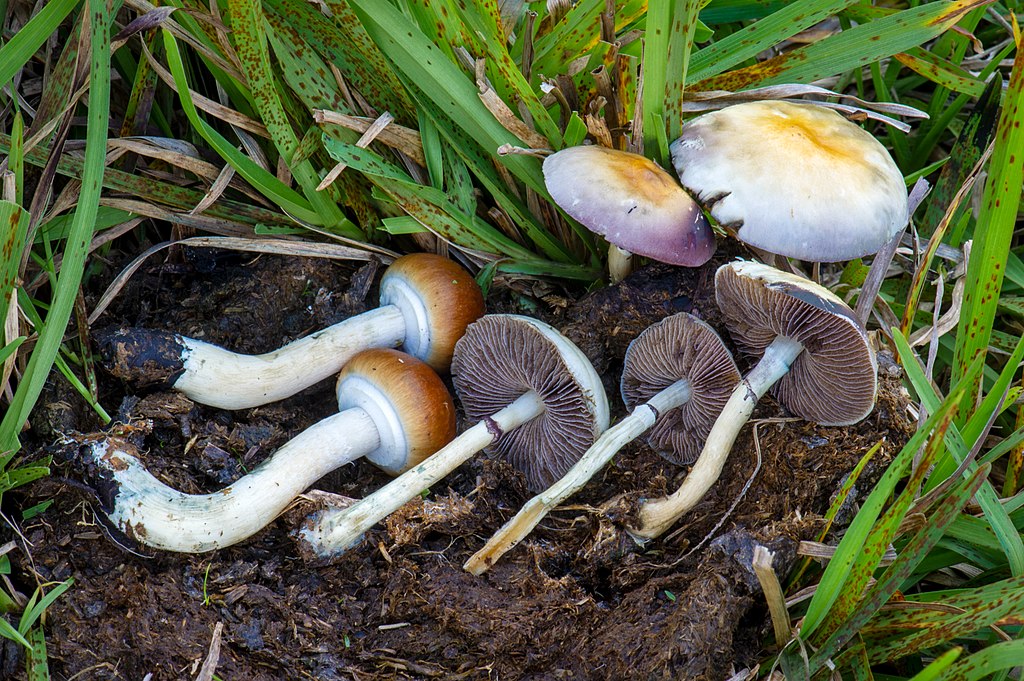
The question of legality usually pertains to “magic mushrooms,” which contain psychoactive compounds like psilocybin and psilocin. Unlike edible mushrooms, psilocybin mushrooms are classified as Schedule I controlled substances under federal law in the United States. This federal classification means they are considered to have a high potential for abuse and no currently accepted medical use, making their cultivation, possession, and distribution illegal nationwide. Despite this federal prohibition, various states and local jurisdictions have begun to re-evaluate their stance, leading to a complex and often confusing legal patchwork. California is at the forefront of this evolving conversation, introducing specific local ordinances and proposing state-level legislative changes that aim to decriminalize or even legalize certain psychedelic substances. For a tourist, this creates a situation where what might be tolerated in one city could still lead to legal consequences in another.
California’s Decriminalization Movement: What It Means for Visitors
The legal landscape surrounding psychedelic mushrooms in California is dynamic, marked by a growing movement towards decriminalization. This movement reflects a broader societal shift in understanding these substances, moving away from a punitive approach towards one focused on public health and harm reduction.
Local Ordinances: Oakland, Santa Cruz, and Beyond
Several cities within California have taken significant steps to decriminalize psychedelic mushrooms, alongside other naturally occurring entheogens. The cities of Oakland and Santa Cruz were among the first in the United States to pass resolutions effectively deprioritizing the arrest and prosecution of individuals for the personal possession, use, and cultivation of psilocybin mushrooms. This means that while these substances technically remain illegal under federal and state law, local law enforcement in these specific jurisdictions is directed to treat related offenses as among the lowest priorities.
It is absolutely crucial for tourists to understand the distinction between “decriminalization” and “legalization.” Decriminalization does not mean these substances are legal. It primarily alters law enforcement’s approach to personal possession, reducing penalties to minor infractions (like a fine) or eliminating them altogether, rather than pursuing felony charges. However, the sale, distribution, or commercial production of psilocybin mushrooms remains illegal even in decriminalized cities. Moreover, these local ordinances do not override federal law, meaning federal agencies could still intervene. Tourists should be aware that venturing outside these specific city limits, or engaging in activities beyond personal possession, could still lead to severe legal repercussions. Relying on the assumption of statewide legality based on a few city ordinances is a perilous misconception.
State-Level Initiatives and the Road Ahead
Beyond local efforts, there have been ongoing attempts to change state-level laws regarding psychedelic substances in California. For instance, Senate Bill 58 (SB 58), introduced in 2023, sought to decriminalize the personal possession and facilitated use of certain natural psychedelics, including psilocybin, statewide. While such legislative efforts indicate a clear trend and growing support for reform, as of the current date, statewide legalization or broad decriminalization of psilocybin for recreational use has not been fully enacted in California. The legislative process is complex and often subject to changes, referendums, and varying political wills.
For tourists, this means that while the conversation is evolving, the default legal status for psilocybin mushrooms throughout most of California remains illegal. Relying on future legislative changes or the “spirit” of the movement rather than current law is a significant risk. Staying informed about the latest legal developments from official sources is vital for anyone considering interactions with these substances during their visit.

Practical Considerations for Tourists Visiting California
Given the intricate legal framework surrounding mushrooms in California, tourists must exercise prudence and make informed decisions. Your safety, legal standing, and overall travel experience depend on understanding these nuances.
Risks and Responsibilities
The primary risk for tourists engaging with psilocybin mushrooms in California is legal exposure. Despite local decriminalization efforts, federal law still classifies these substances as illegal. This means that at federal checkpoints (e.g., airports, national parks like Yosemite National Park or Redwood National Park), or if federal law enforcement becomes involved, you could face significant penalties. Even within decriminalized cities, local police retain discretion, and engaging in public use, large-scale possession, or any form of distribution can still lead to arrest and prosecution. Foreign visitors, in particular, should be acutely aware that drug-related offenses, even minor ones, can have severe implications for their visa status, future travel to the United States, and international criminal records.
Beyond legal concerns, there are significant health and safety risks. The potency of psilocybin mushrooms can vary widely, and dosage errors can lead to overwhelming and distressing experiences. Sourcing mushrooms from unregulated markets also carries the risk of contamination, misidentification (leading to consumption of toxic fungi), or adulteration with other dangerous substances. Without professional guidance and a safe, controlled environment, the use of psychedelics can be psychologically challenging.
Where to Find Reliable Information
For the most accurate and up-to-date information on the legal status of mushrooms in California, tourists should always consult official government websites and reputable legal resources. Websites for the California Attorney General’s office, the California Legislative Information site, and the official municipal sites for cities like Oakland or Santa Cruz are the most reliable sources for current laws and ordinances. Avoid relying solely on social media, forums, or anecdotal advice, which can often be outdated, misinformed, or biased. If in doubt, seeking advice from a legal professional specializing in drug law in California is the safest approach.
Ethical Tourism and Respecting Local Laws
As responsible tourists, it is imperative to respect the laws and cultural norms of the places you visit. While California is known for its progressive spirit, this does not equate to carte blanche for all activities. Focusing on legal and enriching experiences allows you to fully appreciate the state’s offerings without risking legal trouble or compromising your well-being. By adhering to local regulations, visitors contribute positively to the tourism ecosystem and avoid creating unnecessary burdens for local communities and law enforcement.
Beyond the Legalities: Experiencing California’s Natural Beauty Legally
For those fascinated by fungi or seeking profound experiences, California offers numerous legal and safe avenues to explore its natural beauty and diverse ecosystem.
Foraging for Edibles and Mushroom Festivals
Instead of navigating legal gray areas, tourists can immerse themselves in the rich world of legal, edible mushrooms. Many organizations and private guides offer guided foraging tours, particularly in areas like Mendocino County, where the forests are teeming with diverse fungal life. These tours provide an educational and safe way to learn about mushroom identification, ecological roles, and sustainable harvesting practices. Furthermore, various regions in California host annual mushroom festivals, such as the Mendocino Mushroom, Wine & Beer Festival. These events celebrate local fungi with culinary tastings, expert talks, guided walks, and family-friendly activities, offering a legal and delightful way to engage with the mushroom world. These experiences are not only safe and legal but also deeply enriching, connecting visitors with California’s natural heritage.
California’s Diverse Offerings for Mindful Exploration
California is a treasure trove of natural wonders that can provide awe-inspiring, mind-expanding experiences without resorting to controlled substances. The state boasts an unparalleled collection of national parks and wilderness areas, from the towering sequoias of Redwood National Park to the majestic granite formations of Yosemite National Park, and the serene deserts of Joshua Tree. Hiking, camping, stargazing, or simply meditating amidst these breathtaking landscapes can offer profound moments of introspection and connection with nature, which many seek through other means.
Additionally, California is a global hub for wellness and holistic practices. Visitors can find numerous retreats offering meditation, yoga, sound baths, mindfulness workshops, and other spiritual or therapeutic practices designed to foster well-being and altered states of consciousness through entirely legal and guided means. Engaging in these activities not only supports local businesses but also provides a safe and culturally integrated path to personal growth and transformative experiences during your travels.
In conclusion, while edible mushrooms are a beloved and legal part of California’s identity, the legal status of psychedelic mushrooms remains complex and largely restricted. Tourists are advised to prioritize legal, safe, and responsible engagement with all aspects of their visit to California, ensuring a memorable trip free from legal entanglements.
LifeOutOfTheBox is a participant in the Amazon Services LLC Associates Program, an affiliate advertising program designed to provide a means for sites to earn advertising fees by advertising and linking to Amazon.com. Amazon, the Amazon logo, AmazonSupply, and the AmazonSupply logo are trademarks of Amazon.com, Inc. or its affiliates. As an Amazon Associate we earn affiliate commissions from qualifying purchases.