
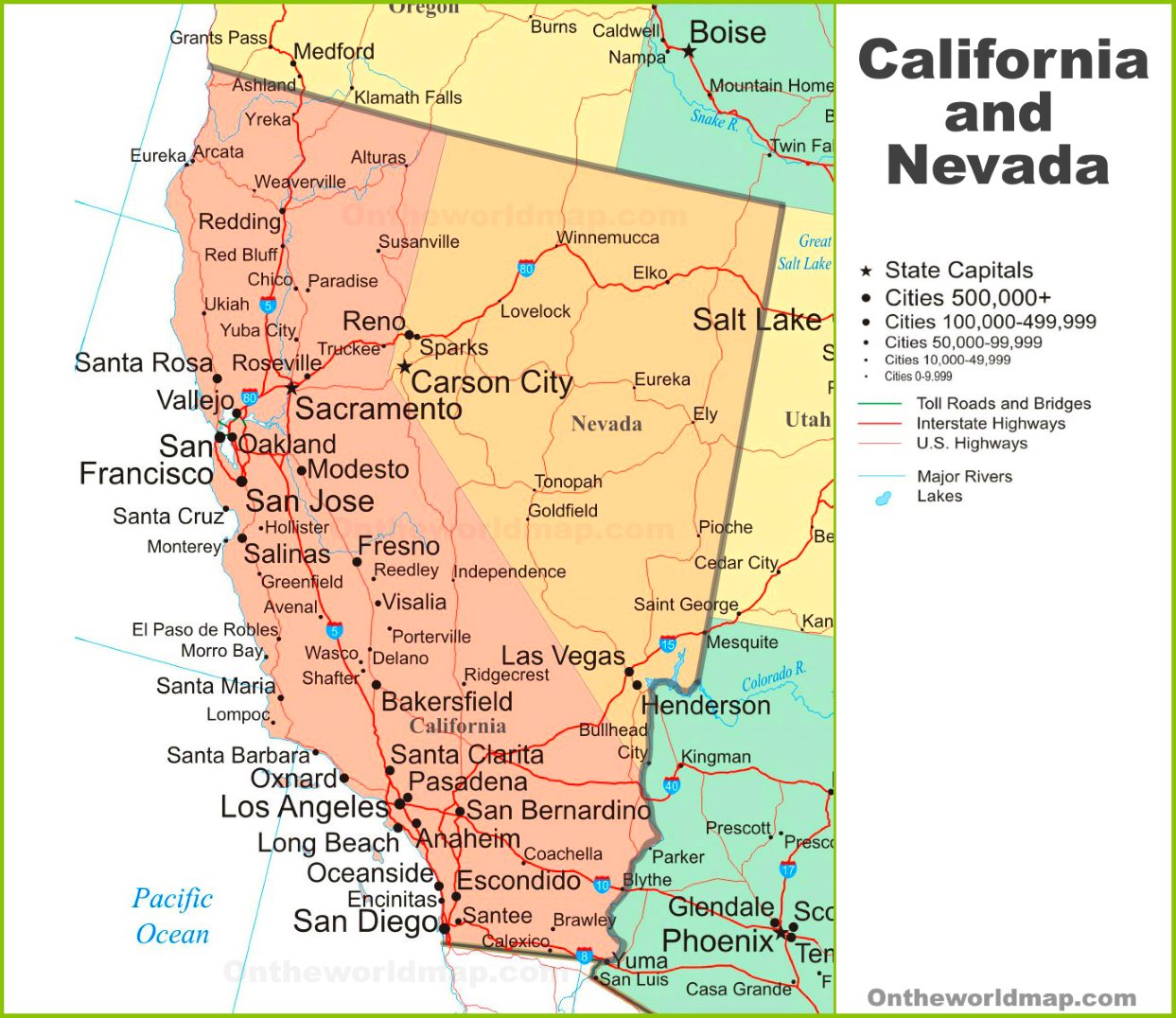
The question “Is Nevada in California?” is a common one that underscores a fascinating aspect of United States geography and travel. While both states share a substantial border and often appear together in Western US travel itineraries, the definitive answer is no: Nevada and California are two entirely distinct and sovereign states within the United States of America. This geographical clarity is the starting point for exploring the unique travel experiences each offers, as well as how they complement each other for an unforgettable Western adventure.
Understanding their individual identities is crucial for any traveler planning a trip to this vibrant region. Far from being a mere subsection of its larger neighbor, Nevada boasts a rich history, diverse landscapes, and a culture all its own, distinct from the iconic beaches, mountains, and metropolitan hubs of California. This article will delve into the geographical separation, highlight the unique travel attractions and experiences each state presents, and provide insights into how to navigate and appreciate the distinct charms of both.

Dispelling the Geographical Myth: Two Distinct States
The persistent query about Nevada’s location relative to California often stems from their physical proximity and the popularity of destinations that straddle their shared border, such as Lake Tahoe. However, it’s essential to recognize them as separate political and geographical entities, each with its own capital, governance, and identity.
The Western United States Landscape
The Western United States is a region of immense diversity, characterized by vast deserts, towering mountain ranges, extensive coastlines, and bustling urban centers. Within this expansive area, California and Nevada are key players, each contributing significantly to the region’s overall allure. California, often called the “Golden State,” is the third-largest state by area and the most populous, known for its extensive Pacific coastline, agricultural valleys, and diverse metropolises. Nevada, or the “Silver State,” is the seventh-largest and less populous, defined by its arid climate, dramatic desert landscapes, and the vibrant lights of its entertainment cities.
The perception of Nevada being “in” California might arise from how travel routes often connect major hubs in both states. For instance, many travelers visiting Las Vegas, Nevada, might fly into Los Angeles International Airport in California before driving eastward, or combine a trip to Yosemite National Park with a visit to the Nevada side of Lake Tahoe. These travel patterns, while convenient, reinforce a casual association rather than a geographical reality.
Borders, Boundaries, and Shared Geography
The border between California and Nevada stretches for approximately 450 miles, running predominantly north to south. This boundary is not merely a line on a map but marks a transition between distinct ecological zones, economic focuses, and cultural flavors. While a significant portion of this border runs through desolate desert terrain, key points of interaction and shared natural beauty exist.
Perhaps the most famous shared geographical feature is Lake Tahoe, a stunning freshwater lake in the Sierra Nevada mountain range. Approximately two-thirds of the lake lies within California, while the eastern third is in Nevada. This shared natural wonder is a prime example of how the states interact, offering visitors diverse experiences depending on which side of the border they explore—from the bustling casinos of Stateline, Nevada, to the serene state parks of California. Other shared elements include portions of the Mojave Desert and the Sierra Nevada Mountains, which dictate much of the climate and available outdoor activities in both regions.
The Unique Allure of California: Golden State Adventures
California is a travel powerhouse, a state so diverse it often feels like multiple countries rolled into one. Its appeal lies in its staggering variety of landscapes, cultural vibrancy, and a seemingly endless list of attractions.
Iconic Cities and Coastal Wonders
California is home to some of the world’s most famous cities. Los Angeles, the entertainment capital, beckons with its Hollywood glamor, diverse neighborhoods like Beverly Hills, and renowned museums such as the Getty Center. Further north, San Francisco charms with its Victorian architecture, cable cars, the majestic Golden Gate Bridge, and the historic Alcatraz Island. San Diego offers a laid-back vibe, beautiful beaches, and the world-famous San Diego Zoo.
Beyond the cities, California’s coastline is legendary. The Pacific Coast Highway (Highway 1) is one of the most scenic drives globally, winding past dramatic cliffs, pristine beaches, and charming towns like Big Sur and Carmel-by-the-Sea. Surfing, whale watching, and simply soaking in the ocean views are quintessential California experiences.
Natural Paradises
For nature enthusiasts, California offers an unparalleled array of national parks and wilderness areas. Yosemite National Park is a crown jewel, famous for its towering granite cliffs like El Capitan, spectacular waterfalls such as Yosemite Falls, and ancient sequoia groves. Death Valley National Park, sharing parts with Nevada, presents a starkly beautiful desert landscape, holding the record for the lowest point in North America.
The Sierra Nevada mountains provide endless opportunities for hiking, skiing, and mountaineering, with Lake Tahoe serving as a year-round outdoor playground. Further north, Redwood National and State Parks showcase the world’s tallest trees, offering a truly humbling experience.
Cultural Tapestry and Culinary Delights
California’s cultural landscape is as varied as its geography, influenced by its history as a melting pot of global cultures. From the Spanish colonial missions to the vibrant arts scenes of Oakland and the innovative tech hub of Silicon Valley, there’s a dynamic blend of traditions and forward-thinking innovation. The state is also a global leader in culinary trends, famous for its farm-to-table movement, diverse ethnic cuisines, and world-class wine regions like Napa Valley and Sonoma County, offering exquisite tasting experiences amidst picturesque vineyards.
Nevada’s Dazzling Diversity: Beyond the Glitz
While Nevada is often synonymous with Las Vegas, the “Silver State” offers a rich tapestry of experiences far beyond its glittering casinos and entertainment venues. Its vast, open spaces, unique natural formations, and historical sites provide a compelling contrast to its urban centers.
The Entertainment Capital: Las Vegas and its Surroundings
Las Vegas truly lives up to its moniker as the “Entertainment Capital of the World.” The Las Vegas Strip is an iconic stretch lined with extravagant resorts like the Bellagio, the Venetian Resort, and Caesars Palace, each offering unique themes, world-class dining, spectacular shows, and bustling casinos. Beyond gambling, visitors can enjoy Cirque du Soleil performances, celebrity chef restaurants, luxurious spas, and vibrant nightlife.
However, the Las Vegas experience extends beyond the Strip. Downtown Las Vegas offers a more historic and eclectic vibe with the Fremont Street Experience and vibrant arts district. Furthermore, the city serves as an excellent base for day trips to stunning natural attractions within a short drive.
Outdoor Escapes
Despite its desert climate, Nevada is a haven for outdoor adventurers. Just a short drive west of Las Vegas, Red Rock Canyon National Conservation Area offers breathtaking crimson peaks, ideal for hiking, rock climbing, and scenic drives. To the east, Valley of Fire State Park mesmerizes with its Aztec sandstone outcrops that appear to glow in the sunlight, along with ancient petroglyphs.
Further north, the Nevada side of Lake Tahoe provides access to pristine beaches, ski resorts like Heavenly Mountain Resort, and numerous trails for hiking and mountain biking, especially around Incline Village and Zephyr Cove. Other notable natural attractions include the vast Great Basin National Park in eastern Nevada, home to the ancient Lehman Caves and Wheeler Peak, offering diverse ecosystems from sagebrush desert to alpine tundra.
Historical Riches and Ghost Towns
Beyond the modern allure, Nevada has a rich history rooted in the mining boom of the 19th century. Virginia City, a National Historic Landmark, transports visitors back to the Comstock Lode era, with its preserved saloons, mines, and historic buildings. It’s a living museum of the Old West.
Numerous ghost towns dot the Nevada landscape, such as Rhyolite near Beatty, offering eerie glimpses into abandoned mining communities. The state’s capital, Carson City, while smaller than Reno, also offers historical sites, including the Nevada State Museum and charming Victorian homes. These historical sites provide a stark contrast to the neon glow of Las Vegas, showcasing another facet of Nevada’s diverse appeal.
Planning Your Western US Travel Itinerary: States Apart, Experiences Combined
While Nevada and California are distinct, their proximity makes combining them into a single, comprehensive travel itinerary highly appealing. This allows travelers to experience the best of both worlds, from the glitz and glamour to the serene wilderness and bustling city life.
Bridging the Divide: Popular Routes and Road Trips
Many popular road trip itineraries naturally flow between these two states. A classic example is the route from Los Angeles or San Francisco to Las Vegas. Travelers can explore California’s coastal gems before heading inland through the Mojave Desert to reach Nevada’s entertainment hub. Another popular option involves combining Yosemite National Park with Lake Tahoe, allowing visitors to transition from the majestic peaks of the Sierra Nevada on the California side to the lakeside resorts and activities offered on the Nevada shore.
The “Extraterrestrial Highway” (Route 375) in Nevada can be an adventurous detour for those driving from southern California eastward, leading to unique desert landscapes and quirky roadside attractions. For those seeking historical context, a journey from California’s gold rush towns to Nevada’s Virginia City offers a compelling narrative of the Old West.
Tailoring Your Adventure: From Urban Exploration to Wilderness Retreats
The key to a successful multi-state trip is tailoring it to your interests. If you’re drawn to vibrant city life and entertainment, dedicate ample time to Las Vegas, Los Angeles, and San Francisco. For outdoor enthusiasts, prioritize national parks like Yosemite, Death Valley, and Red Rock Canyon, interspersed with stays in picturesque towns. A balance of both can provide a dynamic and enriching experience. Consider starting in one major city, exploring its surrounding attractions, then making a scenic drive to the next state to immerse yourself in its distinct offerings.

Seasonal Considerations for Optimal Travel
The vast geographical differences between California and Nevada mean that seasonal timing is crucial. Summers in Nevada’s desert regions, including Las Vegas and Death Valley, can be intensely hot, making spring and fall ideal for desert exploration. Conversely, California’s coastal areas enjoy mild temperatures year-round, though summer can bring crowds. The Sierra Nevada mountains, including Lake Tahoe and Yosemite, offer stunning winter sports opportunities but can have road closures due to snow, while summer and early fall are perfect for hiking. Planning your trip with these seasonal variations in mind will ensure you experience each destination at its best.
In conclusion, while the question “Is Nevada in California?” is easily answered with a firm “no,” the shared border and complementary travel experiences offered by these two magnificent states make them a fantastic pairing for any traveler looking to explore the diverse wonders of the Western United States. Each state stands proudly on its own, yet together, they form a travel destination greater than the sum of its parts.
LifeOutOfTheBox is a participant in the Amazon Services LLC Associates Program, an affiliate advertising program designed to provide a means for sites to earn advertising fees by advertising and linking to Amazon.com. Amazon, the Amazon logo, AmazonSupply, and the AmazonSupply logo are trademarks of Amazon.com, Inc. or its affiliates. As an Amazon Associate we earn affiliate commissions from qualifying purchases.