
Maintaining a lush, healthy lawn in Colorado is more than just a chore; it’s an integral part of the vibrant outdoor lifestyle that residents cherish. With its stunning natural beauty and a climate that encourages outdoor living, a pristine lawn enhances property aesthetics, contributes to a welcoming home environment, and provides a perfect setting for enjoying the Colorado sunshine. However, the unique environmental conditions of the Centennial State present specific challenges for turf health. Among the most effective solutions for overcoming these hurdles is lawn aeration, a practice often overlooked but crucial for cultivating a resilient and verdant yard. Understanding when and how to properly aerate your lawn in Colorado can make all the difference, transforming a struggling patch of grass into a thriving green oasis that truly complements the Colorado way of life.
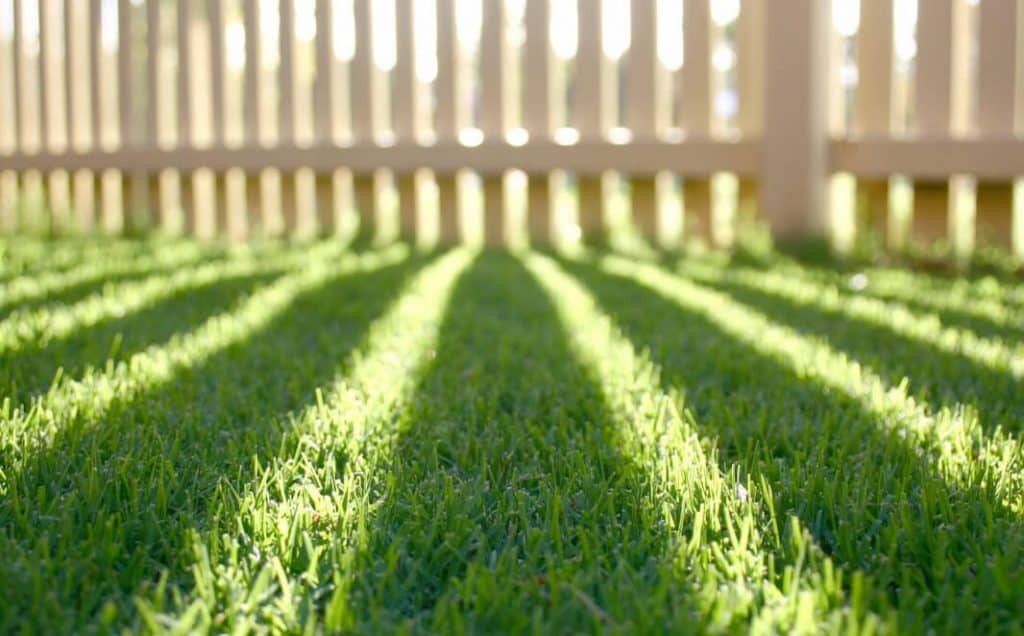
Understanding the Colorado Lawn Landscape
The diverse topography and climate of Colorado create a complex environment for cultivating healthy lawns. From the high plains of the Front Range to the arid Western Slope and the cooler mountain valleys, each region presents its own set of challenges. Addressing these specific conditions is fundamental to successful lawn care, with aeration playing a pivotal role.
Unique Challenges for Colorado Lawns
Colorado lawns face an array of environmental pressures that differentiate them from lawns in other parts of the country. High altitude often means intense UV radiation, which can stress grass. The semi-arid climate, particularly noticeable in areas like Denver and Colorado Springs, leads to lower humidity and significant evaporation, requiring careful water management. Perhaps the most significant challenge, however, comes from the soil itself. Colorado soils are frequently characterized by a high clay content, especially in the Front Range urban corridor. This heavy clay, combined with the often-calcareous nature of the soil, makes it prone to compaction. Additionally, the fluctuating temperatures, including late spring freezes and early fall snows, further test the resilience of turfgrasses. These factors collectively contribute to stressed lawns that struggle to absorb nutrients and water efficiently, making practices like aeration not just beneficial, but often essential.
The Role of Soil Compaction
Soil compaction is the archenemy of a healthy lawn, and it’s particularly prevalent in Colorado. When soil particles are pressed together, reducing the pore space between them, the roots of your grass suffer. This compaction can result from various factors: heavy foot traffic, lawn equipment, construction activities, or even simply the natural settling of heavy clay soils. The consequences are severe: roots struggle to penetrate the dense soil, oxygen exchange is stifled, and water and nutrients have difficulty infiltrating the root zone. Instead of soaking into the soil, water tends to run off, leading to wasteful irrigation and nutrient leaching. Grass grown in compacted soil often appears thin, discolored, and more susceptible to disease and pest infestations. For the homeowner striving for that picture-perfect Colorado lawn, mitigating soil compaction through regular aeration is a critical step towards achieving vibrant, robust turf.
The Science and Benefits of Lawn Aeration
Lawn aeration, at its core, is a mechanical process designed to alleviate soil compaction and improve overall turf health. Understanding the science behind this practice illuminates why it’s such a powerful tool in a Colorado lawn care regimen.
What is Aeration and Why It Matters
Aeration involves making small holes or removing plugs of soil from your lawn. The most common and effective method for Colorado homeowners is “core aeration,” which uses a machine to pull out small soil cores (typically 2-3 inches deep and 0.5 inches in diameter). These cores are left on the lawn to break down, returning valuable organic matter to the surface. This process directly addresses the issue of soil compaction by creating channels that allow air, water, and nutrients to penetrate deeper into the soil profile. For lawns grappling with the dense clay soils and dry conditions typical of Colorado, aeration is not merely a cosmetic fix; it’s a fundamental intervention that rejuvenates the entire root system and vastly improves the soil environment. Without proper aeration, even the most diligent watering and fertilizing efforts can be significantly hampered, as the vital resources simply cannot reach where they are needed most.
Enhancing Nutrient and Water Absorption
One of the primary benefits of aeration, especially crucial in water-conscious Colorado, is the dramatic improvement in nutrient and water absorption. When soil is compacted, water often pools on the surface or runs off, leading to inefficient irrigation. Similarly, fertilizers remain at the surface, unable to reach the grass roots. By creating thousands of small pathways, aeration allows water to infiltrate deeply and evenly into the soil. This means less water is wasted, and your lawn receives the hydration it needs more effectively. Furthermore, nutrients from fertilizers and organic matter can penetrate the root zone, where they are readily available for uptake. This enhanced absorption translates to a greener, healthier lawn that requires less water and fewer inputs, aligning perfectly with sustainable living practices increasingly valued in Colorado communities like Boulder and Fort Collins.
Promoting Stronger Root Growth
The ultimate goal of any lawn care strategy is to foster a robust and resilient root system. Aeration directly contributes to this by providing a less restrictive environment for roots to grow. In compacted soil, roots are forced to spread horizontally in a shallow layer, making the grass more susceptible to drought stress, heat damage, and disease. The channels created by aeration invite roots to grow deeper, seeking out water and nutrients from a larger volume of soil. A deep, extensive root system anchors the grass more firmly, increases its tolerance to environmental stresses, and allows it to recover more quickly from wear and tear. For a lawn that can withstand the unpredictable Colorado weather patterns, from scorching summer days to sudden freezes, encouraging deep root growth through aeration is an indispensable practice.
Optimal Timing for Aeration in Colorado’s Diverse Climates
Timing is paramount when it comes to aeration, especially in a state with such varied elevations and microclimates as Colorado. Aerating at the wrong time can potentially stress your lawn, while performing it at the optimal moment maximizes its benefits.
Spring Aeration: Pros and Cons
Spring aeration is an option, typically performed in April or early May, once the danger of hard freezes has passed and the grass has begun its active growth phase. The main advantage of spring aeration is that it helps the lawn recover from winter dormancy and prepares it to better withstand the summer heat and drought. It improves water infiltration just as the growing season is picking up, allowing new roots to establish more easily. However, there are potential downsides. Aerating in spring can sometimes disrupt pre-emergent herbicide barriers applied to prevent crabgrass and other weeds, potentially leading to increased weed germination. It also occurs when many cool-season grasses are actively growing, and the stress of aeration could temporarily set back their development. For these reasons, while spring aeration can be beneficial, it’s often considered a secondary window compared to the fall.
Fall Aeration: The Preferred Window
For most Colorado lawns, particularly those composed of cool-season grasses like Kentucky Bluegrass (the most common turfgrass in the state), fall is overwhelmingly the preferred time for aeration. This window typically spans from late August through October, depending on your specific elevation and the onset of colder temperatures. The benefits of fall aeration are numerous:
- Active Growth: Cool-season grasses are entering their most vigorous growth period in the fall, allowing them to quickly recover from the aeration process.
- Weed Suppression: Most undesirable weeds are going dormant, so the disruption of the soil is less likely to trigger a new flush of weed growth.
- Pre-Winter Preparation: Aerating in the fall helps roots get a final boost of nutrients and water before winter dormancy, making them more resilient to freezing temperatures and snow cover.
- Improved Spring Growth: The aeration channels remain open over winter, preparing the soil to readily accept spring rain and nutrients, leading to a stronger start to the next growing season.
This timing is particularly beneficial for the clay-heavy soils of the Front Range, as it allows ample time for turf recovery before the deep freeze.
Adapting to Colorado’s Microclimates
Colorado’s vast geographic diversity, from the plains to the Rocky Mountains, means that “optimal timing” can vary significantly.
- Front Range (e.g., Denver, Boulder, Fort Collins): Late August to early October is typically ideal. The growing season extends later than in higher elevations, providing a longer recovery window.
- Western Slope (e.g., Grand Junction): Often similar to the Front Range due to comparable growing seasons, though specific local conditions should always be considered.
- Mountain Communities (Higher Elevations): The growing season is shorter, so aeration may need to occur earlier in the fall (late August to mid-September) to allow for sufficient recovery before consistent freezing temperatures set in.
Always observe your local weather patterns and the specific health of your lawn. The goal is to aerate when the grass is actively growing and can quickly heal and fill in the aeration holes.
Practical Steps for Effective Lawn Aeration
Once you’ve determined the best timing for aeration in your part of Colorado, the next step is to execute the process effectively. Proper preparation and follow-up care are crucial for maximizing the benefits.
Choosing the Right Aerator
There are generally two types of aerators available to homeowners:
- Spike Aerators: These machines simply push holes into the soil. While they are easier to use and less expensive, they can actually increase compaction around the edges of the holes in clay soils, making them less effective for typical Colorado conditions.
- Core Aerators (Plug Aerators): These are the most recommended type for Colorado lawns. They remove small plugs of soil, effectively relieving compaction. You can rent gas-powered core aerators from most home improvement stores or equipment rental centers. While more effort is involved, the results are significantly superior.
When choosing a rental machine, ensure it is in good working condition and that the tines are sharp for clean soil removal. Consider hiring a professional service if you have a large lawn or prefer to avoid the physical labor.
Preparation and Post-Aeration Care
Proper preparation sets the stage for a successful aeration, and follow-up care locks in the benefits.
- Water the Lawn: A day or two before aerating, thoroughly water your lawn. Slightly moist soil allows the aerator tines to penetrate more easily and extract clean plugs. Avoid aerating overly dry or waterlogged soil.
- Mark Obstacles: Clearly mark sprinkler heads, shallow utility lines, and other obstacles to prevent damage during aeration.
- Mow the Lawn: Mow your lawn to its regular height before aerating. This makes it easier for the aerator to operate and ensures better soil penetration.
- Aerate Systematically: Make one or two passes over the entire lawn, ensuring consistent coverage. For heavily compacted areas or high-traffic zones, consider making additional passes.
- Leave the Cores: Do not remove the soil plugs. They contain valuable microorganisms and nutrients. Allow them to break down naturally (usually within a week or two), returning organic matter to the soil surface.
- Water and Fertilize: Immediately after aeration, water your lawn thoroughly to help settle the soil and open the new channels. This is also an ideal time to overseed with new grass seed (especially for thinning areas) and apply a fall fertilizer. The newly created holes provide excellent seed-to-soil contact and allow nutrients to reach the roots directly.
Complementary Lawn Care Practices
Aeration works best when integrated into a comprehensive lawn care strategy. Following aeration, consider these practices to further enhance your lawn’s health:
- Overseeding: Applying new grass seed immediately after aeration is highly effective. The holes provide a perfect bed for seeds, leading to better germination and a thicker, more resilient turf.
- Topdressing: Applying a thin layer of compost or organic matter after aeration can further improve soil structure, add nutrients, and encourage microbial activity.
- Proper Watering: Continue to water deeply and infrequently, especially in Colorado’s arid climate. Aim for 1 inch of water per week, including rainfall, to encourage deep root growth.
- Balanced Fertilization: Follow a regular fertilization schedule tailored to your grass type and soil test results. Fall is an excellent time for a final fertilizer application before winter.
Maintaining a Thriving Lawn: A Colorado Lifestyle Choice
A well-maintained lawn is more than just an aesthetic luxury; it’s a testament to a homeowner’s commitment to their property and their enjoyment of the distinctive Colorado lifestyle. Integrating aeration into your annual lawn care routine ensures not only a beautiful yard but also contributes to broader environmental and economic benefits.
Long-Term Benefits for Property Value and Aesthetics
For those embracing the Colorado lifestyle, where outdoor living is paramount, a vibrant lawn significantly enhances curb appeal and overall property value. A lush, healthy lawn indicates meticulous care and attention to detail, making a property more attractive to potential buyers and enhancing the enjoyment of current residents. Beyond the immediate visual appeal, a well-aerated lawn is more robust, resilient, and less susceptible to common issues like patchy growth, weeds, and disease, requiring less intensive intervention over time. This long-term health contributes to a consistently beautiful outdoor space that complements the natural grandeur of the Colorado landscape.
Embracing Sustainable Lawn Care
In a state that prides itself on environmental consciousness, adopting sustainable lawn care practices is a significant aspect of the Colorado lifestyle. Aeration plays a crucial role in this by improving water efficiency, a vital consideration in the semi-arid West. By allowing water to penetrate deeply, it reduces runoff and the need for excessive irrigation, conserving a precious resource. Furthermore, a healthy, dense lawn naturally suppresses weeds, reducing the reliance on chemical herbicides. It also promotes the efficient uptake of fertilizers, minimizing nutrient runoff into waterways. By prioritizing aeration, homeowners contribute to a more eco-friendly landscape that thrives with fewer inputs, reflecting a commitment to sustainable living practices cherished across Colorado.

When to Consider Professional Services
While many homeowners can successfully aerate their own lawns, there are instances where professional assistance might be beneficial. If you have a very large property, particularly dense clay soil, or simply prefer to save time and effort, a professional lawn care service can provide expert aeration. They often have access to more powerful equipment, can ensure precise and thorough coverage, and can offer integrated services like overseeding and fertilization tailored to Colorado’s unique conditions. Ultimately, whether you DIY or hire a pro, prioritizing lawn aeration is a smart investment in the health and beauty of your Colorado lawn, ensuring it remains a vibrant centerpiece of your outdoor living experience for years to come.
LifeOutOfTheBox is a participant in the Amazon Services LLC Associates Program, an affiliate advertising program designed to provide a means for sites to earn advertising fees by advertising and linking to Amazon.com. Amazon, the Amazon logo, AmazonSupply, and the AmazonSupply logo are trademarks of Amazon.com, Inc. or its affiliates. As an Amazon Associate we earn affiliate commissions from qualifying purchases.