
Navigating the complexities of sales tax can often feel like a labyrinth, especially when factoring in the additional cost of shipping. For residents, consumers, and even small lifestyle businesses operating within or shipping to California, understanding whether shipping charges are taxable is crucial for budgeting, compliance, and overall financial peace of mind. This intricate aspect of retail transactions impacts everything from your everyday online purchases to significant lifestyle investments, making it a topic worthy of a closer look.
California’s Board of Equalization (BOE) and the Department of Tax and Fee Administration (CDTFA) are the primary bodies that set and enforce these regulations, which can differ significantly from other states. The core principle often revolves around whether the shipping charge is considered part of the “sale of tangible personal property” or a separate service. This distinction, while seemingly minor, can have substantial financial implications for both buyers and sellers, influencing pricing strategies and consumer spending habits across the Golden State.

Understanding California’s Sales Tax Landscape for Shipping
The fundamental question of whether shipping is taxable in California doesn’t have a simple yes or no answer. Instead, it hinges on specific conditions surrounding the sale and delivery of goods. For anyone managing their household budget, launching a boutique online store, or simply indulging in retail therapy, deciphering these rules is a critical lifestyle skill.
The Fundamental Rule: When Shipping Becomes Taxable
In California, the general rule states that if a shipping charge is considered part of the sale of tangible personal property, it is subject to sales tax. This typically occurs when the seller is responsible for delivering the goods to the buyer. The rationale is that the cost of getting the item to the buyer is an inseparable part of the overall transaction, much like the cost of the item itself.
This applies regardless of whether the shipping charge is listed separately on the invoice or included in the item’s price. If the seller controls the delivery process and the goods are deemed sold at the point of delivery to the customer, the shipping fee usually falls under the umbrella of taxable sales. This rule significantly impacts online retailers and brick-and-mortar stores offering delivery services, as they must accurately collect and remit these taxes. For consumers, this means that the “shipping and handling” line item on their online shopping cart is often subject to the same sales tax rate as the product they are purchasing, adding to the total cost of their lifestyle acquisitions.
Delivered Sales vs. Separately Stated Charges
The distinction between “delivered sales” and “separately stated charges” is paramount. A delivered sale implies that the seller assumes responsibility for delivering the goods to the buyer. In such cases, the entire charge, including shipping, is taxable. This is common in many e-commerce transactions where the seller arranges and pays for the freight, and the customer pays a single total amount.
However, if the retailer acts as an agent for the customer in arranging for shipping and the customer could have chosen their own shipping method (e.g., pick-up at the store, arranging their own courier), then separately stated shipping charges may not be subject to sales tax. This exception is narrow and often misunderstood. For the shipping charge to be non-taxable, several conditions must be met:
- The charge must be separately stated on the invoice.
- The customer must have the option to pick up the merchandise themselves or arrange their own delivery.
- The charge must be for transportation from the retailer’s place of business to the customer’s location.
- The retailer must merely be passing through the actual shipping cost, not marking it up.
Most online transactions do not meet these strict criteria because the seller typically controls the shipping process and the buyer doesn’t have the option to arrange their own courier from the seller’s warehouse. Therefore, for the vast majority of online lifestyle purchases, separately stated shipping charges are taxable.
Key Definitions: “Retailer,” “Consumer,” and “Sale”
To truly grasp the tax implications, it’s helpful to understand how California defines these terms:
- Retailer: Any person or entity engaged in the business of selling tangible personal property for storage, use, or consumption. This includes online shops, boutiques, and large department stores.
- Consumer: The end-user of the tangible personal property.
- Sale: Includes any transfer of title or possession, exchange, or barter, conditional or otherwise, in any manner or by any means whatsoever, of tangible personal property for a consideration. The key here is “tangible personal property,” which explicitly includes items you can touch, see, and ship.
Understanding these definitions clarifies why shipping, when integral to the delivery of that “tangible personal property,” becomes part of the taxable “sale.” For those embracing a digital-first lifestyle, where goods arrive directly at your doorstep, these definitions underscore the tax obligations often embedded in the convenience.
Practical Implications for Your Lifestyle and Purchases
The taxability of shipping charges isn’t just a legal nuance; it has direct financial implications for your daily life, influencing how you shop, budget, and even manage your assets.
Online Shopping and the “Convenience Tax”
The rise of e-commerce has fundamentally reshaped our purchasing habits, offering unparalleled convenience. However, this convenience often comes with an invisible “tax” on shipping. When you add items to your cart from your favorite online vendors, the shipping fee calculated at checkout is almost always subject to California sales tax. This means if you buy a $100 item with a $10 shipping fee, you’re paying sales tax not just on the $100 but also on the $10 shipping, effectively increasing your total tax burden.
For residents in major metropolitan areas like Los Angeles or San Francisco, where sales tax rates can exceed 9%, this additional tax on shipping can add up significantly over time. It’s an important consideration for budgeting, especially for those who frequently shop online for fashion, electronics, home goods, or other lifestyle products. Understanding this can help you make more informed decisions, perhaps opting for in-store pickup where available, or consolidating purchases to minimize shipping fees per item.
Navigating Returns and Exchanges: Shipping Tax Considerations
Returns are an inevitable part of the consumer lifestyle. When you return an item purchased with taxable shipping, the sales tax collected on both the item and the original shipping charge should generally be refunded. However, this depends on the retailer’s policy and how they process refunds. If you pay for return shipping, that particular shipping charge is typically not taxable, as it’s a service you are procuring to send something back, not to receive new taxable tangible personal property.
For exchanges, if a new item is shipped to you, the shipping charge for that new delivery will likely be taxable again, following the same rules as the initial purchase. Keeping clear records of purchases, shipping charges, and tax paid is crucial for hassle-free returns and ensuring you receive the correct refund amounts, especially for higher-value lifestyle items.
Large Purchases and Relocation: Shipping Household Goods
Beyond everyday shopping, the tax rules on shipping also extend to larger lifestyle events, such as purchasing furniture, appliances, or even relocating to or from California. When you buy a new sofa that needs to be delivered to your home, the delivery fee from the furniture store is almost certainly taxable. This can add a significant amount to the total cost of updating your living space.
Similarly, if you’re shipping household goods when moving into California, the tax implications can vary. If you purchase new items from a California retailer for your new home and they arrange shipping within the state, those shipping charges are taxable. However, if you’re using a moving company to transport your existing personal possessions, the service charges for moving (including transportation) are generally not subject to sales tax, as they are considered services rather than the sale of new tangible personal property. This distinction is vital for those planning significant life transitions.
Exemptions and Nuances: When Shipping Might Be Tax-Free
While the general rule leans towards taxing shipping, there are specific scenarios and nuances where shipping charges may be exempt from California sales tax. Being aware of these exceptions can sometimes lead to savings or clarify obligations for businesses.
Services Not Subject to Sales Tax (e.g., Installation)
It’s important to distinguish between shipping tangible goods and providing a service. Services, by themselves, are generally not subject to sales tax in California unless they are an inseparable part of a taxable sale. For instance, if you purchase a television and the retailer charges separately for installation, that installation fee is typically not taxable because it’s a service. However, if that television also includes a delivery fee as part of the total “delivered sale,” that delivery fee would be taxable. The key is whether the charge is for a service distinct from the transfer of the tangible item itself.
Out-of-State Deliveries and Interstate Commerce
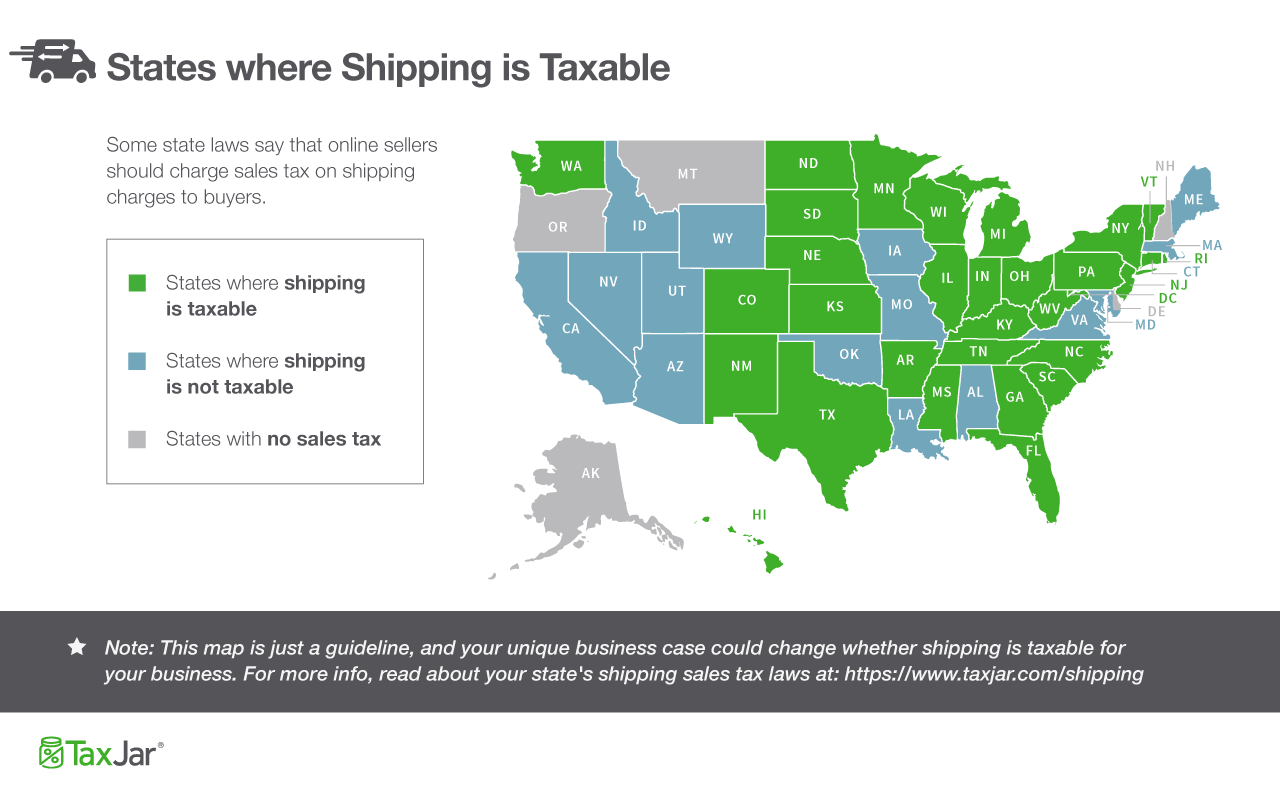
One significant exemption relates to interstate commerce. If a California retailer ships an item directly to a customer outside of California, neither the item nor the shipping charge is subject to California sales tax. This is because the sale is considered to have occurred outside the state’s taxing jurisdiction. This exemption is crucial for California-based online businesses catering to a national or international customer base, as it simplifies their tax obligations for those specific transactions. Conversely, if you, as a California resident, purchase an item from an out-of-state retailer who ships it to you, you may owe California “use tax” on both the item and its shipping, though this is often difficult to track for individual consumers.
The “Common Carrier” Distinction
The concept of a “common carrier” plays a role, though its application is often misconstrued. If a retailer ships goods via a common carrier (like UPS, FedEx, or the U.S. Postal Service) and charges the customer for this service, the taxability depends on the aforementioned criteria (e.g., whether the customer could have arranged their own shipping). If the retailer is acting merely as an agent for the customer in arranging common carrier delivery, and the customer could have picked up the item or arranged their own shipping, then separately stated shipping charges might be exempt. However, as noted, this scenario is quite specific and doesn’t apply to most direct-to-consumer online sales where the seller is responsible for getting the product to the buyer. For most lifestyle purchases, the common carrier distinction doesn’t change the taxability if the seller is responsible for delivery.
Tips for Consumers and Lifestyle Businesses in California
Understanding California’s shipping tax rules isn’t just about compliance; it’s about smart financial management for both individuals and entrepreneurial ventures.
Decoding Your Receipts: Identifying Shipping Tax
As a consumer, always scrutinize your receipts, especially for online purchases. Look for how shipping is itemized and whether sales tax is applied to that line item. Many retailers will clearly separate sales tax from the product cost and shipping cost. If you’re uncertain, don’t hesitate to contact the retailer for clarification. This diligence helps you understand the true cost of your purchases and confirms that you’re being charged correctly according to California’s regulations.
Budgeting for Total Costs: Beyond the Sticker Price
When planning any purchase, particularly those involving delivery, always factor in the potential sales tax on shipping. For a significant item like an expensive piece of art for your home or a new fitness machine, the shipping cost itself can be substantial, and the added sales tax on that shipping can increase the total by hundreds of dollars. Integrating this into your budgeting strategy ensures you’re never caught off guard by the final price, allowing for more accurate financial planning for your lifestyle choices.
For Entrepreneurs: Staying Compliant and Transparent
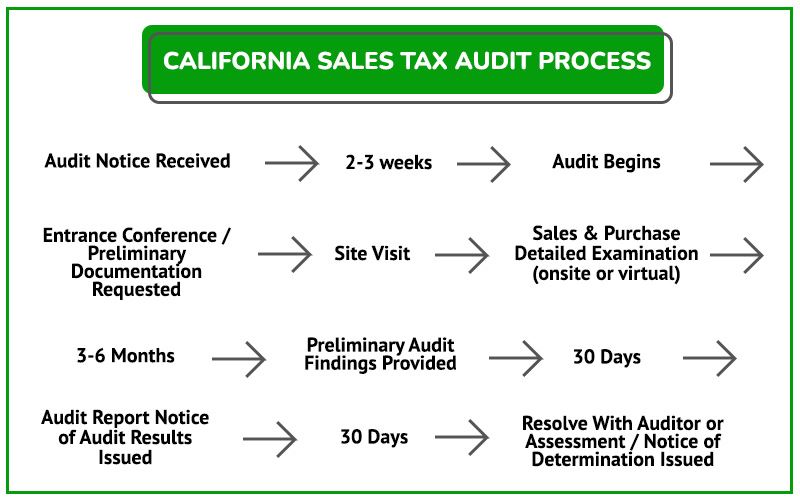
For small lifestyle businesses operating in California (e.g., online boutiques, artisanal product makers), proper handling of shipping tax is paramount for compliance and maintaining customer trust. Ensure your e-commerce platform or point-of-sale system is configured to correctly calculate and collect sales tax on shipping charges when applicable. Clearly communicate your shipping tax policy to customers. Transparency builds confidence and prevents disputes. Regularly review CDTFA guidelines or consult with a tax professional to stay updated on any changes, especially if you ship both within and outside California. Neglecting these rules can lead to penalties and audits, impacting your business’s financial health.
The Future of Shipping Tax: What to Watch For
The landscape of sales tax and e-commerce is constantly evolving, driven by technological advancements and shifting legislative priorities. Staying informed is key for all parties.
Evolving E-commerce Regulations
The rapid growth of e-commerce continues to challenge traditional tax frameworks. States, including California, are continuously adapting their sales and use tax laws to capture revenue from online transactions more effectively. This could lead to further clarifications or adjustments regarding what constitutes a taxable shipping charge, particularly as new delivery models (e.g., same-day delivery, subscription box services) become more prevalent in our daily lives.
Potential Legislative Changes
Legislative bodies, such as those in Sacramento, periodically review and update tax laws. While the core principles of shipping tax in California have been relatively stable, there’s always potential for new bills or interpretations that could impact how shipping is taxed. Businesses and consumers alike should keep an eye on official announcements from the CDTFA and legislative updates to anticipate any changes that could affect their lifestyle and purchasing decisions.
In conclusion, while the question “Is Shipping Taxable In California?” demands a nuanced answer, the general guideline for most consumers and businesses is that yes, shipping charges are typically subject to sales tax if they are part of the delivery of tangible personal property within the state. By understanding these rules, both individuals and lifestyle entrepreneurs can navigate the complexities with greater confidence, ensuring financial accuracy and compliance.
LifeOutOfTheBox is a participant in the Amazon Services LLC Associates Program, an affiliate advertising program designed to provide a means for sites to earn advertising fees by advertising and linking to Amazon.com. Amazon, the Amazon logo, AmazonSupply, and the AmazonSupply logo are trademarks of Amazon.com, Inc. or its affiliates. As an Amazon Associate we earn affiliate commissions from qualifying purchases.