
The allure of California, with its sun-kissed beaches, iconic landmarks, and vibrant cities, draws millions of travelers annually. From the bustling streets of Los Angeles to the majestic Golden Gate Bridge in San Francisco, the Golden State offers an unparalleled array of experiences. However, nestled along the dynamic Pacific Ocean Ring of Fire, California faces natural phenomena, including the rare but potentially devastating threat of tsunamis. For travelers planning a visit, understanding this risk isn’t about fear-mongering, but about informed preparedness, ensuring a safe and enjoyable journey. This article delves into the reality of tsunami threats in California from a traveler’s perspective, offering insights into what to know, how to prepare, and how such events can impact your travel experience.
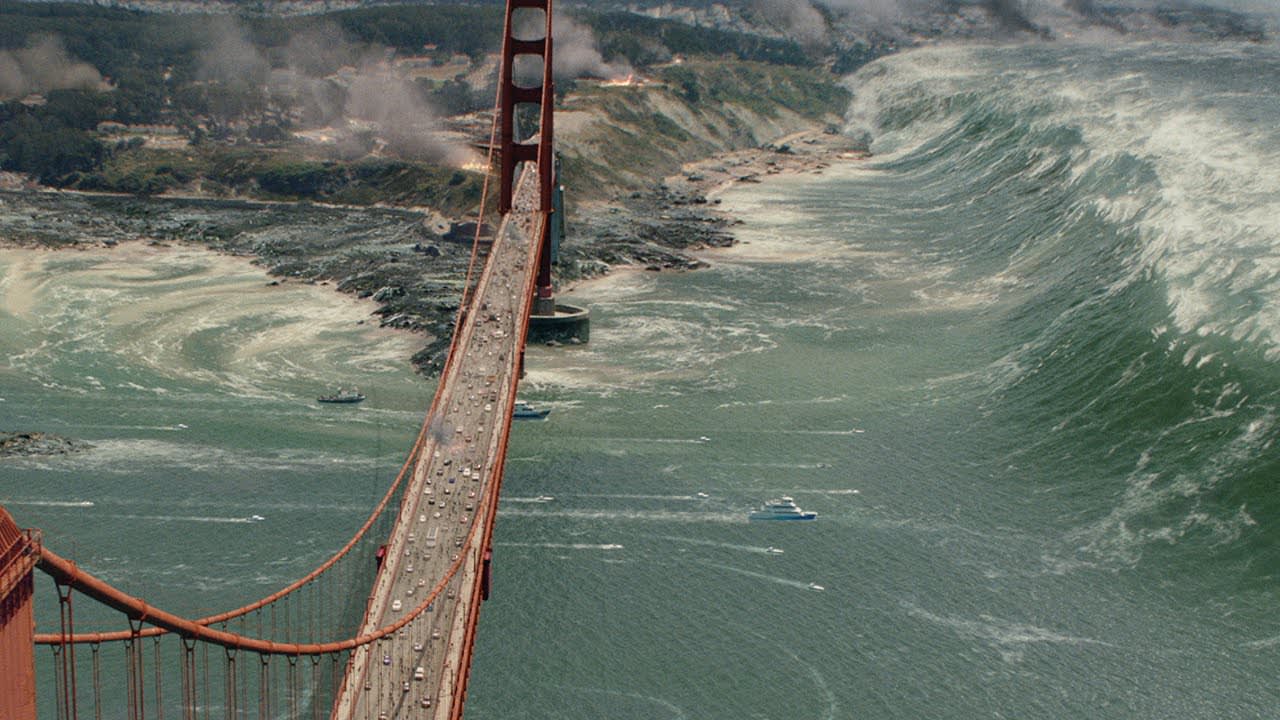
Understanding Tsunami Threats in California for Travelers
For many, the word “tsunami” conjures images of catastrophic waves seen in news reports from distant lands. While dramatic, understanding the specific context for California is crucial for any discerning traveler.
What is a Tsunami and Why it Matters to Your Trip
A tsunami is a series of powerful ocean waves caused primarily by large-scale disturbances on the seafloor, most commonly underwater earthquakes. Volcanic eruptions, landslides, or even meteorite impacts can also generate them. Unlike typical ocean waves generated by wind, tsunamis involve the entire water column from the ocean floor to the surface, carrying immense energy. As these waves approach shallow coastal waters, they slow down but grow significantly in height, transforming into towering walls of water that can inundate coastal areas kilometers inland.
For travelers, this is critical because coastal destinations are often the primary draw for a California vacation. Popular spots like Malibu, Santa Monica, San Diego, and numerous beach towns along the Central Coast could be directly impacted. A tsunami event, even a distant one, can lead to immediate evacuations, closures of beaches and harbors, and significant disruption to travel plans. Understanding what a tsunami is helps travelers appreciate the gravity of warnings and the importance of adhering to safety protocols, distinguishing it from an ordinary high tide or storm surge.
California’s Coastal Vulnerability: A Traveler’s Perspective
California’s extensive coastline, stretching over 1,300 kilometers, is directly exposed to the Pacific Ocean, which is the most tsunami-prone ocean basin globally due to the “Ring of Fire” seismic activity. The state’s vulnerability stems from several factors:
Firstly, distant tsunamis originating from major earthquakes in regions like Alaska, Japan, Chile, or the Cascadia Subduction Zone (off the coast of Northern California, Oregon, and Washington State) pose a significant threat. These events allow for hours of warning, giving authorities time to issue alerts and initiate evacuations.
Secondly, local tsunamis, while less common, could be generated by underwater landslides or earthquakes much closer to California’s coast. These are particularly dangerous as they offer very little warning time – perhaps minutes to tens of minutes – making immediate self-evacuation based on natural signs paramount.
For travelers, this means that while the risk of a major tsunami on any given day is low, it’s not non-existent. Awareness of which coastal areas are designated as tsunami hazard zones is crucial. Many tourist areas, including popular beachfront hotels and attractions, fall within these zones. Therefore, a traveler’s perspective must include an appreciation for the geographic realities of their chosen destination along the California coast.
Historical Context: Past Events and Lessons Learned for Visitors
While no major destructive tsunamis of local origin have struck California in modern history, the state has experienced the impacts of several distant tsunamis. One notable event was the 1964 Alaska earthquake, which generated a tsunami causing significant damage and 12 fatalities in California, particularly in Crescent City in the far north. Waves exceeding 6 meters (20 feet) struck the town, destroying much of its waterfront.
More recently, the 2011 Tohoku earthquake off Japan triggered a tsunami that reached California’s coast several hours later. While less destructive than the 1964 event, it caused significant damage to harbors and boats, particularly in Santa Cruz and Crescent City, resulting in tens of millions of dollars in losses. It also led to widespread evacuations of coastal areas, disrupting tourism and local commerce for a day.
These historical events serve as vital lessons for travelers. They demonstrate that even distant tsunamis can have tangible impacts on coastal California, affecting infrastructure, marine activities, and the ability to safely access or stay in beachfront locations. The lessons learned have led to improved warning systems, evacuation plans, and public awareness campaigns, which are directly relevant to any visitor’s safety planning.
Traveler Preparedness: Before and During Your California Journey
Preparedness is key to mitigating risk and ensuring peace of mind, especially when traveling to a potentially hazard-prone region. For California, this means proactive steps before and during your trip.
Pre-Trip Research: Checking Official Warnings and Advisories
Before embarking on your California adventure, particularly if coastal areas are on your itinerary, integrate a quick check of tsunami information into your planning. The primary authority for tsunami warnings in the United States is the National Oceanic and Atmospheric Administration’s (NOAA) Tsunami Warning Center. Their website provides real-time alerts and educational resources.
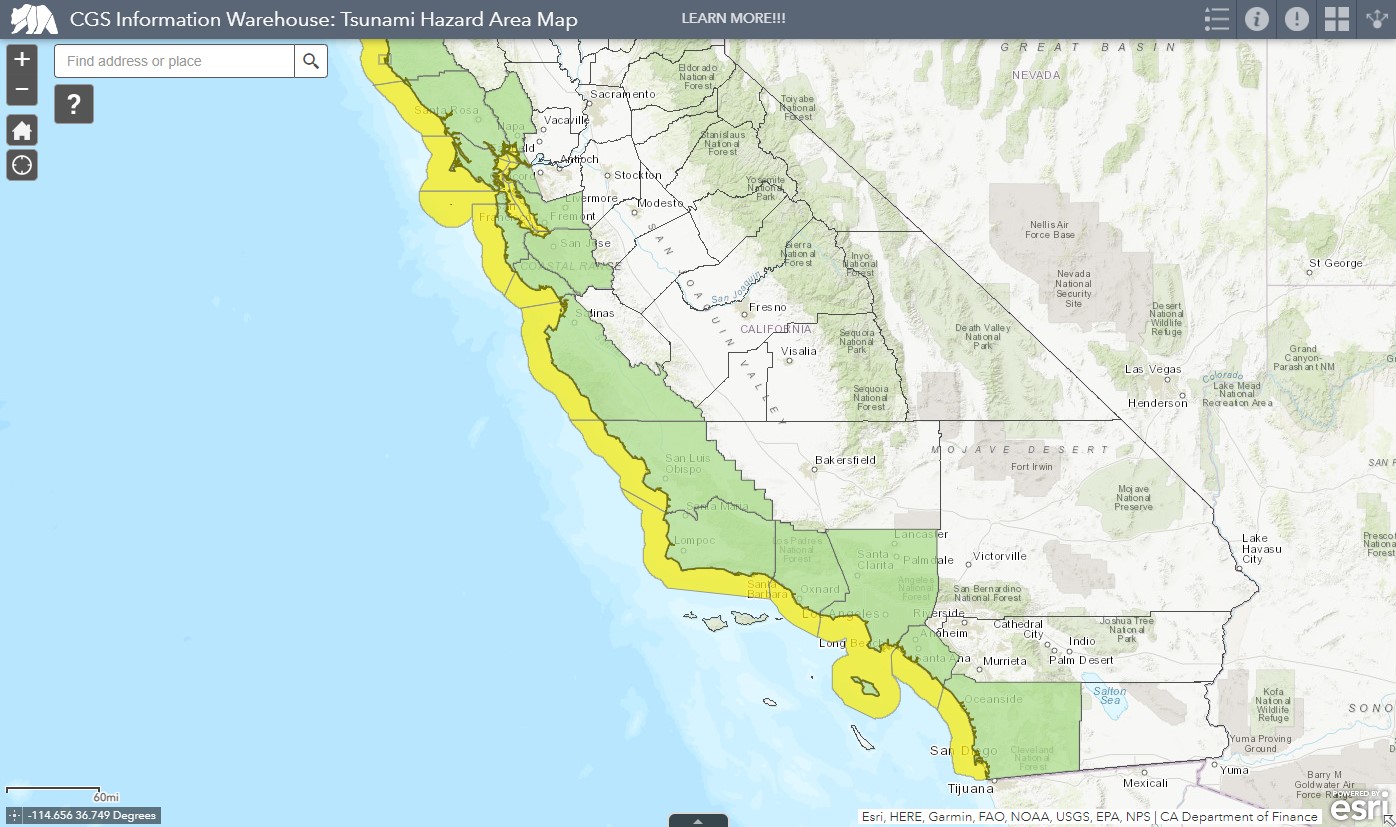
Additionally, check the California Office of Emergency Services (CalOES) website for local advisories and preparedness guides specific to the state. Look for information on tsunami hazard zones and evacuation routes for your specific destination, whether it’s Long Beach, Monterey, or the beaches of Orange County. This initial research can help you choose accommodations outside immediate flood zones if you’re particularly concerned, or at least be aware of your proximity to safe ground.
Emergency Planning for Coastal Accommodations
If your chosen accommodation is in a coastal area, take a moment upon arrival to familiarize yourself with its emergency plan. Many hotels and resorts in tsunami-prone areas will have information posted in rooms or at the front desk. Ask about:
- Evacuation routes: Where are the nearest safe, high ground areas?
- Assembly points: Where should guests gather?
- Communication: How will the hotel notify guests of a warning?
- Emergency supplies: Does the hotel have any provisions or advice on what to pack in a grab-and-go bag?
Understanding these details upon check-in can save critical time and reduce anxiety if an alert is issued during your stay.
Staying Safe: Recognizing Natural Warnings and Official Alerts
For travelers, recognizing the signs of a potential tsunami, both natural and official, is paramount.
Natural Warning Signs: If you are at the beach and experience any of these, immediately evacuate to higher ground without waiting for an official warning:
- A strong earthquake that makes it difficult to stand.
- A sudden and unusual receding of ocean water, exposing the seafloor.
- A loud ocean roar, similar to a train or jet aircraft.
Official Alerts: California utilizes a robust warning system: - Tsunami Watch: A tsunami may be possible. Stay informed, listen to authorities, and be prepared to take action.
- Tsunami Warning: A dangerous tsunami is imminent or expected. Immediate evacuation of coastal areas is required.
Warnings are broadcast through various channels: - Emergency Alert System (EAS) on TV and radio.
- NOAA Weather Radio.
- Sirens in some coastal communities.
- Reverse 911 calls or Wireless Emergency Alerts (WEA) on mobile phones.
As a traveler, ensure your phone is set to receive WEA messages and pay attention to local news and hotel announcements.
Navigating Travel Disruptions and Safety Protocols
Should a tsunami warning be issued, your travel plans will undoubtedly be impacted. Knowing how to navigate these disruptions responsibly is key to ensuring your safety and minimizing inconvenience.
Evacuation Routes and Safety Zones: What Travelers Need to Know
Every coastal community in California has designated tsunami evacuation routes and safety zones. These are typically marked with clear signage indicating arrows pointing inland to higher elevations. As a traveler, it’s your responsibility to familiarize yourself with these routes in your immediate vicinity.
During an evacuation, follow the directions of local authorities, police, and emergency personnel. Do not attempt to retrieve belongings if it delays your evacuation. The goal is to get to a designated safety zone at least 30 meters (100 feet) above sea level or 3 kilometers (2 miles) inland, whichever is safer and more accessible, as quickly and calmly as possible. Even after the initial wave, subsequent waves can arrive for many hours, so stay evacuated until an “all clear” is officially announced.
Impact on Coastal Destinations and Attractions
A tsunami warning, or even a less severe tsunami advisory, can lead to the closure of beaches, piers, harbors, and coastal attractions. Marinas will often be evacuated, and boat owners instructed to move vessels to deeper waters or secure them. Restaurants and shops along the boardwalk or beachfront may close temporarily. Major coastal cities like San Diego, Santa Barbara, and Long Beach have significant portions of their tourist infrastructure vulnerable to such events.
Travelers should expect that planned activities, tours, or dining experiences in these areas could be canceled or postponed. Flexibility and understanding are crucial. Remember that these closures are for public safety, and respecting them is paramount.
Travel Insurance and Contingency Planning for Unexpected Events
This is where travel insurance becomes invaluable. While many standard travel insurance policies cover natural disaster-related disruptions, it’s crucial to read the fine print. Look for policies that cover:
- Trip interruption/cancellation: If you have to cut your trip short or cancel before departure due to a tsunami warning or damage.
- Emergency evacuation: Costs associated with being evacuated from a hazardous area.
- Medical expenses: Though less direct, always wise to have.
- Additional accommodation/transportation: If you are displaced or delayed due to an event.
Before purchasing, confirm with your insurer how tsunamis are categorized and what specific coverages apply.
Beyond insurance, having a personal contingency plan is wise. Keep copies of important documents (passport, tickets, insurance details) digitally and physically. Have an emergency contact list, and ensure family or friends know your itinerary. A small ‘go-bag’ with essential medications, cash, and a portable charger can also be highly beneficial.
Post-Event Considerations for California Travel
After an event, whether a warning that passed without major incident or one that led to actual inundation, travelers need to adjust their expectations and approach.
Assessing the Aftermath: Rebuilding and Recovery for Tourist Areas
In the unlikely event of a significant tsunami impacting California’s coast, the immediate aftermath would involve damage assessment, search and rescue, and the beginning of recovery efforts. Tourist areas, often at the forefront of economic activity, would also be at the forefront of rebuilding. Harbors, piers, beachfront properties, and coastal roads could be severely affected.
Travelers planning to visit soon after such an event should expect widespread disruptions. Road closures, limited access to coastal areas, and a scarcity of services might be prevalent. It’s essential to check official state and local tourism advisories, as well as news reports, to understand the extent of the damage and the timeline for recovery before deciding to travel. Respecting communities’ recovery efforts often means postponing non-essential travel to affected zones.
Responsible Tourism in Affected Regions
When an area is recovering from a natural disaster, tourists have a responsibility to act ethically. This means:
- Heeding all advisories: Do not enter areas that are declared unsafe or restricted.
- Supporting local businesses: Once an area is declared safe for visitors, actively supporting local hotels, restaurants, and shops helps the community rebuild economically.
- Being patient and understanding: Services might be slower, or certain attractions might still be closed.
- Volunteering (if appropriate): If you have skills that could be useful and formal volunteer opportunities are organized, consider offering your time.
Responsible tourism ensures that your visit contributes positively to the community’s recovery, rather than inadvertently adding to its burdens.
Future-Proofing Your California Travel Plans
The possibility of a tsunami in California is a real but infrequent risk. By integrating awareness and preparedness into your travel planning, you’re not succumbing to fear, but rather embracing responsible and informed travel. California’s robust emergency management systems and constant monitoring by organizations like NOAA mean that travelers will receive warnings and guidance.
Continuing to monitor official sources like CalOES and the National Weather Service leading up to and during your trip is always a good practice, not just for tsunamis but for other natural occurrences like wildfires or earthquakes. By staying informed, having a plan, and respecting official guidance, you can confidently enjoy the unparalleled beauty and experiences that California has to offer, knowing you’re prepared for whatever nature may bring. While no one hopes for a tsunami, being ready ensures that the focus of your trip remains on enjoyment and discovery, rather than apprehension.