
Understanding the fluctuating landscape of gas prices in California is more than just a passing curiosity; it’s a critical component of trip planning and budget management for any traveler. The Golden State, renowned for its diverse attractions, from the beaches of Los Angeles to the vineyards of Napa Valley and the tech hubs of Silicon Valley, often presents motorists with some of the highest fuel costs in the United States. For individuals and families planning their travel itineraries, whether it’s a cross-state road trip, a business visit, or a leisurely exploration, the price at the pump significantly impacts the overall financial outlay and, ultimately, the travel lifestyle one can afford. This article delves into the intricacies of California’s gas prices, offering insights and strategies for various travel styles to help you navigate your journey efficiently and economically.

Understanding California’s Unique Gas Price Landscape
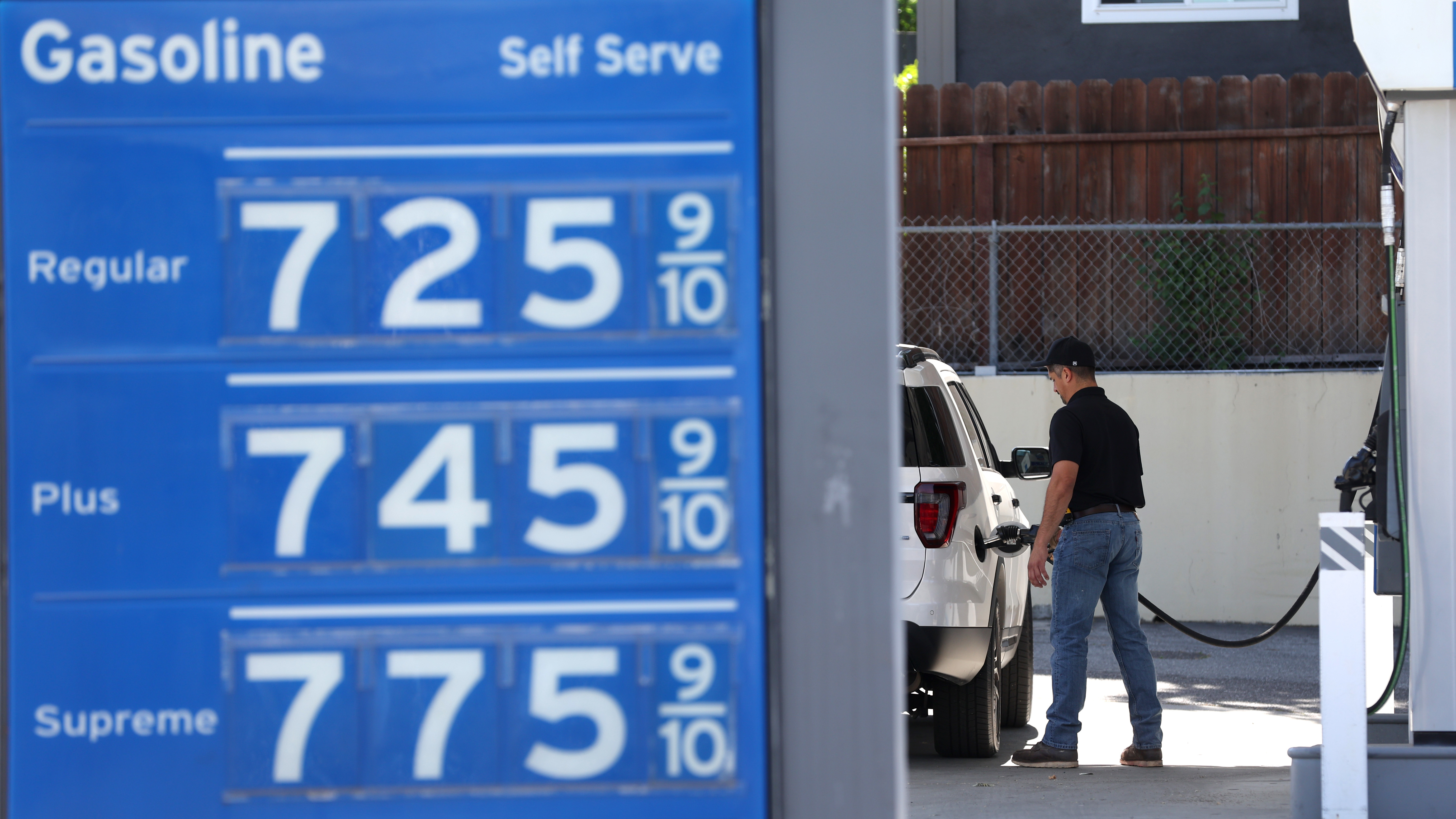
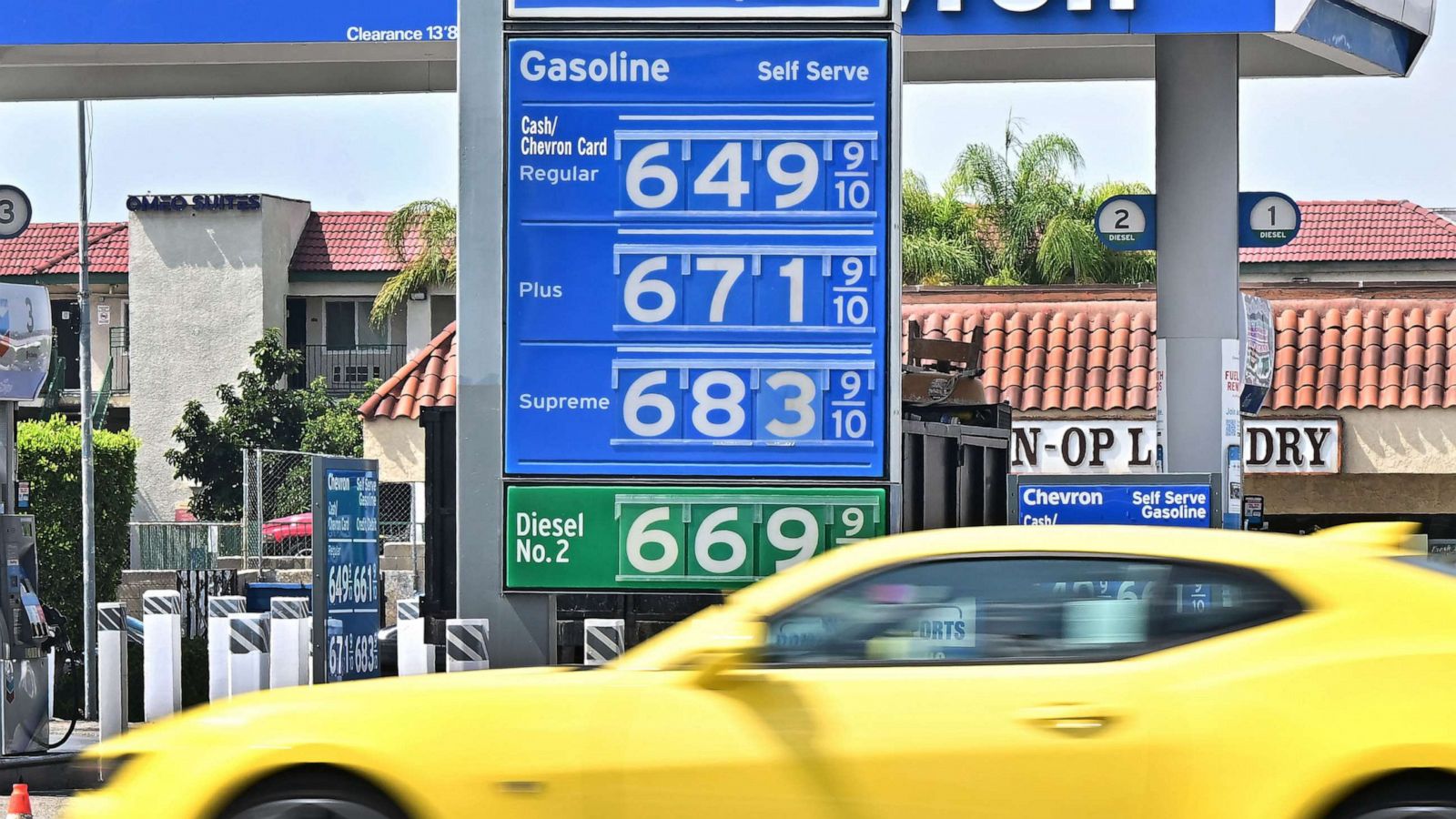
California’s reputation for elevated gas prices is well-earned, consistently ranking among the states with the most expensive fuel. This isn’t merely a random occurrence but rather a confluence of specific economic, environmental, and logistical factors unique to the state. For travelers, comprehending these underlying causes is the first step in formulating an effective budget and travel strategy.
The Golden State Premium: Factors at Play
Several key elements contribute to the so-called “Golden State Premium” that drivers experience. Firstly, taxes and fees form a substantial portion of the price. California imposes a higher excise tax on gasoline compared to most other states, along with a cap-and-trade program fee designed to reduce greenhouse gas emissions, and a low carbon fuel standard (LCFS) program that adds to the cost of production. These environmental initiatives, while beneficial for air quality and climate goals, translate directly into higher per-gallon prices.
Secondly, unique fuel formulations are mandated in California. To combat smog and air pollution, the state requires a special blend of gasoline that is cleaner-burning than the federal standard. This specialized formulation, often referred to as “CARB gasoline” (after the California Air Resources Board), is more complex and expensive to produce. Only a limited number of refineries are equipped to produce this specific blend, creating a constrained supply chain.
Thirdly, refinery capacity and geographical isolation play a significant role. California’s refining infrastructure is largely isolated from the rest of the country’s main pipeline networks, meaning the state must largely produce its own fuel. Unexpected outages or maintenance at one of California’s refineries can immediately impact supply, leading to rapid price spikes due to reduced availability. This vulnerability to supply disruptions makes the market particularly sensitive to even minor issues.
Finally, market dynamics and demand also contribute. With its vast population and car-centric culture, California has enormous demand for gasoline. Higher demand, combined with the aforementioned supply constraints and regulatory costs, naturally pushes prices upwards.
Regional Variations Across California
While gas prices are generally high across California, significant regional variations exist. Metropolitan areas such as Los Angeles, San Francisco, and San Diego typically report the highest prices, driven by higher operational costs for gas stations, dense populations, and strong local economies. For instance, filling up in downtown San Francisco or near Hollywood in Los Angeles will almost certainly cost more than in a less densely populated inland community or a smaller town along your route.
Conversely, areas closer to refineries or major distribution hubs, or those with less competition, might offer slightly lower prices. Even within cities, prices can vary dramatically from one neighborhood to another, or even between gas stations on opposite sides of a street. These localized fluctuations underscore the importance of checking prices proactively rather than waiting until the tank is nearly empty. Awareness of these regional differences can save travelers a considerable amount, especially on longer road trips across the state.
Navigating Gas Prices for Different Travel Lifestyles
Gas prices affect every traveler, but the degree of impact and the strategies employed vary significantly depending on one’s travel lifestyle. Whether you’re a budget-conscious backpacker, a family on a grand road trip, a time-sensitive business traveler, or someone indulging in luxury, understanding how to mitigate fuel costs is crucial for a smooth journey through California.
Budget-Conscious Explorers: Maximizing Savings
For the budget-conscious traveler, every dollar saved on gas can translate into more experiences, better meals, or an extra night’s stay. The primary strategy involves meticulous planning and leveraging technology. Before embarking on your journey, research typical gas prices along your intended route and identify areas known for more affordable fuel. Apps like GasBuddy are indispensable tools, providing real-time prices at stations nearby, allowing you to choose the cheapest option.
Consider purchasing a fuel-efficient vehicle or, if renting, opting for a compact or hybrid model. Even small differences in miles per gallon (MPG) add up significantly over a long trip. Furthermore, simple driving habits like maintaining a steady speed, avoiding aggressive acceleration and braking, and keeping tires properly inflated can noticeably improve fuel economy. Joining loyalty programs offered by gas station chains (e.g., Chevron, Shell, Arco) or discount retailers like Costco or Sam’s Club can also provide member-exclusive savings, though these usually require a membership fee. For those truly dedicated to minimizing costs, mapping out routes that include these budget-friendly stops can be a game-changer.
Family Road Trips: Planning for the Pump
Family road trips often involve larger vehicles, more luggage, and greater distances, making fuel costs a substantial part of the overall budget. Planning is paramount. Factor in gas expenses as a distinct line item in your trip budget, estimating higher than average prices for California. Use online calculators or apps to estimate fuel costs for your entire route, including detours to attractions like Disneyland or Yosemite National Park.
Consider packing light to reduce vehicle weight, which impacts fuel efficiency. Schedule gas stops strategically, ensuring you fill up before entering remote areas or regions known for extremely high prices, such as along the Pacific Coast Highway where options are scarce. Engaging the whole family in understanding these costs can also be an educational experience, teaching children about budgeting and resource management. Some families even opt for a partial electric vehicle (EV) or hybrid to reduce fuel dependence, especially for trips with planned charging stops.
Business Travelers and Fuel Efficiency
For business travelers, time is often money, but fuel costs still impact the bottom line, especially for companies managing travel expenses. Efficiency in route planning becomes critical. Utilizing navigation apps with real-time traffic updates can help avoid congestion, which wastes fuel and time. Opting for fuel-efficient rental cars is a smart corporate policy.
Many business travelers use company credit cards or expense accounts, which might include perks like fuel discounts or rewards points that can offset costs. Maintaining a digital log of fuel purchases for reimbursement and budget tracking is essential. For those with frequent travel requirements within California, a deep understanding of local gas price trends in cities like Sacramento or San Diego can inform better decision-making about when and where to refuel. Business travel often necessitates quick decisions, but a foundational understanding of gas price dynamics allows for informed choices that can lead to significant savings over time.
Luxury Travel: A Smaller Consideration, Still Relevant
Even for those experiencing California’s luxury travel options, such as chauffeured tours or high-end rentals, gas prices remain a component of the overall cost. While the immediate per-gallon price might not be the primary concern, it indirectly influences the pricing of premium services. Tour operators, car rental agencies specializing in luxury vehicles, and private drivers factor fuel costs into their rates.
Travelers opting for self-driven luxury vehicles should still be mindful of consumption, as powerful engines often translate to lower MPG. While the focus might be on the experience rather than penny-pinching, understanding the underlying cost structure can help appreciate the value of premium services. Furthermore, for extended stays or custom itineraries, awareness of fuel expenses allows for a more holistic budgeting approach, ensuring that all aspects of a lavish trip are accounted for.
Strategic Planning for Fuel Costs in Your California Trip
Regardless of your travel style, a strategic approach to managing fuel costs can significantly enhance your California travel experience. Proactive planning helps mitigate the financial surprises often associated with the state’s gas prices, allowing you to focus on enjoying the journey.
Tools and Apps for Real-Time Price Checks
In today’s digital age, a wealth of tools is available to help travelers find the best gas prices. As mentioned, GasBuddy is a leader, crowdsourcing real-time price data from users nationwide. Other popular navigation apps like Google Maps and Waze also integrate gas price information, often directly on their map interface. Many gas station chains have their own apps that offer loyalty program benefits and price finders. Before heading out, download a few of these apps and familiarize yourself with their features. Checking prices a day or even a few hours before you need to fill up can reveal significant savings, especially in metropolitan areas where prices can change rapidly.
Optimizing Your Route and Vehicle Choice
Beyond finding the cheapest gas, intelligent route planning and vehicle selection are fundamental. For road trips, consider if a slightly longer route that passes through areas with lower gas prices is more economical than a shorter route through expensive zones. Factor in the total cost: extra miles mean more fuel and potentially more time, so strike a balance.
If renting a car, prioritize fuel efficiency. A compact sedan or a hybrid typically offers much better MPG than an SUV, especially in city driving conditions. Major rental car companies like Enterprise or Hertz offer a range of vehicle types, and selecting wisely can make a noticeable difference to your budget. If you’re driving your own car, ensure it’s well-maintained—proper tire pressure, regular oil changes, and clean air filters all contribute to better fuel economy.
Membership Benefits and Discount Programs
Leveraging membership programs can provide consistent savings. AAA (American Automobile Association) offers discounts at various gas stations in California, along with roadside assistance which is invaluable for any road trip. As previously noted, warehouse clubs like Costco and Sam’s Club often have significantly lower gas prices for members. If you have a membership, plan your stops around their locations.
Credit cards with gas rewards or cashback programs can also provide a small but welcome rebate on fuel expenses. Some grocery store loyalty programs offer cents-off-per-gallon discounts based on points earned through grocery purchases. Accumulating these small savings across multiple fills can lead to substantial reductions in your overall fuel expenditure for a prolonged stay or extensive travel within the state.
The Future of Fuel and California Travel
The conversation around California gas prices is incomplete without considering the future. The state is at the forefront of environmental initiatives and technological adoption, which will undoubtedly reshape the landscape of travel and fuel consumption in the coming years.
The Rise of Electric Vehicles and Charging Infrastructure
The most significant shift is the accelerating transition towards electric vehicles (EVs). California has ambitious goals for EV adoption, and the presence of charging infrastructure is growing rapidly, particularly in urban centers and along major highway corridors. For travelers considering their next trip, especially those with an EV or contemplating renting one, the “fuel” cost translates to electricity prices, which are generally more stable and often cheaper per mile than gasoline.
Major automakers like Tesla, General Motors, and Ford are heavily investing in EV production, making them more accessible. Planning an EV road trip requires a different strategy: locating charging stations (fast chargers for quick stops), understanding charging speeds, and potentially utilizing apps dedicated to EV charging networks. This shift represents a fundamental change in travel lifestyle, moving away from gas price anxiety towards range anxiety and charging logistics.
Policy Changes and Environmental Impact
California’s regulatory environment is dynamic, consistently pushing towards cleaner transportation. Future policy changes, such as further increases in carbon pricing or stricter fuel efficiency standards for vehicles, could influence gas prices in different ways. While the immediate effect might be higher costs for traditional gasoline, these policies also incentivize the development and adoption of cleaner alternatives, potentially stabilizing or even reducing the overall cost of mobility in the long run.
The state’s commitment to reducing its carbon footprint means that the “Golden State Premium” might continue, but it also signals a future where travelers have more sustainable and potentially more affordable alternatives to gasoline-powered vehicles. For the forward-thinking traveler, staying abreast of these developments is key to adapting one’s travel lifestyle to the evolving landscape of California travel.
In conclusion, California gas prices are a complex issue, influenced by a unique blend of taxes, regulations, and market dynamics. For any traveler, understanding these factors and implementing strategic planning — from utilizing price-checking apps and optimizing routes to considering alternative vehicles and leveraging membership benefits — is essential for a budget-friendly and enjoyable journey. As the state moves towards a more sustainable future, the nature of “fuel costs” for California travel will continue to evolve, offering new challenges and opportunities for every travel lifestyle.
LifeOutOfTheBox is a participant in the Amazon Services LLC Associates Program, an affiliate advertising program designed to provide a means for sites to earn advertising fees by advertising and linking to Amazon.com. Amazon, the Amazon logo, AmazonSupply, and the AmazonSupply logo are trademarks of Amazon.com, Inc. or its affiliates. As an Amazon Associate we earn affiliate commissions from qualifying purchases.