
Understanding the intricate landscape of property law, especially concerning unauthorized occupation, is crucial for both property owners and those interested in the nuances of long-term accommodation. In California, the concept of “squatters’ rights,” more formally known as adverse possession, is a specific legal doctrine that allows a non-owner to gain legal ownership of another’s land under certain conditions. While the term “squatter” often conjures images of individuals illegally occupying abandoned properties, the legal framework is far more complex, directly impacting how property is managed and rights are transferred over time. For anyone involved in real estate, from potential long-term renters to property developers, grasping these rights is fundamental to protecting investments and ensuring legal compliance. This comprehensive guide will delve into the specifics of squatters’ rights in California, outlining the requirements, implications, and preventive measures that define this unique aspect of accommodation law.

Understanding Squatting and Adverse Possession in California
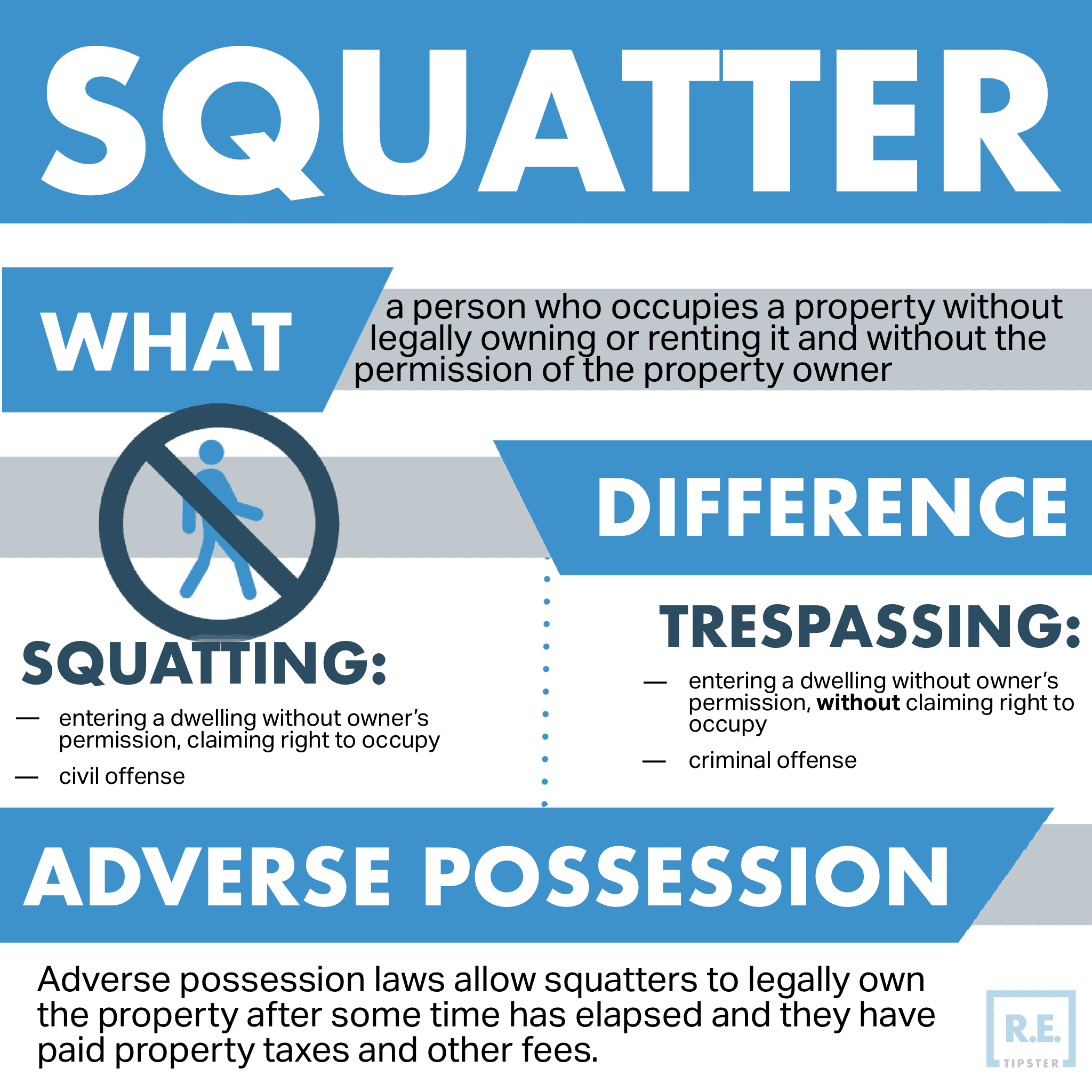
The terms “squatting” and “adverse possession” are often used interchangeably, but it’s vital to differentiate between them to fully grasp the legal implications in California. While squatting generally refers to the act of occupying an unoccupied property without legal permission, adverse possession is the legal mechanism through which a squatter, after meeting specific statutory requirements for a prolonged period, can actually claim legal title to the property. This distinction is critical in the realm of accommodation, as adverse possession represents a rare but powerful route to acquiring long-term stay rights, ultimately culminating in full ownership.
Defining Squatting vs. Trespassing
At its most basic, trespassing is the act of entering someone’s property without permission. It is typically a criminal offense and can result in immediate removal by law enforcement. A trespasser has no legal rights to the property and can be prosecuted.
Squatting, on the other hand, often begins as trespassing but involves a more prolonged and overt occupation. While initially illegal, the prolonged nature of squatting, particularly if unnoticed or unchallenged by the owner, can eventually lead to the squatter accruing certain limited rights under California law, making immediate removal more complicated than with a simple trespasser. For instance, after a certain period, an owner may need to go through a formal eviction process rather than simply calling the police, treating the squatter more like an unauthorized tenant. This shift in legal standing underscores the complex interplay between illegal entry and the gradual accumulation of quasi-accommodation rights.
The Concept of Adverse Possession
Adverse possession is the legal doctrine that transforms a squatter’s long-term, unauthorized occupation into a legitimate claim of ownership. It is not about providing free housing; it is a legal principle designed to resolve property disputes and encourage productive use of land. The core idea is that if a property owner neglects their land and another individual openly and continuously treats it as their own for a specific statutory period, the law may eventually transfer ownership to the diligent occupant. This concept directly relates to accommodation because it dictates how long-term, unauthorized “stay” can legally evolve into legitimate property title, thereby fundamentally changing who is entitled to occupy and control the accommodation. In California, adverse possession claims are notoriously difficult to prove, requiring strict adherence to five specific legal elements, each of which must be demonstrated by clear and convincing evidence by the claimant.
Key Elements for Establishing Squatters’ Rights in California
To successfully claim adverse possession and gain “squatters’ rights” in California, an individual must demonstrate that their occupation of the property meets five stringent requirements, as defined by state law. These elements must have been met continuously for a period of at least five years. This extended period of meeting specific criteria fundamentally transforms an unauthorized occupation into a potential claim for legitimate accommodation rights, moving beyond mere trespassing.
1. Hostile Claim (Claim of Right)
The first requirement is that the possession must be “hostile.” This doesn’t necessarily mean aggressive or violent; it simply means the squatter occupies the property without the true owner’s permission. There are typically three ways this can be interpreted:
- Claim of Right: The squatter genuinely believes they have a legal right to occupy the property, perhaps based on a faulty deed or misunderstanding.
- Color of Title: The squatter has a defective or invalid deed that they believe grants them ownership. This is often seen as a stronger form of hostile claim.
- Awareness of Trespass: The squatter knows they do not own the property but intends to claim it anyway. This is the most common interpretation in squatter scenarios.
Crucially, the occupation must be against the true owner’s interest and without their consent, indicating an adverse intent to control the accommodation.
2. Actual Possession
The squatter must be in actual possession of the property, meaning they must physically occupy and use the land in a manner consistent with ownership. This isn’t about merely visiting the property. Examples of actual possession include living on the property, making improvements (e.g., repairing fences, landscaping, renovating structures), cultivating crops, or erecting buildings. The actions taken must demonstrate a clear intent to treat the property as their own long-term accommodation. This active use distinguishes a squatter from a casual trespasser.
3. Open and Notorious Possession
The occupation must be open and notorious, meaning it is visible and obvious to anyone, including the true property owner, if they were to inspect the property. The squatter cannot hide their presence. The purpose of this requirement is to give the true owner a reasonable opportunity to discover the unauthorized occupation and take action. If the owner has no way of knowing their property is being occupied, they cannot be expected to challenge the adverse possession claim. Posting signs, constructing visible structures, or openly residing on the property all contribute to fulfilling this element, effectively advertising the long-term accommodation to the world.
4. Continuous and Uninterrupted Possession
The squatter’s possession must be continuous and uninterrupted for the entire statutory period of five years. This means there cannot be significant gaps in occupation. Temporary absences that are consistent with how an owner might use the property (e.g., vacation) are usually permissible, but abandoning the property for an extended period would break the continuity. Any action by the true owner to interrupt the possession, such as filing an eviction lawsuit or physically removing the squatter, would reset the five-year clock. This criterion ensures that the claim to long-term accommodation is consistently maintained over the prescribed legal duration.
5. Payment of Property Taxes
Perhaps the most challenging and crucial requirement in California is that the adverse possessor must have paid all state, county, and municipal taxes levied on the property for the entire five-year statutory period. This is a unique aspect of California law that significantly distinguishes it from many other states and makes successful adverse possession claims exceptionally difficult. It requires the squatter to not only occupy the property but also to take on a key responsibility of ownership. This often means the squatter must have somehow gotten the tax bills in their name or paid them directly, which is a rare occurrence for someone who initially had no legal claim to the property. This financial commitment is a strong indicator of the intent to treat the property as a legitimate long-term accommodation, going beyond mere physical presence.
The Legal Process for Landlords and Property Owners
For property owners in California, understanding squatters’ rights isn’t just an academic exercise; it’s a critical component of protecting their investment and maintaining control over their accommodations. The moment an unauthorized occupant is discovered, swift and appropriate legal action is paramount to prevent a squatter from potentially gaining adverse possession rights. Ignoring the issue can lead to prolonged legal battles and significant financial loss, affecting the owner’s ability to rent, sell, or even utilize their own property.

Eviction Procedures
If an individual has established themselves as a squatter – meaning they are occupying the property without permission but have been there long enough to potentially claim some “tenant-like” rights, or if they claim a “color of title” – the property owner typically cannot simply remove them physically or change the locks. Instead, the owner must initiate a formal unlawful detainer (eviction) lawsuit through the California court system. This is the same legal process used to evict a tenant who has overstayed their lease or failed to pay rent.
The eviction process in California is lengthy and involves several steps:
- Serve Notice: The owner must first serve the squatter with a proper written notice, such as a 3-day notice to quit or a 30-day notice to terminate tenancy (depending on the specifics of the situation and the perceived nature of the squatter’s occupation).
- File Unlawful Detainer Complaint: If the squatter does not vacate after the notice period, the owner files an unlawful detainer complaint with the court.
- Court Proceedings: Both parties present their cases in court. The squatter may attempt to assert adverse possession claims or other defenses.
- Writ of Possession: If the court rules in favor of the owner, a “Writ of Possession” is issued, which the sheriff’s department then uses to physically remove the squatter from the property.
This entire process can take weeks or even months and can be costly, highlighting the importance of early intervention when dealing with unauthorized long-term accommodation.
Importance of Prompt Action
The critical takeaway for property owners is the absolute necessity of prompt action. The longer a squatter remains on a property, the more difficult and expensive it becomes to remove them, and the closer they get to potentially fulfilling the five-year requirement for adverse possession, especially regarding the hostile, actual, open, and continuous elements. Even without paying taxes, an established squatter can complicate an owner’s ability to recover possession quickly. Regular inspections of vacant properties, immediate investigation of suspicious activity, and rapid legal consultation upon discovery of unauthorized occupation are crucial to nip potential adverse possession claims in the bud and protect legitimate accommodation rights.
Seeking Legal Counsel
Navigating the complexities of adverse possession and eviction laws in California is challenging. Property owners encountering squatters or suspected adverse possession claims should immediately seek legal counsel from an attorney specializing in real estate and property law. An experienced attorney can:
- Advise on the best course of action based on the specific circumstances.
- Ensure all legal notices are properly drafted and served.
- Represent the owner effectively in court during an unlawful detainer action.
- Help gather evidence to refute any adverse possession claims.
- Provide guidance on preventive measures to safeguard the property against future unauthorized accommodation.
Professional legal guidance is indispensable for protecting property rights and efficiently resolving squatter issues.
Preventing Squatters: Proactive Measures
The best defense against squatters and potential adverse possession claims in California is a robust offense. Proactive property management and security measures can significantly deter unauthorized occupation and minimize the risk of costly legal battles over long-term accommodation. Owners, especially those with vacant or infrequently used properties, must adopt strategies that make their land less attractive and more challenging for squatters to occupy unnoticed.
Regular Property Inspections
One of the most effective preventive measures is to conduct regular and thorough property inspections. Vacant properties, construction sites, and even properties with absentee owners are prime targets for squatters. Inspections should be frequent enough to detect any signs of forced entry, broken locks, or unauthorized occupancy early on.
- For vacant homes: Check all entry points (doors, windows, garages) for signs of tampering. Look for changes in utility usage, mail accumulation, or unusual garbage.
- For land/lots: Periodically walk the perimeter, looking for makeshift structures, discarded items, or signs of cultivation.
- Documentation: Keep detailed records of all inspections, including dates, times, and any observations or actions taken. Photos can serve as valuable evidence if a dispute arises. Regular presence makes it difficult for any occupation to remain “open and notorious” without the owner’s knowledge, thereby challenging a key element of adverse possession for long-term accommodation.
Securing Vacant Properties
Making a property physically difficult to access is a primary deterrent. Investing in robust security measures can send a clear message that the property is not abandoned or unprotected.
- Secure all entry points: Ensure all doors and windows are securely locked. Consider boarding up easily accessible windows or installing steel security doors on vacant commercial properties.
- Repair damage promptly: Broken fences, gates, or walls invite intruders. Immediate repairs signal that the property is being actively managed.
- Install security systems: Alarms, motion-sensor lights, and surveillance cameras can deter squatters and provide crucial evidence if an incident occurs.
- Maintain the exterior: Overgrown yards, accumulated mail, or a general state of disrepair can signal abandonment, making the property a more appealing target for those seeking unauthorized long-term accommodation. Keep landscaping tidy and consider having mail forwarded.
Clear Signage
While not a foolproof solution, clearly posted “No Trespassing” signs can strengthen a property owner’s legal position in California. These signs explicitly state that entry is forbidden and can help establish that any unauthorized occupation is indeed “hostile” and without permission.
- Visibility: Signs should be prominently displayed at all entry points and around the perimeter of the property.
- Legibility: Ensure the signs are clear, easy to read, and state the prohibition unambiguously.
- Maintenance: Replace damaged or faded signs regularly to maintain their effectiveness.
In some jurisdictions, specific signage might be required to pursue certain legal actions against trespassers. Consult with a local attorney to ensure your signage complies with all applicable ordinances. These clear warnings help to define the property’s status and discourage individuals from attempting to establish any form of long-term accommodation without authorization.
Implications for Property Investment and Long-Term Accommodation
The existence of squatters’ rights, or adverse possession laws, carries significant implications for property investment and the broader landscape of long-term accommodation in California. While rare, the potential for an unauthorized occupant to gain legal title can introduce considerable risk and complexity into property transactions and ownership, underscoring the necessity for meticulous due diligence and ongoing vigilance.
Due Diligence for Buyers
For prospective buyers of real estate, particularly those considering foreclosed, abandoned, or seemingly neglected properties, the specter of adverse possession looms large. Thorough due diligence is paramount to avoid inheriting a squatter problem or a complicated legal dispute.
- Physical Inspection: Beyond standard home inspections, buyers should conduct comprehensive physical inspections of the property and its boundaries, looking for any signs of current or past unauthorized occupation. This includes checking outbuildings, sheds, and even seemingly undeveloped portions of the land.
- Title Search: A robust title search is critical to uncover any existing claims, liens, or unusual activity related to the property’s ownership history. While a standard title search might not reveal an unrecorded adverse possession claim, it can highlight past disputes that warrant further investigation.
- Local Knowledge: Engage with local real estate agents, neighbors, and community resources who might have insights into the property’s history or any known issues with unauthorized occupants.
- Survey: For properties with unclear boundaries or rural land, a professional land survey can confirm precise property lines and help identify any encroachments or signs of long-term use by others.
Failing to conduct proper due diligence could lead to purchasing a property where someone already has a legitimate, albeit unrecorded, claim to long-term accommodation or even ownership.
Protecting Your Investment
For current property owners, understanding adverse possession is fundamental to protecting their investment and ensuring their right to control their accommodation. This goes beyond just residential homes and extends to commercial properties, vacant lots, and even small strips of land.
- Active Management: Regular maintenance, visible use, and prompt action against any unauthorized entry are key. A property that appears abandoned is far more vulnerable.
- Legal Clarity: Ensure all property deeds, boundaries, and any easements are clearly documented and understood. Address any ambiguities proactively to prevent future disputes.
- Insurance: While not directly preventing adverse possession, robust property insurance policies can offer some financial protection against damage or loss incurred due to unauthorized occupation, though they typically do not cover loss of title due to adverse possession.
- Estate Planning: For properties that may sit vacant for extended periods due to inheritance or other reasons, clear estate planning and property management arrangements are essential to ensure the property is not left vulnerable to claims.
Ultimately, the laws surrounding squatters’ rights in California serve as a powerful reminder that property ownership is not merely about holding a deed; it requires ongoing vigilance, active management, and a clear understanding of legal responsibilities to truly secure one’s long-term accommodation and investment.
LifeOutOfTheBox is a participant in the Amazon Services LLC Associates Program, an affiliate advertising program designed to provide a means for sites to earn advertising fees by advertising and linking to Amazon.com. Amazon, the Amazon logo, AmazonSupply, and the AmazonSupply logo are trademarks of Amazon.com, Inc. or its affiliates. As an Amazon Associate we earn affiliate commissions from qualifying purchases.