
Understanding the intricate tapestry of California‘s zip codes is more than just a logistical exercise; it’s a vital tool for any traveler eager to explore the Golden State’s diverse landscapes, vibrant cities, and hidden gems. While primarily designed for postal efficiency, zip codes serve as dynamic geographical markers, delineating communities, regions, and even distinct cultural zones. For the discerning traveler, mastering these five-digit codes unlocks a deeper level of planning, enabling more precise destination discovery, streamlined logistics, and a richer, more authentic travel experience. From the sun-drenched beaches of Southern California to the majestic redwoods of Northern California, each zip code tells a story, guiding visitors to exactly where they want to be, whether it’s a bustling downtown district, a serene wine country vineyard, or a remote national park trailhead.

Understanding California’s Vast Zip Code Landscape
California, a state synonymous with innovation, natural beauty, and cultural diversity, boasts a vast and complex system of zip codes that mirrors its expansive geography and demographic spread. These numerical identifiers are far more than mere mailing addresses; they are geographical anchors that help travelers contextualize their journey, understand local demographics, and pinpoint specific areas of interest within this immense state.
The Sheer Scale and Diversity Reflected in Zip Codes
The sheer scale of California necessitates an extensive zip code system, encompassing thousands of individual codes. This vastness reflects everything from dense urban centers like Los Angeles and San Francisco, where a single block might have a distinct zip code, to sprawling rural areas in the Sierra Nevada or the Mojave Desert, where a single code might cover hundreds of square miles. This diversity is crucial for travelers, as a zip code can immediately indicate whether one is heading to a bustling metropolitan hub, a tranquil coastal town, a rugged mountain retreat, or an arid desert escape. For instance, the 90210 zip code instantly evokes images of upscale Beverly Hills, while a 939XX code might point towards the dramatic coastline of Big Sur, and a 953XX code could lead to the towering granite cliffs of Yosemite National Park. Recognizing these patterns allows travelers to intuitively grasp the nature of their destination before even arriving.
How Zip Codes Delineate Travel Regions
Zip codes play a pivotal role in delineating California’s distinct travel regions. The first digit of a five-digit zip code often signifies a broader geographical area within the state. For example:
- 90xxx, 91xxx, 92xxx, 93xxx: Primarily cover Southern California, including major cities like Los Angeles, San Diego, and Orange County, extending up through the Central Coast and into parts of the San Joaquin Valley.
- 94xxx, 95xxx, 96xxx: Predominantly encompass Northern California, stretching from the San Francisco Bay Area and the Central Valley to the Cascade Range and the Sierra Nevada, and even reaching parts of Lake Tahoe on the California-Nevada border.
Understanding these broader patterns helps travelers conceptualize their route across the state. Within these broader regions, the subsequent digits further refine the location, pointing to specific cities, counties, or even neighborhoods. This hierarchical structure allows for granular planning, from deciding whether to explore the bustling urbanity of San Francisco (941xx) or the rolling vineyards of Napa Valley (945xx) within the same general northern region. It’s a geographical shorthand that can quickly orient travelers and guide their exploration.
Zip Codes as a Traveler’s Tool: Planning Your California Adventure
For the astute traveler, California’s zip codes are invaluable tools for meticulous trip planning. They offer a layer of detail that goes beyond simple city names, allowing for highly targeted exploration and efficient navigation. Leveraging zip codes can transform a general itinerary into a finely tuned adventure, ensuring access to preferred attractions, suitable accommodation, and convenient services.
Discovering Neighborhoods and Local Gems
Zip codes are often synonymous with distinct neighborhoods, each possessing its own unique character, attractions, and local flavor. This makes them exceptionally useful for travelers seeking to immerse themselves in specific aspects of California’s diverse culture. For example:
- In Los Angeles, the 90291 zip code immediately brings to mind the eclectic boardwalk and artistic vibrancy of Venice Beach, distinct from the glitz of Hollywood (90028) or the upscale shopping of Beverly Hills (90210).
- In San Francisco, the 94133 zip code points directly to the bustling Fisherman’s Wharf and North Beach areas, rich with Italian heritage, while 94114 signifies the charming, rainbow-flagged streets of The Castro.
- Even in wine country, knowing the difference between Napa (94559) and Yountville (94599) zip codes can guide visitors to specific types of wineries, dining experiences, or boutique hotels, each offering a slightly different ambiance within the broader Napa Valley region.
By using zip codes, travelers can precisely pinpoint desired experiences, whether it’s exploring historic architecture, sampling specific cuisines, or finding local art scenes, moving beyond generic city-wide searches to hyper-local discovery.
Streamlining Logistics: Accommodation, Dining, and Activities
Beyond discovery, zip codes are indispensable for practical travel logistics. When booking accommodations, searching for restaurants, or planning activities, inputting a specific zip code can dramatically narrow down options to those truly convenient for a traveler’s itinerary.
- Accommodation: Many hotel booking platforms allow filtering by zip code, ensuring a stay within walking distance of a specific attraction or a desired neighborhood. For example, if visiting Disneyland, searching for hotels in the 92802 zip code (which covers Disneyland Park in Anaheim) will yield the most convenient options, rather than sifting through all hotels in the wider Anaheim area.
- Dining and Activities: Similarly, restaurant finders and event guides often use zip codes to filter results, allowing travelers to locate dining establishments, theaters, museums, or parks precisely where they intend to be. This is particularly useful in sprawling cities where travel time between different districts can be significant. A search for “restaurants near 92101” will focus on the Gaslamp Quarter and downtown San Diego, rather than the wider city.
Navigating Transport and Accessibility
Zip codes also offer insights into transport and accessibility. Areas with lower-numbered zip codes within a city often indicate older, more central districts, which might have better public transport links or more walkable streets. Higher-numbered zip codes might point to newer, more suburban, or even rural areas, where reliance on private vehicles is greater. Understanding this can inform decisions about renting a car, using ride-sharing services, or relying on public transit. For instance, traveling between a 941XX zip code in downtown San Francisco and a 949XX zip code in Marin County across the Golden Gate Bridge has different transportation implications than traveling between two 941XX zip codes within the city itself. This geographical insight, facilitated by zip codes, is key to efficient and stress-free movement throughout California.
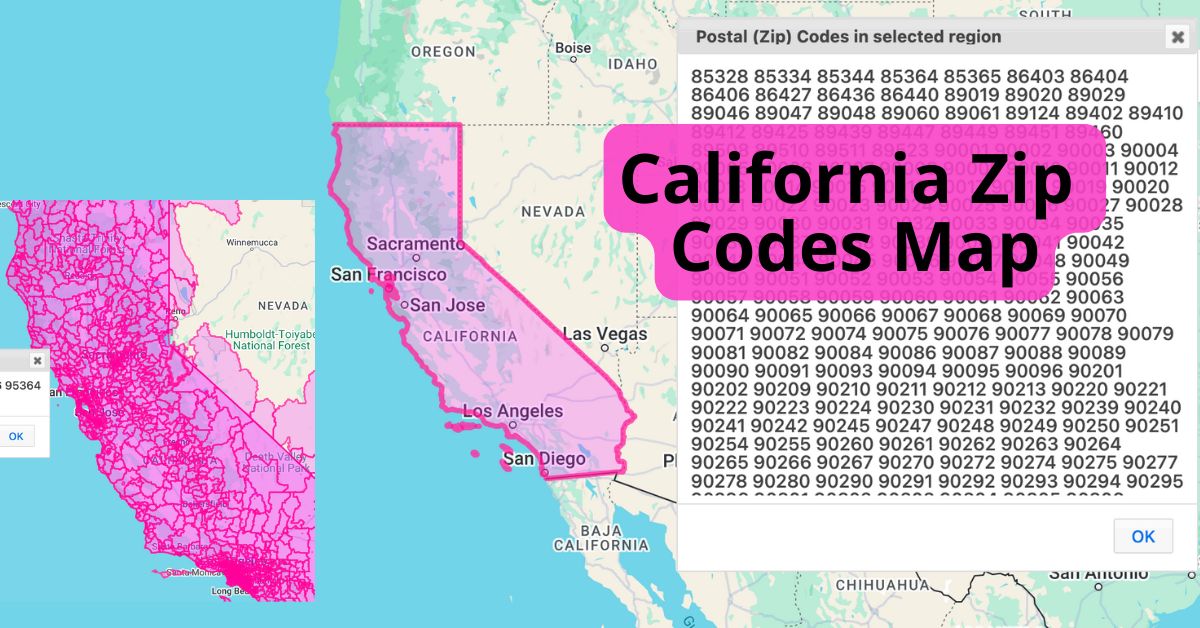
Iconic California Regions Through Their Zip Codes
Exploring California by zip code offers a unique lens through which to appreciate its iconic regions, each defined by distinct geography, culture, and attractions. These numerical identifiers are not just administrative boundaries but gateways to understanding the very essence of a place.
Coastal Escapes
California’s legendary coastline is home to myriad destinations, each with its own zip code signature:
- San Diego (921xx): This range covers the full spectrum of San Diego experiences. 92101 puts you in the heart of the bustling Gaslamp Quarter and downtown, near Petco Park and vibrant nightlife. Step across the bridge to 92118, and you’re on the pristine shores of Coronado, famous for its historic Hotel del Coronado.
- Los Angeles (90xxx): The vast Los Angeles area offers diverse coastal vibes. 90401 drops you in the heart of Santa Monica, famous for its pier and beach scene. Heading up the coast, 90265 signifies the exclusive enclaves and surf breaks of Malibu.
- Central Coast (934xx, 939xx): This picturesque stretch includes gems like Santa Barbara (93101), known as the “American Riviera,” offering Spanish colonial architecture and wine tasting. Further north, 93940 places you in charming Monterey with its historic Cannery Row and world-class aquarium, while neighboring 93921 is the fairy-tale village of Carmel-by-the-Sea.
- San Francisco Bay Area (94xxx): The iconic 941xx series covers San Francisco proper, from the financial district (94104) to the colorful Victorian houses of the Haight-Ashbury (94117). Just across the Golden Gate Bridge, 94965 points to the scenic waterfront town of Sausalito.
Wine Country Wonders
California’s world-renowned wine regions are also meticulously organized by zip code, guiding enthusiasts to specific appellations and experiences:
- Napa Valley (945xx): The heart of California wine country. 94559 covers the city of Napa, with its vibrant downtown and numerous tasting rooms. Drive north to 94599 for the gourmet hub of Yountville, or continue to 94574 for St. Helena, home to some of the valley’s most historic estates.
- Sonoma County (954xx): This broader wine region offers a more laid-back vibe. 95476 encompasses the historic town of Sonoma and its surrounding vineyards, while 95448 leads to Healdsburg, a charming town amidst the Russian River Valley and Dry Creek Valley appellations.
Mountain & Desert Retreats
For those seeking dramatic landscapes beyond the coast and vineyards, California’s mountain ranges and deserts offer unique adventures, also identifiable by zip code:
- Lake Tahoe (961xx): The stunning alpine lake spans the California-Nevada border. On the California side, 96150 covers South Lake Tahoe, a popular hub for skiing, hiking, and lake activities.
- Palm Springs (922xx): In the Sonoran Desert, 92262 places you in the heart of Palm Springs, famed for its mid-century modern architecture, golf courses, and vibrant arts scene.
- Yosemite National Park (95389): While a vast wilderness, the primary postal address for Yosemite Valley is 95389, guiding visitors to the most iconic viewpoints and visitor services within the park. This demonstrates how even remote natural landmarks utilize zip codes for orientation.
Practical Tips for Travelers Using California Zip Codes
While the five-digit zip code provides a foundational understanding, there are additional nuances and modern applications that can further enhance a traveler’s journey through California. Incorporating these tips ensures that zip codes are not just passive identifiers but active tools in crafting an unforgettable travel experience.
Beyond the Five Digits: Understanding the ZIP+4 Extension
Many zip codes in the United States, including those in California, are often followed by a four-digit extension, creating a “ZIP+4” code. While typically not essential for general travel planning, understanding its purpose can sometimes offer hyper-local precision. The ZIP+4 system was introduced to allow for more granular sorting of mail, identifying a specific segment of a street, a building, or even a particular department within a large organization. For travelers, this means that if you’re looking for a very specific address within a large complex, or trying to distinguish between two closely located but distinct points of interest, the ZIP+4 could provide that extra layer of accuracy when cross-referencing with local maps or GPS systems, ensuring you arrive at the exact doorstep of your destination, whether it’s a specific entrance to a museum or a particular office within a sprawling resort.
Online Mapping and GPS Integration
In the modern age of travel, zip codes are seamlessly integrated into virtually all online mapping services and GPS devices, making them incredibly powerful navigational aids. When planning a route using platforms like Google Maps, Apple Maps, or dedicated car GPS units, entering a zip code as a destination or as a waypoint can be far more efficient than typing out a full address, especially if you’re unsure of the exact street number. This is particularly useful in large, complex cities like Los Angeles or San Francisco where street names can be duplicated or confusing. Furthermore, many travel apps for hotels, restaurants, and attractions allow you to search or filter by zip code, instantly showing you relevant points of interest within a desired geographical pocket. This integration streamlines real-time navigation and planning, enabling spontaneous discoveries while maintaining a clear sense of direction and proximity to your primary goals.

Local Government and Services for Travelers
Zip codes are also invaluable for accessing local government and visitor services. Most city and county websites, as well as tourism bureaus, organize their information by geographical area, often correlating with zip codes. If you need to find a local visitor information center, inquire about local events, understand specific parking regulations, or even locate emergency services within a particular area of California, knowing the zip code of your current or intended location can quickly direct you to the most relevant resources. For example, if you’re in Santa Barbara’s 93101 zip code, a quick search for the local tourism office by that code will guide you to resources specifically tailored to that area, rather than a general statewide information portal. This localized access to information and services can be crucial for resolving queries, finding local tips, or even assisting in unexpected situations, making your travels smoother and more informed.
In conclusion, understanding California’s zip codes is an underappreciated yet incredibly powerful tool for any traveler. Far from being mere postal identifiers, they are geographical keys that unlock detailed insights into neighborhoods, streamline logistical planning, and provide a framework for exploring the Golden State’s magnificent diversity. By consciously utilizing zip codes, visitors can move beyond generic itineraries to craft highly personalized, efficient, and deeply immersive travel experiences, ensuring every mile of their California adventure is purposeful and rewarding.
LifeOutOfTheBox is a participant in the Amazon Services LLC Associates Program, an affiliate advertising program designed to provide a means for sites to earn advertising fees by advertising and linking to Amazon.com. Amazon, the Amazon logo, AmazonSupply, and the AmazonSupply logo are trademarks of Amazon.com, Inc. or its affiliates. As an Amazon Associate we earn affiliate commissions from qualifying purchases.