The allure of the shimmering lights of Las Vegas calls to many from the bustling cityscape of Los Angeles, creating a constant buzz around the journey between these two iconic American destinations. Whether you’re a thrill-seeker dreaming of the casinos, a family planning a memorable vacation, or a business traveler heading to a conference, understanding the distance and the best ways to traverse it is the first step in planning an unforgettable adventure. This comprehensive guide will not only pinpoint the exact distance but also delve into every facet of the trip, from optimal travel routes and times to what you can expect upon arrival in each vibrant city. Prepare to uncover the secrets of a seamless journey, making the most of your travel, accommodation, and tourism experiences.
The Distance Unveiled: Understanding the Journey Between Two Iconic Cities
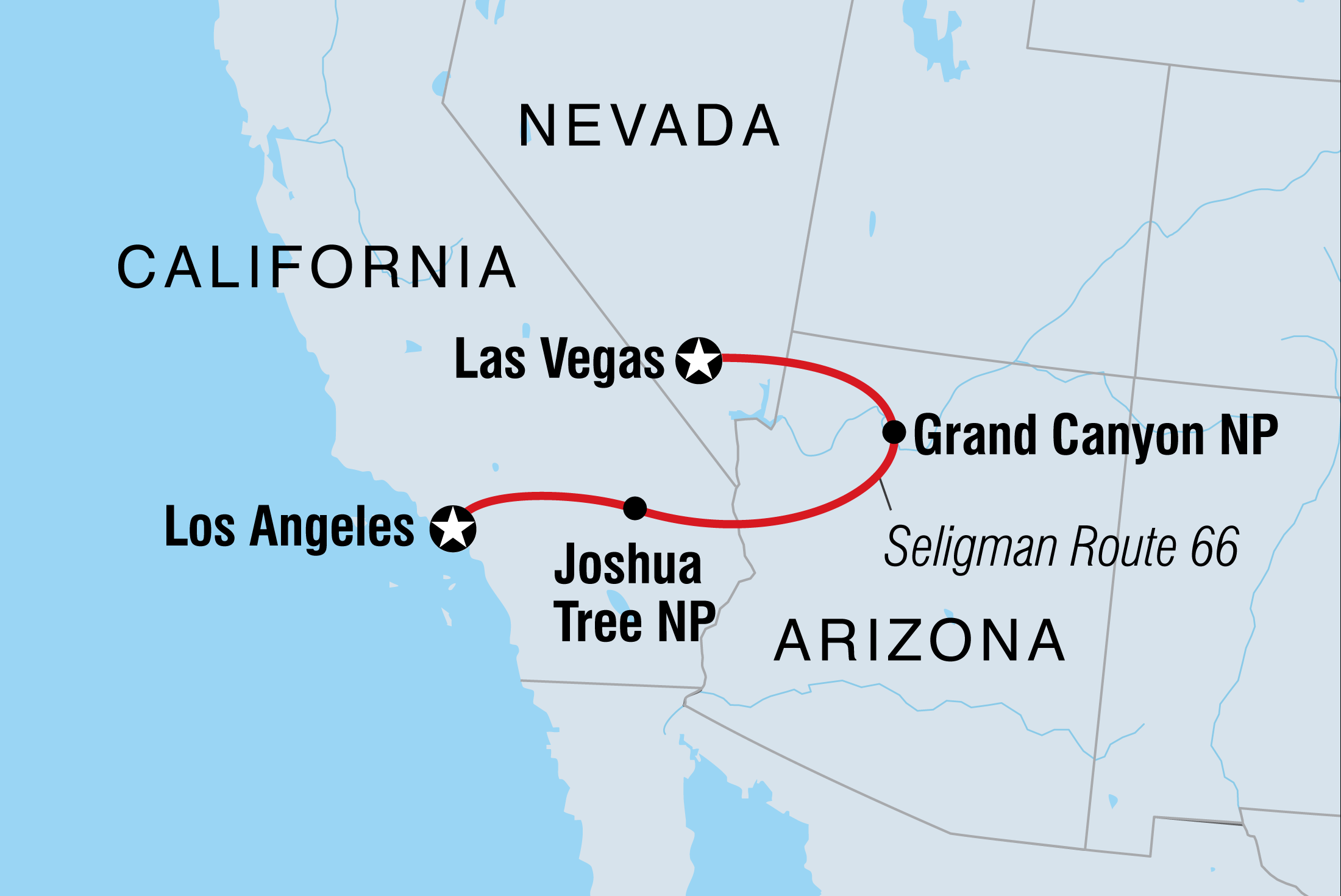
The journey from the sprawling urban landscape of Los Angeles in California to the dazzling desert oasis of Las Vegas in Nevada is a classic Southwest road trip, a short flight, or a comfortable bus ride. The distance itself is manageable, making either city an ideal short getaway or an exciting starting point for a longer regional exploration.
Direct Distance vs. Driving Distance: What to Expect
When we talk about distance, it’s important to distinguish between the “as the crow flies” measurement and the actual road distance you’ll cover. The straight-line or aerial distance between Los Angeles and Las Vegas is approximately 225 miles (362 kilometers). This is primarily relevant for air travel, offering a quick and direct path across the Mojave Desert.
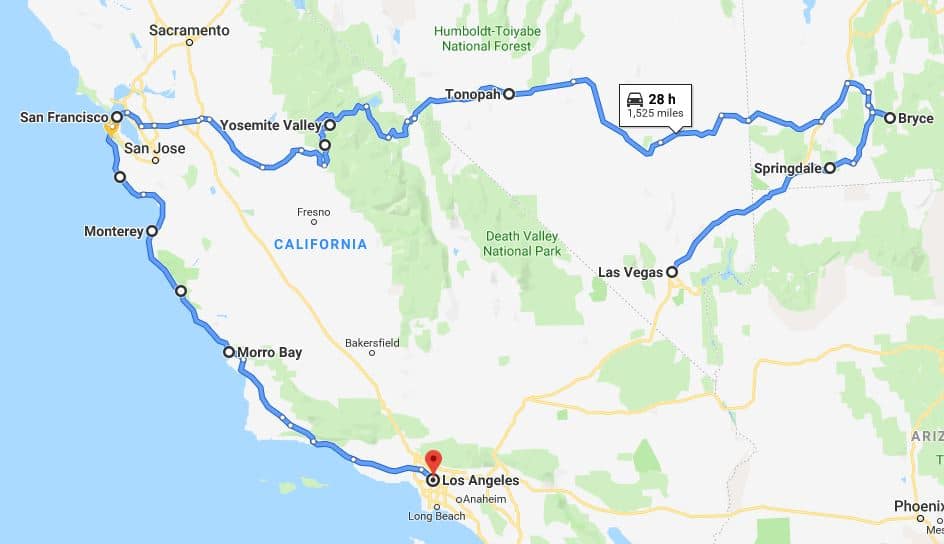
However, for most travelers, the driving distance is what truly matters. The most common and direct route by car follows Interstate 15 (I-15) Northeast, a well-maintained highway that cuts through the desert landscape. The typical driving distance along this route is about 270 miles (435 kilometers). This can vary slightly depending on your exact starting point in Los Angeles and your final destination within Las Vegas. For example, a trip starting from Santa Monica might add a few more miles compared to one originating from Pasadena, while arriving at a resort on The Strip will differ slightly from reaching downtown Fremont Street Experience.
Average Travel Times and Factors Affecting Them
The average driving time between Los Angeles and Las Vegas is generally 4 to 5 hours under ideal conditions. However, several factors can significantly influence this duration, making proper planning essential for any trip.
- Traffic: This is arguably the biggest variable. Departing Los Angeles during peak rush hour, especially on a Friday afternoon or Saturday morning, can add significant delays. Similarly, returning to Los Angeles on a Sunday afternoon or evening from Las Vegas can also mean battling heavy traffic on I-15, particularly around the Cajon Pass and approaching the Greater Los Angeles Area. It’s not uncommon for a “4-hour” drive to stretch to 6 or even 7 hours during these times.
- Rest Stops and Breaks: The desert route offers various stops for gas, food, and stretching. Popular stops include Barstow, Baker, and areas around the Nevada border. Taking regular breaks is crucial for safety and comfort, especially when traveling with family or for business.
- Construction: Roadwork can occur at any time, causing lane closures and slowdowns. Checking real-time traffic updates before and during your journey is highly recommended.
- Weather Conditions: While the Mojave Desert is often clear and sunny, extreme heat in summer can necessitate more frequent stops for vehicle cooling and driver hydration. Winter months can occasionally bring unexpected desert storms or even snow at higher elevations, though this is rare on the main I-15 corridor.
For those flying, the actual flight time is remarkably short, typically around 1 hour to 1 hour 15 minutes. However, the total travel time from door-to-door will naturally be longer, accounting for travel to and from airports, check-in, security, boarding, and baggage claim. This can easily add up to 3-4 hours, sometimes rivaling the quicker driving times if traffic is light.
Navigating the Desert: Your Travel Options Explored
The choice of transportation between Los Angeles and Las Vegas largely depends on your budget, time constraints, desire for flexibility, and personal travel lifestyle. Each option presents its own set of advantages and considerations.
The Classic Road Trip: Driving from LA to Vegas
For many, the quintessential way to travel between these two cities is by car. The freedom of the open road, the changing desert landscape, and the ability to stop whenever and wherever you please are significant draws.
- The Route: The primary artery for this journey is Interstate 15 (I-15). It’s a straightforward drive, with relatively few turns once you’re on the freeway. As you leave the urban sprawl of Los Angeles behind, the scenery quickly transitions to the vast expanses of the Mojave Desert, characterized by sparse vegetation, Joshua trees, and distant mountain ranges.
- Points of Interest Along the Way: While the desert might seem barren, there are unique sights that make for interesting detours or quick stops:
- Barstow: A common mid-way stop with various fast-food restaurants, gas stations, and the Route 66 Mother Road Museum.
- Baker: Home to the “World’s Tallest Thermometer” and a good place for a quick break before crossing into Nevada.
- Seven Magic Mountains: Just south of Las Vegas, this vibrant art installation of stacked, neon-colored boulders provides an excellent photo opportunity and a splash of color against the desert backdrop.
- Mojave National Preserve: For those with more time, a detour into this preserve offers stunning desert landscapes, volcanic cinder cones, and unique geological formations, a true landmark of nature.
- Rental Cars and Costs: If you don’t own a car or prefer not to put miles on yours, numerous rental car companies operate in Los Angeles. Costs vary based on vehicle type, duration, and seasonality. Factor in fuel expenses, which can be significant for the 540-mile round trip, and potentially a one-way drop-off fee if you’re not returning to Los Angeles.
- Tips for Desert Driving: Always ensure your vehicle is in good condition, especially tires and fluid levels. Carry plenty of water, especially during hot summer months, as temperatures can soar. Cell service can be spotty in some remote stretches of the desert.
Flying High: A Quick Aerial Hop
For those prioritizing speed and convenience, flying is an excellent option. The short flight time makes it ideal for business travelers or anyone looking to maximize their time in either destination.
- Airports:
- In Los Angeles, you have several options: Los Angeles International Airport (LAX) is the largest and busiest, offering the most flight choices. Smaller, often more convenient alternatives include Hollywood Burbank Airport (BUR) and Long Beach Airport (LGB). These smaller airports often boast quicker security lines and easier parking.
- In Las Vegas, all commercial flights arrive at Harry Reid International Airport (LAS), formerly McCarran International Airport. It’s conveniently located just a few miles from The Strip.
- Airlines and Flight Duration: Numerous airlines operate this popular route, including budget carriers like Spirit Airlines and Allegiant Air, as well as major airlines such as Southwest Airlines, Delta Air Lines, United Airlines, and American Airlines. Direct flights typically take between 1 hour and 1 hour 15 minutes.
- Cost Comparison: Flight prices can fluctuate wildly depending on booking in advance, time of year, day of the week, and airline sales. Often, particularly outside of peak travel times, flights can be surprisingly affordable, sometimes even comparable to or cheaper than the cost of gas for driving, especially when considering the wear and tear on a vehicle.
- Total Travel Time: While the flight is short, remember to factor in airport commute times (especially to LAX), two hours for pre-flight security and boarding, and post-arrival procedures. This means a seemingly 1-hour flight can easily become a 3.5 to 4.5-hour journey from one city center to the other.
Alternative Ground Transportation: Buses and Trains
For budget-conscious travelers, those who prefer to avoid driving, or simply want to relax and enjoy the scenery, bus travel offers a viable alternative.
- Bus Services: Several bus companies provide regular service between Los Angeles and Las Vegas. Popular operators include Greyhound and FlixBus.
- Pros: Generally the most economical option. You can sit back, relax, and often use Wi-Fi. No need to worry about driving fatigue, parking, or navigation.
- Cons: Travel time is significantly longer than driving or flying, typically ranging from 5.5 to 8 hours, depending on stops and traffic. Less flexibility in departure times and routes.
- Train Services: There is currently no direct passenger train service that connects Los Angeles directly to Las Vegas. While Amtrak does operate in the region, any train journey would involve multiple transfers and significantly longer travel times, making it impractical for this specific route. However, there are ongoing discussions and plans for high-speed rail projects that could one day connect these two metropolises, promising a futuristic travel experience.
Beyond the Journey: What Awaits You
Once you’ve successfully navigated the journey, whether by road or air, a world of distinctive experiences awaits in both Las Vegas and Los Angeles. Each city offers a unique blend of attractions, accommodation, and lifestyle choices that cater to diverse tastes.
Las Vegas: The Entertainment Capital of the World
Las Vegas truly lives up to its reputation as “The Entertainment Capital of the World.” It’s a city designed for tourism and a lifestyle of indulgence.
- Attractions: The iconic Las Vegas Strip is the heart of the action, lined with colossal casino resorts like the Bellagio (famous for its dancing fountains), Caesars Palace with its Roman-inspired opulence, and The Venetian Resort offering gondola rides. Beyond gambling, Las Vegas boasts world-class shows (from Cirque du Soleil to superstar residencies), exquisite dining experiences by celebrity chefs, high-end shopping, and vibrant nightlife at numerous clubs and bars. Don’t forget the original downtown area, the Fremont Street Experience, with its dazzling LED canopy light shows.
- Accommodation: Hotels in Las Vegas are an experience in themselves. From opulent suites at MGM Grand or Aria Resort & Casino to more budget-friendly options off The Strip, there’s something for every preference. Many resorts offer an incredible array of amenities including spas, pools, shopping malls, and diverse culinary options, catering to luxury travel and family trips alike.
- Lifestyle & Tourism: A visit to Las Vegas is often about embracing a luxurious or indulgent lifestyle, but budget travel is also possible with careful planning. Beyond the city lights, the natural landmarks surrounding Las Vegas offer a stark contrast, with places like Red Rock Canyon National Conservation Area offering hiking and scenic drives, and the magnificent Hoover Dam and Lake Mead National Recreation Area just a short drive away. For the truly adventurous, a day trip to the Grand Canyon National Park is a breathtaking experience.
Los Angeles: A City of Stars and Diversity
Los Angeles, on the other hand, is a sprawling metropolis known for its entertainment industry, diverse neighborhoods, and vibrant cultural scene. It’s a city that offers a blend of glitz and glamour with laid-back beach vibes and rugged natural beauty.
- Attractions: The city is home to iconic landmarks such as the Hollywood Walk of Fame and the majestic Griffith Observatory, offering incredible views of the city skyline and the Hollywood Sign. The famous beaches of Santa Monica (with its iconic pier) and eclectic Venice Beach provide a quintessential Southern California experience. Theme park enthusiasts flock to Disneyland Park in nearby Anaheim and Universal Studios Hollywood, where you can delve into the magic of filmmaking. Art lovers will appreciate the extensive collections at the Getty Center and the Los Angeles County Museum of Art.
- Accommodation: Los Angeles offers an incredibly diverse range of accommodation options. From luxury hotels in Beverly Hills near Rodeo Drive to trendy boutique hotels in West Hollywood, family-friendly apartments near the beaches, or budget-friendly options in more suburban areas, there’s a stay for every type of traveler. Long-term stay villas are also popular for those looking to experience the local culture more deeply.
- Lifestyle & Tourism: Los Angeles offers a lifestyle that blends outdoor activity with metropolitan sophistication. The local culture is a melting pot of global influences, reflected in its world-class food scene, vibrant arts, and diverse neighborhoods. Whether you’re seeking a glamorous luxury travel experience, a family-friendly vacation packed with theme park adventures, or a business stay with easy access to major studios and tech hubs, Los Angeles delivers. Nature lovers can also venture out to nearby natural landmarks like Joshua Tree National Park for a desert escape.
Planning Your Trip: Essential Tips for a Seamless Journey
A well-planned trip enhances the entire travel experience, minimizing stress and maximizing enjoyment. Considering a few key factors can make your journey between Los Angeles and Las Vegas even more delightful.
Best Time to Travel
The timing of your trip can greatly influence your experience, particularly concerning weather and crowds.
- Weather Considerations: Both Los Angeles and Las Vegas can experience extreme heat during summer (June to September), with temperatures in Las Vegas often exceeding 100°F (38°C). Spring (March to May) and Fall (October to November) generally offer the most pleasant weather, with warm days and cooler evenings, making them ideal for exploring. Winters (December to February) are mild in Los Angeles and cool in Las Vegas, with occasional rain.
- Peak Seasons and Holidays: Weekends, especially long holiday weekends (like Memorial Day, Labor Day, New Year’s Eve), see a significant surge in traffic on I-15 and higher prices for flights and accommodation in Las Vegas. If you’re on a budget or prefer fewer crowds, consider traveling mid-week or during off-peak seasons. Major conventions or events in either city can also lead to increased demand and prices.
Accommodation and Booking Advice
Booking your accommodation wisely is crucial for a comfortable and enjoyable trip, regardless of whether you’re looking for luxury, budget, or family-friendly options.
- Booking in Advance: Especially for popular destinations like Las Vegas on weekends or during major events, booking your hotel, resort, or apartment well in advance is highly recommended. This ensures better availability and often more favorable rates.
- Comparison Sites and Reviews: Utilize online booking platforms and comparison websites to find the best deals on hotels, suites, villas, or even extended-stay apartments. Pay close attention to recent reviews from other travelers, as they provide invaluable insights into amenities, service quality, and overall experience.
- Types of Stays: Consider your travel style. Are you looking for a full-service resort with all amenities, a cozy boutique hotel with local character, a spacious apartment for a family trip, or a convenient long-term stay option for a business trip? Each choice offers a different experience and should align with your lifestyle preferences. Don’t forget to check for specific amenities like pools, fitness centers, or complimentary breakfast.
Maximizing Your Experience
To truly make the most of your travel between and within these dynamic cities, keep these tips in mind.
- Budgeting: Create a detailed budget encompassing travel, accommodation, food, activities, and souvenirs. Both Los Angeles and Las Vegas can be expensive, but there are also plenty of free or low-cost activities and dining options if you look for them.
- Packing Essentials: Depending on the season, pack appropriate clothing. Sunscreen, hats, and comfortable walking shoes are essential for exploring. Don’t forget chargers, power banks, and any necessary medications.
- Considering Side Trips: The geographical proximity of these cities makes them excellent hubs for exploring nearby natural landmarks. From Las Vegas, consider a trip to the Valley of Fire State Park or the aforementioned Grand Canyon. From Los Angeles, day trips to San Diego, Palm Springs, or Santa Barbara offer diverse experiences.
- Flexibility: While planning is key, sometimes the best experiences come from spontaneous decisions. Be open to adjusting your itinerary based on local recommendations, unexpected events, or simply how you feel.
The distance between Los Angeles, California, and Las Vegas, Nevada, is a manageable 270 miles by road, a journey that can be completed in as little as 4-5 hours by car or a mere hour by plane. Each mode of travel offers its own set of advantages, catering to different preferences for speed, cost, and comfort. Whether you choose the classic I-15 road trip with its desert vistas and quirky stops, the swift convenience of a short flight, or the economical relaxation of a bus journey, the path between these two vibrant destinations is well-traveled and well-equipped for your adventure.
Beyond the logistical aspects of distance and duration, the true richness of this travel corridor lies in the diverse experiences it connects. From the star-studded glamour and diverse cultural tapestry of Los Angeles to the unparalleled entertainment and luxurious accommodations of Las Vegas, both cities promise an array of attractions, culinary delights, and lifestyle choices to explore. By understanding the journey, planning strategically, and embracing the distinct character of each destination, your trip between Los Angeles and Las Vegas is set to be as exciting and rewarding as the destinations themselves. Safe travels!