
Los Angeles, often referred to as the City of Angels, is a name synonymous with glitz, glamour, sprawling urban landscapes, and a vibrant cultural tapestry. However, beneath the popular imagery and global recognition, a fundamental geographical question often arises for visitors and those looking to understand the region more deeply: what county is Los Angeles, California? The answer is unequivocal: Los Angeles is the largest city within, and the county seat of, Los Angeles County.
Los Angeles County is not merely a political subdivision; it is an enormous and incredibly diverse geographical entity that shapes the very experience of visiting Southern California. Encompassing an area larger than many U.S. states and several small countries, the county stretches from the shores of the Pacific Ocean to the high desert, embracing mountains, valleys, and hundreds of distinct cities and unincorporated communities. Understanding this vast county is crucial for any traveler seeking to truly explore and appreciate the multifaceted nature of what is commonly perceived as “Los Angeles.” It’s a region where iconic landmarks coexist with hidden gems, where bustling metropolises transition into tranquil natural preserves, and where a melting pot of cultures creates an unparalleled dynamic atmosphere. For those planning a trip, recognizing the sheer scale and diversity of Los Angeles County is the first step towards crafting an unforgettable itinerary that extends far beyond the typical tourist hotspots.
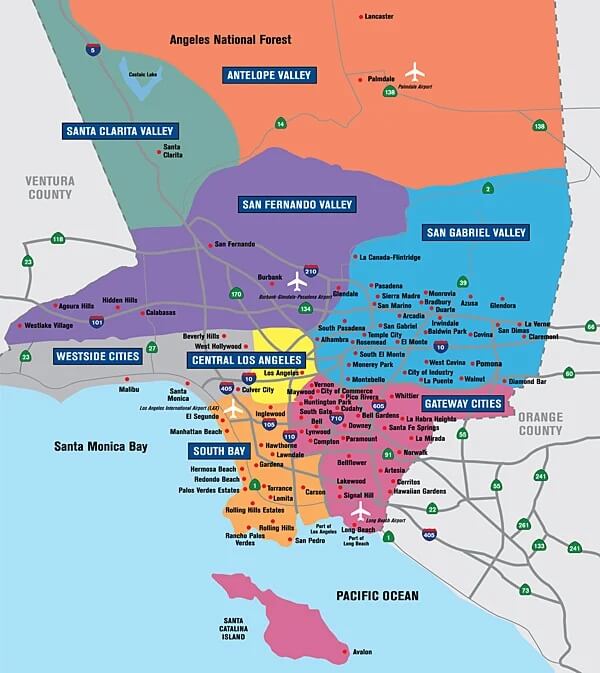
Unpacking Los Angeles: The Heart of Los Angeles County
While many refer simply to “Los Angeles” as a singular destination, it’s essential for travelers to grasp that the City of Los Angeles is but one significant, albeit central, component of the much larger Los Angeles County. This distinction is vital for planning, logistics, and truly appreciating the region’s breadth.
The City of Angels: A Global Icon
The City of Los Angeles itself is a global powerhouse, renowned for its role in entertainment, arts, fashion, technology, and international trade. It is the second-most populous city in the United States and a vibrant center of culture and innovation. Within its municipal boundaries, visitors can explore famous districts like Hollywood, home to the Hollywood Walk of Fame and the glamour of the film industry; the sophisticated streets of Beverly Hills; the artistic and intellectual hub around UCLA and the Getty Center; the historic core of Downtown Los Angeles with its soaring skyscrapers, cultural institutions, and bustling markets; and the scenic vistas from the Griffith Observatory. Each neighborhood within the city offers a distinct flavor and a myriad of attractions, from world-class museums to diverse culinary experiences. This concentrated area provides an abundance of activities, making it a primary draw for first-time visitors.
Beyond the City Limits: Understanding the Greater Los Angeles Area
However, to confine one’s understanding of “Los Angeles” solely to the City of Los Angeles would be to miss a significant portion of what makes this region so compelling. Los Angeles County is a mosaic of 88 incorporated cities and numerous unincorporated areas, each with its own unique identity, attractions, and character. From the affluent coastal enclaves to the sprawling valleys, from historic towns to developing urban centers, the county offers an astonishing variety of experiences. This broader geographical context means that many attractions often associated with “LA” — such as the pristine beaches of Malibu or the vibrant pier of Santa Monica — are actually in separate, though contiguous, cities within the county. Understanding this expansive nature allows travelers to envision a more comprehensive and enriching itinerary, moving beyond the central city to discover the broader, equally captivating tapestry of the greater Los Angeles area.
A Geographical Tapestry: Exploring Los Angeles County’s Diverse Regions
The sheer size and varied topography of Los Angeles County translate into a remarkable diversity of environments and experiences for travelers. From sun-drenched coastlines to rugged mountain ranges and expansive valleys, the county offers a spectrum of landscapes and lifestyles.
Coastal Wonders and Beach Cities
The western edge of Los Angeles County is defined by its stunning coastline, home to some of California’s most iconic beach cities. Each offers a unique vibe, making them essential stops for any Southern California itinerary. Santa Monica dazzles with its famous pier, vibrant Third Street Promenade, and extensive bike paths. Just north, Malibu embodies upscale coastal living, offering breathtaking ocean views, secluded beaches, and world-class surfing. To the south, Hermosa Beach and Manhattan Beach exude classic Southern California beach culture, with lively volleyball scenes, charming downtown areas, and a relaxed atmosphere. Further south, Long Beach offers a unique urban waterfront experience, featuring the historic Queen Mary and the world-renowned Aquarium of the Pacific, as well as easy access to Catalina Island. These coastal communities provide a perfect blend of sun, sand, surf, and sophisticated amenities, making them popular destinations for both relaxation and recreation.
Inland Valleys and Urban Hubs
Moving inland, the county transforms into vast, densely populated valleys and vibrant urban centers. The San Fernando Valley, often simply called “the Valley,” is a sprawling region known for its residential communities, diverse culinary scene, and a blend of suburban charm with pockets of urban development. It’s home to major studios and offers a more laid-back alternative to the bustling city center. To the east, the San Gabriel Valley is a cultural melting pot, particularly celebrated for its incredible Asian cuisine, historic landmarks, and the beautiful city of Pasadena, famous for the Rose Bowl and its charming Old Town. These areas offer a glimpse into the everyday life of millions of Angelenos, providing authentic experiences far removed from the tourist-heavy zones. Exploring these valleys reveals a rich tapestry of communities, each contributing to the county’s dynamic character.
Mountain Retreats and Desert Edges

Beyond the urban sprawl and coastal allure, Los Angeles County surprises with its dramatic natural landscapes. The San Gabriel Mountains, largely protected within the Angeles National Forest, offer an incredible escape for outdoor enthusiasts. Here, visitors can find hiking trails, scenic drives, camping spots, and even skiing during winter months, all within a relatively short drive from the urban core. This mountainous region provides a stark contrast to the beach and city environments, inviting travelers to explore a different facet of Southern California’s natural beauty. Further north, the county extends into the high desert, encompassing cities like Palmdale and Lancaster. This area offers unique desert flora and fauna, clear night skies ideal for stargazing, and a different pace of life, showcasing the county’s remarkable ecological diversity and geographic extremes.
Navigating the Expansive Landscape: Travel and Exploration within the County
Given the sheer size and diversity of Los Angeles County, effective navigation and strategic planning are paramount for any traveler. What might appear as a short distance on a map can often translate into a lengthy journey, necessitating a thoughtful approach to itinerary development.
Transportation Challenges and Solutions
One of the most significant considerations for exploring Los Angeles County is transportation. The region is famously known for its traffic congestion, especially during peak hours. Relying solely on a single mode of transport can limit one’s ability to fully experience the county’s offerings. While a rental car offers the most flexibility for reaching diverse attractions across vast distances, travelers should factor in substantial driving times and parking challenges. For those preferring not to drive, Los Angeles County boasts an extensive public transportation system, Metro, which includes subway lines, light rail, and bus services connecting many key areas, including Downtown Los Angeles, Hollywood, Santa Monica, and Long Beach. Ride-sharing services are also widely available and convenient, especially for shorter trips or when navigating areas with limited public transport. A hybrid approach, combining public transport for dense urban areas with ride-sharing or a rental car for excursions to more distant or less accessible locations, often proves to be the most efficient strategy. Pre-planning routes and understanding potential travel durations are critical to maximizing exploration time.
Curating Your Itinerary: Thematic Explorations
Understanding the distinct geographical and cultural regions within Los Angeles County empowers travelers to curate more focused and thematic itineraries. Instead of attempting to see “everything,” which is virtually impossible in one trip, visitors can tailor their journey to specific interests. For instance, a “Coastal Adventure” itinerary could focus on beach cities like Santa Monica, Malibu, and Hermosa Beach, enjoying surfing lessons, pier attractions, and waterfront dining. A “Cultural Deep Dive” might concentrate on Downtown Los Angeles’s museums and historic architecture, combined with exploring the diverse culinary scenes of the San Gabriel Valley and Koreatown. An “Entertainment Enthusiast” trip would naturally center around Hollywood, studio tours, and perhaps a live show. For nature lovers, combining a visit to Griffith Park with hiking in the Angeles National Forest offers a refreshing escape. By approaching the county as a collection of distinct yet interconnected destinations, travelers can create a more coherent, enjoyable, and less rushed experience, delving deeper into the specific facets of Southern California that pique their interest.
Why Understanding the County Matters for Travelers
For any serious traveler, a thorough understanding of Los Angeles County and its relationship to the City of Los Angeles is not just a matter of geographical accuracy; it’s a strategic advantage that significantly enhances the travel experience. It allows for deeper immersion, smarter logistics, and a truer appreciation of the region’s vast diversity.
Beyond the Postcard: Deeper Immersion
Focusing solely on the iconic, postcard-perfect images of Los Angeles — such as the Hollywood Sign or the Santa Monica Pier — risks missing out on the authentic fabric of Southern California. By exploring beyond the central city and delving into the various communities within Los Angeles County, travelers gain access to local eateries, community events, less-crowded parks, and unique cultural experiences that are often overlooked by conventional tourist guides. This deeper immersion allows visitors to experience the true heartbeat of the region, from the historic charm of Pasadena to the vibrant art scene of Long Beach, or the quiet beauty of the Angeles National Forest. It’s about discovering the hidden gems and understanding the diverse lifestyles that coexist within this expansive county, moving beyond surface-level observations to truly connect with the destination.
Planning Logistics and Budgeting
Practical considerations like accommodation, dining, and transportation are profoundly affected by the county’s structure. Prices for hotels and rentals can vary significantly from one city to another within the county. For instance, staying in a beach city like Santa Monica or an upscale area like Beverly Hills will likely be more expensive than lodging in the San Fernando Valley or further inland. Understanding the county’s layout enables travelers to make informed decisions about where to base themselves, balancing proximity to desired attractions with budget constraints. Furthermore, factoring in travel times between different parts of the county is crucial. Distances can be deceptive, and traffic can add considerable time to journeys. By recognizing the geographical spread, visitors can allocate realistic timeframes for travel, avoid unnecessary stress, and optimize their daily schedules, ensuring a more relaxed and efficient trip.
Experiencing Southern California’s True Diversity
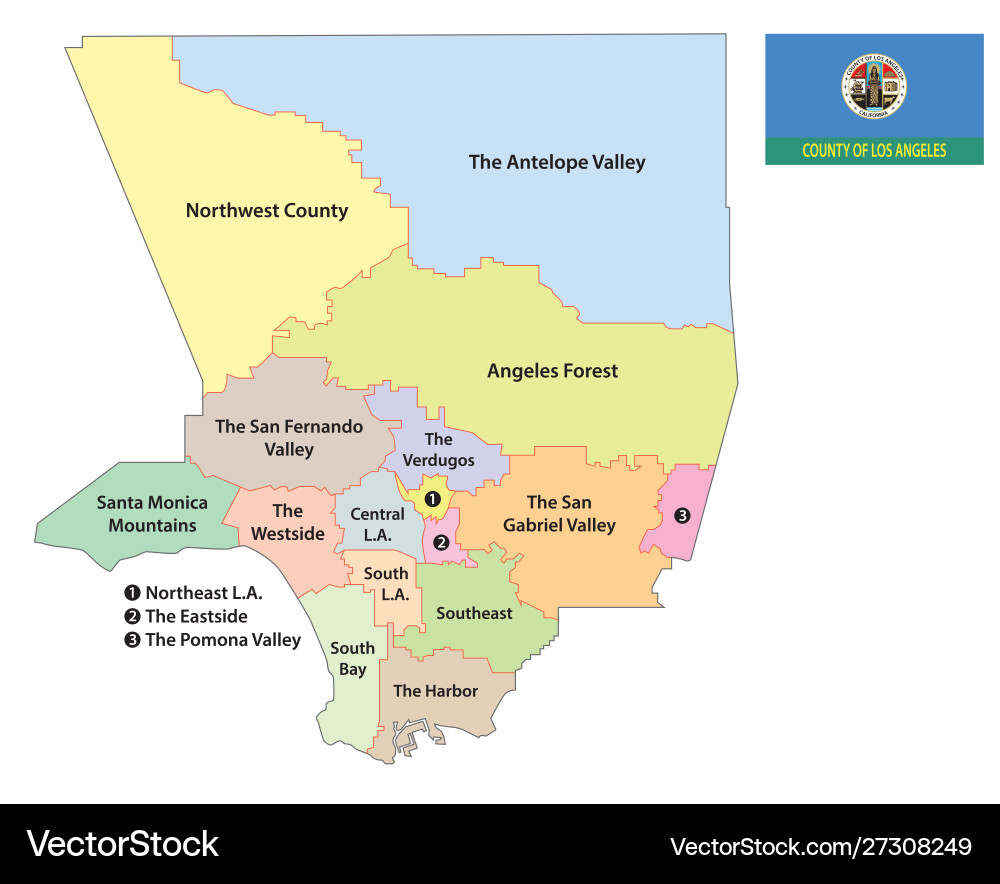
Ultimately, embracing the full scope of Los Angeles County allows travelers to experience the true diversity of Southern California. The county is a microcosm of the state itself, featuring everything from bustling urban centers and pristine beaches to rugged mountains and arid deserts. This geographical and cultural variety means that a single trip to the county can offer a multitude of distinct experiences, appealing to a wide range of interests. Whether one seeks glamorous city life, serene nature escapes, vibrant cultural exploration, or sun-drenched beach days, Los Angeles County has it all. It is this extensive breadth and depth that makes the region an endlessly fascinating and rewarding destination for travelers willing to look beyond the immediate city limits.
In conclusion, Los Angeles, California, resides within the expansive and incredibly diverse Los Angeles County. This fundamental piece of geographical information unlocks a world of travel possibilities, encouraging visitors to explore beyond the City of Los Angeles and discover the myriad of distinct cities, natural wonders, and cultural experiences that collectively define this dynamic region. By understanding the county as a whole, travelers can plan more effectively, delve deeper into local culture, and ultimately gain a richer, more nuanced appreciation for one of the world’s most captivating destinations.
LifeOutOfTheBox is a participant in the Amazon Services LLC Associates Program, an affiliate advertising program designed to provide a means for sites to earn advertising fees by advertising and linking to Amazon.com. Amazon, the Amazon logo, AmazonSupply, and the AmazonSupply logo are trademarks of Amazon.com, Inc. or its affiliates. As an Amazon Associate we earn affiliate commissions from qualifying purchases.