
Engaging with the civic process is a fundamental aspect of life in a democratic society, shaping the future of communities and reflecting the values of its residents. For anyone making their home in the Golden State, understanding the requirements to participate in elections is a crucial part of embracing their civic lifestyle. Whether you’re a long-time resident or new to the vibrant landscape of California, knowing how to cast your ballot empowers you to contribute directly to the decisions that impact your daily life, from local ordinances to statewide policies and national representation. This comprehensive guide will walk you through everything you need to know to exercise your right to vote in [California], ensuring you are well-prepared to make your voice heard in every election.
Understanding Voter Eligibility in California
The journey to the ballot box begins with understanding the basic eligibility criteria set forth by the state of [California]. These requirements are designed to ensure that all eligible residents have the opportunity to participate while maintaining the integrity of the electoral system.
Citizenship and Age Requirements
The foundational requirements for voting in [California] are straightforward. You must be:
- A United States citizen.
- A resident of [California].
- At least 18 years old by the date of the election.
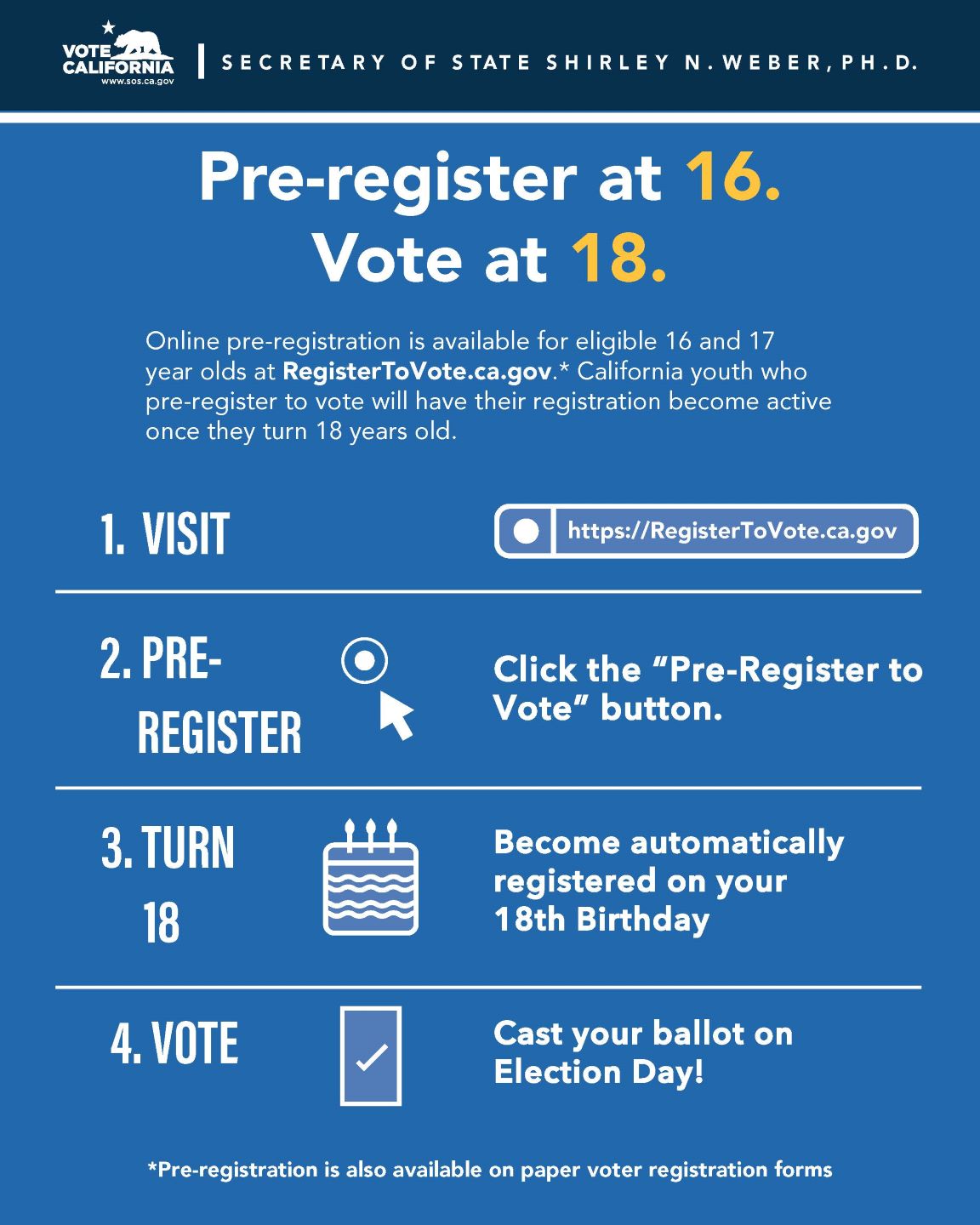
It’s important to note that while 16- and 17-year-olds can pre-register to vote, they cannot cast a ballot until they have turned 18. This pre-registration feature is a forward-thinking initiative by [California] to encourage early civic engagement among young people, helping them seamlessly transition into full participation once eligible.
Residency Defined
To be considered a resident of [California] for voting purposes, you must physically reside in the state with the intent to make it your permanent home. There is no specific duration of residency required; rather, it’s about establishing intent. This means that if you’ve recently moved to a new city within [California], such as from San Diego to Sacramento, you simply need to update your voter registration with your new address to ensure you receive the correct ballot for your local contests. The concept of residency is crucial because your ballot will contain candidates and measures specific to your current voting precinct, which is determined by your home address.
Special Considerations for Voters
[California]’s voting laws are among the most inclusive in the nation, particularly concerning individuals with past legal issues. Unlike some other states, individuals who are currently incarcerated for a felony offense are not eligible to vote. However, once released from prison or jail, or if on parole, felony probation, or mandatory supervision, their voting rights are automatically restored. This progressive stance ensures that civic participation remains accessible to a broader range of the population, reflecting a commitment to rehabilitation and reintegration into community life. Similarly, individuals who are legally deemed mentally incapacitated from making decisions may also be subject to specific restrictions, though these cases are carefully evaluated to protect individual rights.Navigating the Voter Registration Process
Once you’ve confirmed your eligibility, the next critical step is to register to vote. [California] offers multiple convenient ways to register, making the process accessible to nearly everyone.
Registration Deadlines and Methods
The standard deadline to register to vote for any election in [California] is 15 days before Election Day. This allows sufficient time for election officials to process your registration and mail you a ballot or provide information about your polling place. You can register in several ways:
- Online: The quickest and most convenient method is through the [California] Secretary of State’s website. You will need your [California] driver’s license or ID card number, the last four digits of your social security number, and your date of birth.
- By Mail: You can pick up a paper voter registration form at most post offices, public libraries, or Department of Motor Vehicles (DMV) offices. Fill it out and mail it in; it must be postmarked by the registration deadline.
- In Person: Forms are also available at county elections offices, where staff can assist you with the process. For example, if you live in Orange County, you can visit the [Orange County] Registrar of Voters office.
Remember, if you move, change your name, or wish to change your political party preference, you must re-register or update your existing registration. This ensures your voter information is accurate and you receive the correct ballot.
Conditional Voter Registration: Your Last Chance
[California] understands that life happens, and sometimes the standard registration deadline might be missed. This is where Conditional Voter Registration (CVR), often referred to as same-day voter registration, comes into play. If you miss the 15-day deadline, you can still register and cast a ballot conditionally at your county elections office or a voter information center (Voter’s Choice Act counties) up to and including Election Day. Your ballot will be counted once the county elections official verifies your eligibility. This critical safety net ensures that eligible residents are not disenfranchised due to a missed deadline. For example, residents in Los Angeles County can utilize the numerous voter centers for CVR.Maintaining Your Registration
It’s not enough to simply register; maintaining an active and accurate registration is equally important. The state regularly updates its voter rolls based on information from the DMV, the U.S. Postal Service, and other sources. However, it’s a good practice to periodically check your voter registration status online, especially before an upcoming election, to confirm your details are current. This proactive approach helps prevent any last-minute issues that could hinder your ability to vote. If you receive mail from your county election office requesting you to confirm your address, be sure to respond to avoid being classified as an “inactive voter,” which could lead to your registration being removed.
Casting Your Ballot: Methods and Security
[California] has adopted a progressive and flexible approach to voting methods, aiming to maximize participation while maintaining the security and integrity of the election process.
Voting by Mail: Convenience at Your Fingertips
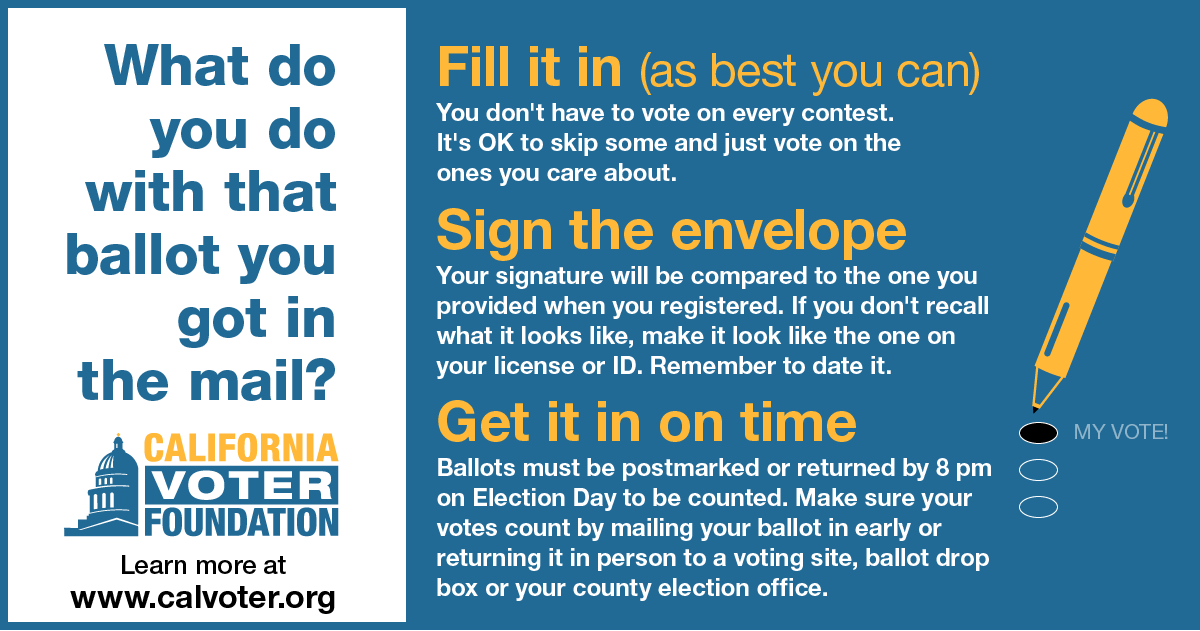
One of [California]’s most significant innovations is its universal vote-by-mail system. For most statewide elections, every registered voter automatically receives a ballot in the mail well before Election Day. This allows you to study the candidates and propositions at your leisure, consult non-partisan voter guides, and complete your ballot from the comfort of your home.
To return your mail-in ballot:
- Mail it back: Ensure it’s postmarked by Election Day and arrives at your county elections office within seven days after the election.
- Drop it off: Utilize official ballot drop boxes located throughout your county, which are secure and convenient. These are often available weeks before the election.
- Deliver in person: You can drop off your ballot at any polling place or voter center within your county on Election Day.
This system has dramatically increased voter turnout and convenience, making civic participation a seamless part of many Californians’ lifestyles.
In-Person Voting: Polling Places and Voter Centers
While vote-by-mail is prevalent, in-person voting remains a vital option for many. Depending on your county, you might have access to traditional polling places or multi-day voter centers.
- Traditional Polling Places: In some counties, you will be assigned a specific polling place, open only on Election Day, typically from 7:00 AM to 8:00 PM.
- Voter’s Choice Act (VCA) Counties: Many [California] counties, including Santa Clara County and Alameda County, operate under the Voter’s Choice Act. This model replaces traditional precinct polling places with multi-day voter centers, which are open for several days, including weekends, leading up to Election Day. At these centers, you can register to vote conditionally, update your registration, cast your ballot using accessible voting machines, or drop off your completed mail-in ballot. This system offers enhanced flexibility and resources.
Regardless of the method, all voting equipment in [California] undergoes rigorous testing and certification to ensure accuracy and security.
Accessibility for All Voters
[California] is committed to ensuring that all residents, including those with disabilities, can cast their ballot independently and privately.- Accessible Voting Equipment: Polling places and voter centers provide accessible voting machines that assist voters with visual impairments, limited mobility, or other disabilities. These machines often feature audio ballots, large-print options, and sip-and-puff devices.
- Curbside Voting: If you are unable to enter a polling place or voter center due to a physical disability, you may request curbside voting, where election officials will bring a ballot to your vehicle.
- Language Assistance: Ballots and voter information are available in multiple languages in many counties, and language assistance is often provided at voting locations. This inclusive approach ensures that linguistic diversity is not a barrier to participation.
What to Expect on Election Day and Beyond
Your civic duty doesn’t just end with marking a ballot. Understanding what happens on Election Day and how to stay informed are key components of an active civic lifestyle.
Identification: What You Need (or Don’t)
In [California], you are generally not required to show photo identification to vote in person, unless you are a first-time voter who registered by mail and did not provide your [California] driver’s license or ID card number or the last four digits of your Social Security number on your registration form. In such cases, you may be asked to show a form of ID when voting for the first time. Acceptable forms of ID include a driver’s license, state ID card, passport, or utility bill. For most voters, the emphasis is on verifying your registration, not requiring ID.
Understanding Your Ballot and Local Measures
Before you vote, take the time to review your sample ballot and the official Voter Information Guide sent by the Secretary of State. These resources provide detailed information about statewide candidates, propositions, and judicial elections. Additionally, your county elections office will send a guide with information on local candidates and measures pertinent to your city, such as Oakland or Fresno, and school districts. Understanding these measures and candidates is vital for making informed decisions that reflect your priorities for your community. Non-partisan organizations also publish comprehensive guides that can help break down complex issues.
Staying Informed About Election Results
After you cast your ballot, you can track its status online through the [California] Secretary of State’s “Where’s My Ballot?” tool. This feature allows you to see when your ballot was received and counted, offering peace of mind. Election results are typically reported on Election Night, but provisional ballots, conditional registrations, and mail-in ballots received shortly after Election Day are still being processed. Official results are usually certified several weeks after the election. Staying informed about these processes and the final outcomes is part of being a engaged resident.
Embracing Your Civic Lifestyle in California
Voting is more than a right; it’s a powerful expression of your civic lifestyle and an investment in the future of [California].
The Impact of Your Vote
Every vote truly matters. Local elections, in particular, often have the most direct impact on your daily life, determining who sits on city councils, school boards, and special district boards. These officials make decisions about everything from public safety and zoning to education and infrastructure. Statewide propositions can shape the social and economic landscape of [California] for years to come. By participating, you ensure that your voice is part of the collective decision-making process, influencing the policies and leadership that define life in the Golden State.
Resources for Voters
The [California] Secretary of State’s office is the primary resource for all voting-related information. Their website provides comprehensive guides, registration forms, and tools to check your registration status and ballot information. Additionally, your specific county elections office (e.g., San Joaquin County Registrar of Voters) offers localized information, polling place lookups, and direct assistance. Non-partisan organizations like the League of Women Voters of [California] also provide invaluable educational resources and voter guides.
In [California], the opportunity to vote is accessible, secure, and designed to encourage broad participation. By understanding the requirements and utilizing the available resources, you can confidently fulfill your civic duty and actively shape the vibrant lifestyle that defines living in the Golden State. Make your plan to vote in every election, because your participation is the cornerstone of a healthy democracy.
LifeOutOfTheBox is a participant in the Amazon Services LLC Associates Program, an affiliate advertising program designed to provide a means for sites to earn advertising fees by advertising and linking to Amazon.com. Amazon, the Amazon logo, AmazonSupply, and the AmazonSupply logo are trademarks of Amazon.com, Inc. or its affiliates. As an Amazon Associate we earn affiliate commissions from qualifying purchases.