
The culmination of an employment period in California is often marked by the anticipation of the final paycheck. Far from being a mere transactional detail, this last payout can serve as a significant financial springboard for individuals transitioning their lifestyle, whether it’s embarking on a long-awaited travel adventure, relocating for a new career, or simply adjusting to a different pace of life. For many, especially those who have completed a “business stay” or a significant work phase in the Golden State, understanding the components of this final payment is crucial for strategic financial planning, potentially funding future “budget travel” explorations or even contributing to a dream “luxury travel” experience. Navigating the specific regulations that govern final paychecks in California ensures you maximize your departure funds, transforming a professional conclusion into a vibrant new beginning.

Understanding Your Final Payout: A Gateway to New Lifestyles
When an employment relationship ends in California, whether voluntarily or involuntarily, the final paycheck is more than just a calculation of your last hours worked. It’s a comprehensive settlement of all outstanding earnings and benefits, meticulously regulated to protect employees. For someone contemplating a move, a career break, or extended travel, this final sum is often the primary capital available to finance their next chapter. A thorough understanding of what this check should entail can prevent financial surprises and empower you to plan your post-employment lifestyle with confidence, ensuring that your transition is as smooth and financially sound as possible.
Accrued Vacation Time & PTO: Your Untapped Travel Budget
One of the most significant components of a California final paycheck is the payout of accrued, unused vacation time. Unlike some other states, California law treats accrued vacation time as earned wages. This means employers generally cannot implement a “use it or lose it” policy without restrictions, and upon termination, they must pay out all unused vacation time at the employee’s final rate of pay. This includes any banked Paid Time Off (PTO) that operates under the same accrual principles as vacation. For the departing employee, this can represent a substantial sum, often equivalent to weeks of salary, instantly transforming into an “untapped travel budget.” Imagine the possibilities: that extra cash could fund a solo journey through Southeast Asia, cover the initial costs of settling into a new city like San Francisco, or provide a buffer during a period of professional transition. Ensuring this amount is accurately calculated and included is paramount for anyone planning their next adventure.
Unpaid Wages & Overtime: Ensuring Every Hour Funds Your Dreams
Naturally, the core of any final paycheck consists of all earned and unpaid wages for hours worked up to the date of termination. This includes regular hourly wages, salaries, commissions, and any applicable bonuses that have been earned. Critically, California also mandates the inclusion of any unpaid overtime hours. California’s strict overtime laws mean that hours worked beyond 8 hours in a workday, 40 hours in a workweek, or on the seventh consecutive day of work must be compensated at 1.5 or 2 times the regular rate. These details, often overlooked in the rush of departure, can significantly add to the final sum, ensuring that every minute of your dedication in California contributes to your future aspirations. Verifying the accuracy of these calculations is a fundamental step in securing your financial foundation for whatever lifestyle changes await.
Navigating Legalities: What California Law Mandates for Your Transition
California’s employment laws are among the most protective in the nation, particularly concerning final paychecks. These regulations are designed to ensure employees receive all due compensation promptly, facilitating a smoother transition out of employment. For individuals who have spent time working in California and are now looking to pivot their lifestyle – perhaps moving to a new destination or taking a sabbatical – understanding these legal timelines and requirements is not just about compliance, but about securing timely access to their transition funds. Delays or errors in a final paycheck can disrupt travel plans, new housing arrangements, or investment strategies.
Timing is Everything: Immediate Payout Requirements
One of the most distinctive aspects of California law is its stringent requirements for the timing of final paychecks. If an employer discharges an employee (involuntary termination), the final paycheck, including all accrued and unpaid wages and vacation time, must be provided immediately at the time of termination. For employees who quit (voluntary termination), if they provide at least 72 hours’ notice, their final paycheck must be available on their last day of employment. If less than 72 hours’ notice is given, the employer has 72 hours from the time notice is provided to issue the final paycheck. Failure to meet these deadlines can result in “waiting time penalties” – a full day’s wages for each day the payment is late, up to 30 days. This swift payout ensures that your capital is accessible exactly when you need it for booking flights to Europe, securing accommodation in Mexico City, or managing other immediate expenses associated with a lifestyle change.
Expense Reimbursements: Clearing the Slate for a Fresh Start
Beyond standard wages, California law also mandates that employers reimburse employees for all necessary business expenses incurred within the scope of their employment. This can include travel costs, mileage, tools, or supplies that were not otherwise compensated. Upon termination, any outstanding expense reimbursements must also be included in the final paycheck. For someone leaving a “business stay” or a role that involved frequent travel or remote work, these reimbursements can add a tidy sum to their final funds. Ensuring all legitimate expenses are submitted and processed prior to departure, and then verified in the final check, helps clear the financial slate, allowing for a completely fresh start without lingering financial ties to a past employer. This attention to detail can free up additional capital, directly impacting the flexibility and scope of your next lifestyle chapter.
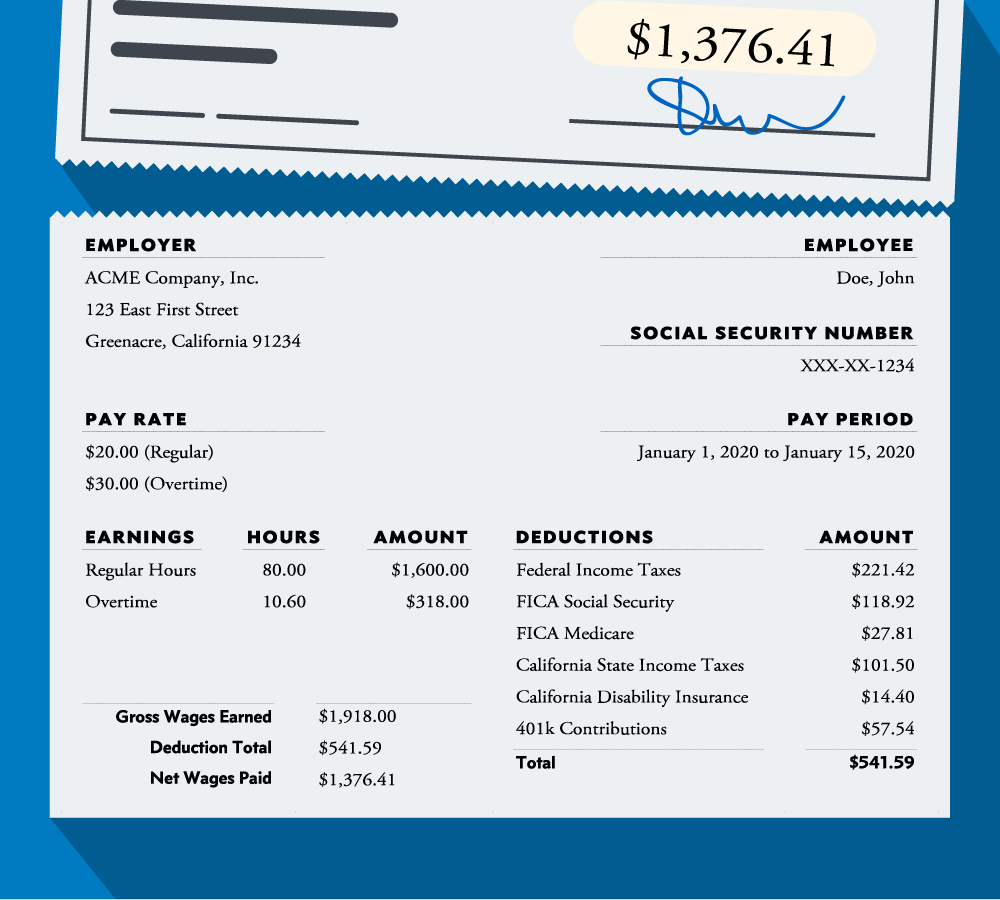
Beyond Gross Pay: Deductions and Their Impact on Your Travel Fund
While focusing on the positive inclusions of a final paycheck, it’s equally important to understand the legitimate deductions that will reduce your gross earnings. These deductions are standard, but being aware of them helps set realistic expectations for the net amount available to fuel your post-California adventures. Managing these deductions strategically can significantly impact the final “travel fund” you have at your disposal, influencing decisions from opting for “luxury travel” accommodations to stretching your budget for extended “budget travel.”
Standard Withholdings: Federal & State Taxes
Like any regular paycheck, your final check will be subject to standard federal and state income tax withholdings. The amount withheld depends on your W-4 elections, earnings, and the pay period. Given that a final paycheck might include larger lump sums like vacation payouts, it can sometimes push an individual into a higher tax bracket for that particular pay period, potentially resulting in a larger withholding amount than usual. While these are necessary deductions, being mindful of them helps in accurately forecasting your net funds. Understanding your tax obligations in California is essential for effective financial planning, especially if you anticipate earning income in other states or countries soon.
Health Benefits & COBRA: Maintaining Wellness On The Go
For many, employer-sponsored health benefits are a critical part of their compensation. Upon termination, these benefits typically cease on your last day of employment or at the end of the month. However, under federal law (COBRA) and similar California laws (Cal-COBRA), eligible employees and their dependents have the option to continue their health coverage for a limited period, usually at their own expense (plus an administrative fee). While the cost of COBRA is often much higher than employee contributions, it provides a vital bridge for individuals transitioning between jobs, especially those planning international travel or extended breaks where healthcare access might be uncertain. The election for COBRA is not a deduction from your final paycheck but a crucial consideration for your ongoing wellness, directly impacting your peace of mind while exploring new horizons.
Retirement Contributions: Long-Term Lifestyle Security
Any pre-tax or post-tax contributions to retirement plans (such as 401(k)s or 403(b)s) will also be deducted from your final gross pay, up to your elected contribution limits for that pay period. While these deductions reduce your immediate take-home pay, they are investments in your long-term financial security and future “lifestyle” choices. Upon leaving employment, you will typically have options for what to do with your retirement funds, such as rolling them over into an IRA or a new employer’s plan. This continuity of savings, even when transitioning between jobs, underpins the stability required for ambitious future plans, whether that involves early retirement or a financially independent travel lifestyle.
Maximizing Your Farewell Funds: Planning for Your Next Adventure
Receiving your final paycheck in California should be viewed as a strategic financial event, particularly if you’re leveraging it to kickstart a new personal or professional journey. By proactively managing this influx of funds, you can significantly enhance your capacity for new experiences, whether it’s planning an extensive travel itinerary or making a down payment on a dream home. This is where the concept of “farewell funds” truly converges with “lifestyle” planning, allowing you to bridge the gap between employment and aspiration.
Strategic Financial Planning: Budgeting for Wanderlust
Once you have a clear understanding of the net amount of your final paycheck, it’s time for strategic financial planning. Create a detailed budget that allocates your “farewell funds” towards your immediate and short-term lifestyle goals. If “wanderlust” is calling, earmark funds for flights, accommodations, travel insurance, and daily expenses. Research potential destinations like the vibrant streets of Barcelona or the serene landscapes of Kyoto, and factor in their cost of living. Distinguishing between essential expenditures and discretionary spending will help you make informed decisions about how long your funds can last, influencing whether your journey will lean towards “budget travel” or allow for intermittent “luxury travel” indulgences. A well-structured budget transforms a lump sum into a roadmap for your next adventure.

Tax Implications: What You Need to Know for Global Journeys
Transitioning your lifestyle often involves considering the tax implications beyond your final California paycheck. If you are moving to a new state or country, understand how your income, including the final payout, might be taxed in your new jurisdiction. For those planning extensive international travel, becoming a tax non-resident of the United States (if applicable) can have complex implications, and understanding your filing obligations is crucial. Consulting with a tax professional can provide invaluable guidance, ensuring compliance and preventing unexpected liabilities that could otherwise diminish your lifestyle funds. Proper tax planning is an integral part of maximizing your financial freedom as you embrace a new chapter, allowing you to fully enjoy your experiences without future fiscal anxieties. The final paycheck from California isn’t just an end; it’s a powerful financial beginning for your next lifestyle adventure.
LifeOutOfTheBox is a participant in the Amazon Services LLC Associates Program, an affiliate advertising program designed to provide a means for sites to earn advertising fees by advertising and linking to Amazon.com. Amazon, the Amazon logo, AmazonSupply, and the AmazonSupply logo are trademarks of Amazon.com, Inc. or its affiliates. As an Amazon Associate we earn affiliate commissions from qualifying purchases.