
For residents and prospective residents of the Golden State, understanding the intricacies of California income tax is not merely a matter of civic duty; it’s a critical component of informed lifestyle planning. Whether you dream of embarking on a luxury travel experience, meticulously budget for family trips, or manage finances for frequent business stays, the state’s tax structure directly impacts your disposable income and, consequently, your ability to realize these lifestyle aspirations. California boasts one of the most progressive income tax systems in the United States, and grasping its fundamental principles is paramount for effective financial management and strategic planning. This guide aims to demystify California income tax, offering insights crucial for anyone shaping their personal and travel-related lifestyle within or in relation to this vibrant state.
Understanding the Golden State’s Tax Landscape for Lifestyle Planning
California’s robust economy and diverse population contribute to a complex tax environment. For individuals managing their lifestyle, particularly those with aspirations for travel and leisure, a clear understanding of who pays income tax and how the progressive system operates is foundational. This knowledge empowers residents to budget effectively, plan for future expenditures, and make informed decisions about their financial well-being, which directly influences their capacity for luxury travel, family adventures, or business mobility.
Who Pays Income Tax in California?
The obligation to pay California income tax extends beyond just full-time residents. The state’s Franchise Tax Board (FTB) outlines specific criteria for different categories of taxpayers:
- Residents: If you are domiciled in California, meaning it’s your true, fixed, and permanent home, you are considered a resident. This applies even if you spend time outside the state for work or leisure. Residents are taxed on all income, regardless of where it was earned. For those whose lifestyle involves remote work or frequent travel, this global income taxation is a significant consideration.
- Part-Year Residents: Individuals who move into or out of California during the tax year are considered part-year residents. They are taxed on all income received while a California resident and only on California-source income received while a nonresident. This status is particularly relevant for those contemplating a move to the Golden State for new career opportunities or a change in lifestyle, as it dictates how their income is apportioned for tax purposes during the transition period.
- Non-Residents: If you are not a resident or part-year resident, you are considered a nonresident. Non-residents are taxed only on income derived from California sources. This could include income from real estate, business activities conducted in the state, or wages earned for work performed within California. For business professionals frequently traveling to California for projects or conferences, understanding what constitutes [California](https://lifeoutofthebox.com/california]-source income is vital to avoid unexpected tax liabilities.
The Progressive Tax System Explained
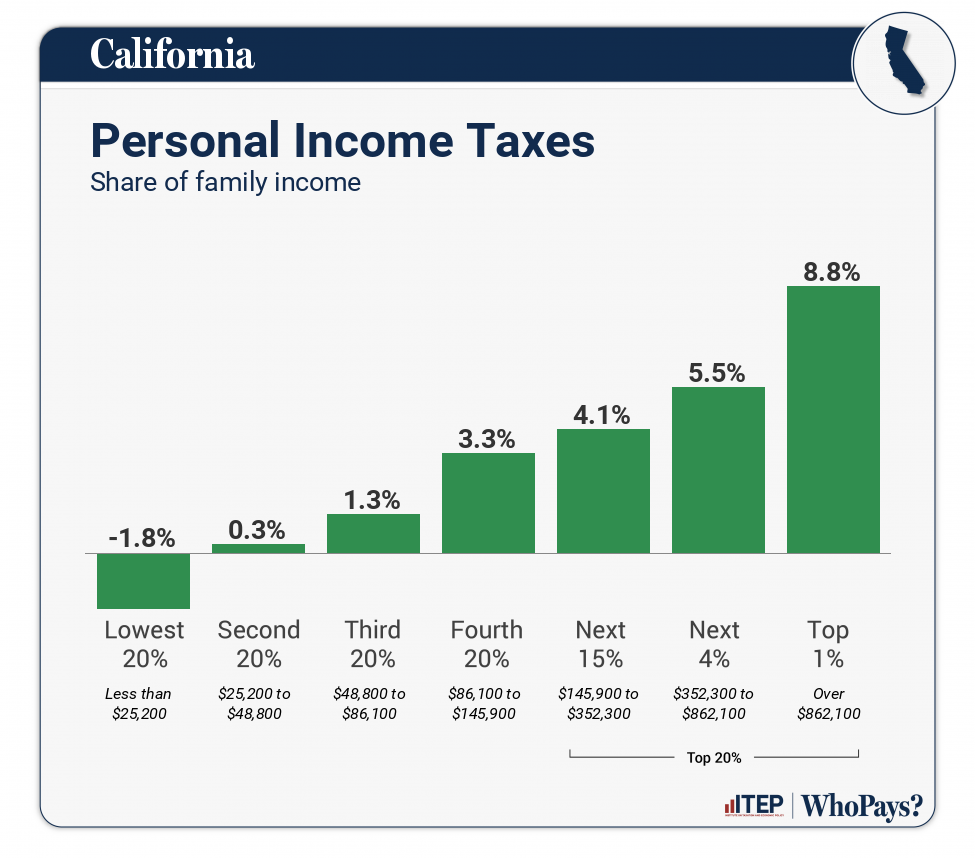
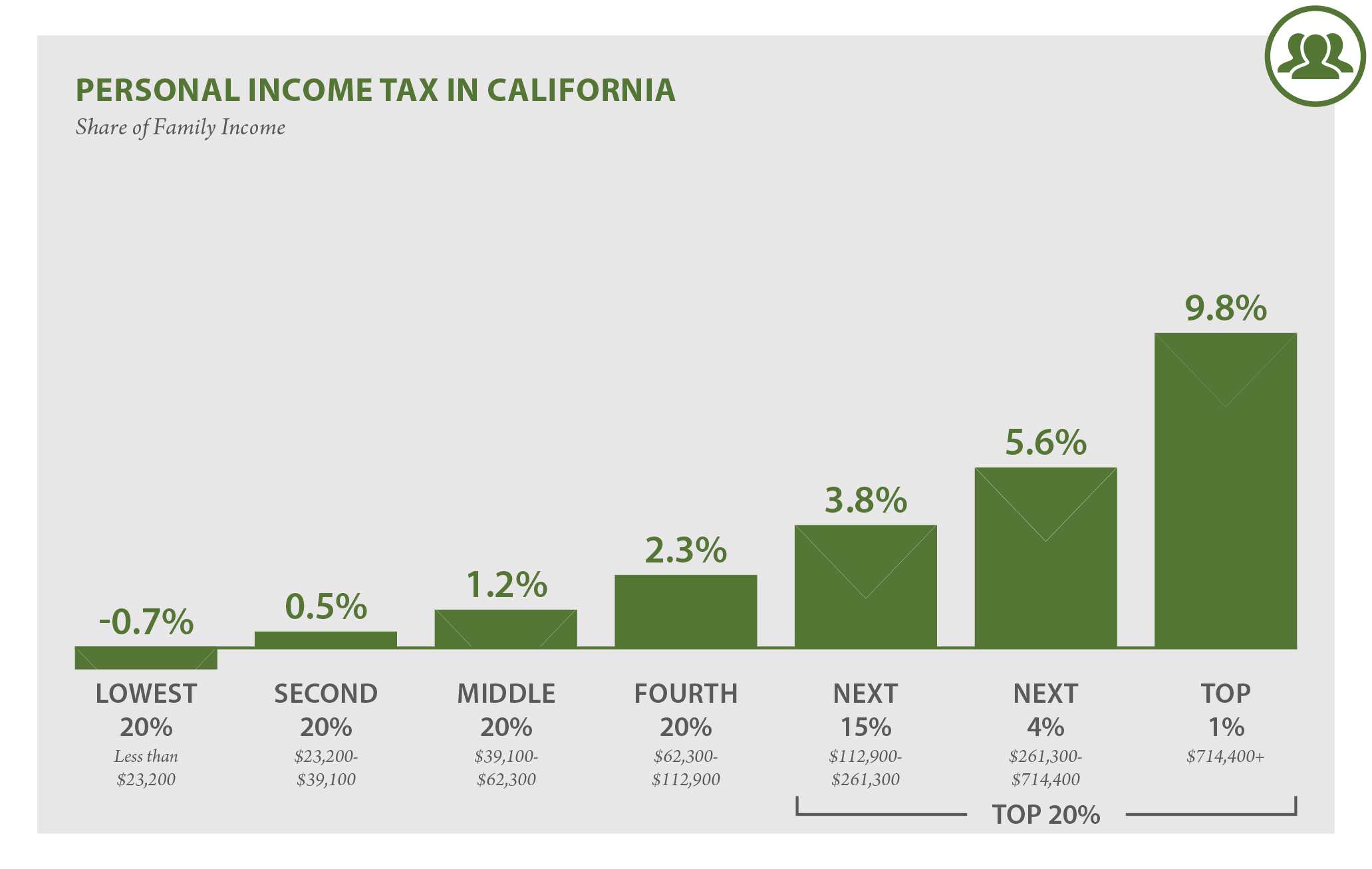
California’s income tax system is progressive, meaning that as your taxable income increases, you move into higher tax brackets, and a higher percentage of your income is taxed. The state has one of the highest top marginal income tax rates in the nation, which can significantly impact the financial planning of high-earning individuals seeking a luxurious lifestyle or substantial investments.
The tax brackets and rates are adjusted annually for inflation. For instance, while the lowest bracket might start at 1%, the highest marginal rate can reach over 13% for the highest income earners. This progressive structure means that a substantial portion of a high-income earner’s additional earnings can go towards state taxes, necessitating careful financial planning for major purchases, investment strategies, or extensive travel. Understanding these brackets is crucial for budgeting, especially when considering the cost of living and leisure activities in popular California locales like Los Angeles or San Francisco.
Key Components of California Income Tax
Beyond knowing who pays and at what general rate, understanding what income is taxed and what deductions or credits are available is essential for managing your personal finances and maximizing the funds available for your desired lifestyle. Savvy taxpayers can leverage these components to optimize their financial position, making their travel dreams more attainable.
Types of Income Subject to Tax
California generally taxes all sources of income unless specifically exempted by law. For residents, this includes:
- Wages, Salaries, and Tips: Income from employment is the most common form of taxable income.
- Business Income: Profits from self-employment, partnerships, or S corporations are subject to California income tax. This is particularly relevant for entrepreneurs and business owners whose lifestyle affords them flexibility but also requires meticulous financial oversight.
- Investment Income: This includes interest, dividends, capital gains from the sale of stocks, bonds, or real estate, and rental income. For individuals building wealth to support a long-term luxury travel lifestyle, the taxation of investment gains is a critical factor in their financial strategy.
- Retirement Income: Pensions, annuities, and distributions from IRAs and 401(k)s are generally taxable in California once distributions begin, impacting retirement planning and the ability to enjoy post-career travel.
- Other Income: This can include unemployment compensation, gambling winnings, and certain alimony payments.
Deductions and Credits: Maximizing Your Disposable Income

Navigating deductions and credits is where taxpayers can significantly impact their net tax liability, freeing up more resources for their chosen lifestyle, be it budget travel or luxury experiences.
- Standard Deduction vs. Itemized Deductions: Taxpayers can choose between a standard deduction or itemizing their deductions. The standard deduction is a fixed amount that reduces your taxable income. Itemized deductions allow you to subtract specific expenses, such as mortgage interest, state and local taxes (SALT, though federal limits apply), medical expenses, and charitable contributions. For homeowners or those with significant deductible expenses, itemizing can lead to greater tax savings.
- Common Credits: California offers various tax credits that directly reduce the amount of tax you owe, dollar-for-dollar. Examples include:
- Child and Dependent Care Credit: For expenses related to caring for a child or dependent while you work.
- Earned Income Tax Credit (CalEITC): A refundable credit for low to moderate-income individuals and families, boosting their financial stability.
- Senior Head of Household Credit: Available to qualifying seniors.
- Nonrefundable Renter’s Credit: For eligible renters.
Understanding and claiming all applicable deductions and credits is vital for personal financial health, enabling individuals and families to stretch their budgets further, allocate more funds towards desired lifestyle activities, and embark on more frequent or extensive travel.
Navigating California Income Tax for Optimal Lifestyle Choices
The implications of California income tax extend far beyond just filing a return; they fundamentally shape an individual’s financial capacity and lifestyle decisions. From determining how much can be allocated to annual vacations to influencing decisions about residency, tax planning is intricately linked with lifestyle aspirations.
Impact on Budgeting for Travel and Leisure
High marginal tax rates in California mean that a larger portion of income is directed towards state coffers. This naturally reduces the amount of disposable income available for discretionary spending, including travel and leisure activities. For someone planning a luxury trip to Europe or frequent weekend getaways, understanding their net income after tax is paramount.
Careful budgeting, factoring in the tax burden, allows individuals to realistically set aside funds for their travel goals. This might involve adjusting savings rates, re-evaluating spending habits, or exploring tax-advantaged investment strategies to grow wealth more efficiently. For families, the interplay between household income, deductions like the Child and Dependent Care Credit, and the overall tax bill directly impacts their ability to fund those cherished family trips and create lasting memories.
Residency Considerations and Tax Implications for Digital Nomads
The rise of remote work has given birth to the digital nomad lifestyle, offering unprecedented freedom to live and work from anywhere. However, for those choosing California as a temporary base or considering it for a permanent move, residency rules have significant tax implications. A digital nomad earning income globally, but physically present in California for more than 183 days, could potentially be deemed a California resident and be taxed on all worldwide income.
Conversely, a California resident who travels extensively might still be liable for California income tax on all their earnings, even if earned in other states or countries. This complex interplay of physical presence, intent, and income source necessitates careful planning for those whose lifestyle involves frequent movement across state or international borders. Understanding these nuances is crucial for digital nomads and globe-trotters to maintain tax compliance and avoid unforeseen liabilities, ensuring their adventurous lifestyle remains financially sustainable.
Staying Compliant and Planning for Your Future in California
Effective tax planning isn’t just about minimizing your current tax bill; it’s about setting a solid financial foundation for your future lifestyle in California. From meeting filing obligations to knowing when to seek expert advice, proactive engagement with your tax situation is key to ensuring peace of mind and financial security.
Filing Requirements and Important Deadlines
All California residents, part-year residents, and non-residents with California-source income exceeding a certain threshold are required to file a state income tax return. The primary filing deadline for most individuals is April 15th, mirroring the federal deadline. However, extensions are available, typically extending the filing deadline to October 15th, though this does not extend the deadline for paying taxes due.
Additionally, many taxpayers are required to make estimated tax payments throughout the year if they anticipate owing a significant amount of tax not covered by withholding (e.g., self-employed individuals, those with substantial investment income). Missing these deadlines or underpaying estimated taxes can result in penalties, further eroding the funds available for lifestyle choices. Staying organized and aware of these dates is fundamental to compliant financial living in California.
Professional Guidance: When to Seek Expert Advice
Given the complexity of California’s tax code, especially for those with diverse income sources, significant assets, or unique residency situations, seeking professional guidance is often a wise investment. Tax professionals, such as Certified Public Accountants (CPAs) or enrolled agents, can provide invaluable assistance with:
- Tax Preparation and Filing: Ensuring accuracy and compliance, and identifying all eligible deductions and credits.
- Tax Planning: Developing strategies to legally minimize your tax burden, which directly frees up more capital for lifestyle pursuits like travel, investments, or education.
- Residency Determination: Advising on the complex rules for establishing or breaking California residency, critical for digital nomads or those considering relocation.
- Estate Planning: Integrating income tax considerations into broader financial and estate planning, securing your legacy and future lifestyle goals.
For individuals striving to maintain a specific lifestyle, be it luxury travel or comfortable retirement, professional tax advice can offer clarity and confidence, ensuring that financial decisions align with their long-term aspirations. Understanding “What Is California Income Tax?” is more than just a theoretical exercise; it’s a practical necessity for thriving within the Golden State and achieving your desired quality of life.
LifeOutOfTheBox is a participant in the Amazon Services LLC Associates Program, an affiliate advertising program designed to provide a means for sites to earn advertising fees by advertising and linking to Amazon.com. Amazon, the Amazon logo, AmazonSupply, and the AmazonSupply logo are trademarks of Amazon.com, Inc. or its affiliates. As an Amazon Associate we earn affiliate commissions from qualifying purchases.