
For any seasoned traveler or first-time visitor, understanding the local time zone of a destination is far more than a mere detail; it’s a foundational element for seamless planning, effective communication, and an overall enriching experience. When setting sights on the Golden State, a common query arises: “What is California time zone GMT?” The answer unpacks a critical layer of travel logistics, bridging the gap between your origin and the vibrant experiences awaiting you in California. This guide will illuminate California’s position on the global clock, offering insights vital for any journey.
Understanding Global Time Zones: The Essential Foundation
Before diving specifically into California, it’s imperative to grasp the universal system that dictates time across our planet. Time zones are geographical regions that observe a uniform standard time. This system was largely adopted in the late 19th and early 20th centuries to facilitate railway travel and international communication, replacing a chaotic patchwork of local solar times.
GMT and Coordinated Universal Time (UTC)
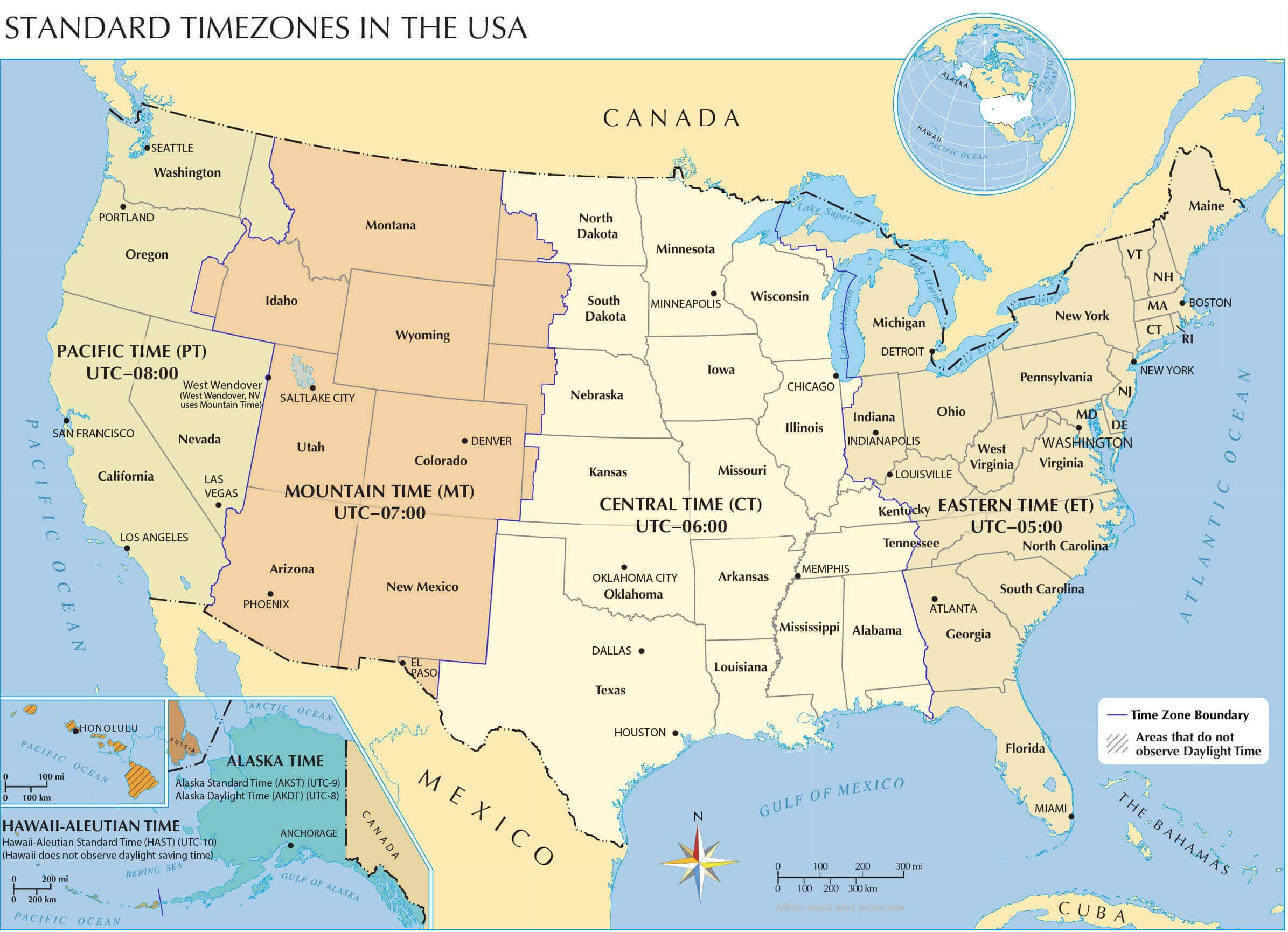
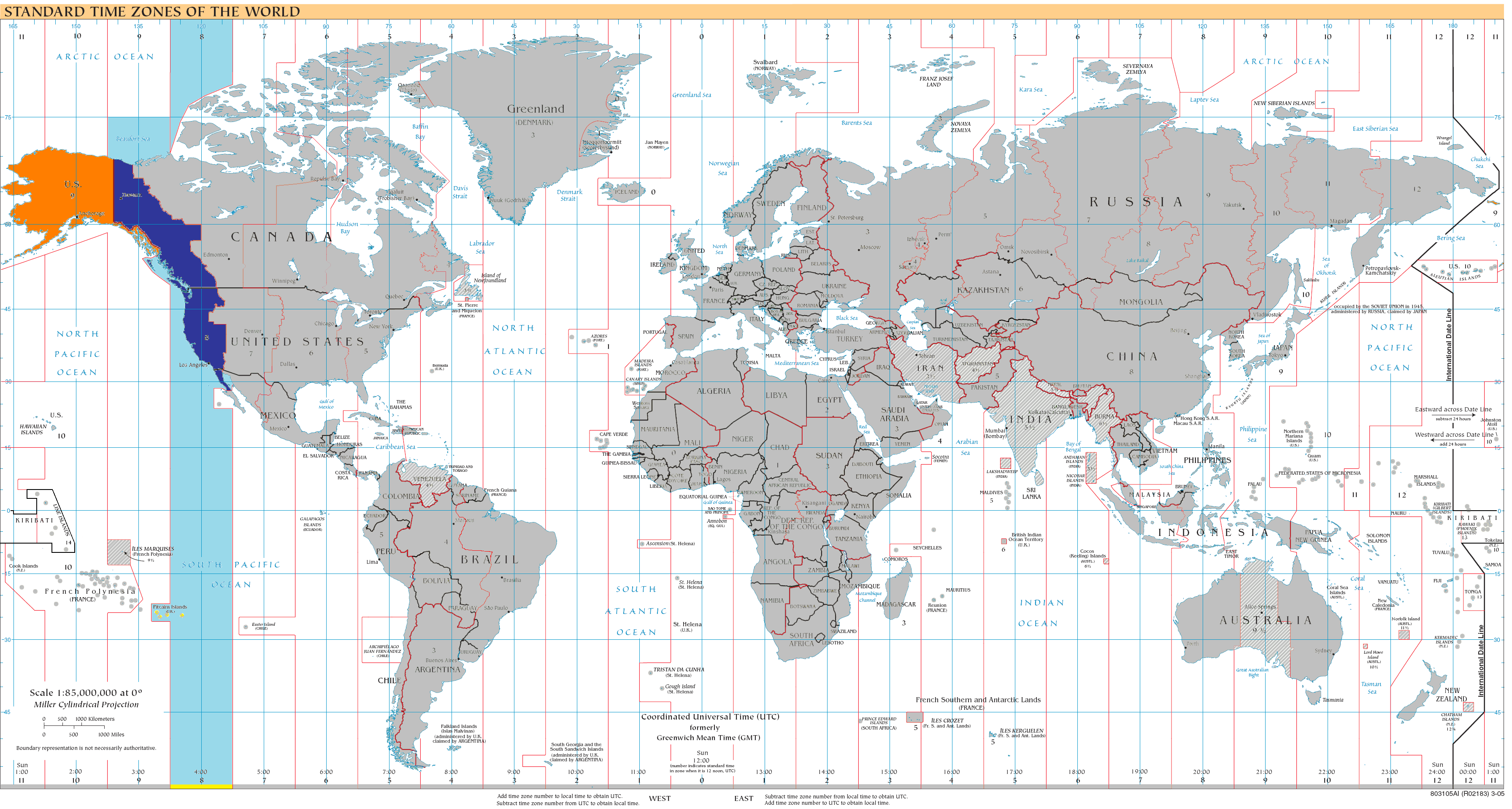
At the heart of global timekeeping lies Greenwich Mean Time (GMT). Historically, GMT served as the primary world time standard, representing the mean solar time at the Royal Observatory in Greenwich, London, United Kingdom. It was the reference point from which all other time zones were calculated, typically expressed as offsets like GMT+1 or GMT-5.
Today, while GMT is still widely used, the scientific and technical standard for timekeeping is Coordinated Universal Time (UTC). UTC is derived from atomic clocks and is maintained with extreme precision. For practical purposes, especially concerning time zone offsets, GMT and UTC are often considered interchangeable, with no hour difference between them. Therefore, when discussing offsets from GMT, one can generally apply the same offset to UTC.
Why Time Zones Matter for Travelers
For travelers, understanding time zones is far from a trivial pursuit; it’s a cornerstone of effective trip planning. Incorrectly calculating time differences can lead to missed flights, botched hotel bookings, missed reservations for attractions in Los Angeles or San Francisco, or even disruptions in communicating with family and business partners back home. Beyond logistics, anticipating the time change helps travelers mentally prepare for the shift, an important step in mitigating jet lag and adapting quickly to the local rhythm of life, whether exploring the beaches of San Diego or the vineyards of Napa Valley.
California’s Position on the Global Clock
Now, let’s pinpoint California’s specific time zone relative to GMT and UTC. The vast majority of the United States observes several distinct time zones, and California falls squarely into one of them.
Pacific Standard Time (PST) Unveiled
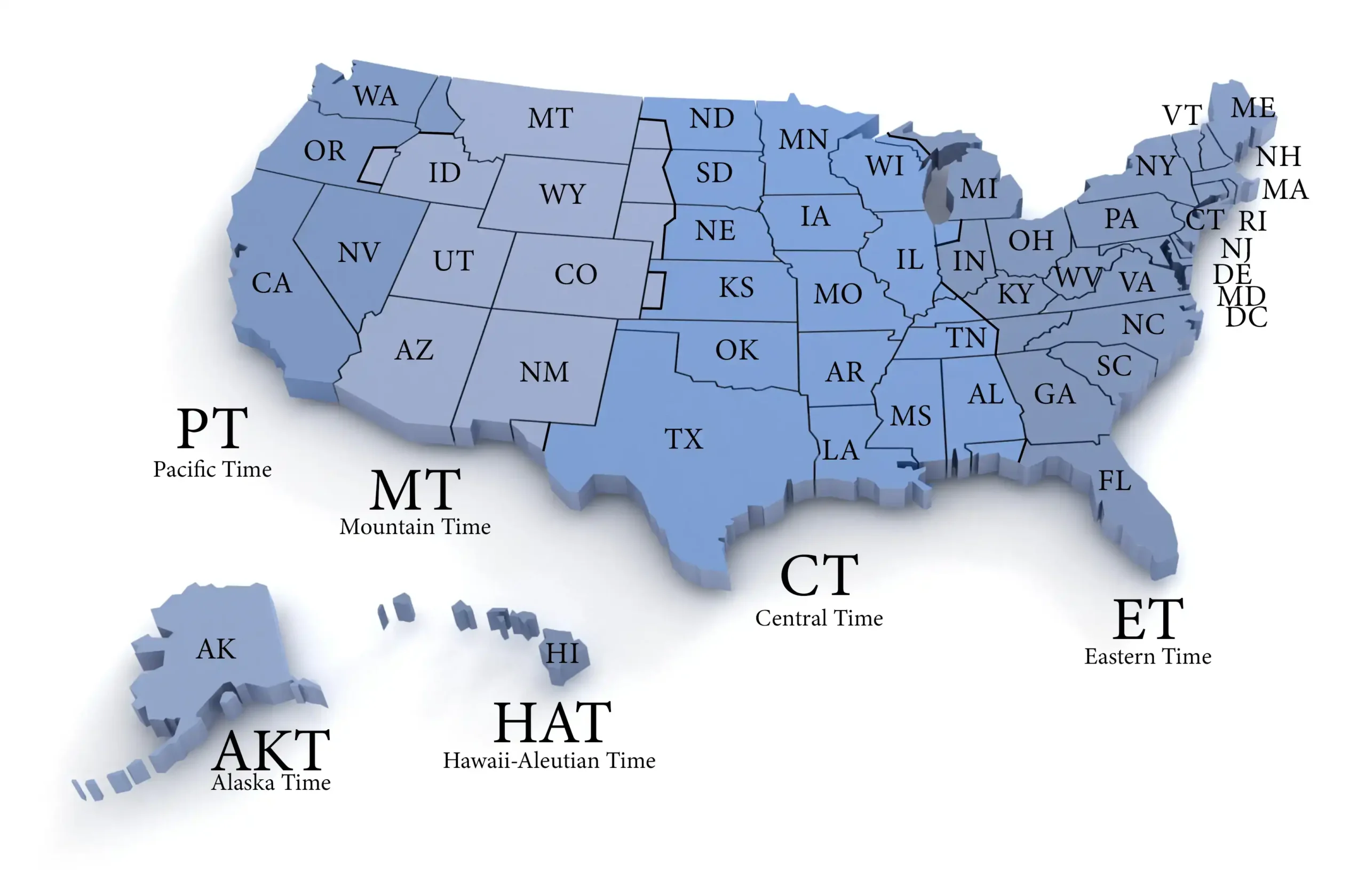
Throughout the winter months, from early November to mid-March, California observes Pacific Standard Time (PST). PST is 8 hours behind Coordinated Universal Time or Greenwich Mean Time. This can be denoted as UTC-8 or GMT-8.
This means that if it’s 12:00 PM (GMT) in London, it would be 4:00 AM (PST) in California. This significant difference highlights the importance of checking time zone conversions, especially for international travelers or those communicating across continents.
The Role of Daylight Saving Time (DST) in California
Adding a layer of complexity to the time equation is Daylight Saving Time (DST). Like most of the United States (with a few exceptions like Arizona and Hawaii), California observes DST, which typically begins on the second Sunday in March and ends on the first Sunday in November.
During Daylight Saving Time, clocks are advanced by one hour. This means that Pacific Standard Time transitions to Pacific Daylight Time (PDT). PDT is 7 hours behind Coordinated Universal Time or Greenwich Mean Time, denoted as UTC-7 or GMT-7.
So, during the spring, summer, and early autumn months, California is on PDT. This shift provides an extra hour of daylight in the evenings, which is particularly beneficial for tourism, allowing for longer enjoyment of attractions like Disneyland or sunsets over the Pacific Ocean. For travelers, it means being aware of these biannual changes, as arriving a week before or after the shift can result in an unexpected hour difference.
Navigating Time Differences for Your California Trip
Understanding California’s time zone is the first step; effectively navigating its implications is the next. This foresight can transform a potentially confusing journey into a smooth and enjoyable adventure.
Planning Flights and Itineraries
Accurate time zone awareness is paramount when booking flights and crafting itineraries. Flight schedules are typically provided in local time, but cross-country or international flights involve significant time zone shifts. Always double-check arrival and departure times against your destination’s local time, especially for connecting flights. Missing a connection due to a time zone miscalculation is a common traveler’s nightmare.
When planning activities, tours, or restaurant reservations in cities like San Jose, Oakland, or Sacramento, remember that the times listed will be PST or PDT. If you’re coordinating with people outside of California, always specify the time zone to avoid confusion. For instance, “Let’s meet at 2:00 PM PDT” is much clearer than just “2:00 PM.”
Communicating Across Time Zones
Whether you’re calling family, conducting business, or simply sharing your travel updates on social media, communicating across time zones requires careful consideration. A call at 9:00 AM in California (on PST) would be 5:00 PM in London (GMT), and potentially 8:00 PM in parts of Europe or even later in Asia. Utilize online time zone converters or world clock apps to quickly determine the optimal time for communication, respecting the sleeping and working hours of those you’re connecting with. This small effort prevents accidental late-night calls or missed important messages.
Managing Jet Lag
Jet lag, the physiological and psychological disruption caused by rapid travel across multiple time zones, is a common hurdle for many travelers to California, especially those arriving from the east coast of the United States or international destinations. Knowing the time zone difference beforehand allows you to prepare.
- Pre-adjust: Gradually shift your sleep schedule a few days before departure. If traveling west to California, try staying up a little later each night.
- Hydrate: Drink plenty of water and avoid excessive alcohol or caffeine, which can exacerbate jet lag symptoms.
- Embrace local time: Upon arrival, immediately try to adopt California’s local time. Eat meals at appropriate times and expose yourself to natural daylight to help reset your internal clock.
- Strategic napping: If needed, take short power naps, but avoid long naps that might interfere with nighttime sleep.
Historical Context and Future of California Time
The system of time zones, while seemingly immutable, has evolved over centuries and continues to be subject to debate and potential change.
Evolution of Timekeeping in the United States
The concept of standardized time zones in the United States was spearheaded by railway companies in the 19th century to prevent scheduling chaos. On November 18, 1883, known as “The Day of Two Noons,” the major railroad lines instituted a system of four standard time zones across the continental United States, including Pacific Standard Time. This informal system was later codified into law by the Standard Time Act of 1918. Since then, the system has remained largely consistent, with adjustments primarily related to Daylight Saving Time.
Debates and Potential Changes to DST
Daylight Saving Time in California, and indeed across the United States, has been a subject of ongoing debate. Proponents argue that it saves energy, reduces traffic accidents, and boosts retail sales due to extended evening daylight. Opponents cite potential health impacts from sleep disruption, minimal energy savings, and disruptions to business.
In recent years, California voters even passed Proposition 7 in 2018, giving the state legislature the power to change DST observance. While discussions continue, and there’s been federal consideration of making Daylight Saving Time permanent across the United States, for the foreseeable future, California will likely continue its cycle of shifting between PST and PDT. Travelers should always check current regulations close to their travel dates for the most up-to-date information.
In conclusion, California’s time zone is primarily Pacific Standard Time (PST), which is GMT-8 or UTC-8, during the winter months. During the spring, summer, and early autumn, it shifts to Pacific Daylight Time (PDT), which is GMT-7 or UTC-7. Armed with this knowledge, your journey to California will be not only exhilarating but also perfectly synchronized.
LifeOutOfTheBox is a participant in the Amazon Services LLC Associates Program, an affiliate advertising program designed to provide a means for sites to earn advertising fees by advertising and linking to Amazon.com. Amazon, the Amazon logo, AmazonSupply, and the AmazonSupply logo are trademarks of Amazon.com, Inc. or its affiliates. As an Amazon Associate we earn affiliate commissions from qualifying purchases.