
Understanding the minimum wage in any major metropolitan area is not just a matter of economic policy; it’s a foundational element for anyone seeking to build a life, travel extensively, or embark on a business venture within that city. In a dynamic and famously high-cost city like Los Angeles, California, knowing the current minimum wage isn’t merely academic—it’s essential for budgeting, financial planning, and ultimately, shaping one’s lifestyle choices. From determining the feasibility of independent living to estimating the cost of a long-term stay or even a working holiday, the minimum wage serves as a crucial benchmark.
Los Angeles is a city of dreams, innovation, and diverse opportunities, but it also presents unique financial challenges. For those considering relocating, seeking employment, or planning an extended visit, delving into the specifics of LA’s minimum wage policies and their broader economic implications is a vital first step. This article will provide a comprehensive overview of the minimum wage in LA, dissecting its structure, impact on the cost of living, and offering insights into how it shapes the lifestyle of residents and long-term visitors alike.
Navigating the Los Angeles Minimum Wage Landscape
The minimum wage in Los Angeles is not a static or singular figure. It’s influenced by state mandates, local ordinances, and even employer size, creating a nuanced landscape that can be confusing without clear guidance. For anyone planning their lifestyle in this bustling metropolis, understanding these distinctions is paramount.
Current Rates: City of Los Angeles vs. California State
At a foundational level, California mandates a statewide minimum wage that applies to most employers across the state. As of January 1, 2024, the California state minimum wage is $16.00 per hour for all employers, regardless of size. This rate is among the highest in the United States, reflecting the state’s proactive approach to addressing living costs and income inequality.
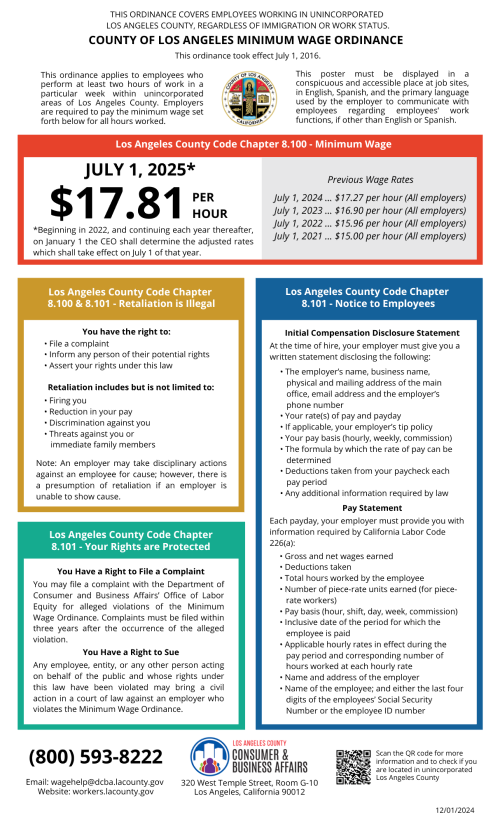
However, many cities and counties within California have adopted their own, higher minimum wage ordinances, a trend largely driven by the specific economic conditions and cost of living within those urban centers. The City of Los Angeles is a prime example of this local initiative. As of July 1, 2024, the minimum wage within the geographical boundaries of the City of Los Angeles is set to increase to $17.28 per hour for most employers. This higher local rate reflects the distinct economic realities of LA, where housing, transportation, and daily expenses far exceed the state average. It’s crucial to distinguish between the City of Los Angeles and the broader Los Angeles County; unincorporated areas of the county typically follow the state minimum wage unless a specific local ordinance applies.
Who Does It Apply To? Understanding Employer Size and Jurisdiction
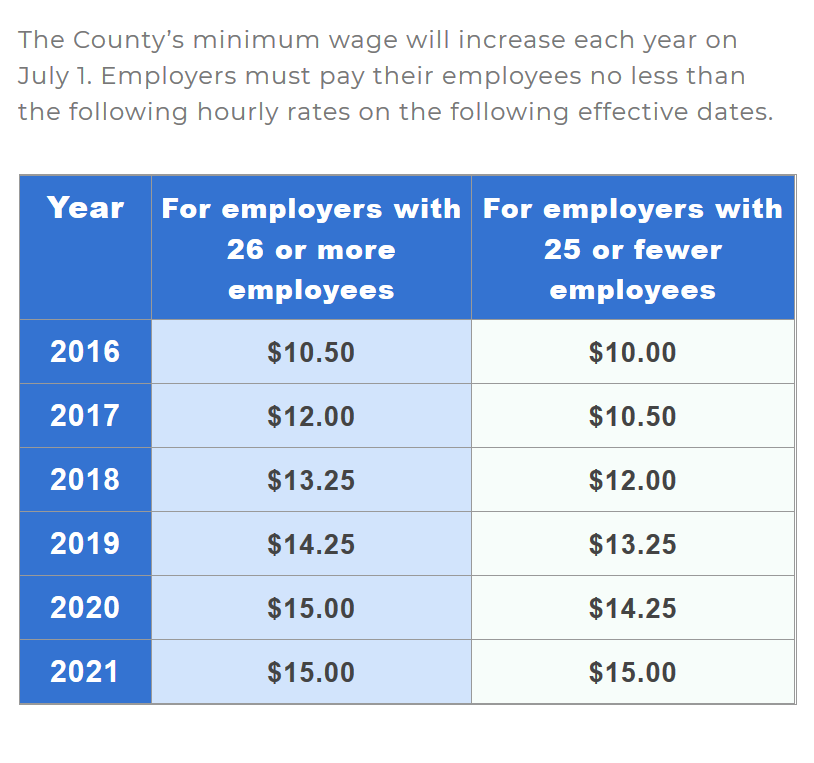
The applicability of these minimum wage rates can be complex. Generally, the City of Los Angeles ordinance applies to all employers operating within the city limits. Historically, there have been distinctions based on employer size (e.g., employers with 26 or more employees vs. those with 25 or fewer). While some jurisdictions still maintain this tiered approach, the trend in Los Angeles has been towards unifying the minimum wage across most employer sizes to simplify compliance and ensure broader impact.
It’s also important to note that certain employees might be exempt or subject to different wage laws, such as those covered by collective bargaining agreements or specific industry regulations (e.g., hotel workers in some areas of LA may have even higher mandated minimums). For individuals seeking employment or evaluating lifestyle costs, verifying the specific jurisdiction and employer characteristics is a prudent step. The City of Los Angeles Department of Office of Wage Standards is the authoritative source for the most up-to-date and specific information.
Historical Context and Future Projections
The journey to the current minimum wage in Los Angeles has been incremental and politically charged, driven by advocacy from labor unions, community groups, and progressive policymakers. California passed legislation in 2016 to gradually raise the state minimum wage to $15 per hour by 2022 for large employers, with a year delay for smaller employers. Cities like Los Angeles moved even faster, often surpassing state mandates.
This historical trajectory indicates a commitment to regular adjustments, typically tied to the Consumer Price Index (CPI) to account for inflation. Therefore, it’s highly probable that both the state and City of Los Angeles minimum wages will continue to see annual increases, usually taking effect on July 1st for the city and January 1st for the state. This forward-looking perspective is crucial for long-term financial planning and understanding the evolving lifestyle costs in LA.
The Real-World Impact: Minimum Wage and the LA Cost of Living
While a higher minimum wage is a welcome relief for many, its purchasing power in Los Angeles is perpetually challenged by the city’s notoriously high cost of living. For anyone attempting to carve out a lifestyle here, understanding this interplay is critical.
Housing: The Biggest Hurdle
Without a doubt, housing costs represent the most significant financial obstacle for those earning minimum wage in LA. The average rent for a one-bedroom apartment in Los Angeles can easily exceed $2,000 to $2,500 per month, and often much higher in desirable neighborhoods like Hollywood or Santa Monica. Even with the City of Los Angeles’s minimum wage of $17.28/hour, a full-time worker (40 hours/week) earns approximately $2,764.80 gross income bi-weekly or $3,456 gross monthly ($17.28 * 40 * 4 = $2,764.80 * 2 = $5,529.60/month, oops my calculation for monthly was wrong. It is $17.28 * 40 * 52 / 12 = $2,995.20 approx monthly before taxes). With taxes and other deductions, net income is significantly lower.
This means that a minimum wage earner often faces the stark reality of spending well over 50%—and often closer to 70-80%—of their income on rent alone, making independent living incredibly challenging. Many resort to shared housing, living with multiple roommates, or residing in more affordable, often distant, communities, necessitating long commutes. This immediately impacts lifestyle, limiting personal space, privacy, and free time.
Daily Expenses: Food, Transportation, and Necessities
Beyond housing, the cost of daily essentials further erodes the minimum wage’s buying power. Groceries in Los Angeles are generally higher than the national average. Eating out, a common aspect of LA’s social scene, quickly becomes a luxury. A simple meal can cost $15-20, a coffee $5-7.
Transportation is another major consideration. While LA boasts an extensive public transit system (Metro buses and trains), it’s not as comprehensive or efficient as in some other major cities, and can still be time-consuming. Owning a car, while offering flexibility, comes with its own high costs: car payments, insurance, gas (among the highest in the United States), parking fees, and maintenance. These expenses can quickly consume a substantial portion of a minimum wage income, making a vehicle an unaffordable luxury for many, or a necessary evil that severely strains their budget.
Discretionary Spending and Lifestyle Choices
For those on a minimum wage income, discretionary spending—for entertainment, hobbies, travel, or even simple leisure activities—is severely constrained. The vibrant cultural scene of Los Angeles, with its museums, concerts, sporting events, and theme parks, often remains out of reach. Even enjoying Venice Beach or a hike in the Hollywood Hills, while free, often incurs transportation and parking costs.
This financial squeeze dictates a particular lifestyle: one centered on necessity, careful budgeting, and often foregoing many of the experiences that define the typical LA “dream.” It can impact mental well-being, social life, and opportunities for personal growth and exploration that are often associated with life in a major city.
Budgeting for a Los Angeles Lifestyle on Minimum Wage
Navigating Los Angeles on a minimum wage income requires meticulous budgeting, creative solutions, and a proactive approach to financial management. It’s a testament to resilience and ingenuity for those who make it work.
Strategies for Thrifty Living
Effective budgeting starts with a clear understanding of income versus expenses. For minimum wage earners, every dollar counts.
- Housing: The most critical strategy is securing affordable housing. This almost invariably means sharing an apartment or house with multiple roommates. Exploring areas slightly outside the trendiest neighborhoods but still accessible by public transit can also yield savings.
- Food: Cooking at home and meal prepping become necessities. Shopping at discount grocery stores, farmers’ markets (for seasonal deals), and utilizing food assistance programs if eligible can stretch a budget further. Avoiding frequent restaurant meals and food delivery services is crucial.
- Transportation: Relying on LA Metro passes, biking, or walking are the most cost-effective options. Carpooling services or ride-sharing during off-peak hours can be alternatives for occasional needs, but should be used sparingly.
- Entertainment: LA offers many free or low-cost activities: hiking trails, public parks, free museum days, beach visits, and community events. Utilizing these resources instead of high-cost attractions is key to maintaining a social life without breaking the bank.
Supplemental Income and Opportunities
Many minimum wage earners in Los Angeles find it challenging to sustain a decent lifestyle on a single job alone. Exploring supplemental income streams is a common strategy. This could include:
- Part-time jobs: Working a second part-time job or picking up extra shifts whenever possible.
- Gig economy work: Driving for ride-sharing apps, delivering food, or offering services through online platforms can provide flexible income, though these often come with their own expenses (e.g., car maintenance, gas).
- Freelancing or side hustles: Leveraging specific skills (e.g., graphic design, writing, tutoring, pet-sitting) can provide additional income without the commitment of another formal job.
These opportunities, while often necessary, add to the demands on time and energy, further impacting lifestyle and work-life balance.
Financial Planning for Long-Term Stays or Relocation
For those considering a long-term stay or permanent relocation to Los Angeles on a limited income, meticulous financial planning is non-negotiable.
- Savings: Arriving with a substantial savings cushion (at least 3-6 months of estimated expenses) is highly recommended. This provides a buffer during the job search and adjustment period.
- Budget tracking: Using budgeting apps or spreadsheets to track every income and expense ensures financial discipline.
- Goal setting: Setting clear financial goals, such as saving for emergencies, education, or a down payment, helps maintain motivation and focus.
- Networking: Building a professional network can lead to better job opportunities with higher wages, which is the ultimate goal for improving one’s lifestyle in LA.
Beyond the Paycheck: Quality of Life and Community in LA
While the economic realities of minimum wage in Los Angeles are undeniable, the city offers more than just financial figures. The quality of life for minimum wage earners is also shaped by non-monetary factors, including community support, cultural access, and the intangible allure of the California dream.
The Pursuit of the California Dream
For many, the appeal of Los Angeles transcends its high costs. The promise of sunshine, diverse opportunities, cultural richness, and the chance to be at the epicenter of various industries (from Hollywood to tech) continues to draw people. Minimum wage earners often find themselves in roles that are integral to the city’s functioning—in hospitality, retail, food service, and care industries—contributing directly to the vibrant LA lifestyle that others enjoy.
Despite the financial struggles, there’s a certain resilience and camaraderie among those navigating these challenges. The pursuit of the ” California dream” might look different for them, perhaps less glamorous than commonly portrayed, but it often involves building strong community ties and finding joy in the city’s free natural beauty and accessible public spaces.
Community Resources and Support
Recognizing the immense cost of living challenges, Los Angeles and California provide various resources to support low-income residents. These can significantly impact the quality of life for minimum wage earners:
- Food banks and pantries: Numerous organizations provide free or low-cost food assistance.
- Affordable housing initiatives: While competitive, programs exist to help qualifying individuals secure subsidized housing.
- Healthcare subsidies: California has expanded Medi-Cal and offers subsidized health insurance options through Covered California.
- Legal aid and worker advocacy groups: These organizations help ensure fair labor practices and assist with housing or employment disputes.
- Public libraries and community centers: Offering free internet access, educational programs, and recreational activities.
Accessing these resources is crucial for minimizing financial strain and improving overall well-being.

Weighing the Pros and Cons for a Los Angeles Lifestyle
Ultimately, living and thriving in Los Angeles on a minimum wage income is a delicate balance of ambition, perseverance, and strategic living. The city offers unparalleled opportunities for personal growth, cultural experiences, and connection to a diverse, global community. However, these benefits come at a steep financial cost that demands careful consideration.
For individuals with specific career aspirations in LA’s key industries, or those seeking a unique cultural experience, the challenges may be worth the effort. For others, the financial strain might outweigh the perceived benefits, leading them to seek more affordable pastures. Understanding the minimum wage in LA isn’t just about a number; it’s about comprehending the intricate web of economic realities that shape every aspect of daily life and influence the pursuit of one’s desired lifestyle in this iconic California city.
In conclusion, the minimum wage in LA is significantly higher than the federal standard and even exceeds the California state minimum in the City of Los Angeles. However, this seemingly robust wage is constantly battling the city’s soaring cost of living, particularly housing. For anyone looking to establish a life or spend an extended period in Los Angeles on such an income, meticulous financial planning, resourcefulness, and a realistic understanding of the lifestyle adjustments required are absolutely essential.
LifeOutOfTheBox is a participant in the Amazon Services LLC Associates Program, an affiliate advertising program designed to provide a means for sites to earn advertising fees by advertising and linking to Amazon.com. Amazon, the Amazon logo, AmazonSupply, and the AmazonSupply logo are trademarks of Amazon.com, Inc. or its affiliates. As an Amazon Associate we earn affiliate commissions from qualifying purchases.