
For many prospective visitors to Colorado, the state conjures images of majestic mountains, vibrant cities like Denver, and a pioneering spirit in progressive legislation. While its status as a trailblazer in cannabis legalization is widely known, a newer, equally significant development has been taking shape: the evolving legal landscape surrounding psilocybin, the psychoactive compound found in certain mushrooms, often colloquially referred to as “magic mushrooms.” As a destination increasingly recognized for its innovative approaches to health and well-being, understanding the specific legalities of psilocybe in Colorado is crucial for any tourist planning to visit, ensuring they remain informed and compliant with local regulations.
The question of whether psilocybe is “legal” in Colorado is not a simple yes or no, but rather a nuanced explanation of decriminalization, regulated access, and the ongoing tension between state and federal law. For tourists, this distinction is paramount, as misinterpretations can lead to unforeseen legal complications. This guide aims to demystify Colorado’s approach to psilocybe, offering insights and practical tips for visitors seeking to understand or engage with the state’s unique stance on natural psychedelic medicines within the framework of responsible tourism.
Understanding Colorado’s Evolving Stance on Psychedelics
Colorado’s journey with psychedelics mirrors its progressive trajectory with cannabis, albeit with distinct differences in implementation and scope. The state has moved beyond mere discussion to actively reshape its legal framework concerning certain natural psychoactive substances. This shift is primarily driven by a growing recognition of the potential therapeutic benefits of these compounds, alongside a broader movement towards personal autonomy and harm reduction.
The Decriminalization Movement: Proposition 122
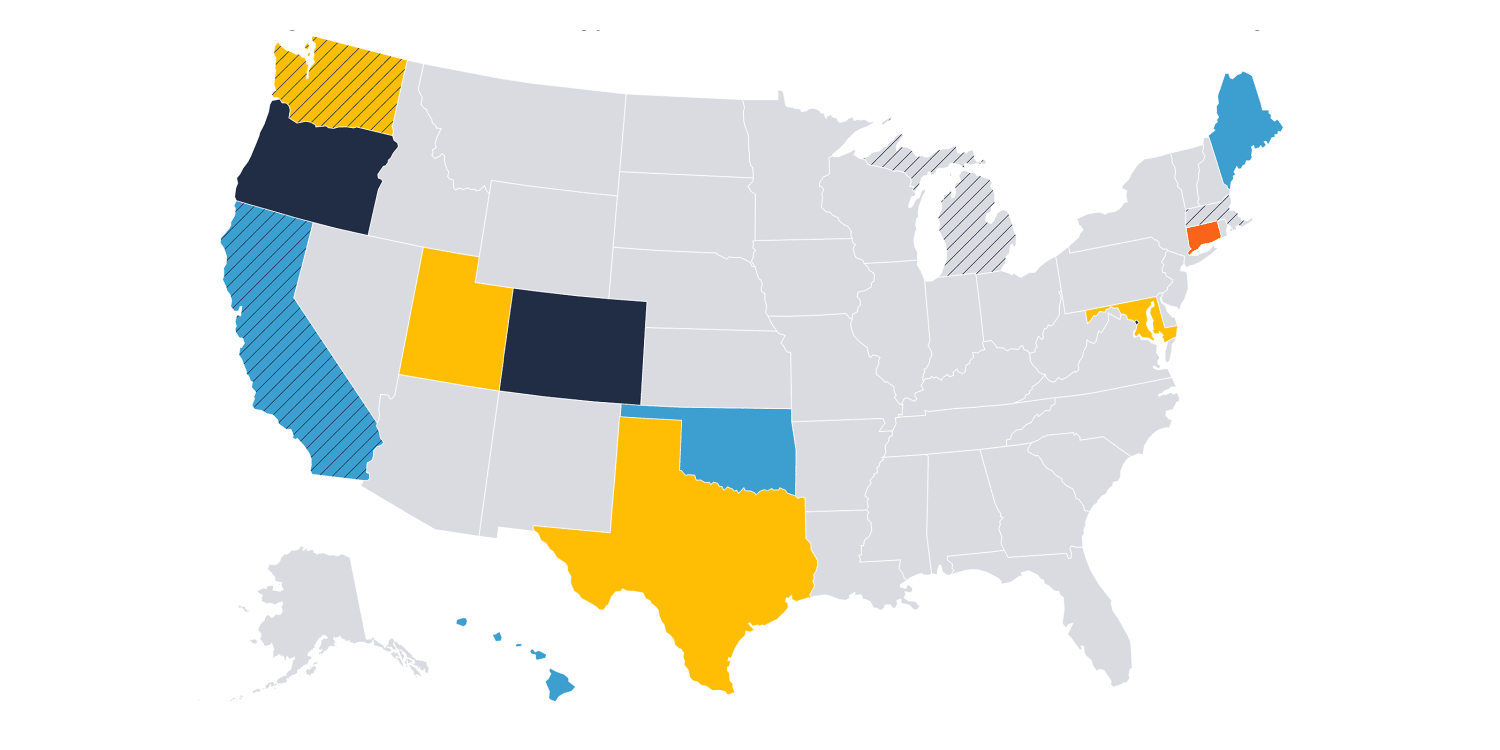
The most significant legislative change came with the passage of Proposition 122 in November 2022, also known as the Natural Medicine Health Act. Prior to this statewide measure, the city of Denver had already taken the pioneering step of decriminalizing psilocybe in 2019, making it the first city in the United States to do so. Proposition 122 expanded this concept across the entire state of Colorado, marking a pivotal moment in the national conversation around psychedelic reform.
Specifically, Proposition 122 decriminalized the personal possession, use, and cultivation of certain natural psychedelic substances, including psilocybin (from psilocybe mushrooms), psilocin, ibogaine, mescaline (excluding peyote), and DMT for individuals aged 21 and older. This means that for adults, engaging with these substances for personal use is no longer considered a criminal offense under Colorado state law, though it is not entirely unregulated. The act also established a framework for regulated access to supervised psilocybin services, moving towards a therapeutic model rather than a purely recreational one.
What Decriminalization Means for Tourists
For tourists, understanding the implications of decriminalization is critical. It does not mean psilocybe is “legal” in the same way cannabis is, with licensed dispensaries readily available for commercial purchase. Instead, decriminalization largely shifts the focus from criminal penalties to lower-level offenses, often akin to a minor traffic violation, or no penalty at all for personal use within specified limits.
Crucially, while personal possession of small amounts is decriminalized, public consumption, distribution, and sale of psilocybe remain illegal under Colorado state law. Tourists accustomed to the highly visible and regulated cannabis market might mistakenly assume a similar framework exists for psychedelics, which is not the case. There are no “magic mushroom dispensaries” or retail outlets where visitors can legally purchase psilocybe products. Furthermore, engaging in any commercial transaction involving these substances can still lead to significant legal consequences. The primary intent of Proposition 122 was to allow individuals to cultivate and use psilocybe in private settings for personal well-being, not to establish a recreational market for tourists.
Distinguishing Between Decriminalization and Legalization
The terms “decriminalization” and “legalization” are often used interchangeably, but their legal distinctions are profound, especially for visitors.
- Decriminalization reduces or removes criminal penalties for an activity, but the activity itself may still be illegal. In Colorado’s context, personal possession and use of psilocybe for adults 21+ are decriminalized, meaning law enforcement is directed to treat it as the lowest priority, and penalties are minimized (e.g., no jail time or criminal record for personal amounts). However, it does not create a legal market for sale or distribution.
- Legalization, on the other hand, makes an activity fully legal, often establishing a regulated market for production, distribution, and sale, as seen with cannabis in Colorado. This is not what has happened with psilocybe.
It is also vital to remember that regardless of Colorado’s state laws, psilocybin remains a Schedule I controlled substance under federal law in the United States. This means that while Colorado authorities may not prosecute for personal use, federal agencies (like the DEA or CBP) could still intervene, particularly in situations involving interstate travel or larger quantities. Tourists, especially those flying into or out of Colorado, must be acutely aware of this federal prohibition.
Navigating Psilocybe Use as a Visitor in Colorado
For tourists considering engaging with psilocybe in Colorado, navigating the legal nuances requires careful attention to detail and a commitment to responsible behavior. The state’s unique framework offers certain allowances, but also imposes strict limitations that must be respected.
Personal Use and Possession Limits
Under Proposition 122, individuals aged 21 and over are permitted to possess, use, and cultivate natural psychedelic substances for personal use without criminal penalties. While specific possession limits for “personal use” were left somewhat ambiguous in the initial text, the general understanding is that it refers to amounts consistent with individual consumption, not distribution. Typically, this is interpreted as a quantity that would be consumed by one person over a period, rather than an amount intended for sharing or selling. For psilocybe mushrooms, this often translates to a few ounces of dried material, but tourists should exercise caution and aim for minimal amounts if they choose to bring or cultivate them. Cultivation is also permitted for personal use, but this is less relevant for most short-term tourists.
Public Consumption and Its Repercussions
One of the clearest prohibitions for tourists, and indeed for all individuals in Colorado, is public consumption. Just as with cannabis, consuming psilocybe in public spaces – parks, streets, restaurants, or even in view of the public – remains illegal and can lead to citations or other legal issues. The decriminalization only applies to private settings. Visitors should assume that any public display or use of psilocybe will be met with enforcement actions. Responsible tourism dictates respecting public order and the sensibilities of local communities, which includes refraining from public intoxication or drug use.

Avoiding Commercial Transactions
A critical distinction for tourists is the absence of a legal retail market for psilocybe. Unlike cannabis, where licensed dispensaries operate openly, there are no legal storefronts or online platforms for buying psilocybe in Colorado. Any attempt to purchase or sell these substances, whether from individuals, through informal networks, or online, constitutes illegal drug dealing under both state and federal law. Engaging in such transactions carries significant legal risks, including felony charges, regardless of the decriminalization of personal use. Tourists should be particularly wary of any individuals or illicit operations claiming to sell “legal” magic mushrooms, as these are operating outside the bounds of Colorado law.
The Importance of Personal Responsibility
Ultimately, the onus of understanding and adhering to Colorado’s psilocybe laws rests squarely on the individual visitor. Responsible tourism extends beyond environmental conservation to include respect for local laws and community norms. If a tourist chooses to engage with decriminalized substances, they must do so in a private, discreet manner, ensuring they do not disturb others or violate public consumption laws. Furthermore, understanding dosage, set, and setting, and being aware of potential psychological or physiological effects, are crucial for a safe and positive experience.
Where and How Psilocybe Can Be Accessed (Within Legal Frameworks)
While a recreational market for psilocybe is non-existent, Colorado’s Natural Medicine Health Act does provide for a future, regulated framework for certain uses. This aspect is particularly relevant for tourists interested in therapeutic applications.
Facilitated Use and “Healing Centers”
Perhaps the most unique aspect of Proposition 122 is its provision for the establishment of “healing centers” where adults aged 21 and over can legally receive supervised psilocybin services. These centers, which are still in the process of being licensed and regulated by the state, will offer controlled, guided experiences with psilocybin administered by trained facilitators. The intent is largely therapeutic, addressing conditions like PTSD, depression, anxiety, and end-of-life distress.
For tourists, these centers represent the only truly legal and regulated pathway to experience psilocybin in Colorado outside of cultivating it oneself. While these facilities are not yet fully operational statewide, the regulatory framework is being developed. It’s anticipated that once established, these centers will be open to residents and non-residents alike, offering a safe and professionally guided experience. Tourists interested in this option should research the licensing status and availability of such centers closer to their travel dates.
Cultivation for Personal Use
The Natural Medicine Health Act permits adults 21 and over to cultivate psilocybe mushrooms for personal use in their private residences. While this is a provision for personal freedom, it is generally not practical or relevant for most tourists. Short-term visitors typically do not have the facilities or time to cultivate mushrooms, and attempting to transport spores or cultivated material across state lines or through airports would violate federal law.
Understanding the “Natural Medicine” Aspect
Colorado’s approach frames psilocybe within the context of “natural medicine” rather than purely recreational drug use. This philosophical underpinning guides the state’s regulatory efforts, emphasizing therapeutic potential and guided experiences over open-market sales. For tourists, this means that while the state has loosened restrictions on personal use, it maintains a serious and health-oriented perspective. Those seeking a purely recreational “high” without understanding the substance or respecting its therapeutic context may find Colorado’s framework less accommodating than they initially assume.
Responsible Tourism and Psychedelic Exploration in Colorado
As Colorado continues to evolve its policies on natural medicines, it also reinforces its commitment to responsible tourism. For visitors intrigued by the state’s unique stance on psilocybe, a mindful approach is key to a safe and enjoyable trip.
Respecting Local Laws and Community Values
Visitors should always prioritize understanding and respecting Colorado’s laws, especially regarding substances that are still federally prohibited. While Colorado has a progressive reputation, local communities, particularly smaller towns outside of urban centers like Denver or Boulder, may hold varying views. Public displays of psychedelic use are generally frowned upon and can lead to legal issues. The beauty and integrity of Colorado’s natural landscapes should be preserved, meaning no littering or disturbing wildlife, particularly if one is under the influence of any substance.
Health and Safety Considerations
For anyone considering engaging with psilocybe, robust health and safety precautions are paramount. This includes understanding the potential psychological effects, avoiding mixing substances, and ensuring one is in a safe and comfortable environment, preferably with a trusted sober companion. Individuals with pre-existing mental health conditions should exercise extreme caution and consult with a medical professional before considering any psychedelic experience. The therapeutic potential of psilocybe is often realized in a structured, supported setting, which is why Colorado’s focus is shifting towards facilitated access.
The Future Landscape: What Tourists Should Watch For
The legal landscape surrounding psilocybe in Colorado is still in its infancy compared to the established cannabis industry. The regulatory framework for healing centers is expected to solidify over the coming years, potentially offering new, legal avenues for tourists to experience psilocybin in a therapeutic context. Visitors should stay informed about legislative updates and the official rollout of these regulated services by checking reputable Colorado state government and health department websites.
In conclusion, while psilocybe is not “legal” for recreational sale and consumption in Colorado in the same vein as cannabis, its personal possession and use have been decriminalized for adults aged 21 and over. Furthermore, the state is actively developing a framework for supervised therapeutic access. For tourists, this means that discretion, adherence to local laws, avoidance of commercial transactions, and respect for the “natural medicine” ethos are essential for a responsible and trouble-free visit to the Centennial State.
LifeOutOfTheBox is a participant in the Amazon Services LLC Associates Program, an affiliate advertising program designed to provide a means for sites to earn advertising fees by advertising and linking to Amazon.com. Amazon, the Amazon logo, AmazonSupply, and the AmazonSupply logo are trademarks of Amazon.com, Inc. or its affiliates. As an Amazon Associate we earn affiliate commissions from qualifying purchases.