
For many, California represents the epitome of diverse travel experiences – from the sun-drenched beaches of Los Angeles to the iconic cable cars of San Francisco, the majestic national parks, and the vibrant culinary scenes of cities like San Diego. Yet, beneath the surface of this thriving tourism landscape lies a foundational economic and political force known as Proposition 13. Enacted in 1978, this seemingly arcane piece of legislation, dealing primarily with property taxes, has profoundly shaped the Golden State’s development, public services, and overall economic environment, thereby indirectly influencing every facet of its tourism sector.
While not a tourist attraction itself, understanding Proposition 13 offers valuable insights into the unique character and infrastructure of California. It helps explain why some areas have maintained their historic charm, how local governments fund amenities vital to visitors, and even the economics behind hotel development and the cost of your favorite local experiences. For anyone seeking a deeper appreciation of California beyond its surface attractions, a grasp of Proposition 13 is surprisingly insightful, revealing the underlying fiscal framework that underpins this world-renowned travel destination.
Understanding Proposition 13: A Foundation for California’s Landscape
At its core, Proposition 13 is a constitutional amendment passed by California voters in 1978. Its primary aim was to curb rapidly rising property taxes, which many homeowners found unsustainable. The initiative fundamentally altered how properties are assessed and taxed in the state, creating a ripple effect that continues to influence everything from school funding to urban planning and, by extension, the tourism industry.
The Genesis of Proposition 13
The late 1970s saw a burgeoning real estate market in California. As property values soared, so did property taxes, leading to widespread public outcry. Many long-time residents, especially seniors on fixed incomes, found themselves facing tax bills that threatened their ability to remain in their homes. This economic pressure cooker led to a grassroots movement that culminated in the overwhelming passage of Proposition 13 with nearly two-thirds of the vote. It was a dramatic assertion of taxpayer power that set a national precedent, inspiring similar movements across the United States.
Key Provisions and Their Immediate Impact
Proposition 13 introduced several critical changes to California’s property tax system:
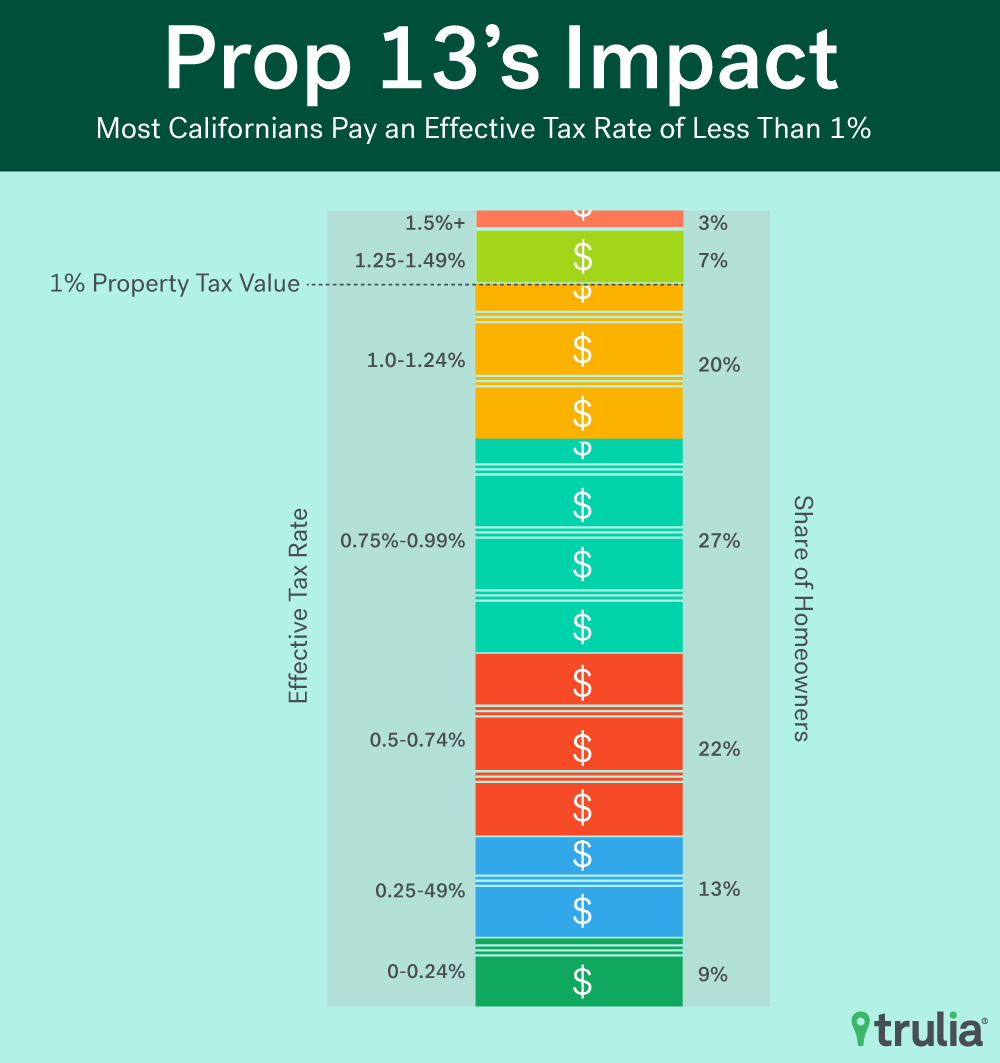
- Cap on Property Tax Rates: It limited the maximum annual property tax rate to 1% of a property’s assessed value. This provided immediate and significant tax relief for property owners.
- Assessment at 1975 Value: All properties were rolled back and assessed at their 1975 market value. This effectively froze property values at a much lower base for tax purposes.
- Limited Annual Increases: Annual increases in assessed value are capped at a maximum of 2% per year, regardless of how much a property’s market value actually appreciates. This means that a property’s assessed value increases very slowly over time.
- Reassessment Upon Change of Ownership: The assessed value of a property can only be reassessed to its current market value when there is a change of ownership. This is a crucial provision, as it means properties that haven’t changed hands in decades often have drastically lower assessed values (and thus lower property taxes) than comparable properties that have recently been sold.
- Two-Thirds Vote for New Taxes: It required a two-thirds vote in both the state legislature and local jurisdictions for any new special taxes to be enacted. This made it much harder for governments to raise revenue.
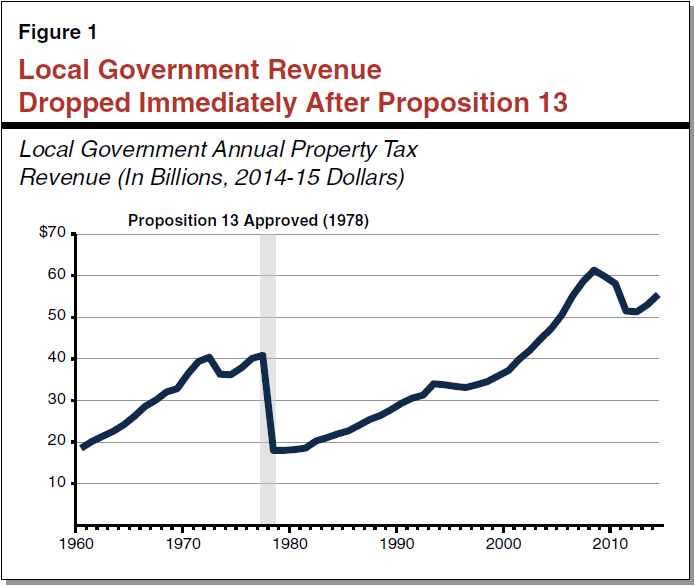
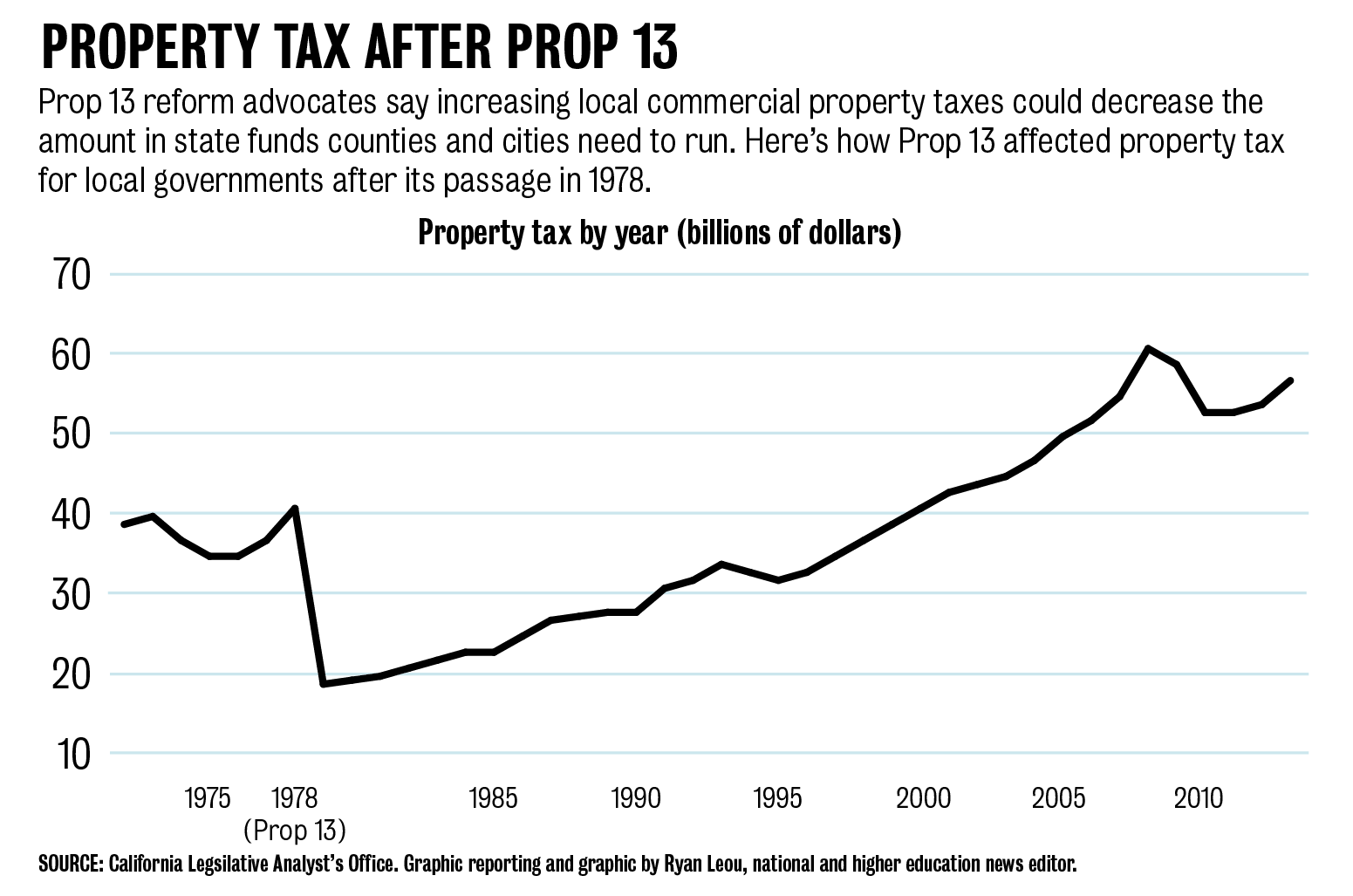
The immediate impact was a substantial reduction in local government revenue. This forced municipalities and counties to find alternative funding mechanisms and to become more fiscally conservative, often leading to changes in the scope and provision of public services.
The Ripple Effect on California’s Tourism Landscape
While Proposition 13 primarily concerns property taxation, its long-term effects permeate the very fabric of California’s economy and public infrastructure, directly influencing the environment that tourists experience.
Property Values, Investment, and Hospitality Development
The reassessment upon change of ownership provision has had a profound impact on the real estate market. Properties held for long periods enjoy significantly lower tax burdens, creating an incentive for owners to retain their properties rather than sell. This dynamic contributes to a complex real estate market in California, characterized by high market values but potentially lower taxes for long-term owners.
For the tourism sector, this affects:
- Hotel Development: Developing new hotels or redeveloping existing ones can face higher property tax liabilities compared to long-established properties, potentially influencing investment decisions and the pace of new construction in popular tourist areas. This could contribute to the premium pricing often seen in California’s accommodation sector.
- Cost of Doing Business: Businesses that own their properties for decades benefit from stable, predictable, and relatively low property taxes, offering a competitive advantage. Newer businesses or those leasing properties (where property tax costs are often passed through) might face higher operating costs, which can ultimately influence pricing for goods and services enjoyed by tourists.
- Preservation of Historic Properties: The incentive to hold onto properties can inadvertently contribute to the preservation of older buildings and historic districts. Owners benefit from a lower tax base, making it more feasible to maintain these structures rather than selling them for redevelopment, thereby retaining much of the unique architectural and cultural heritage that attracts visitors to cities like San Francisco or Monterey.
Funding Public Services and Tourist Infrastructure
The limitation on local government revenue has necessitated a shift in how public services and infrastructure – crucial for tourism – are funded. Local governments, constrained by Proposition 13, often rely more heavily on sales taxes, hotel taxes (Transient Occupancy Taxes), and other fees to generate revenue.
This affects tourism in several ways:
- Infrastructure Maintenance: Roads, bridges, public transportation systems, and utilities are vital for tourists navigating the state. Funding for these often depends on alternative revenue streams. While California boasts impressive infrastructure, the fiscal constraints imposed by Proposition 13 have sometimes led to deferred maintenance or a slower pace of development in certain areas.
- Parks and Recreation: California’s state and local parks, beaches, and recreational facilities are massive draws for tourists. The funding for their upkeep, staffing, and new amenities is directly impacted by municipal budgets. While many are well-maintained through state and local efforts, funding challenges can occasionally impact the quality or accessibility of these natural attractions.
- Public Safety and Services: Police, fire departments, and other emergency services are essential for a safe and enjoyable tourist experience. These services are funded through local budgets that operate under Proposition 13’s constraints. The reliance on other taxes for these services often means that tourist-heavy areas might implement specific fees or taxes on visitors to support these essential functions.
How Proposition 13 Influences Your California Experience
For the curious traveler, Proposition 13 isn’t just an abstract law; its effects subtly shape the very experiences they encounter in California.
The Cost of Visiting: Accommodation and Attractions
The unique property tax structure influences the cost of accommodation and certain attractions. While a hotel’s property tax bill might be lower if it’s been under the same ownership for decades, the general scarcity of developable land and the high market value of property in desirable tourist areas contribute to high overall costs.
- Hotel Prices: The cost of land, construction, and permits (which can be influenced by local government revenue needs) combine to make hotel development expensive. This, coupled with high demand, often translates into premium hotel rates across popular California destinations.
- Local Taxes and Fees: To compensate for limited property tax revenue, many California cities levy higher Transient Occupancy Taxes (TOTs) on hotel stays. These taxes directly contribute to local government coffers, often funding tourism promotion, infrastructure, and public safety – all services that benefit visitors.
- Attraction Pricing: While major theme parks and private attractions operate independently, smaller museums, historic sites, and public gardens often rely on local funding. Their ability to expand, maintain, or offer free/low-cost access can be tied to the financial health of the local government, influenced by Proposition 13’s revenue constraints.
Preserving Local Charm and Historical Sites
One unintended, yet beneficial, consequence of Proposition 13 for tourism is its role in preserving character. The lower property tax burden on long-held properties creates less pressure for owners to sell to developers who might otherwise tear down older structures for new, higher-density construction.
This contributes to:
- Neighborhood Character: Many of California’s most charming neighborhoods, from the Victorian homes of San Francisco’s Alamo Square to the historic adobes of San Juan Capistrano, retain their distinct character partly because property owners have a fiscal incentive to hold onto them. These unique aesthetics are a significant draw for tourists seeking authentic experiences.
- Historical Preservation: The ability to maintain a lower tax basis for historic buildings means that preserving them can be more economically viable than if they were continually reassessed at market value. This fosters the existence of numerous historical landmarks and districts that serve as key tourist attractions, offering a window into California’s rich past.
Navigating California’s Unique Economic Climate
For both visitors and businesses operating within California’s tourism sector, Proposition 13 forms part of the state’s distinct economic fabric, presenting both stability and challenges.
For Businesses: Stability and Challenges
Businesses, including hotels, restaurants, and tour operators, experience a unique operating environment under Proposition 13. Those that have owned their property for decades enjoy significant tax savings, which can provide a competitive edge and allow them to invest more in their services or maintain lower prices. However, businesses looking to expand, relocate, or establish new ventures face the prospect of much higher property tax bills from the outset, adding to the already high cost of operating in California. This can influence where and how quickly new tourist-oriented businesses emerge, shaping the availability of fresh experiences for visitors.
For Tourists: Understanding the Broader Context
For tourists, recognizing the impact of Proposition 13 allows for a more informed and appreciative visit. It helps explain:
- Why certain destinations might feel older or more established: The stability of property ownership encouraged by Proposition 13 can contribute to a sense of permanence and tradition in many communities.
- The reliance on sales and hotel taxes: Understanding that these taxes are critical revenue streams for local governments can help contextualize why they might be higher in California than elsewhere, as they often fund the very amenities and services that enhance the tourist experience.
- The ongoing debates about California’s public services: Proposition 13 is frequently part of conversations regarding school funding, infrastructure development, and local government budgets. As a visitor, understanding this historical context enriches one’s understanding of the state’s socio-economic dynamics.
In conclusion, while “What Is Proposition 13 In California?” might seem like a question for economists or policymakers, its answer is deeply intertwined with the state’s identity as a premier travel destination. From the character of its historic neighborhoods to the funding of its public parks and the economics of its hospitality industry, Proposition 13 plays an unseen yet pivotal role in shaping the unforgettable experiences awaiting every visitor to the Golden State.
LifeOutOfTheBox is a participant in the Amazon Services LLC Associates Program, an affiliate advertising program designed to provide a means for sites to earn advertising fees by advertising and linking to Amazon.com. Amazon, the Amazon logo, AmazonSupply, and the AmazonSupply logo are trademarks of Amazon.com, Inc. or its affiliates. As an Amazon Associate we earn affiliate commissions from qualifying purchases.