
For residents of California, navigating the myriad requirements for identification can sometimes feel complex, especially when preparing for travel or needing to access certain services. Among the most significant changes in recent years is the advent of the Real ID. More than just a new design for your driver’s license or state identification card, Real ID represents a federal standard designed to enhance security. Understanding what a Real ID is, why it’s necessary, and how to obtain one in the Golden State is crucial for ensuring smooth travel and hassle-free interactions with federal agencies. This comprehensive guide will demystify the Real ID in California, providing you with all the essential information you need to stay compliant and prepared.
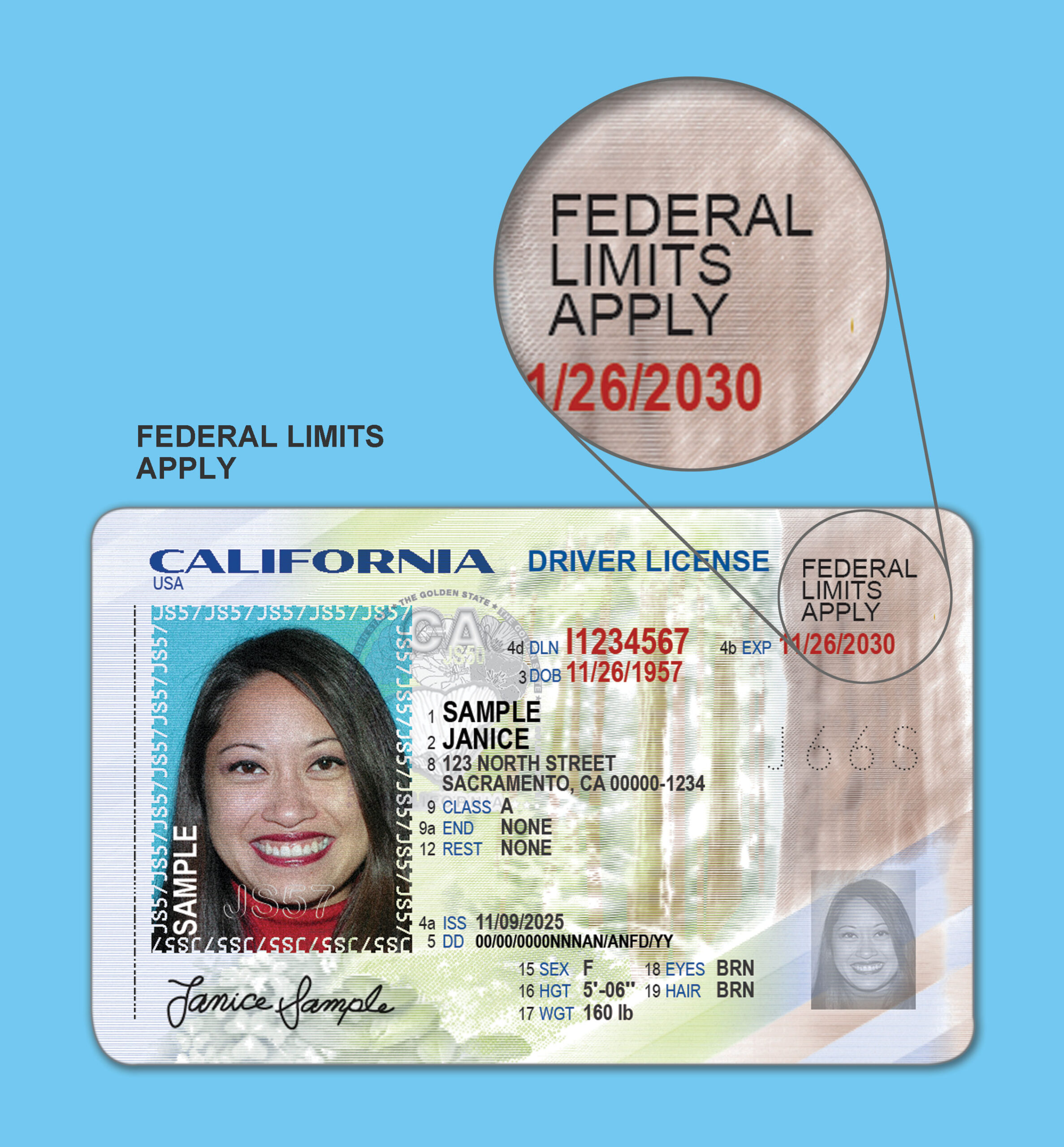
Understanding the Real ID Act and Its Purpose
The Real ID Act is federal legislation that sets new standards for the issuance of state driver’s licenses and identification cards. Passed by Congress in 2005, it was a recommendation from the 9/11 Commission to prevent terrorists and criminals from obtaining state-issued identification documents. Its primary goal is to improve the security of identification documents, thereby enhancing national security.
Origins and Federal Mandate
Following the tragic events of September 11, 2001, the 9/11 Commission identified weaknesses in the security of state-issued identification cards that could be exploited by those intending harm. In response, the United States Congress passed the Real ID Act. This act establishes minimum security standards for state-issued driver’s licenses and identification cards and prohibits federal agencies from accepting for certain purposes driver’s licenses and identification cards from states that do not meet these standards. The Department of Homeland Security (DHS) is responsible for implementing the Act, which includes determining the compliance of states. California began offering Real ID cards in January 2018, ensuring its residents could meet these federal requirements.
Why Real ID Matters for Travelers
For the average California resident, the most direct impact of the Real ID Act concerns air travel. As of May 7, 2025, every air traveler 18 years of age and older will need a Real ID compliant driver’s license, state-issued identification card, or another acceptable form of identification (such as a passport) to fly within the United States. Without it, passengers will not be permitted to pass through Transportation Security Administration (TSA) checkpoints at airports. Beyond air travel, a Real ID is also required for accessing certain federal facilities, including military bases, federal courthouses, and other restricted government buildings. This makes the Real ID an indispensable document for many aspects of modern life and travel.
Navigating the Real ID Application Process in California
Obtaining a Real ID in California requires a visit to a Department of Motor Vehicles (DMV) office, as certain documents must be presented in person. While it may seem daunting, the process is streamlined once you know what to expect and what documents to bring.
Eligibility and Required Documents
To apply for a California Real ID, you must be a resident of California. The application process necessitates providing several original or certified documents to prove your identity, residency, and Social Security number. It’s crucial to gather these documents beforehand to avoid multiple trips to the DMV.
Here’s a breakdown of the typical documents required:
- Proof of Identity: One document proving your identity and date of birth. Examples include an original or certified birth certificate (from a U.S. state, territory, or the District of Columbia), a U.S. passport or passport card, or a valid foreign passport with an approved I-94 form.
- Proof of Social Security Number (SSN): One document showing your full Social Security number. This could be your Social Security card, a W-2 form, a pay stub with your full SSN, or a tax return with your full SSN. The name on this document must match your identity document.
- Proof of California Residency: Two different documents proving your current California residential address. These cannot be from the same source. Acceptable documents include a utility bill (gas, electric, water, cable, cell phone), a rental or lease agreement, a mortgage statement, an insurance document, or a bank statement.
- Proof of Name Change (if applicable): If the name on your identity document differs from your current legal name, you must provide documents like a marriage certificate, divorce decree, or court order that shows the legal name change.
It is highly recommended to visit the official California DMV website to use their interactive document checklist, which can help ensure you bring all necessary items tailored to your specific situation.
Steps to Obtain Your California Real ID
Once you have gathered all your documents, the process typically involves these steps:
- Complete the Online Application: Start by filling out the Real ID application online on the California DMV website. This will save you time at the office. You’ll receive a confirmation code to bring with you.
- Schedule an Appointment: Due to the in-person requirement and the need to verify original documents, it’s strongly advised to schedule an appointment at your local DMV office. This significantly reduces wait times.
- Visit the DMV Office: Bring your confirmation code, all original or certified documents, and payment for the application fee. At the DMV, your documents will be reviewed, your photograph will be taken, and you’ll provide a digital signature and thumbprint.
- Receive a Temporary Card: Once your application is processed, you will typically receive a temporary Real ID card valid for a short period. Your official, permanent Real ID card will be mailed to your address within a few weeks.
Remember to double-check that your documents are originals or certified copies, as photocopies will not be accepted.
Key Differences: Real ID vs. Standard Driver’s License vs. Passport
While all serve as forms of identification, a Real ID, a standard California driver’s license (or ID card), and a U.S. passport have distinct uses and limitations, particularly in the context of travel and federal access.
Identification for Domestic Air Travel
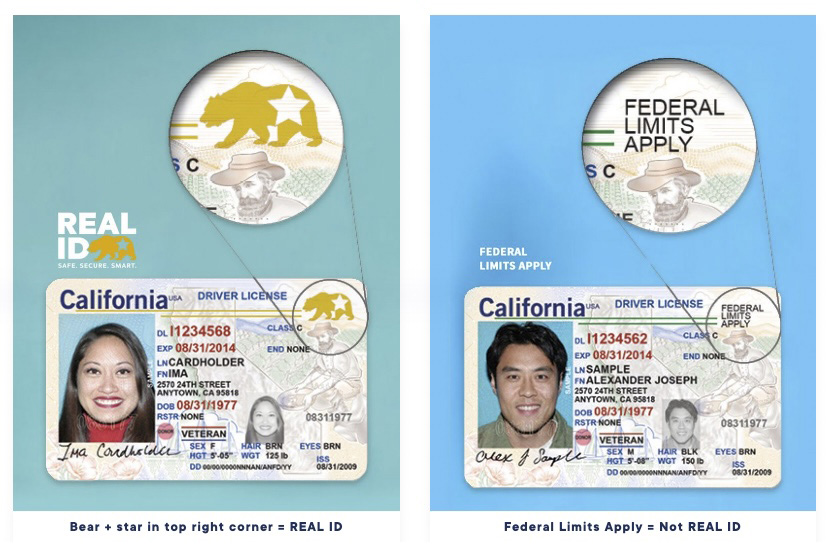
The primary differentiator for most people is domestic air travel. After the enforcement deadline, a Real ID compliant driver’s license or ID card will be accepted by the TSA at airport security checkpoints for flights within the United States. A standard California driver’s license or ID card, which does not have the Real ID gold bear and star, will not be accepted. However, a U.S. passport or passport card, along with other DHS-approved documents, will always be accepted for domestic flights, regardless of Real ID compliance. This means if you have a valid passport, you technically don’t need a Real ID for domestic air travel, but many find the convenience of a compliant driver’s license preferable.
Accessing Federal Facilities
Similar to air travel, a Real ID is required to access secure federal facilities, such as military bases, certain federal buildings, and nuclear power plants. A standard California driver’s license will not grant you entry to these locations after the enforcement date. Again, a U.S. passport or other federally approved identification can serve as an alternative. For everyday purposes like voting, driving, purchasing age-restricted items, or interacting with state or local law enforcement, a standard California driver’s license remains perfectly valid.
International Travel Requirements
It’s crucial to understand that a California Real ID is not a substitute for a passport for international travel. A Real ID is strictly for domestic purposes within the United States. If you plan to travel outside the U.S., you will still need a valid U.S. passport or other country-specific travel documents, depending on your destination. The Real ID and passport serve different, albeit complementary, functions for travel.
Important Considerations and Common Misconceptions
The transition to Real ID has generated several questions and misconceptions. Clarifying these points can help California residents make informed decisions.
Deadlines and Enforcement
While the Real ID Act was passed in 2005, its enforcement has seen multiple delays. The current national deadline for Real ID enforcement for domestic air travel and access to federal facilities is May 7, 2025. After this date, a standard driver’s license or ID card will no longer be accepted for these purposes. It’s important to keep this deadline in mind, especially if you anticipate flying domestically or needing federal access around that time. The California DMV encourages residents to apply for a Real ID sooner rather than later to avoid potential last-minute rushes.
Who Needs a Real ID?
Not everyone in California needs a Real ID. You only need a Real ID if you plan to:
- Fly domestically within the United States.
- Access secure federal facilities (like military bases).
- Enter nuclear power plants.
If you possess a valid U.S. passport or passport card, you can use that for these purposes instead of a Real ID compliant driver’s license. Furthermore, if you only drive, vote, or use your ID for age verification (e.g., purchasing alcohol), a standard California driver’s license or ID card is perfectly sufficient. The choice depends on your individual travel habits and access needs.
The Future of Identification for Travel
While the Real ID represents a significant step in enhancing identification security, the landscape of travel identification is continually evolving. Technologies like mobile driver’s licenses and facial recognition are being explored and piloted by various agencies. However, for the foreseeable future, the Real ID will remain the standard for physical identification for domestic air travel and federal access. Staying informed about TSA and DHS guidelines is always advisable for travelers.
Ensuring a Smooth Travel Experience with Real ID
Having your Real ID in order is a crucial step towards stress-free travel within the United States. A little proactive planning can save a lot of headaches later on.
Verifying Your Document Status
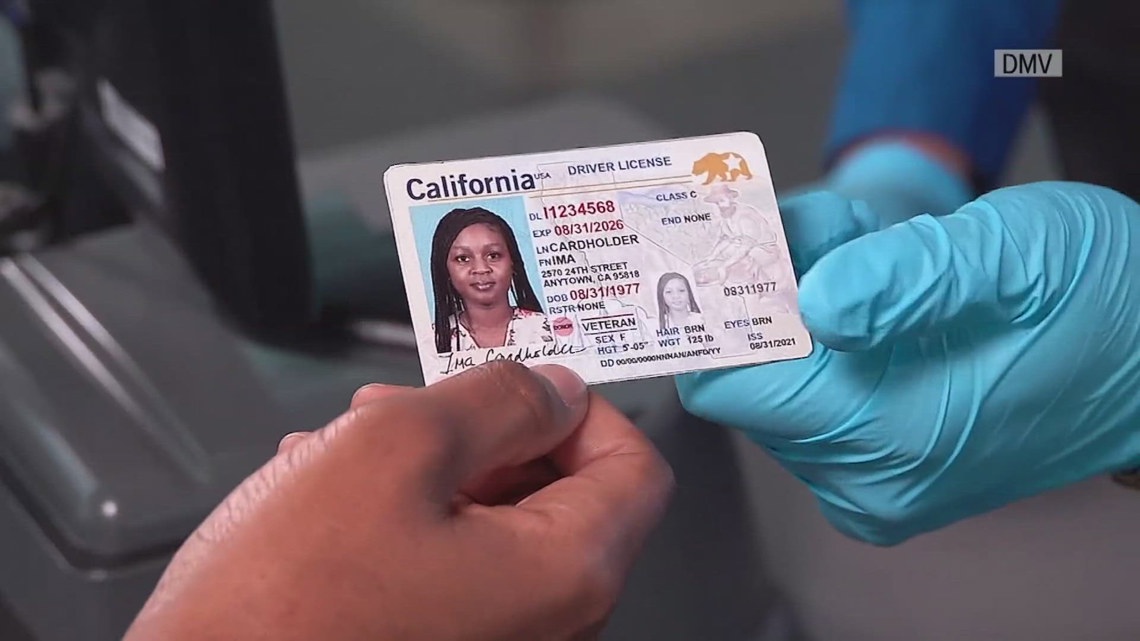
Before any domestic flight or a visit to a federal facility, always confirm the status of your identification. A California Real ID card is easily identifiable by the gold bear with a star in the upper right-hand corner. If your driver’s license or ID card does not have this symbol, it is a standard card and will not be accepted for federal purposes after the enforcement deadline. If you’re unsure, or if your name has changed, verify your current documentation well in advance of your travel date.
Planning Ahead for Travel
The best advice for any traveler is to plan ahead. If you anticipate needing a Real ID, don’t wait until the last minute to apply. DMV offices can experience long wait times, and the mailing process for the permanent card takes several weeks. Allow ample time for the entire process, especially if you have an upcoming trip. If the deadline is approaching and you haven’t secured a Real ID, ensure your U.S. passport is valid and readily available as an alternative form of identification for domestic air travel.
In conclusion, the Real ID in California is a key document for modern travel and access to certain federal services. By understanding its purpose, the application process, and its distinctions from other forms of ID, California residents can confidently navigate federal identification requirements and ensure their travel plans proceed without interruption.
LifeOutOfTheBox is a participant in the Amazon Services LLC Associates Program, an affiliate advertising program designed to provide a means for sites to earn advertising fees by advertising and linking to Amazon.com. Amazon, the Amazon logo, AmazonSupply, and the AmazonSupply logo are trademarks of Amazon.com, Inc. or its affiliates. As an Amazon Associate we earn affiliate commissions from qualifying purchases.