
California, often celebrated as the Golden State, conjures images of sun-drenched beaches, towering redwoods, innovative tech hubs, and a vibrant cultural tapestry. It’s a land of unparalleled opportunity and breathtaking natural beauty, attracting dreamers and entrepreneurs from across the globe. However, this allure comes with a well-documented caveat: the state’s notoriously high cost of living. Understanding the average income in California is not merely an exercise in economics; it is a fundamental insight into the diverse lifestyles, financial realities, and opportunities that define living in this unique part of the United States. For anyone considering a move, a prolonged stay, or simply curious about the economic engine behind the dream, grasping these figures is essential for painting a realistic picture of life in California and how income shapes one’s experience.
The Golden State’s Economic Landscape and Lifestyle
California’s economy is a colossal entity, ranking as one of the largest in the world if it were an independent nation. This immense economic power is fueled by an incredible diversity of industries, each contributing to the state’s unique lifestyle mosaic. From the innovation powerhouses of Silicon Valley to the agricultural heartland of the Central Valley, and from the entertainment capital of Hollywood to the bustling ports of Los Angeles and Long Beach, the economic opportunities are as varied as the landscape itself. This diversity directly influences income levels and, consequently, the lifestyles available to its residents.
A Snapshot of California’s Diverse Economy
California’s economic might is not concentrated in a single sector but rather distributed across several high-performing industries. The technology sector, spearheaded by giants like Apple, Google, and Meta, has propelled regions like the San Francisco Bay Area into global economic prominence, offering some of the highest-paying jobs in the world. Agriculture, particularly in the Central Valley, remains a bedrock, producing a significant portion of the nation’s fruits, vegetables, and nuts. The entertainment industry, centered in Los Angeles, continues to be a global hub for film, television, and music production. Beyond these, California also boasts strong aerospace, manufacturing, tourism, and healthcare sectors. Each of these industries creates distinct economic ecosystems, influencing local job markets, wage structures, and the overall cost of living, thereby carving out different lifestyle possibilities depending on where one resides and works within the state.
Understanding Income Metrics: Median vs. Average
When discussing “average income,” it’s crucial to differentiate between two key statistical measures: the mean average and the median. The mean average income is calculated by summing all incomes and dividing by the number of earners. While seemingly straightforward, this figure can be significantly skewed by a small number of extremely high earners, which is particularly relevant in a state like California with its concentration of billionaires and high-tech executives. The median income, on the other hand, represents the exact midpoint of all incomes, meaning half of the earners make more than this figure and half make less. This metric is often considered a more accurate representation of the typical person’s income and is a better indicator of the financial reality for the majority of residents, offering a more realistic lens through which to view the average Californian lifestyle.
Decoding Average Income Figures in California
Delving into the actual numbers for California’s income provides a critical foundation for understanding the practicalities of living there. These figures, whether median or mean, are not just abstract statistics; they translate directly into daily choices, from housing and transportation to leisure activities and educational opportunities.
State-Wide Averages and Medians
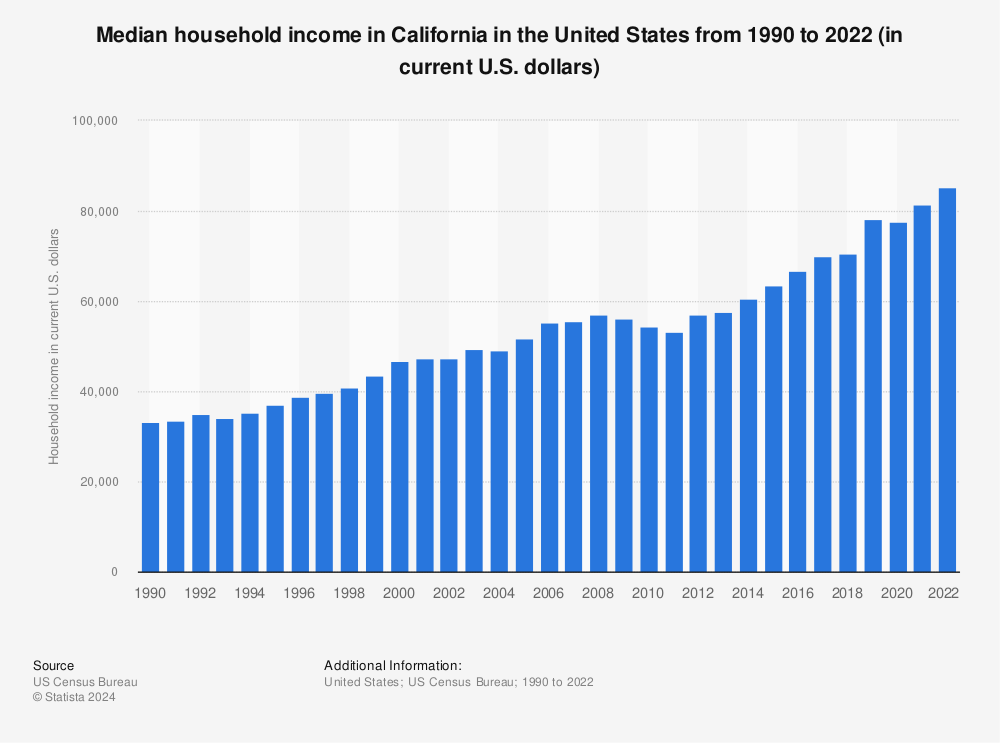
According to recent data from sources like the U.S. Census Bureau and the Bureau of Labor Statistics, California’s income figures consistently rank among the highest in the nation. While exact numbers fluctuate annually, typically, the median household income in California hovers around $85,000 to $90,000. For context, this is significantly higher than the national median household income, which often falls in the range of $70,000 to $75,000. When considering per capita income (income per person), California also maintains a high standing, typically in the range of $40,000 to $45,000. These robust figures reflect the state’s high-wage industries and strong economic output. However, it’s imperative to view these numbers not in isolation, but in tandem with the state’s substantial cost of living, which significantly impacts the purchasing power of these incomes.
The High Cost of Living: How Income Translates to Lifestyle
The elevated income figures in California are largely a response to its extraordinary cost of living. Housing costs, in particular, are astronomical in many urban and coastal areas. The median home price in California often exceeds $800,000, dwarfing the national median. Rental costs similarly soar, with a modest apartment in cities like San Francisco or Los Angeles easily commanding upwards of $2,500-$3,500 per month. Beyond housing, daily expenses such as groceries, utilities, transportation (especially gasoline prices), and even sales taxes are consistently higher than the national average. This means that a seemingly high income in California can, in reality, provide a lifestyle comparable to or even more modest than a lower income in a less expensive state. The pursuit of a certain quality of life or a particular lifestyle often requires a substantially higher income threshold in California than almost anywhere else in the country.
Regional Income Disparities and Lifestyle Choices
One of the most defining characteristics of California is its vast regional diversity, which extends profoundly to income levels and, consequently, the lifestyles they afford. The state is not a monolithic economic entity; rather, it’s a patchwork of micro-economies, each with its own cost of living and income opportunities.
Affluent Urban Hubs: San Francisco, Silicon Valley, Los Angeles
The highest income concentrations are found in California’s major metropolitan areas, particularly in the San Francisco Bay Area (including San Francisco, Oakland, and San Jose), and parts of Southern California like Los Angeles and Orange County. In these regions, median household incomes can easily climb well over $120,000, with many households earning significantly more, particularly in Silicon Valley where tech salaries push averages even higher. The lifestyle supported by these incomes often includes access to world-class dining, cultural attractions, luxury shopping, and high-quality private education. However, even with these incomes, the high cost of living, especially for housing, means that even well-paid professionals might find homeownership challenging or require long commutes.
More Affordable Regions: Central Valley, Inland Empire
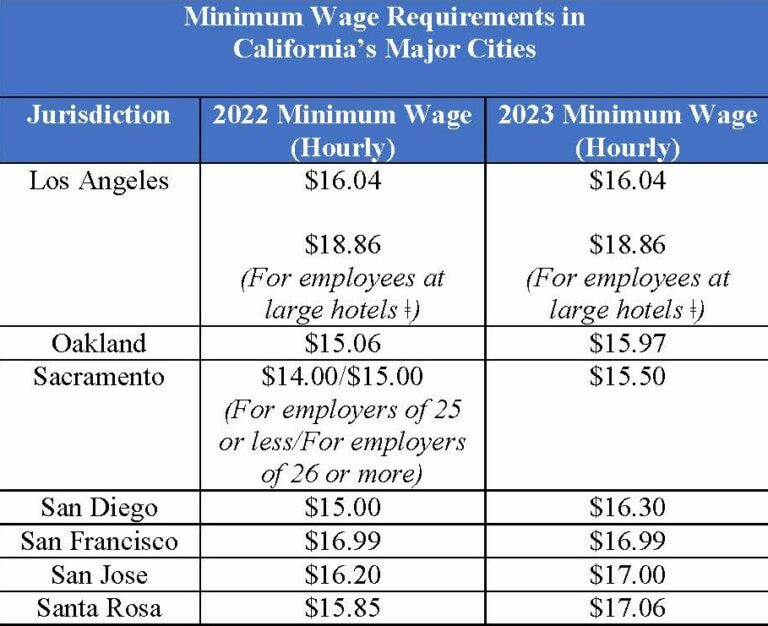
In stark contrast, other regions of California offer a more financially accessible lifestyle, albeit often with lower income potential. Areas like the Central Valley (e.g., Fresno, Bakersfield, Sacramento) and the Inland Empire (e.g., Riverside, San Bernardino) have significantly lower costs of living, especially for housing. Median household incomes in these areas might range from $65,000 to $75,000, which, while lower than the state median, offers greater purchasing power due to more affordable homes and daily expenses. The lifestyle here is often characterized by larger homes, more space, and a slower pace, but may come with fewer high-wage job opportunities in cutting-edge industries and potentially less access to the extensive amenities found in the major urban centers.
Impact on Housing and Daily Expenses
The regional income disparities fundamentally shape residential choices and daily living. In higher-income areas, the pressure to earn a substantial salary is intense, as even basic housing requires a significant portion of one’s income. This can lead to smaller living spaces, longer commutes, or the necessity of dual-income households to maintain a comfortable standard of living. In more affordable regions, lower incomes might still allow for homeownership and a more relaxed lifestyle, but residents might face other challenges, such as fewer job options or longer travel distances to specialized services. Understanding these regional differences is vital for anyone planning to settle in California, as the “average income” can mean vastly different things depending on one’s specific location within the state.
Income’s Influence on Californian Lifestyles
Income in California is not just a number on a paycheck; it’s the primary determinant of the lifestyle one can realistically achieve. The state offers an unparalleled range of experiences, from opulent luxury to rugged adventure, but access to these often hinges on one’s financial standing.
Luxury vs. Budget Living: How Income Dictates Choices
For those at the higher end of the income spectrum, California truly offers a life of luxury. This can manifest as lavish homes in exclusive neighborhoods like Beverly Hills or Malibu, frequent dining at Michelin-starred restaurants in San Francisco or Napa Valley, designer shopping, private school tuition, and regular travel to international destinations or local resorts such as the Ritz-Carlton Laguna Niguel or the Hotel del Coronado. Such a lifestyle is often supported by incomes well into the six or even seven figures.
Conversely, for those with incomes closer to or below the state median, a budget-conscious lifestyle becomes necessary. This might involve living in more affordable, often suburban or inland areas, carefully planning grocery budgets, utilizing public transportation or carpooling, and seeking out free or low-cost entertainment options like California’s stunning state parks or free beach access. Even a comfortable middle-class existence in a major metropolitan area often requires diligent financial planning and making trade-offs.
Family Life and Education: The Cost of Raising a Family
Raising a family in California presents unique financial considerations. Childcare costs are among the highest in the nation, often rivaling monthly rent payments. Public education, while generally robust, can vary significantly in quality by district, leading some families to consider expensive private schooling. The desire for a good school district often drives housing choices, pushing families into highly competitive and costly real estate markets. A family attempting to maintain a “middle-class” lifestyle with two children in a desirable urban area might easily need a combined household income exceeding $150,000-$200,000 to cover housing, childcare, food, and other necessities without significant financial strain.
Recreational Pursuits and Entertainment: Access to California’s Offerings
California is a playground for outdoor enthusiasts and culture seekers alike. From skiing in Lake Tahoe to surfing in San Diego, hiking in Yosemite National Park, or exploring the museums of San Francisco, the opportunities are endless. However, the ability to fully engage with these activities is often income-dependent. While many natural attractions offer free or low-cost access, expenses like specialized gear, transportation, lodging for weekend trips, or tickets to major theme parks like Disneyland or cultural events can quickly accumulate. Higher incomes allow for spontaneous trips, comfortable accommodations, and participation in a wider array of recreational and cultural experiences, fully leveraging the diverse offerings of the state. Lower incomes necessitate more careful planning, prioritizing, and seeking out budget-friendly alternatives to enjoy the Golden State’s unique allure.
Navigating the Californian Economic Landscape
Understanding the average income in California is the first step towards successfully navigating its complex economic waters. Whether you are a long-time resident or considering a move, strategic planning is paramount to achieving your desired lifestyle.
Strategic Financial Planning
Given the high cost of living, particularly in desirable areas, strategic financial planning is non-negotiable for most Californians. This includes meticulous budgeting, aggressive saving for down payments (if homeownership is a goal), and investing wisely. Many residents find that maximizing tax-advantaged retirement accounts, seeking out employer-sponsored benefits, and carefully managing debt are crucial for financial stability. For those with median incomes, finding a balance between enjoying California’s offerings and maintaining financial health often requires creative solutions and disciplined spending.
Career Opportunities and Growth Sectors
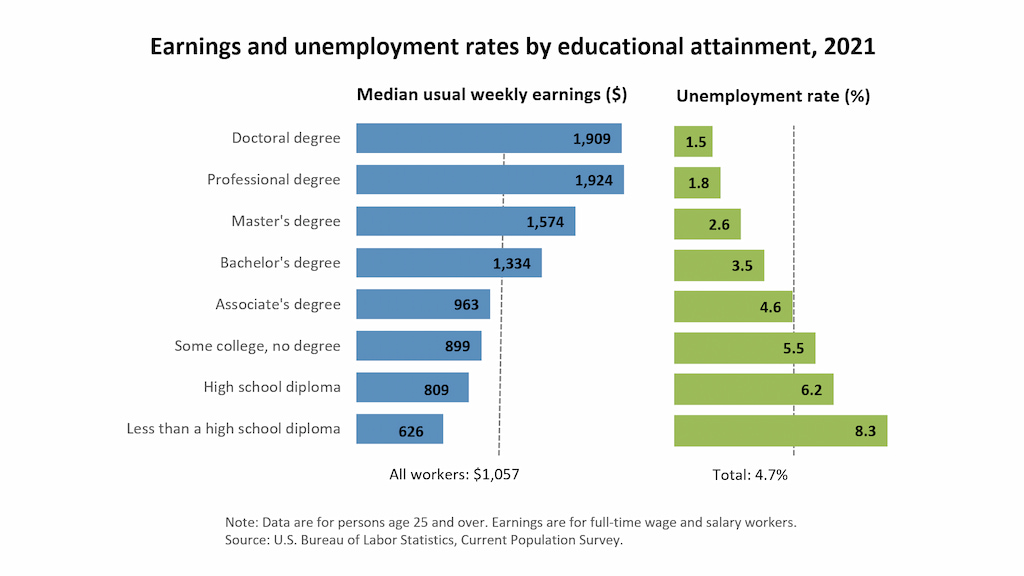
For those looking to establish or advance their careers in California, focusing on high-growth sectors can be a path to higher incomes and greater financial security. The technology sector remains a dominant force, with continuous demand for engineers, developers, and data scientists. Healthcare, particularly in nursing, specialized medical fields, and biotechnology, offers robust salaries. The renewable energy sector is also expanding rapidly, fueled by the state’s environmental initiatives. While competitive, these industries often provide the kind of compensation necessary to thrive in California’s expensive environment. Education, networking, and continuous skill development are key for tapping into these lucrative opportunities and securing a lifestyle that aligns with the Californian dream.
In conclusion, the average income in California is a figure that, while high, must be contextualized within the state’s equally high cost of living. It is a critical metric for understanding the diverse lifestyles available, the regional disparities that define economic reality, and the financial planning necessary to carve out a comfortable existence in the Golden State. For those who choose to call California home, a realistic understanding of these economic factors is the key to unlocking the full potential of its vibrant and dynamic lifestyle.
LifeOutOfTheBox is a participant in the Amazon Services LLC Associates Program, an affiliate advertising program designed to provide a means for sites to earn advertising fees by advertising and linking to Amazon.com. Amazon, the Amazon logo, AmazonSupply, and the AmazonSupply logo are trademarks of Amazon.com, Inc. or its affiliates. As an Amazon Associate we earn affiliate commissions from qualifying purchases.