
Connecticut, a small but historically significant state nestled in the heart of New England, carries a peculiar and intriguing nickname: “The Nutmeg State.” This moniker, unique among U.S. states, sparks curiosity and hints at a rich past rooted in commerce, ingenuity, and perhaps a touch of folklore. For those exploring the vibrant local culture and historical tapestry of this region, understanding the origin of this nickname offers a fascinating glimpse into the character and identity of Connecticut and its people. It’s a tale that blends historical trade practices, the resourcefulness of early American entrepreneurs, and the enduring legacy of a potent spice.
The Curious Origin of a Sweet Nickname
The story behind Connecticut’s nickname dates back to the late 18th and early 19th centuries, an era when American commerce was expanding, and Yankee ingenuity was a defining trait. Nutmeg, a valuable and exotic spice, plays the central role in this narrative, painting a picture of a burgeoning economy and the unique methods employed by those who shaped it.
The Era of Yankee Peddlers
The genesis of the “Nutmeg State” nickname is inextricably linked to the famed Yankee Peddlers of Connecticut. These itinerant salesmen were renowned for traversing the countryside, selling a diverse array of goods from their carts or on foot. They were known for their shrewd business acumen, resourcefulness, and ability to sell almost anything to anyone. From tinware and wooden clocks to household gadgets, the peddlers from Connecticut developed a reputation for their craft and their keen sense of commerce. It was their dealings, particularly with this specific spice, that would ultimately cement the state’s enduring nickname.
The Scarcity and Value of Nutmeg
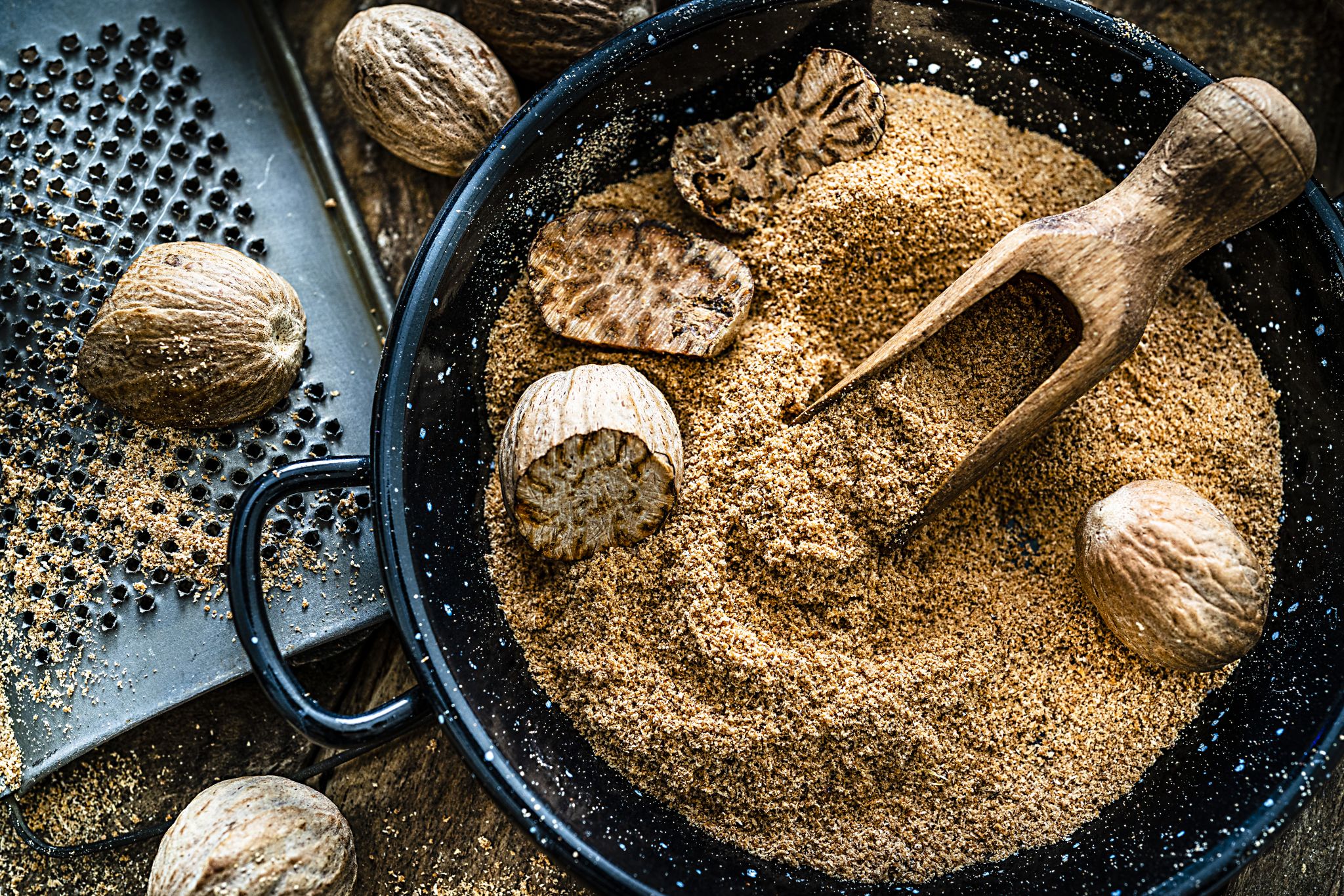
During this period, nutmeg was an incredibly valuable commodity. Originating primarily from the Banda Islands in Southeast Asia, the spice was expensive and often difficult to obtain in the American colonies. Its distinctive aroma and flavor made it highly sought after for both culinary and medicinal purposes. A whole nutmeg could be grated, releasing its potent oils and fragrance, making it a luxurious addition to dishes and drinks. The high demand and limited supply created fertile ground for enterprising individuals, including the peddlers of Connecticut, to capitalize on its market value.
Ingenuity or Deception?
The popular legend attributes the nickname to the peddlers’ alleged practice of selling “wooden nutmegs.” According to the tale, to maximize their profits, some Connecticut peddlers would carve nutmeg-shaped pieces of wood and pass them off as real nutmegs to unsuspecting buyers. These counterfeit spices, of course, lacked the aromatic and flavorful properties of genuine nutmeg. When buyers attempted to grate them, they would discover the deception, leading to the term “nutmegger” being applied to the cunning, and sometimes deceitful, peddlers of Connecticut.
While the historical accuracy of widespread wooden nutmeg sales is debated—it’s likely more folklore than common practice—the legend resonated deeply. It captured the public imagination and highlighted the perception of Connecticut peddlers as shrewd, perhaps even excessively so. The story became a cautionary tale, but also inadvertently forged a unique identity for the state. Even if exaggerated, the legend underscores the perceived resourcefulness and business savvy that characterized the state’s early merchants.
More Than Just a Spice: Cultural Impact
The “Nutmeg State” nickname transcends its speculative origins to become a deeply ingrained part of Connecticut’s cultural fabric. It has evolved from a potentially pejorative term into a symbol of pride, representing the ingenuity, resilience, and unique spirit of its residents.
From Legend to Identity
Over time, the legend of the wooden nutmegs, whether fact or fiction, solidified Connecticut’s association with the spice. The term “nutmegger” shifted from a description of a shrewd peddler to a broader identifier for anyone from the state. This transformation is a testament to how local folklore can shape collective identity. What might have started as a jest or a criticism became a distinctive badge of honor, distinguishing Connecticut from its neighbors. Today, the nickname is embraced, celebrated in state lore, and taught in schools, serving as a reminder of the state’s colorful past and the character of its people.
Modern-Day Nods to the Nutmeg State
The influence of the “Nutmeg State” is evident throughout contemporary Connecticut. From business names to local events, the spice is often invoked as a symbol of local heritage. You might find “Nutmeg” incorporated into the names of local businesses, sports teams, or community festivals. For instance, the state’s official magazine is called Connecticut Magazine, but many other local publications and organizations will adopt “Nutmeg” in their branding to evoke a sense of local pride and history. This widespread adoption demonstrates the enduring power of the nickname and its role in fostering a unique local culture. When visiting cities like Hartford or New Haven, keen observers might spot subtle tributes to the state’s spicy past in various forms, from decorative motifs to local menus.
Economic and Historical Resonance
Beyond cultural symbolism, the nickname indirectly speaks to Connecticut’s historical economic prowess. The peddler tradition highlights an early spirit of entrepreneurship and innovation that would later characterize the state’s industrial development. Connecticut became a hub for manufacturing, from precision instruments to firearms, building on a foundation of inventive spirit and practical application. The nutmeg story, therefore, serves as an origin myth of sorts, underscoring a continuous thread of resourcefulness and commercial acumen that has defined the state’s economic trajectory from colonial times through the industrial revolution and into the modern era of finance and technology.
Exploring Connecticut’s Unique Charm
For tourists, the “Nutmeg State” nickname is more than just a historical anecdote; it’s an invitation to delve deeper into the local culture and discover what makes Connecticut a captivating destination. The state offers a rich tapestry of history, natural beauty, and vibrant communities, all subtly informed by the spirit the nickname embodies.
Beyond the Spice: Other State Symbols
While “The Nutmeg State” is perhaps its most famous unofficial moniker, Connecticut also boasts other official symbols that further illuminate its character. The state bird is the American Robin, the state flower is the Mountain Laurel, and the state tree is the White Oak. Each of these symbols, like the nutmeg, connects to the natural beauty and historical resilience of the region. Understanding these elements adds layers to a tourist’s appreciation of Connecticut’s unique identity, moving beyond a single spice to a broader understanding of its ecological and cultural heritage.
Must-Visit Places for Tourists
For travelers inspired by the tale of the nutmeggers, Connecticut offers a wealth of attractions that showcase its history and culture. Visitors can explore the charming maritime village of Mystic, home to the famous Mystic Seaport Museum, which vividly portrays the state’s seafaring past. Literary enthusiasts can tour the Mark Twain House & Museum in Hartford, where the celebrated author penned some of his most famous works.
For a glimpse into academic excellence and stunning architecture, Yale University in New Haven offers both historical depth and a vibrant cultural scene. Those interested in the natural beauty and quirky history can visit Gillette Castle State Park, an eccentric medieval-style fortress built by actor William Gillette. From the vibrant city life of Stamford and Bridgeport to the serene landscapes of the Litchfield Hills, the state presents diverse experiences for every type of traveler.
Experiencing Local Culture
To truly experience the local culture in the spirit of the “Nutmeg State,” tourists are encouraged to engage with local artisans, visit farmers’ markets, and explore small towns. These interactions often reveal the modern-day “Yankee ingenuity” that continues to thrive in Connecticut. Sample local produce, discover handmade crafts, or attend a community festival to witness the blend of historical tradition and contemporary innovation. Places like the Wadsworth Atheneum Museum of Art in Hartford or the Essex Steam Train & Riverboat offer immersive experiences that connect visitors directly with the state’s rich heritage and the resourceful spirit embodied by its unique nickname. Even entertainment hubs like Foxwoods Resort Casino and Mohegan Sun speak to the state’s continued ability to innovate and draw visitors, much like the original peddlers.
The Enduring Legacy of the Nutmeggers
The tale of “The Nutmeg State” is more than a whimsical historical footnote; it is a foundational narrative that continues to shape how Connecticut views itself and how others perceive it. It encapsulates the very essence of the state’s identity: resourcefulness, a sharp business sense, and a history rich with intriguing stories.
Preserving History and Heritage
Today, efforts to preserve Connecticut’s history are robust, with numerous historical societies, museums, and preservation groups working to keep its stories alive. The legacy of the nutmeggers serves as a touchstone for understanding the deeper currents of early American entrepreneurialism. The Connecticut Historical Society and other local organizations frequently feature exhibits and discussions that delve into the social and economic conditions that gave rise to such legends. These institutions play a crucial role in ensuring that the narrative of the “Nutmeg State” remains a vibrant and accessible part of public consciousness, enriching the experience for residents and visitors alike. Even indigenous history, as explored at the Mashantucket Pequot Museum & Research Center, contributes to the layered understanding of Connecticut’s past.
The Spirit of Innovation and Resourcefulness
The resourcefulness attributed to the early Connecticut peddlers mirrors a broader spirit of innovation that has been a consistent characteristic of the state. From the invention of the cotton gin to pioneering advancements in insurance and manufacturing, Connecticut has consistently been at the forefront of American ingenuity. The “Nutmeg State” moniker, in this sense, is not just about a spice or a clever trick; it’s an ancestral nod to a deeply ingrained characteristic of the state’s population—the ability to adapt, invent, and thrive, often against challenging odds. This spirit is visible today in its thriving technology sectors, its world-class educational institutions, and its diverse economy.

Connecticut’s Place in American History
Ultimately, the nickname “The Nutmeg State” positions Connecticut within the broader narrative of American history as a place of unique character. It highlights the state’s contribution to the nation’s early commercial landscape and its persistent dedication to independent thought and entrepreneurial drive. It’s a state that embraces its quirks and celebrates its historical depth, inviting travelers to explore a corner of New England where every street, every town, and every legend tells a story. From its colonial foundations to its modern advancements, Connecticut remains a vibrant place, forever linked to the exotic allure and the resourceful spirit of a simple spice.
The enduring mystery and charm of “The Nutmeg State” nickname continue to captivate, drawing visitors into a delightful exploration of Connecticut’s rich past and dynamic present. It stands as a testament to the power of folklore in shaping identity and the timeless appeal of a good story well told.
LifeOutOfTheBox is a participant in the Amazon Services LLC Associates Program, an affiliate advertising program designed to provide a means for sites to earn advertising fees by advertising and linking to Amazon.com. Amazon, the Amazon logo, AmazonSupply, and the AmazonSupply logo are trademarks of Amazon.com, Inc. or its affiliates. As an Amazon Associate we earn affiliate commissions from qualifying purchases.