
California, a land of diverse landscapes, vibrant cities, and world-renowned attractions, welcomes millions of tourists each year. From the sun-kissed beaches of Los Angeles to the iconic Golden Gate Bridge in San Francisco and the picturesque vineyards of Napa Valley, the Golden State offers an unparalleled travel experience. For visitors planning to enjoy the local culture, which often includes sampling California’s celebrated wines, craft beers, or artisanal cocktails, understanding the legal alcohol levels and related laws is paramount. This knowledge is not just about avoiding legal trouble; it’s about ensuring a safe and responsible trip for yourself and others. This guide provides essential insights into California’s alcohol laws, specifically focusing on how they impact tourists.
Understanding California’s DUI Laws for Tourists
Driving Under the Influence (DUI) laws in California are among the strictest in the United States, and they apply equally to residents and visitors. Whether you’re renting a car to explore Highway 1 or driving your own vehicle, knowing these regulations is crucial.
The Standard .08% BAC Limit
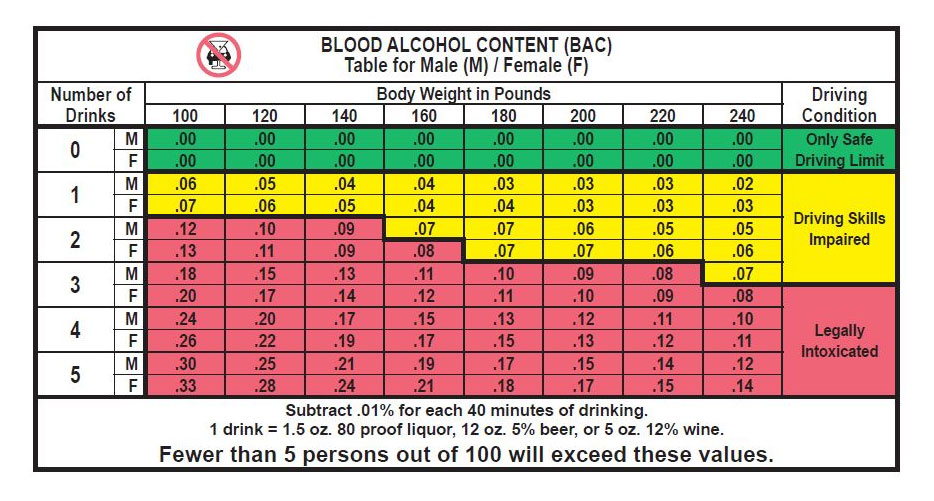
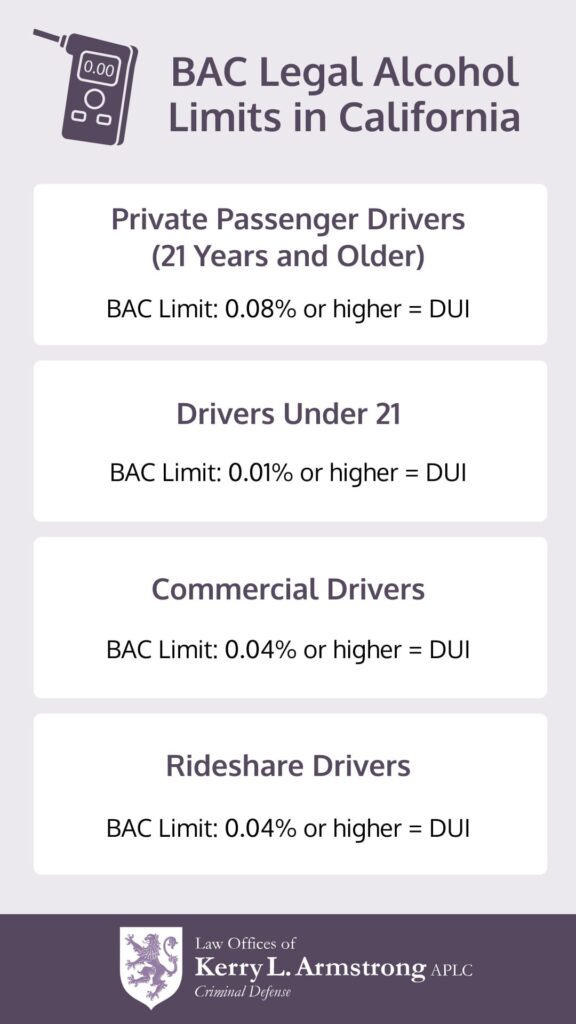
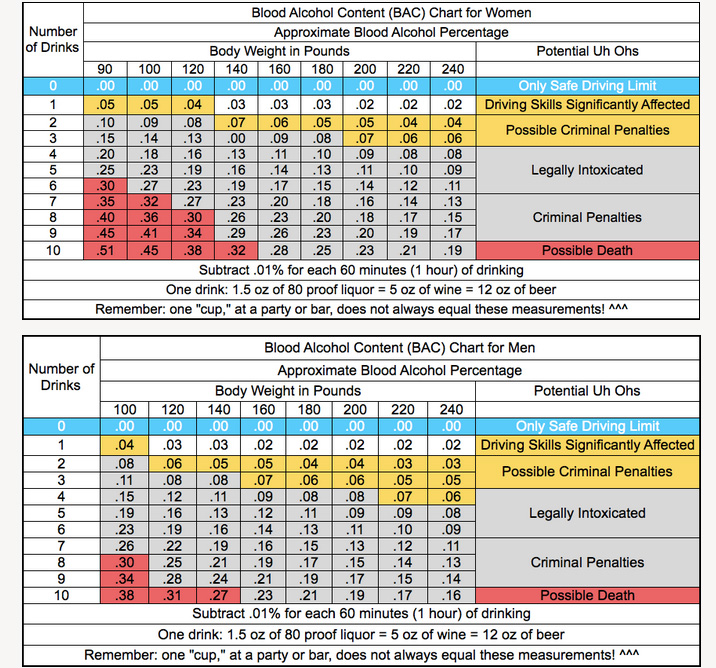
For most adult drivers (21 years and older) of non-commercial vehicles, the legal Blood Alcohol Content (BAC) limit in California is 0.08%. This means that if you are stopped by law enforcement and your BAC is measured at 0.08% or higher, you can be charged with a DUI. It’s important to understand that BAC can be affected by various factors, including your weight, gender, metabolism, the amount of food you’ve consumed, and the type and quantity of alcohol. A common misconception is that one can “feel” intoxicated only at or above this limit. In reality, impairment can begin with even a small amount of alcohol, well below the legal limit. For tourists unfamiliar with the local environment, the effects of alcohol might be amplified, making judgment and reaction times even more critical. The best advice for anyone planning to drink is simply not to drive.
Special BAC Limits for Commercial Drivers and Minors
California implements even stricter BAC limits for certain categories of drivers:
- Commercial Drivers: If you hold a commercial driver’s license (CDL) and are operating a commercial vehicle, the legal BAC limit is significantly lower at 0.04%. This applies whether you’re transporting goods or passengers. Tourists who might be driving large RVs or other vehicles requiring a special license should be particularly mindful of this lower threshold.
- Drivers Under 21: For anyone under the age of 21, California has a “zero tolerance” policy. If you are under 21 and found to have any measurable amount of alcohol in your system (a BAC of 0.01% or higher), you can be charged with a DUI. This is a crucial point for younger visitors, as even a sip of alcohol could lead to legal repercussions if they get behind the wheel.
These stringent limits underscore California’s commitment to road safety and apply universally, regardless of your home state or country.
Implied Consent and Chemical Tests
When you drive on California roads, you implicitly consent to chemical tests if you are lawfully arrested for a DUI. This is known as “implied consent.” If a law enforcement officer has probable cause to believe you are driving under the influence and arrests you, they can request a breath, blood, or, in some cases, a urine test to determine your BAC. Refusing to submit to a chemical test can lead to immediate and severe consequences, including automatic license suspension (even if you’re eventually found not guilty of the DUI) and enhanced penalties if you are later convicted. For tourists, this could mean losing your driving privileges in California and potentially having issues with your license in your home country or state upon return.
Beyond Driving: Alcohol Consumption Laws in California
While DUI laws are often the focus, California has other alcohol-related regulations that tourists should be aware of to fully enjoy their visit without legal complications.
Open Container Laws
California has strict open container laws, particularly concerning vehicles. It is generally illegal to have an open container of an alcoholic beverage in a vehicle on any public highway or lands open to the public. This applies to both the driver and any passengers. An “open container” is defined as any container of alcohol that has been opened, has a broken seal, or from which some of the contents have been removed.
There are a few nuances:
- Trunk Exception: You can transport an open container in the trunk of your car, or in a place not readily accessible to the driver or passengers (e.g., behind the last seat in an SUV or camper shell).
- Passenger for Hire: Passengers in a bus, taxi, limousine, or other vehicle for hire are generally exempt from the open container law.
- Motorhomes/Campers: Passengers in the living quarters of a motorhome or camper are also typically exempt.
For tourists, this means that even if you’re not driving, sipping a glass of wine or a beer in the passenger seat of a private car is illegal. Always ensure any opened alcoholic beverages are stored properly and out of reach of occupants while the vehicle is in motion or parked on public property.
Public Intoxication
Public intoxication, or being “drunk in public,” is also illegal in California under Penal Code 647(f). This law states that it is a misdemeanor to be found in any public place under the influence of intoxicating liquor (or drugs) to the point where you are unable to exercise care for your own safety or the safety of others, or to obstruct a public way. While enjoying the nightlife in San Diego or the bustling streets of Sacramento, it’s important to remember that excessive public displays of intoxication can lead to arrest, a night in jail, and a permanent criminal record, which could impact future travel. Always maintain control and awareness of your surroundings.
Purchase and Consumption Age Limits
The legal drinking age in the entire United States, including California, is 21. This means you must be 21 years or older to purchase, possess, or consume alcoholic beverages. Businesses are very strict about checking identification, so always carry a valid form of ID (such as a passport or driver’s license) if you plan to buy or consume alcohol. Attempting to use a fake ID or purchasing alcohol for someone under 21 (known as “furnishing alcohol to a minor”) carries severe penalties.
Consequences of a DUI in California for Visitors
A DUI conviction in California can have profound and lasting impacts, especially for tourists. The legal process can be complex, expensive, and stressful, often requiring you to return to California for court dates, even after you’ve completed your trip.
Immediate Legal Repercussions
Upon arrest for a DUI, you will typically have your driver’s license immediately confiscated (if it’s a California license, but an out-of-state or international license might be handled differently depending on agreements with your home jurisdiction). You’ll likely be booked into jail, even if only for a few hours, before being released. The vehicle you were driving may also be impounded. Furthermore, you will be facing criminal charges that could result in substantial fines, mandatory alcohol education programs, and potentially jail time. Even a first-time DUI offense in California is a serious matter.
Long-Term Impacts on Travel and Entry
For international tourists, a DUI conviction can have severe long-term implications for future travel to the United States. Certain criminal convictions, including DUIs, can make you inadmissible to the United States under immigration law. While a single DUI conviction might not automatically bar entry, it can complicate future visa applications or entry under the Visa Waiver Program (ESTA). You might be required to apply for a special waiver, a process that is often lengthy and expensive. For visitors from other states within the United States, a California DUI will likely impact your driving record and insurance rates back home.
Financial Penalties and Education Programs
A DUI in California is financially burdensome. Fines alone can range from hundreds to thousands of dollars, not including court fees, attorney fees, and impoundment costs. Additionally, most DUI convictions require mandatory enrollment in alcohol education programs, which can last for several months. For out-of-state or international tourists, completing these programs can be logistically challenging and expensive, potentially requiring repeated trips back to California. The total cost of a DUI, including all associated fees and expenses, can easily run into tens of thousands of dollars.
Navigating Alcohol Safely as a Tourist in California
Understanding the legalities is the first step; adopting responsible practices is the next. As a tourist, you’re here to create lasting memories, not legal headaches.
Responsible Drinking Practices
- Plan Ahead: If you intend to drink, always plan your transportation beforehand. Designate a sober driver, utilize ride-sharing services, or take public transportation.
- Know Your Limits: Everyone’s body processes alcohol differently. Be mindful of how much you’re drinking and how it affects you. Alternate alcoholic drinks with water.
- Eat Food: Consuming food before and during drinking can help slow the absorption of alcohol into your bloodstream.
- Hydrate: Stay hydrated, especially in California’s often warm climate. Dehydration can exacerbate the effects of alcohol.
Utilizing Ride-Sharing and Public Transportation
California’s major cities like Los Angeles, San Francisco, and San Diego offer robust options for getting around without driving. Ride-sharing apps (Uber, Lyft) are widely available and typically just a few taps away. Public transportation systems, including buses, light rail, and subway lines, are excellent for navigating urban centers. For longer distances between cities, trains (Amtrak) and regional buses provide safe alternatives. Embracing these options allows you to enjoy California’s vibrant food and drink scene without the risk of a DUI.
Knowing Your Rights and Responsibilities
If you are stopped by law enforcement, remember your rights:
- You have the right to remain silent.
- You have the right to an attorney.
- You are not required to perform field sobriety tests (though refusing may lead to an arrest based on other probable cause).
- Remember the implied consent law regarding chemical tests if arrested for DUI.
It’s your responsibility to be cooperative and respectful while asserting your rights. Familiarize yourself with local laws and act responsibly. California is an incredible destination, and by understanding and respecting its alcohol laws, you can ensure your visit is safe, enjoyable, and free from unforeseen complications. Cheers to a responsible adventure!
LifeOutOfTheBox is a participant in the Amazon Services LLC Associates Program, an affiliate advertising program designed to provide a means for sites to earn advertising fees by advertising and linking to Amazon.com. Amazon, the Amazon logo, AmazonSupply, and the AmazonSupply logo are trademarks of Amazon.com, Inc. or its affiliates. As an Amazon Associate we earn affiliate commissions from qualifying purchases.