
California, a state renowned for its stunning coastline, vibrant cities like Los Angeles and San Francisco, picturesque vineyards, and national parks, attracts millions of visitors annually. Whether you’re exploring the bustling streets of Hollywood, relaxing on the beaches of San Diego, or savoring world-class cuisine in Napa Valley, understanding local laws is paramount for a seamless and enjoyable trip. Among the most critical regulations for any traveler to grasp are those pertaining to driving under the influence (DUI). Navigating California’s legal blood alcohol content (BAC) limits isn’t just a matter of compliance; it’s about ensuring your safety, the safety of others, and protecting your travel experience from potentially devastating legal repercussions. This comprehensive guide aims to demystify California’s DUI laws, providing essential insights for tourists to make informed and responsible decisions during their visit.
Understanding California’s DUI Laws for Tourists
For tourists exploring the Golden State, understanding the specific legal limits for blood alcohol content is the first step towards responsible travel. California maintains strict laws regarding driving under the influence, designed to protect everyone on its extensive road network. These laws apply equally to residents and visitors, making it crucial for every driver to be aware.
The Basic Legal Limit: 0.08% BAC
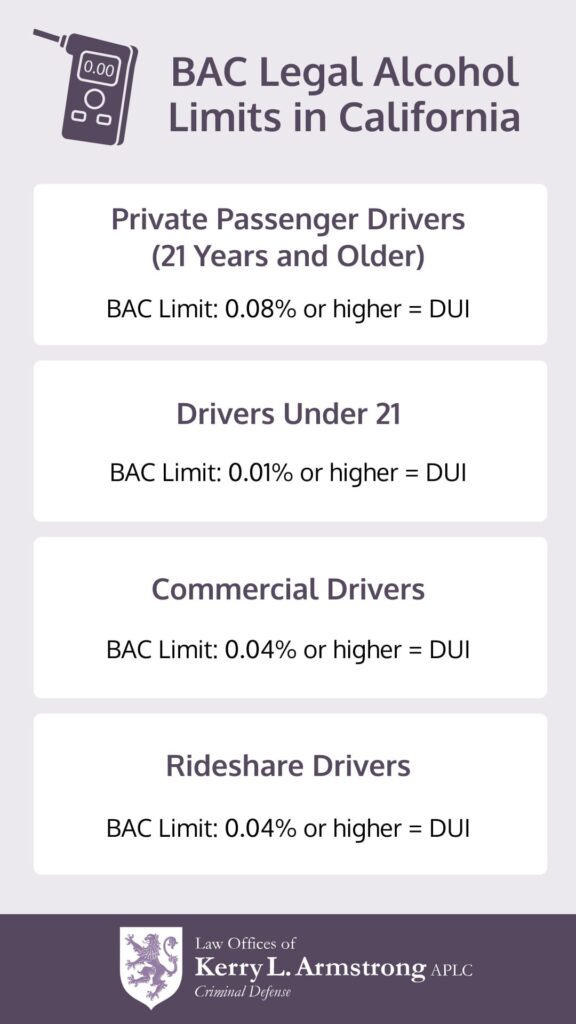
In California, for most adult drivers aged 21 and over operating a non-commercial vehicle, the legal limit for Blood Alcohol Content (BAC) is 0.08%. This means that if your BAC is measured at 0.08% or higher, you are legally considered impaired to drive, regardless of whether you feel intoxicated or believe your driving ability is affected. This is known as a “per se” DUI law, meaning the fact of your BAC being at or above this limit is sufficient for a DUI charge. It’s a critical threshold to remember, as exceeding it can lead to immediate arrest and severe penalties. This standard is consistent with most states across the United States, but visitors from countries with different limits should be particularly attentive.
Special Considerations for Commercial Drivers and Minors
While the 0.08% BAC limit applies to the majority of drivers, certain groups face even stricter regulations:
- Commercial Drivers: Individuals holding a commercial driver’s license (CDL) operating a commercial vehicle (e.g., trucks, buses) are subject to a much lower BAC limit of 0.04%. The rationale behind this stricter limit is the increased responsibility and potential for greater harm when operating large or passenger-carrying vehicles. Tourists who might be driving an RV or a larger rental vehicle that could be classified as commercial should be particularly vigilant.
- Drivers Under 21 (Minors): California has a “zero tolerance” policy for drivers under the age of 21. For these individuals, it is illegal to drive with a BAC of 0.01% or higher. This effectively means that any detectable amount of alcohol in a minor’s system while driving can result in a DUI charge. This law is strictly enforced to deter underage drinking and driving.
These specific limits underscore California’s commitment to road safety, recognizing the heightened risks associated with certain types of driving and demographics.
Why These Laws Matter to Visitors
For tourists, understanding these DUI laws is not just about avoiding legal trouble; it’s about ensuring your entire travel experience remains positive. A DUI arrest can instantly derail a vacation, leading to significant financial costs, immediate detention, and long-term consequences that can affect future travel plans to the United States or other countries. Many visitors rent cars to explore California’s vast and diverse landscapes, making them susceptible to these laws. Ignorance of the law is never an excuse, and authorities treat all drivers equally, regardless of their origin. Responsible planning and awareness are key to enjoying California without incident.
The Consequences of Driving Under the Influence in California
The repercussions of a DUI conviction in California are severe and multifaceted, extending far beyond a simple fine. For tourists, these penalties can be particularly disruptive and financially draining, potentially impacting their ability to return to the United States in the future. It’s crucial to understand the gravity of these offenses.
Immediate Penalties: Arrest, Fines, and License Suspension
Upon a DUI arrest, the immediate consequences are swift and impactful. You will likely be taken into custody, booked, and required to post bail, which can be thousands of dollars. Your vehicle may be impounded, incurring additional fees. In California, your driving privileges are also immediately affected. The Department of Motor Vehicles (DMV) will typically initiate an administrative per se (APS) suspension of your driver’s license within 30 days of arrest, even before a court conviction. For non-California residents, this means your ability to legally drive within the state will be revoked, and this suspension can be reported to your home country’s licensing authority, potentially affecting your license there. Fines for a first-time DUI offense can range from hundreds to thousands of dollars, not including court costs, attorney fees, and other surcharges.
Long-Term Repercussions: Legal Records and Travel Implications
A DUI conviction in California results in a permanent criminal record. This record can have significant long-term implications, especially for international travelers. A DUI is often considered a serious offense and can affect your eligibility for future visas or entry into the United States and other countries. Some nations, like Canada, may deny entry to individuals with DUI convictions. This can effectively bar you from future vacations, business trips, or even family visits. Furthermore, a criminal record can impact employment opportunities, particularly in fields requiring driving or professional licenses.
The Cost Beyond the Fine: Education Programs and Insurance Hikes
Beyond fines and legal fees, a DUI conviction carries additional financial burdens. California mandates DUI education programs for all offenders, which can last from three to nine months and cost hundreds to over a thousand dollars. For a tourist, completing such a program could necessitate an extended stay in California or complex arrangements to fulfill the requirement from abroad. Moreover, if you have vehicle insurance, a DUI conviction will almost certainly lead to a dramatic increase in your premiums for several years. Your insurer might even cancel your policy. If an Ignition Interlock Device (IID) is required, as it often is for repeat offenders or even first offenders in certain counties, the cost of installation and monthly monitoring adds another layer of expense. These combined costs can quickly escalate, turning an oversight into a financial nightmare that far outweighs the convenience of driving after consuming alcohol.
Navigating Alcohol Consumption Responsibly While Visiting
Enjoying California’s vibrant social scene, world-renowned wineries, and craft breweries is a highlight for many tourists. However, it is essential to do so responsibly, prioritizing safety and adherence to the law. Planning ahead and understanding your limits are crucial components of a worry-free vacation.
Planning Ahead: Designated Drivers and Ride-Sharing Services
The most effective strategy to avoid a DUI is to plan your transportation before you even take your first sip of an alcoholic beverage. If you are traveling with a group, designate a sober driver who commits to not drinking. This person is solely responsible for getting everyone home safely. For solo travelers or groups where everyone wishes to partake, California offers an abundance of convenient ride-sharing services such as Uber and Lyft, which are readily available in most urban and tourist areas like San Francisco, Los Angeles, and San Diego. Taxis and public transportation, where available, are also viable options. Always keep the contact information for these services handy, or have the apps downloaded on your smartphone. Many establishments are also happy to call a cab for you.
Exploring California’s Culinary and Beverage Scene Safely
California boasts an incredible array of culinary and beverage experiences, from tasting tours in Napa Valley and Sonoma to craft beer trails in San Diego. You can fully immerse yourself in these without compromising your safety or legal standing. Consider booking guided tours that include transportation to wineries or breweries, allowing you to sample products without the concern of driving. When dining out, alternate alcoholic drinks with water, and always make sure to eat food, as it can help slow the absorption of alcohol. Remember that you can always opt for non-alcoholic alternatives, which are increasingly sophisticated and widely available.
Understanding Different Drink Strengths and Their Impact
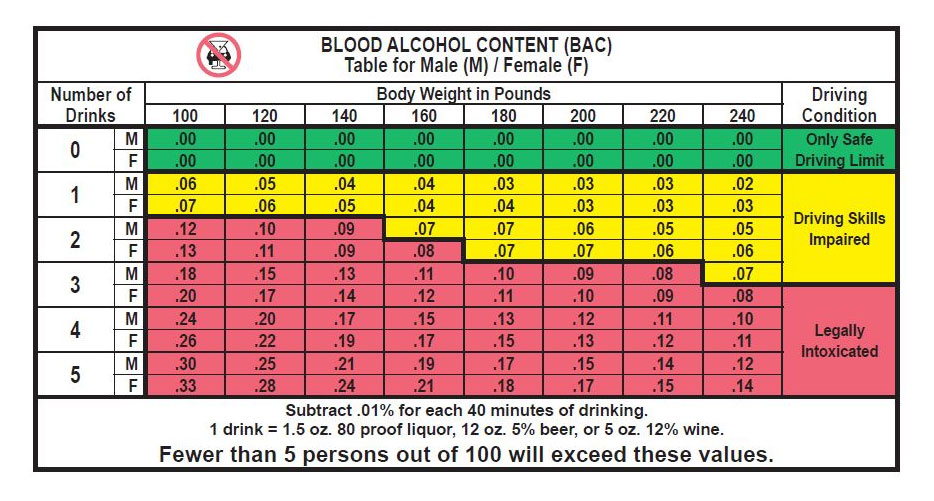
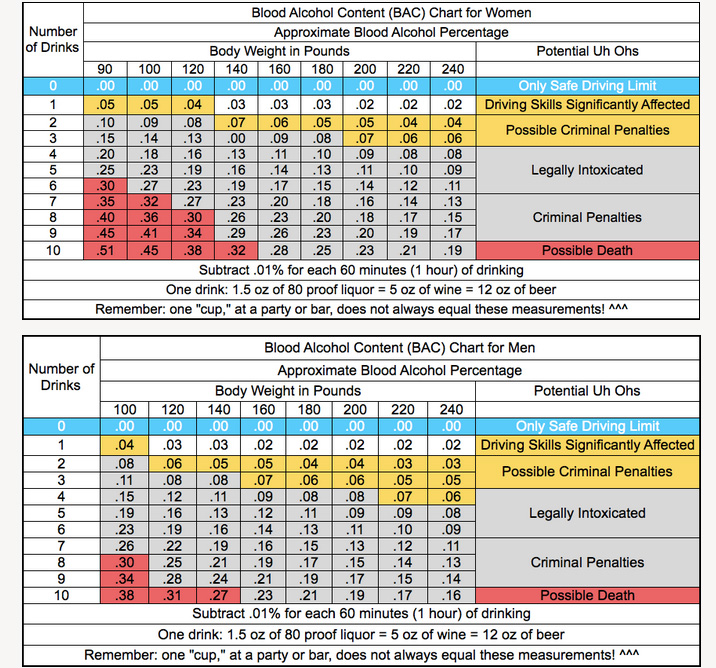
It’s a common misconception that all alcoholic drinks are equal in their intoxicating effects. The reality is that the alcohol content can vary significantly between different types of beverages and even within the same category. For instance, a standard glass of wine (5 oz at 12% alcohol) or a shot of distilled spirits (1.5 oz at 40% alcohol) contains roughly the same amount of pure alcohol as a regular beer (12 oz at 5% alcohol). However, craft beers often have higher alcohol percentages, and cocktails can vary widely depending on the pour. Your personal metabolism, body weight, gender, and recent food intake also play a significant role in how quickly alcohol affects you and how long it remains in your system. There’s no universal rule for “how many drinks” you can have before reaching the legal limit; it varies from person to person and even day to day. Err on the side of caution and assume that even one or two drinks could put you near or over the limit.
Key Differences and Common Misconceptions
When visiting California, particularly from another state or country, it’s easy to assume that local laws regarding alcohol and driving are the same as what you’re accustomed to. However, subtle but significant differences exist, and common misconceptions often lead to dangerous misjudgments.
California vs. Other States/Countries
While the 0.08% BAC limit is standard across most of the United States, some countries have higher or lower limits. For example, some parts of Europe have a 0.05% BAC limit, while others might be 0.02%. Visitors from regions with higher legal limits might mistakenly believe they can consume more alcohol in California and still drive legally. Conversely, those from countries with stricter limits might find the 0.08% permissive. It’s crucial to disregard your home country’s laws and strictly adhere to California’s regulations. Additionally, specific penalties and legal processes can differ significantly. For instance, some countries may only impose administrative penalties, whereas California treats DUI as a criminal offense with both administrative (DMV) and judicial consequences.
The “One Drink” Myth and Personal Tolerance
A widespread and dangerous misconception is the “one drink an hour” rule or the belief that a specific number of drinks is universally safe. The reality is far more complex. Factors such as body weight, gender, metabolism, and food consumption all influence how quickly alcohol is absorbed and eliminated from the body. A single drink for one person might be entirely different from another’s perception. For instance, a small, lighter individual may reach the 0.08% BAC limit faster than a larger person, even after the same amount of alcohol. Relying on personal “tolerance” is also risky. While someone might feel less impaired due to frequent alcohol consumption, their BAC level can still be above the legal limit, making them legally impaired regardless of their subjective feeling. The law focuses on the objective BAC level, not on perceived sobriety.
Implied Consent and Roadside Sobriety Tests
In California, as in many other states, drivers are subject to “implied consent” laws. This means that by operating a vehicle on California roadways, you implicitly consent to chemical tests (blood or breath) if lawfully arrested for DUI. Refusal to submit to a chemical test can lead to immediate and severe penalties, including an automatic one-year license suspension, independent of any DUI conviction. While you have the right to refuse Field Sobriety Tests (FSTs) like walking a straight line or standing on one leg, officers can still use your refusal, and your appearance or behavior, as evidence for probable cause to arrest you. It is generally advisable to comply with lawful requests for chemical tests if arrested, as refusal often carries stiffer penalties than the DUI itself. However, it’s always recommended to consult with legal counsel if you find yourself in such a situation.
Enjoying Your California Experience Safely and Legally
California offers an unparalleled travel experience, brimming with adventure, culture, and natural beauty. Ensuring your visit remains memorable for all the right reasons requires a commitment to responsible behavior, especially concerning alcohol consumption and driving.
Prioritizing Safety for Yourself and Others
The core principle behind DUI laws is safety. Driving under the influence impairs judgment, slows reaction times, and significantly increases the risk of accidents. Beyond the legal ramifications, a DUI can lead to tragic consequences, including injuries or fatalities to yourself, your passengers, or innocent bystanders. Prioritizing safety means making conscious choices to separate drinking from driving. This allows you to fully enjoy California’s attractions, knowing you are acting responsibly and safeguarding the well-being of everyone on the road. Embrace the peace of mind that comes with knowing you have a safe way to travel after consuming alcohol.
Resources for Responsible Alcohol Consumption
Many resources are available to help you make responsible choices while enjoying California’s offerings. Tourist information centers, hotel concierges, and local websites often provide details on public transportation routes, reputable taxi services, and ride-sharing availability. Apps like Uber and Lyft are user-friendly and provide estimated fares and arrival times. For those exploring California’s wine regions, consider booking tour operators that offer all-inclusive transportation packages. Familiarize yourself with the concept of a designated driver, and never hesitate to suggest it within your travel group. Remember, the goal is to create lasting, positive memories of your California adventure, free from legal entanglements or safety concerns. By understanding and respecting the legal blood alcohol limits, you contribute to a safer environment for everyone and guarantee a smoother, more enjoyable trip.
LifeOutOfTheBox is a participant in the Amazon Services LLC Associates Program, an affiliate advertising program designed to provide a means for sites to earn advertising fees by advertising and linking to Amazon.com. Amazon, the Amazon logo, AmazonSupply, and the AmazonSupply logo are trademarks of Amazon.com, Inc. or its affiliates. As an Amazon Associate we earn affiliate commissions from qualifying purchases.