
Defining a “good salary” in California is akin to trying to measure the ocean with a thimble – it’s a vast and complex undertaking, heavily influenced by individual circumstances, desired lifestyle, and crucially, geographical location within the Golden State. California is renowned for its vibrant culture, stunning landscapes, innovative industries, and, notoriously, its high cost of living. As such, a salary that might be considered affluent in many other U.S. states could merely provide a comfortable, middle-class existence in parts of California, while in other, less expensive regions, it could afford a truly luxurious lifestyle.
This article delves into the nuances of income and expenses across California, exploring what different salary levels mean for one’s lifestyle. We will dissect the primary drivers of cost, examine how various income brackets translate into living standards, and highlight the significant regional disparities that make a blanket definition of a “good salary” virtually impossible. Ultimately, understanding a “good salary” here means understanding the lifestyle it affords, from basic needs to opulent living, all set against the backdrop of one of the world’s most dynamic economies.
The California Cost of Living Conundrum
The cost of living in California is not merely high; it’s a multi-faceted challenge that impacts every aspect of daily life, from where one can afford to live to the frequency of dining out. This isn’t a monolithic issue, however, as the state’s immense diversity means costs fluctuate dramatically from one county to the next. Understanding these underlying expenses is fundamental to grasping what constitutes a “good salary.”
Housing: The Primary Driver of Expense
Without a doubt, housing is the single largest factor dictating the cost of living in California and, consequently, what a “good” salary needs to be. Whether renting or buying, the prices are significantly above the national average, particularly in major metropolitan areas.
In places like the San Francisco Bay Area, including San Francisco and Silicon Valley, median home prices can easily exceed $1 million, with rents for a modest one-bedroom apartment often surpassing $3,000 to $4,000 per month. The demand generated by high-paying tech jobs fuels this exorbitant market. Similarly, in Los Angeles, especially in desirable neighborhoods or coastal cities like Santa Monica or Laguna Beach, housing costs remain exceptionally high, pushing median rents for a one-bedroom into the $2,500-$3,500 range. San Diego also faces similar pressures due to its appealing climate and growing job market.
Conversely, regions like the Central Valley (e.g., Fresno, Bakersfield) or the Inland Empire offer comparatively more affordable housing, with median home prices often half or less than those in coastal tech hubs, and rents also considerably lower. This disparity means that a salary of $100,000 might buy a comfortable single-family home in Fresno, but barely cover rent for a small apartment in San Francisco. The choice of location fundamentally redefines what a “good salary” entails.
Everyday Expenses and Beyond
Beyond housing, Californians face elevated costs across a spectrum of daily necessities. Transportation, for instance, can be a major expenditure. While public transportation options exist in major cities, California’s sprawling nature often necessitates car ownership, leading to expenses for gas, insurance, maintenance, and parking that can quickly add up. Gas prices frequently hover significantly above the national average, further impacting budgets.
Groceries, utilities, and healthcare costs also tend to be higher than in many other states. While the exact percentage varies by region and specific services, consumers generally experience a premium for goods and services in California. This higher baseline for essential goods and services means that a larger portion of income is consumed by non-discretionary spending, leaving less for savings, investments, or leisure activities if one’s salary isn’t sufficiently high. The cumulative effect of these elevated daily expenses underscores why a seemingly high nominal salary is often necessary just to maintain a comfortable lifestyle.
Defining “Good” by Lifestyle Tiers
Given the high cost of living, especially in specific locales, a “good salary” in California must be understood in terms of the lifestyle it supports. What one person considers “good” can range from merely surviving to thriving in luxury. We can broadly categorize salary levels into tiers that reflect different lifestyle outcomes.
The Survival Salary (Basic Needs)
This tier represents the minimum income required to cover essential needs: basic shelter, food, transportation, and healthcare, with little to no room for savings, discretionary spending, or unexpected emergencies. For a single individual, this could range from approximately $50,000 to $70,000 annually, depending heavily on the specific city. In extremely expensive areas like San Francisco or Silicon Valley, even $80,000 might barely cover basic needs for a single person seeking independent living.
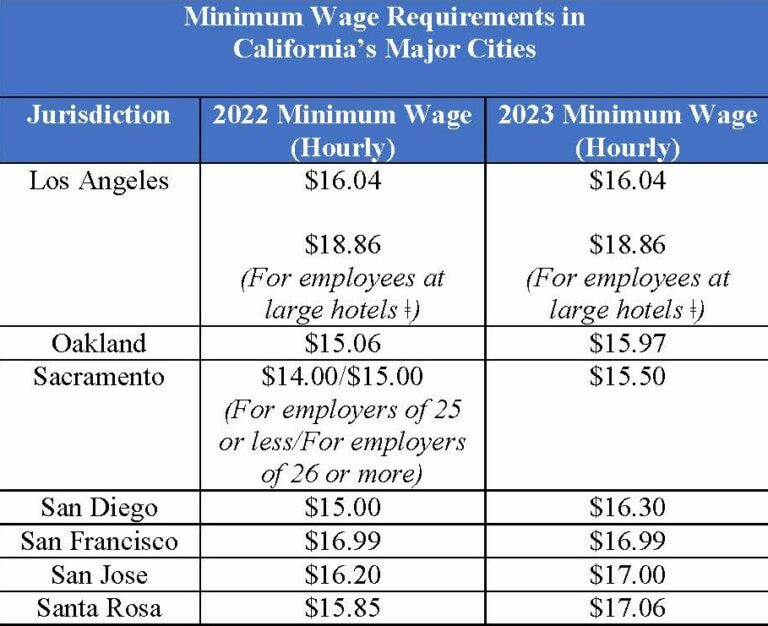
This income level often means making significant compromises: living with roommates, commuting long distances from more affordable areas, relying on public transport, and carefully budgeting for every expense. It affords little in the way of leisure travel, dining out frequently, or building substantial savings. While California’s minimum wage is among the highest in the nation, earning only minimum wage often means falling into this survival category, struggling to meet basic needs without additional income sources or robust social support.
The Comfortable Salary (Middle-Class Living)
To achieve a comfortable, stable, and arguably middle-class lifestyle in California, a significantly higher income is generally required. For a single person, this typically means earning anywhere from $80,000 to $150,000 per year, again with vast regional differences. For a household with two earners or a family, this range could easily extend from $150,000 to $250,000 annually.
At this income level, individuals and families can typically afford decent housing (though likely not in the most exclusive neighborhoods without a substantial down payment or dual income), own a reliable car, manage utilities and groceries without constant worry, and have some disposable income for leisure activities, vacations, and modest savings. They can enjoy the cultural attractions, diverse culinary scene, and natural beauty California offers, albeit within a budget. This tier allows for financial stability, the ability to save for future goals like education or retirement, and a generally stress-free approach to everyday expenses, making it a commonly sought-after “good salary” benchmark.
The Affluent Salary (Luxury and Discretionary Income)
An affluent salary in California is one that allows for significant financial freedom, the ability to live in prime locations, indulge in premium experiences, save aggressively, and invest for substantial wealth building. For a single individual, this might start at around $200,000 to $300,000 annually, while for a family, it could easily be $350,000 to $500,000 or more.
At this level, housing choices expand dramatically, allowing for homes in desirable school districts, beachfront properties, or luxury apartments in city centers. Transportation might involve luxury vehicles or a second car. Discretionary spending allows for frequent high-end dining, international travel, exclusive cultural events, and the pursuit of expensive hobbies. Significant portions of income can be allocated to investments, philanthropy, and securing a legacy. This income bracket truly allows one to fully embrace the “California dream” lifestyle without financial constraints, offering access to the state’s most exclusive amenities and experiences.
Regional Variations: Where You Live Matters Most
The notion of a “good salary” is perhaps most drastically reshaped by the specific region within California where one chooses to reside. The economic landscapes and associated costs vary so widely that a salary considered exceptional in one area might be barely adequate in another. This geographic disparity is a crucial element in understanding the state’s financial realities.
Tech Hubs vs. Agricultural Valleys
California’s economic engine is multifaceted, driven by world-leading tech industries in the San Francisco Bay Area and Silicon Valley, entertainment in Los Angeles’ Hollywood, and a robust agricultural sector in the Central Valley. These diverse economies create stark contrasts in both average salaries and living expenses.
In tech-heavy regions, median household incomes can soar above $120,000, with many professionals earning well into six figures, even seven. However, this is largely necessitated by the outrageous cost of housing and daily services. A $150,000 salary in San Francisco, while seemingly high, could be considered just “comfortable” for a single person, and tight for a family. In stark contrast, a city like Bakersfield or Fresno in the Central Valley offers a significantly lower cost of living, particularly for housing. Here, a $70,000 to $90,000 salary could afford a comfortably middle-class lifestyle, including homeownership, that would be unattainable in the coastal metropolises. The trade-off often lies in job market diversity and specific industry opportunities.
Coastal vs. Inland Living
The allure of California’s coastline comes with a hefty price tag. Cities directly on the Pacific Ocean, or within a short drive, consistently rank among the most expensive places to live globally. Areas like Santa Monica, Laguna Beach, Malibu, or Carmel-by-the-Sea command enormous premiums for housing and nearly everything else. The lifestyle afforded by living near the beach, with access to stunning views and outdoor recreation, is highly sought after, driving up demand and prices.
Moving inland, even by a relatively short distance, often reveals a significant drop in living costs. The Inland Empire, for example, encompassing cities like Riverside and San Bernardino, offers more affordable housing options than coastal Southern California, making it a viable option for those who work in Los Angeles but seek more bang for their buck. Similarly, communities further inland from San Diego offer greater affordability. This geographical cost gradient means that a “good salary” is deeply intertwined with one’s preference for coastal proximity versus a more budget-friendly inland existence.
Beyond the Paycheck: The Value Proposition of California
While the financial aspects of living in California are daunting for many, the state offers immense non-monetary value that often justifies the higher cost of living for those who can afford it. A “good salary” in California isn’t just about paying bills; it’s about unlocking access to a unique and vibrant lifestyle.
Career Opportunities and Innovation
California remains an undisputed global leader in innovation and economic opportunity. Industries such as technology (Silicon Valley and San Francisco), entertainment (Hollywood), biotechnology, clean energy, and advanced manufacturing are not only thriving but also continually expanding. These sectors often generate high-paying jobs that are scarce or non-existent elsewhere, making California a magnet for ambitious professionals.
A “good salary” here often reflects access to these unparalleled career pathways, allowing individuals to work at the forefront of their fields, contribute to groundbreaking developments, and build extensive professional networks. The dynamism of California’s economy often means better career progression, higher earning potential over time, and exposure to cutting-edge ideas and talent, which can be invaluable for personal and professional growth. This aspect alone often makes the higher cost of living a worthwhile investment for many.

Quality of Life: Climate, Culture, and Recreation
For many, the true value of a “good salary” in California lies in the unparalleled quality of life it can afford. The state boasts a remarkably diverse geography, offering everything from pristine beaches along the Pacific coast to towering mountains, deserts, and fertile valleys. Destinations like Yosemite National Park, Lake Tahoe, and Big Sur are just a few examples of the breathtaking natural wonders within easy reach.
A comfortable or affluent salary allows residents to fully immerse themselves in this rich environment. It provides the means to enjoy frequent outdoor activities, from surfing and hiking to skiing and wine tasting in world-renowned vineyards. The state’s cultural tapestry is equally rich, with a diverse population contributing to a vibrant arts scene, eclectic culinary experiences, and a multitude of festivals and events. The generally mild climate, particularly in coastal areas, facilitates year-round enjoyment of these amenities. For those who prioritize sunshine, natural beauty, cultural diversity, and an active lifestyle, a salary that allows them to thrive in California is undoubtedly a “good salary,” offering a lifestyle that few other places can match.
In conclusion, what constitutes a “good salary” in California is far from a simple number. It’s a dynamic figure, intricately linked to an individual’s desired lifestyle, their specific location within the state, and the trade-offs they are willing to make. While the state presents significant financial challenges due to its high cost of living, it also offers unparalleled career opportunities and an extraordinary quality of life. For those who can secure an income that comfortably navigates these complexities, California offers a rewarding and vibrant existence that many consider well worth the investment.
LifeOutOfTheBox is a participant in the Amazon Services LLC Associates Program, an affiliate advertising program designed to provide a means for sites to earn advertising fees by advertising and linking to Amazon.com. Amazon, the Amazon logo, AmazonSupply, and the AmazonSupply logo are trademarks of Amazon.com, Inc. or its affiliates. As an Amazon Associate we earn affiliate commissions from qualifying purchases.