
For anyone planning a visit to the Golden State, understanding local laws and regulations is paramount to ensuring a smooth and enjoyable experience. Among the many essential pieces of information for tourists, knowing the legal drinking age in California is crucial. Whether you’re planning to explore the vibrant nightlife of Los Angeles, savor world-class wines in Napa Valley, or enjoy a craft beer in San Diego, adherence to the law is non-negotiable.
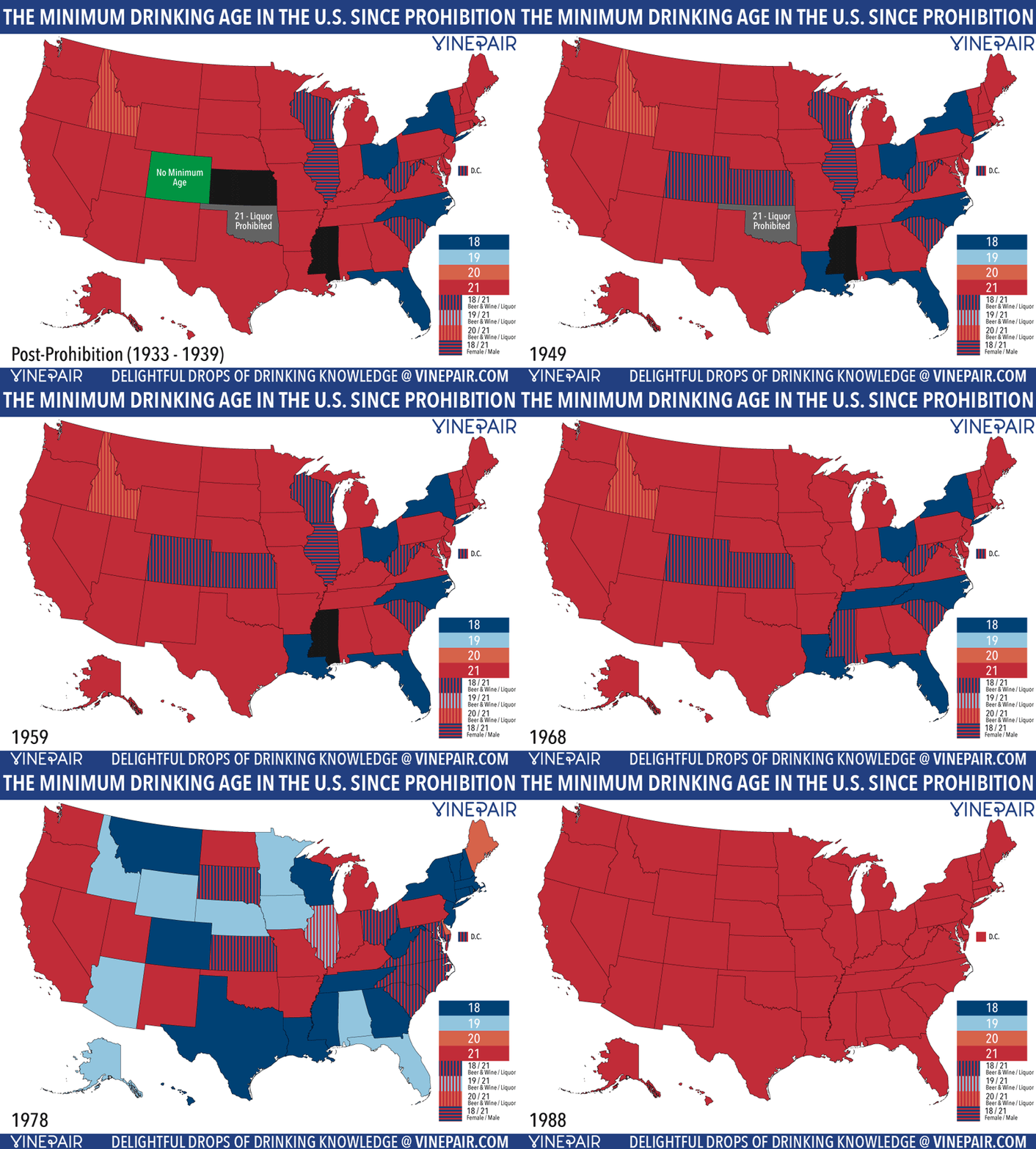
In California, like all other states in the United States, the legal drinking age is 21 years old. This means that individuals must be at least 21 to purchase, possess, or consume alcoholic beverages. This law applies uniformly across the state, from its bustling cities to its serene rural landscapes, and is strictly enforced. For tourists, this regulation carries significant implications for planning activities, dining experiences, and social engagements. Understanding these rules is not just about avoiding legal trouble; it’s about respecting local customs and contributing positively to your travel environment. This guide will delve into the specifics of California’s alcohol laws, offering insights and tips specifically tailored for visitors to help them navigate the state responsibly and fully appreciate its diverse offerings.
Understanding California’s Alcohol Laws for Tourists
When you travel to a new destination, understanding its legal framework, particularly concerning age-restricted activities, is fundamental. For tourists visiting California, grasping the nuances of the state’s alcohol laws ensures a hassle-free vacation. The 21-year-old drinking age is a federal mandate, enforced with varying degrees of strictness across states, but California is known for its diligent enforcement, especially in public venues. This law doesn’t just prohibit underage individuals from purchasing alcohol; it also makes it illegal for them to possess or consume it in public or private spaces, with very limited exceptions that generally do not apply to the average tourist experience.
The primary goal of these laws is public safety and health, aiming to reduce alcohol-related accidents, health issues, and crime. For visitors from countries with lower drinking ages (e.g., 18 or 19), this can be a significant adjustment. It’s important not to assume that laws are similar to those in your home country. Ignorance of the law is not considered a valid defense, and violations can lead to serious consequences, potentially impacting your travel plans and future entry into the United States. Therefore, a proactive approach to understanding these regulations is key to a responsible and enjoyable trip.
Valid Identification Requirements
One of the most frequent challenges for tourists, particularly those who appear young, is proving their age. Establishments serving alcohol in California are legally obligated to verify the age of patrons who wish to purchase or consume alcoholic beverages. This often means requesting a valid form of identification from anyone who looks under 30 or even 40 years old.
The most commonly accepted forms of ID include:
- A state-issued driver’s license or ID card: For United States citizens.
- A passport or passport card: This is the most universally accepted form of identification for international travelers.
- A military ID: For service members.
It is crucial that your ID is current, valid, and clearly shows your date of birth, photo, and signature. Expired IDs, photocopies, or digital images on a phone are generally not accepted. For international visitors, carrying your physical passport is highly recommended, as other forms of ID from your home country might not be recognized or accepted by all establishments. Some venues may even refuse service if they have any doubt about the authenticity of the ID or the age of the individual. Remember to keep your passport safe, perhaps opting for a secure travel wallet, and be prepared to present it readily when ordering drinks or entering age-restricted venues.
Places Where Alcohol is Served and Policies
California’s diverse tourism landscape means alcohol is available in a wide array of settings. From high-end restaurants in Beverly Hills to quaint breweries in Sonoma County, understanding where and how alcohol is served is essential.
- Restaurants and Bars: These are the most common venues for alcohol consumption. In restaurants, you can usually order alcoholic beverages with your meal. Bars, by their nature, are primarily focused on serving drinks. Both types of establishments will strictly enforce the 21+ rule, often requiring ID checks upon entry or when ordering.
- Wineries and Breweries: California is world-renowned for its wine country, particularly Napa Valley and Sonoma County. Craft breweries are also a major attraction, especially in areas like San Diego. While you can visit these establishments regardless of age, tastings and purchases are strictly reserved for those 21 and older. Some wineries may offer non-alcoholic grape juice tastings for younger visitors, but this is at their discretion.
- Retail Stores: Grocery stores, convenience stores, and liquor stores sell packaged alcohol (beer, wine, spirits) for off-premise consumption. An ID check will be mandatory for anyone purchasing alcohol, regardless of how old they appear.
- Events and Festivals: Many festivals, concerts, and sporting events in California feature designated areas for alcohol sales and consumption. These areas are typically fenced off, and entry is restricted to individuals 21 and older who have presented valid ID. Event staff are vigilant in preventing underage drinking.
- Theme Parks: Major theme parks like Disneyland and Universal Studios Hollywood have increasingly incorporated alcohol sales within specific dining establishments. While the parks themselves are family-friendly, purchasing alcohol will require strict ID verification and consumption is usually restricted to designated areas within restaurants or lounges.
It’s important to remember that even if an establishment serves food, its primary license might be for alcohol, meaning minors could be restricted from entry after certain hours or from specific sections. Always check with the venue if you are unsure, especially if traveling with individuals under 21.
Navigating California’s Nightlife and Social Scene Responsibly
California’s social scene is vibrant and diverse, offering everything from trendy clubs in Hollywood to laid-back beach bars along the coast. For tourists, partaking in this aspect of local culture can be a memorable experience, but it requires a commitment to responsible behavior and strict adherence to the drinking age. Understanding the expectations and norms will allow you to enjoy yourself without incident.
Beyond just the legal drinking age, California has other alcohol-related laws that impact how and where you can consume alcohol. Public consumption of open containers of alcohol is generally illegal in most public spaces, including streets, parks, and beaches, unless specifically permitted (e.g., at a licensed outdoor event). This means you cannot walk around with an open beer or cocktail. Similarly, driving under the influence (DUI) laws are extremely strict, with a blood alcohol content (BAC) limit of 0.08% for drivers 21 and over (and stricter for commercial drivers or those under 21). Utilizing ride-sharing services, taxis, or designated drivers is always the safest option if you plan to drink.
Tips for Responsible Enjoyment
To fully enjoy California’s nightlife and social offerings while adhering to the law, consider these practical tips:
- Always Carry Valid ID: As mentioned, your physical passport is the best option for international visitors. Keep it in a secure yet accessible place. Do not rely on copies or photos.
- Respect Venue Policies: Many bars and clubs have additional policies beyond state law, such as dress codes, specific entry times, or even requiring multiple forms of ID if they have concerns. Always respect these rules.
- Never Provide Alcohol to Minors: It is a serious offense to purchase or provide alcoholic beverages to anyone under 21. This includes buying drinks for friends or family members who are underage.
- Pace Yourself and Stay Hydrated: Enjoy alcoholic beverages in moderation. Alternate alcoholic drinks with water or non-alcoholic beverages. California’s climate can be warm, and dehydration can intensify the effects of alcohol.
- Plan Your Transportation: Never drink and drive. Utilize ride-sharing apps (like Uber or Lyft), taxis, public transportation, or have a designated sober driver. Many cities, especially Los Angeles and San Francisco, have extensive public transport options.
- Be Aware of Your Surroundings: While generally safe, like any major tourist destination, it’s wise to be mindful of your belongings and personal safety, especially in crowded nightlife areas.
- Understand Public Intoxication Laws: Public intoxication is illegal in California and can lead to arrest or detention. If you feel you’ve had too much, it’s best to head back to your accommodation or seek assistance.
Consequences of Underage Drinking for Visitors
The penalties for violating California’s underage drinking laws can be severe and can significantly disrupt a tourist’s travel plans, potentially leading to lasting repercussions. It’s not just about a slap on the wrist; these offenses can carry legal, financial, and even immigration-related consequences. Understanding these potential outcomes can reinforce the importance of adherence.
For individuals under 21 who are caught purchasing, possessing, or consuming alcohol, the immediate consequences can include:
- Fines: Significant monetary penalties are common.
- Mandatory Community Service: Courts may require offenders to complete a certain number of hours of community service.
- Driver’s License Suspension: Even if the offense was not driving-related, the individual’s driver’s license (if they have one, even from their home country or another state) can be suspended for a period of time. This can severely impact travel mobility.
- Alcohol Education Programs: Offenders might be mandated to attend alcohol awareness or education classes.
- Confiscation of Alcohol: Any alcohol found in the possession of an underage individual will be confiscated.
Beyond these immediate penalties, there can be additional complications for international visitors. A criminal record, even for a misdemeanor like underage drinking, could potentially affect future visa applications or entry into the United States. It could also lead to delays or complications during your current trip, as dealing with legal proceedings can be time-consuming and stressful. Moreover, engaging in illegal activities abroad can also have consequences in your home country, depending on its laws. The best way to avoid these pitfalls is simply to respect the legal drinking age and enjoy California’s many attractions that do not involve alcohol until you are old enough to do so legally.
Exploring California’s Culinary and Beverage Scene (Age Appropriately)
California boasts one of the most vibrant and innovative culinary scenes in the world, complemented by its status as a premier wine and craft beverage producer. For tourists, exploring this rich tapestry of flavors is a highlight of any visit. It’s entirely possible to immerse yourself in this culture, regardless of your age, by understanding how to participate appropriately.
For those 21 and over, the opportunities are boundless. You can embark on guided wine tours through Napa Valley or Sonoma County, sampling exquisite varietals directly from the vineyards. Craft breweries in San Diego, Los Angeles, and San Francisco offer tasting flights of innovative beers. Upscale restaurants across the state provide sophisticated cocktail programs and expertly curated wine lists designed to enhance their gastronomic offerings. Engaging in these experiences adds a layer of depth to your travel, allowing you to appreciate the craftsmanship and local produce that defines California’s reputation.

Non-Alcoholic Alternatives and Experiences
For visitors under 21, or those who simply choose not to drink, California’s culinary and beverage scene remains incredibly accessible and enjoyable. Many establishments are increasingly offering creative and sophisticated non-alcoholic options, catering to a broader audience.
- Gourmet Food Tours: Focus on the food itself! Join a food tour in cities like San Francisco or Los Angeles to sample diverse cuisines, from street food to fine dining, without needing alcohol.
- Coffee Culture: California has a thriving specialty coffee scene. Explore unique cafes and roasteries that offer exceptional brews and a vibrant atmosphere.
- Juice Bars and Smoothie Shops: Health-conscious California is replete with juice bars offering fresh, innovative concoctions.
- Mocktails: Many high-end restaurants and bars now feature extensive “mocktail” menus – sophisticated non-alcoholic beverages that offer all the flavor and presentation of cocktails without the alcohol. Don’t hesitate to ask your server or bartender for recommendations.
- Winery and Brewery Visits (without tasting): You can often still visit the grounds of wineries and breweries, enjoy the scenery, learn about the production process, and dine at their restaurants (where non-alcoholic options are available) even if you can’t participate in the tasting. Some offer tours that are educational and enjoyable for all ages.
- Culinary Classes: Enroll in a cooking class to learn about California cuisine hands-on. These are typically age-inclusive and focus purely on food preparation.
By focusing on the diverse flavors, innovative techniques, and welcoming atmospheres, visitors of all ages can fully engage with California’s world-class food and beverage industry, creating unforgettable memories without crossing any legal boundaries. Respecting the legal drinking age allows everyone to contribute to a safe and enjoyable tourist environment, ensuring that the Golden State remains a welcoming destination for all.
LifeOutOfTheBox is a participant in the Amazon Services LLC Associates Program, an affiliate advertising program designed to provide a means for sites to earn advertising fees by advertising and linking to Amazon.com. Amazon, the Amazon logo, AmazonSupply, and the AmazonSupply logo are trademarks of Amazon.com, Inc. or its affiliates. As an Amazon Associate we earn affiliate commissions from qualifying purchases.