
Navigating the landscape of affordable long-term accommodation for seniors can be a complex journey, particularly in high-cost-of-living areas like California. For many older adults, the Department of Housing and Urban Development (HUD) programs represent a vital pathway to securing stable, safe, and affordable housing. Understanding the specific income limits is the cornerstone of eligibility for these crucial housing initiatives, providing a clearer picture of who qualifies for assistance in the Golden State. This article delves into the intricacies of HUD income requirements for elderly individuals in California, offering insights into how these limits are determined, what they mean for applicants, and how they fit into the broader context of senior accommodation.
Understanding HUD’s Role in Senior Accommodation
The Department of Housing and Urban Development (HUD) is a U.S. government agency dedicated to creating strong, sustainable, inclusive communities and quality affordable homes for all. For seniors, HUD programs are particularly significant, offering various forms of assistance designed to address the unique accommodation challenges faced by older adults on fixed incomes. These programs aim to ensure that elderly individuals can live independently and with dignity, free from the constant burden of unaffordable housing costs.
The Mission of HUD for Seniors
HUD’s mission concerning seniors revolves around providing affordable housing options and supportive services. This is crucial for maintaining the well-being and independence of older Americans. As the cost of living continues to rise, especially in populous and desirable areas like California, many seniors find their retirement savings and social security benefits stretched thin, making market-rate accommodation unattainable. HUD steps in to bridge this gap, offering subsidies and support that significantly reduce the financial strain of housing. By stabilizing accommodation costs, HUD allows seniors to allocate their limited resources to other necessities like healthcare, food, and transportation, thereby improving their overall quality of life and facilitating a long-term, secure living situation.
Types of HUD-Assisted Accommodation
HUD offers several programs tailored to the needs of elderly individuals, primarily focusing on rental assistance. The most prominent programs include:
- Section 202 Supportive Housing for the Elderly Program: This program provides capital advances to non-profit organizations to build or rehabilitate housing for very low-income elderly persons. It also provides rental subsidies, known as Project Rental Assistance Contracts (PRACs), to make the housing affordable for residents. These properties are specifically designed with features and services that support an aging population, such as accessible units and community spaces.
- Section 8 Housing Choice Voucher Program: While not exclusively for seniors, the Section 8 program is widely utilized by elderly individuals. It provides rental assistance that allows eligible low-income families, the elderly, and persons with disabilities to afford decent, safe, and sanitary housing in the private market. Vouchers are tenant-based, meaning they move with the individual, offering flexibility in choosing suitable accommodation from participating landlords. The subsidy covers a portion of the rent, and residents typically pay 30% of their adjusted gross income towards rent and utilities.
- Public Housing: Owned and managed by local Public Housing Agencies (PHAs), public housing offers affordable rental units to low-income families, the elderly, and persons with disabilities. Rent is generally set at 30% of the tenant’s adjusted income. Many public housing developments have specific units or complexes designated for senior citizens, often with on-site services or proximity to amenities catering to their needs.
These programs are integral components of the long-term accommodation options available to seniors, providing stability and peace of mind by significantly reducing housing expenses.
Navigating Income Limits for HUD Eligibility in California
The cornerstone of eligibility for any HUD-assisted accommodation program is income. HUD sets specific income limits that determine who qualifies for assistance, and these limits vary significantly by location and household size. In California, a state characterized by diverse economic conditions and vastly different housing markets from San Francisco to Bakersfield, understanding these localized limits is paramount for elderly applicants.
Defining “Low-Income” and “Very Low-Income”
HUD categorizes income levels relative to the Area Median Income (AMI) for a given metropolitan area or non-metropolitan county. The primary classifications for eligibility are:
- Low-Income: Defined as earning no more than 80% of the AMI.
- Very Low-Income: Defined as earning no more than 50% of the AMI.
- Extremely Low-Income: Defined as earning no more than 30% of the AMI or the federal poverty level, whichever is higher.
For elderly individuals applying for HUD programs, most assistance is targeted towards those in the “very low-income” and “extremely low-income” categories, reflecting the critical need for deep affordability. These percentages are crucial because they directly translate into the maximum dollar amount an elderly individual or couple can earn annually to be considered eligible for various programs.
Factors Influencing Income Limits
The specific income limits are not static figures across California but are dynamically determined by several factors:
- Geographic Location: The most significant factor is the specific metropolitan area or county within California. For instance, the AMI in Los Angeles County will be considerably higher than in a rural county like Modoc County due to vast differences in housing costs and general economic prosperity. HUD publishes these limits annually for every jurisdiction. An elderly applicant in San Jose will face a different income threshold than someone in Fresno.
- Household Size: Income limits also increase with the number of people in a household. A single elderly individual will have a lower income limit than an elderly couple.
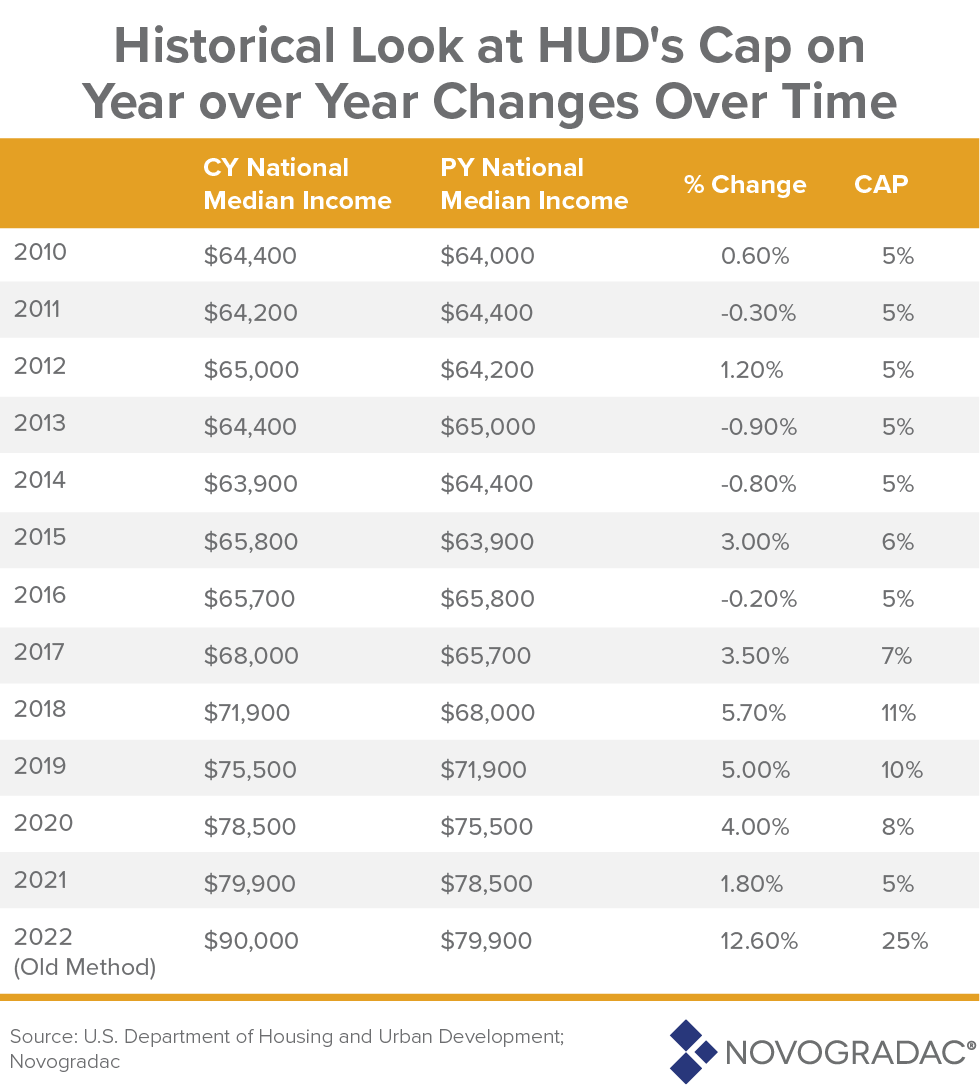
- Annual Adjustments: HUD reviews and adjusts these limits annually, typically around April or May, to reflect changes in the national median income and local economic conditions. Applicants must always refer to the most current published limits for their specific area.
These variables mean that an applicant must always consult the most up-to-date HUD income limit charts for their precise location in California to accurately assess their eligibility for long-term accommodation programs.
How HUD Calculates Income
When assessing an elderly applicant’s income, HUD considers various sources. It’s not just about wages from employment, which may be minimal or non-existent for retirees. HUD typically includes:
- Social Security benefits: A primary income source for many seniors.
- Pensions and annuities: Retirement income from former employers or personal investments.
- Veterans’ benefits: Any income received from the Department of Veterans Affairs.
- Interest and dividends: Income derived from savings accounts, stocks, or other investments.
- Net income from business or rental property: If applicable, after deducting eligible expenses.
- Regular contributions or gifts: Any money regularly received from family or other sources, even if not legally required.
It’s important to note that certain income sources are excluded, such as sporadic gifts, some medical reimbursements, or income from caregiving services for family members with disabilities. Additionally, HUD allows for certain deductions from gross income to arrive at an “adjusted income,” which is what ultimately determines the rental subsidy. These deductions can include medical expenses for the elderly, childcare expenses (if applicable), and some disability-related expenses. Understanding these inclusions and exclusions, as well as potential deductions, is crucial for seniors meticulously planning their long-term accommodation strategy.
The Application Process: Beyond Income
While income limits are foundational, the journey to securing HUD-assisted accommodation involves more than just meeting financial thresholds. The application process can be detailed and often requires patience, especially in high-demand regions across California.
Essential Documentation
Applicants for HUD housing or Section 8 vouchers will need to provide extensive documentation to verify their eligibility. This typically includes:
- Proof of Identity: Such as a driver’s license or state ID.
- Proof of Age: Birth certificate or other official document, especially for elderly programs.
- Social Security Cards: For all household members.
- Proof of Income: Bank statements, Social Security award letters, pension statements, tax returns, and statements from any other income sources.
- Proof of Assets: Bank account balances, investment statements, and property deeds (if applicable).
- Proof of California Residency: Utility bills, lease agreements, or other documents showing current address.
- Medical Expense Documentation: Receipts or statements for eligible medical expenses, which may be deducted from income.
- Previous Housing History: Information about past landlords or rental agreements.
Thorough preparation of these documents can streamline the application process and prevent delays. Errors or omissions in documentation can significantly prolong the wait or even lead to rejection, making attention to detail paramount for elderly applicants seeking stable long-term accommodation.
Waiting Lists and Availability in California
One of the most significant challenges for elderly applicants in California is the reality of extensive waiting lists. Due to high demand and limited availability of affordable housing units, especially in popular metropolitan areas like San Diego or Orange County, waiting lists for Section 8 vouchers and Section 202 properties can extend for several years. Some lists may even be closed to new applicants for extended periods.
- Local PHAs: Each Public Housing Agency (PHA) manages its own waiting lists for public housing and Section 8 vouchers. Applicants often need to apply directly to the PHAs in the areas where they wish to live.
- Property-Specific Waiting Lists: For Section 202 housing, applicants apply directly to the management of the specific senior housing development. Each property maintains its own waiting list.
- Preference Categories: Some PHAs or properties offer preference points to applicants who meet certain criteria, such as being elderly, disabled, homeless, veterans, or living in substandard housing. These preferences can help move an applicant higher on a waiting list, but they do not guarantee immediate placement.
Given these realities, it is highly advisable for elderly individuals to apply to multiple PHAs and Section 202 properties as soon as they anticipate needing assistance. Early planning is crucial for navigating these long queues and eventually securing suitable long-term accommodation in California.
Securing Long-Term Accommodation: A Broader Perspective
While HUD programs are invaluable, they represent one facet of the broader strategy for securing long-term accommodation for seniors in California. A comprehensive approach involves exploring various options and proactive planning.
Exploring Alternatives to HUD Housing
For those who may not meet HUD’s strict income criteria or face the daunting prospect of lengthy waiting lists, several other avenues can be explored:
- Low-Income Housing Tax Credit (LIHTC) Properties: These are privately owned developments that receive tax credits for offering affordable rents to low-income individuals and families. While not directly HUD-managed, they operate under similar income restrictions and offer a significant source of affordable long-term accommodation.
- State and Local Programs: Many cities and counties in California have their own affordable housing initiatives or rental assistance programs, often funded by state grants or local taxes. These can sometimes have different eligibility requirements or shorter waiting lists.
- Senior Living Communities (Market Rate): For those with higher incomes or assets, market-rate senior living communities offer a range of options, from independent living apartments to assisted living facilities. While typically more expensive, they provide amenities and services tailored to seniors.
- Shared Housing: Some seniors opt for shared living arrangements to reduce housing costs, whether with family members, friends, or through programs that connect seniors seeking housemates.
A multi-pronged search, encompassing federal, state, and local initiatives, alongside private market options, increases the likelihood of finding appropriate long-term accommodation.
The Importance of Planning for Senior Accommodation
Effective long-term accommodation planning for seniors is not a task to be deferred. Given the complexities of income limits, application processes, and waiting lists in California, foresight and early action are paramount.
- Early Research: Start researching options well before the need becomes urgent. Understand the income limits for your specific area and assess your potential eligibility for various programs.
- Financial Planning: Consider how different income sources will impact eligibility and explore strategies for managing assets and income to maximize chances for assistance.
- Professional Guidance: Seek advice from housing counselors, social workers, or elder care specialists who can provide personalized guidance on available programs and navigate the application intricacies. Organizations like Area Agencies on Aging (AAAs) are excellent resources for seniors.
- Flexibility: Be open to different types of accommodation and possibly different geographic locations within California if certain areas have shorter waiting lists or more readily available units.
Understanding “what is the limit income for HUD elderly in California” is more than just knowing a number; it’s about unlocking access to vital long-term accommodation. By meticulously preparing, understanding the criteria, and exploring all available avenues, seniors can significantly improve their prospects of securing stable and affordable housing, ensuring a comfortable and dignified quality of life in their golden years.
LifeOutOfTheBox is a participant in the Amazon Services LLC Associates Program, an affiliate advertising program designed to provide a means for sites to earn advertising fees by advertising and linking to Amazon.com. Amazon, the Amazon logo, AmazonSupply, and the AmazonSupply logo are trademarks of Amazon.com, Inc. or its affiliates. As an Amazon Associate we earn affiliate commissions from qualifying purchases.