
Understanding the poverty level in California is crucial for grasping the complex economic realities that shape the lifestyle of millions in the Golden State. Often perceived as a land of affluence and innovation, California also contends with significant economic disparities and a high cost of living that pushes many residents into or near poverty. This deep dive aims to illuminate the multifaceted nature of poverty in California, exploring how it’s measured, its primary drivers, who it impacts most, and the ongoing efforts to address it, ultimately revealing how these economic conditions profoundly influence the daily lives and opportunities available to its diverse population.
Defining Poverty in the Golden State
Measuring poverty is not a straightforward task, especially in a state as economically unique as California. The traditional federal metrics often fail to capture the true scope of economic hardship when faced with exorbitant living costs.
The Federal Poverty Line vs. California’s Cost of Living
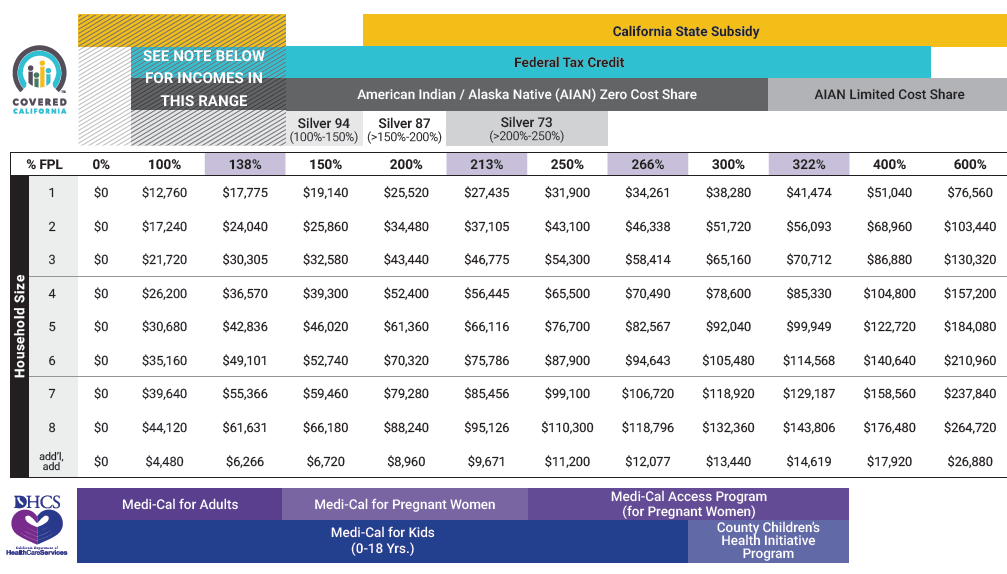
The most commonly cited metric, the Federal Poverty Line (FPL), is a national standard set by the U.S. government. For a single individual in 2023, the FPL was roughly $14,580, and for a family of four, it was around $30,000. While useful for broad comparisons, the FPL does not account for regional variations in the cost of living. In California, where housing, transportation, and childcare costs are among the highest in the nation, earning just above the FPL can still mean significant financial struggle. A family considered “not poor” by federal standards might be unable to afford basic necessities in cities like San Francisco or Los Angeles. This disparity means that the FPL significantly underestimates the actual number of people experiencing poverty in high-cost areas. The disconnect between a national poverty threshold and the local economic reality means many working families, despite holding full-time jobs, find themselves struggling to make ends meet, living paycheck to paycheck without the safety net of savings or access to essential services. Their lifestyle is one of constant financial precarity, far removed from the idealized image of California prosperity.
The California Poverty Measure (CPM): A More Accurate Picture
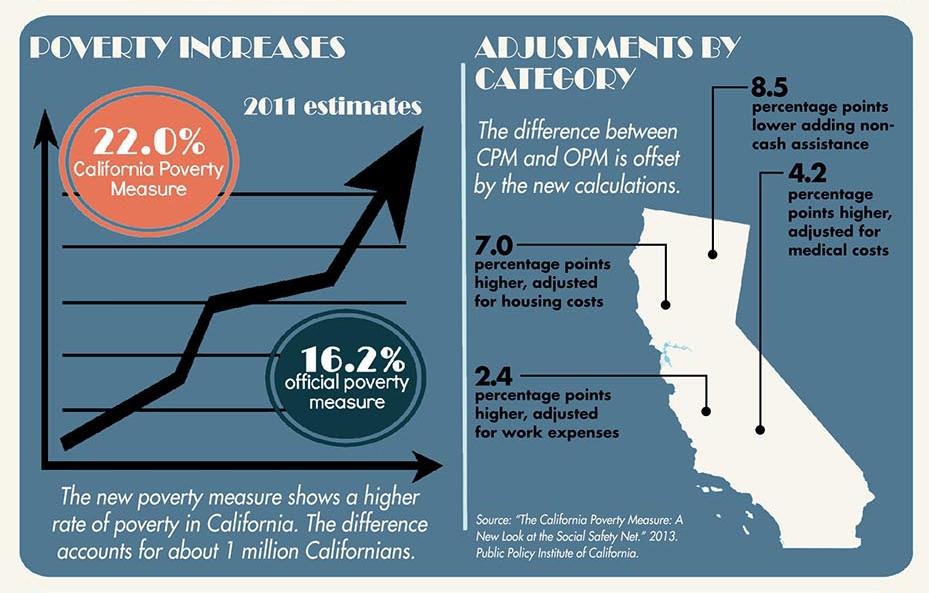
Recognizing the limitations of the FPL, policymakers and researchers developed the California Poverty Measure (CPM). The CPM is a more comprehensive metric that accounts for the high cost of living in various California counties, as well as necessary expenses like housing, food, utilities, and transportation. Crucially, it also considers resources available to families, such as non-cash government benefits (e.g., food stamps, housing subsidies) and taxes paid.
The CPM consistently shows a higher percentage of Californians living in poverty compared to the FPL. For instance, while the FPL might indicate a poverty rate of around 12-14%, the CPM often reveals a rate closer to 18-20%, or even higher when considering those near-poverty thresholds. This more nuanced measure provides a clearer understanding of the economic challenges faced by residents, highlighting that millions are struggling despite federal classifications. The CPM offers a robust framework for assessing the effectiveness of social programs and policy interventions, allowing for more targeted efforts to alleviate economic hardship. It emphasizes that a living wage in California is dramatically higher than the national average, making it an essential tool for understanding the state’s socio-economic landscape.
The High Cost of Living: A Primary Driver
The most significant factor driving California’s elevated poverty levels, even for those with employment, is its notoriously high cost of living. This economic burden permeates every aspect of daily life, from housing to groceries, making financial stability an elusive dream for many.
Housing Affordability Crisis
California is home to some of the most expensive housing markets in the world. Rapid population growth, restrictive zoning laws, and a severe shortage of new construction have driven housing prices and rents to unprecedented levels. In metropolitan areas like the Bay Area or Southern California, a modest one-bedroom apartment can easily consume more than half of a middle-income earner’s salary. This disproportionate expenditure on housing leaves little room for other necessities, pushing many into housing insecurity, overcrowding, or homelessness. Families often spend upwards of 30-50% of their income on rent or mortgage payments, far exceeding what is considered affordable. The relentless upward trend in housing costs forces residents to make difficult choices, sacrificing healthcare, education, or even adequate nutrition to keep a roof over their heads. This crisis not only impacts the poor but increasingly strains the financial well-being of the middle class, altering their lifestyle choices and limiting their opportunities for saving or investment. The pervasive impact of the housing crisis is perhaps the single largest contributor to the unique challenges of poverty in the state.
Soaring Everyday Expenses
Beyond housing, nearly every other cost of living in California is significantly higher than the national average. Groceries, utilities, transportation (especially with high gas prices and car insurance), and childcare are all substantial drains on household budgets. For instance, childcare costs in California can rival college tuition in other states, making it nearly impossible for many single-parent households or families with multiple children to afford quality care without significant financial strain. High energy costs, driven by a complex energy market and significant investment in renewable infrastructure, also contribute to elevated utility bills. Even basic consumer goods often carry a premium due to shipping costs and the overall higher operational expenses for businesses in the state. These cumulative expenses create a perpetual cycle of financial stress, where even modest income gains are quickly eroded by the rising tide of daily expenditures. This constant financial pressure defines the lifestyle for many Californians, making discretionary spending a luxury and long-term financial planning a distant dream.
Demographics of Poverty: Who is Most Affected?
Poverty in California is not evenly distributed; certain demographic groups bear a disproportionate burden, reflecting systemic inequalities and historical disadvantages.
Disparities Across Racial and Ethnic Groups
Racial and ethnic minorities, particularly Latino and Black communities, experience significantly higher rates of poverty in California. Historical and ongoing systemic barriers in housing, education, employment, and healthcare contribute to these disparities. For example, Black Californians face some of the highest poverty rates, often due to legacies of discrimination, lower access to quality education, and persistent wage gaps. Latino families, many of whom are essential workers in low-wage sectors, also struggle with poverty, compounded by issues like language barriers and immigration status. These communities often reside in neighborhoods with fewer resources, poorer infrastructure, and limited access to high-paying job opportunities, perpetuating a cycle of economic hardship across generations. The impact on their lifestyle is profound, affecting everything from health outcomes to educational attainment and social mobility. Understanding these racial and ethnic dimensions is vital for developing equitable and effective anti-poverty strategies.
Single-Parent Households and Children
Single-parent households, particularly those headed by women, face an elevated risk of poverty in California. The combination of high childcare costs, lower average wages for women, and the absence of a second income makes it incredibly challenging to meet basic needs. Consequently, children in these households are more likely to grow up in poverty, impacting their development, educational outcomes, and long-term life chances. Poverty during childhood can lead to chronic stress, limited access to healthy food, inadequate housing, and reduced opportunities for enrichment activities, all of which shape a child’s future lifestyle and potential. These children often start school at a disadvantage, affecting their academic trajectory and subsequent career opportunities. Addressing child poverty through targeted support for single-parent families is a critical component of any comprehensive anti-poverty effort in the state.
The Working Poor: A Paradox
Perhaps one of the most striking aspects of poverty in California is the phenomenon of the “working poor.” These are individuals and families who are employed, often full-time, but whose earnings are insufficient to lift them above the poverty threshold due to the high cost of living. Many work multiple jobs or long hours in essential sectors such as hospitality, retail, agriculture, and service industries, yet still struggle to afford rent, food, and healthcare. The prevalence of the working poor highlights a fundamental imbalance in the California economy, where robust economic growth and unprecedented wealth generation, particularly in tech hubs like Silicon Valley, coexist with widespread wage stagnation for a significant portion of the workforce. Their lifestyle is characterized by relentless work and minimal reward, often lacking the time or resources for leisure, personal development, or even adequate rest. This paradox underscores the need for policies that ensure a living wage and strengthen social safety nets, allowing all Californians to benefit from the state’s prosperity.
Impact on Quality of Life and Opportunity
Poverty is not merely an absence of income; it profoundly shapes an individual’s quality of life and access to opportunities, defining their daily existence and long-term prospects. For those living in poverty in California, this impact is particularly acute due to the state’s high cost of living and deep inequalities.
Access to Healthcare and Education
One of the most immediate and critical impacts of poverty is limited access to quality healthcare. While California has expanded Medicaid (Medi-Cal) coverage significantly, many low-income residents still face challenges accessing timely care, specialized services, and preventative health measures due to provider shortages, transportation issues, and the complexities of navigating the healthcare system. The stress of poverty itself also contributes to poorer health outcomes, including higher rates of chronic diseases and mental health issues. Similarly, access to quality education can be compromised. Children from low-income households often attend under-resourced schools, lack access to extracurricular activities, and may face instability at home that hinders academic performance. While the state has invested in educational equity, the disparities remain, limiting upward mobility and perpetuating cycles of poverty across generations. The lifestyle dictated by poverty often means prioritizing immediate needs over long-term health and educational investments.
Economic Mobility and Social Barriers
Poverty acts as a significant barrier to economic mobility. Without access to affordable education, job training, reliable transportation, and social networks, individuals struggle to secure higher-paying jobs or advance in their careers. The cost of living in California exacerbates this by making it difficult to save money for emergencies, education, or entrepreneurial ventures. Furthermore, social barriers, including discrimination and lack of representation, can further limit opportunities for specific demographic groups. The lifestyle associated with poverty is often one of limited choices, where circumstances rather than aspirations dictate one’s trajectory. This can lead to feelings of hopelessness and exclusion from the broader economic prosperity of the state. Breaking these cycles requires comprehensive interventions that address both immediate financial needs and systemic barriers to advancement.
Resilience and Community Support
Despite the immense challenges, communities affected by poverty in California often demonstrate remarkable resilience and robust social networks. Local non-profits, faith-based organizations, and community groups play a vital role in providing essential services, advocacy, and a sense of belonging. These organizations offer food assistance, housing support, job training, legal aid, and mental health services, acting as crucial lifelines for families navigating economic hardship. Community organizing and mutual aid efforts also empower residents to advocate for their rights and collectively seek solutions to systemic issues. The lifestyle for many in poverty is therefore not solely defined by struggle, but also by strong community ties, mutual support, and a collective determination to overcome adversity. These networks are invaluable, highlighting the strength found in solidarity amidst challenging circumstances.
State Initiatives and Future Outlook
California has recognized the severity of its poverty challenge and has implemented a range of policies and programs aimed at alleviating hardship and fostering economic opportunity. However, the scale of the problem demands ongoing and evolving strategies.
Policy Responses and Social Programs
The state has undertaken various initiatives to combat poverty. These include expanding the Earned Income Tax Credit (EITC) and creating a refundable California Earned Income Tax Credit (CalEITC), which provides financial relief to low-income working families. Minimum wage increases, while debated, have also been implemented statewide and in many cities, aiming to provide a more livable wage. Investments in affordable housing programs, rental assistance, and homelessness prevention services are ongoing, though they struggle to keep pace with demand. California has also focused on expanding access to healthcare through Medi-Cal and investing in early childhood education and childcare subsidies to support working parents and improve outcomes for children. These programs represent a significant commitment to improving the lifestyle and economic stability of its residents, but their effectiveness is continually tested by the relentless rise in living costs.
Addressing the Root Causes
Beyond direct assistance, long-term solutions require addressing the root causes of poverty. This includes comprehensive housing reforms to increase supply and reduce costs, investing in job training and workforce development programs that align with high-demand sectors, and tackling income inequality through progressive taxation and fair labor practices. Efforts to reduce systemic disparities based on race, ethnicity, and gender are also crucial for ensuring equitable access to opportunities. The state is exploring innovative approaches to wealth building, such as baby bonds and expanded financial literacy programs, to help families build assets and break intergenerational cycles of poverty. Addressing these fundamental issues is essential for creating a society where the default lifestyle is one of opportunity and security, rather than precarity.

A Path Towards Economic Equity
The future outlook for poverty in California remains a complex picture. While economic growth is strong in certain sectors, the challenges of affordability and inequality persist. Continued advocacy for policies that support a robust safety net, promote wage growth, and expand access to affordable housing and essential services will be vital. The state’s ability to innovate and adapt its strategies in response to changing economic conditions will determine its success in reducing poverty. A truly prosperous California is one where every resident, regardless of their background or current circumstances, has the opportunity to achieve economic security and enjoy a high quality of life. The journey toward economic equity is ongoing, requiring sustained effort and a collective commitment to ensuring that the Golden State’s lifestyle reflects opportunity for all, not just a privileged few.
LifeOutOfTheBox is a participant in the Amazon Services LLC Associates Program, an affiliate advertising program designed to provide a means for sites to earn advertising fees by advertising and linking to Amazon.com. Amazon, the Amazon logo, AmazonSupply, and the AmazonSupply logo are trademarks of Amazon.com, Inc. or its affiliates. As an Amazon Associate we earn affiliate commissions from qualifying purchases.