
For any seasoned traveler or first-time visitor, understanding the current temperature in a destination like Los Angeles, California, is more than just a passing curiosity; it’s a fundamental piece of information that dictates everything from packing choices and daily itineraries to overall comfort and enjoyment. The allure of Los Angeles, often depicted with endless sunshine and mild temperatures, holds true for much of the year, yet the city’s unique geography also presents a fascinating array of microclimates that can surprise the unprepared. From the breezy Pacific coast to the scorching inland valleys, knowing what to expect from the mercury is paramount for a seamless and memorable travel experience in the City of Angels.
Understanding Los Angeles’s Unique Climate for Travelers
Los Angeles boasts a climate that is as iconic as its Hollywood sign, but beneath the surface of perpetual sunshine lies a nuanced weather pattern that every traveler should be aware of.
The Mediterranean Magic: A Year-Round Allure
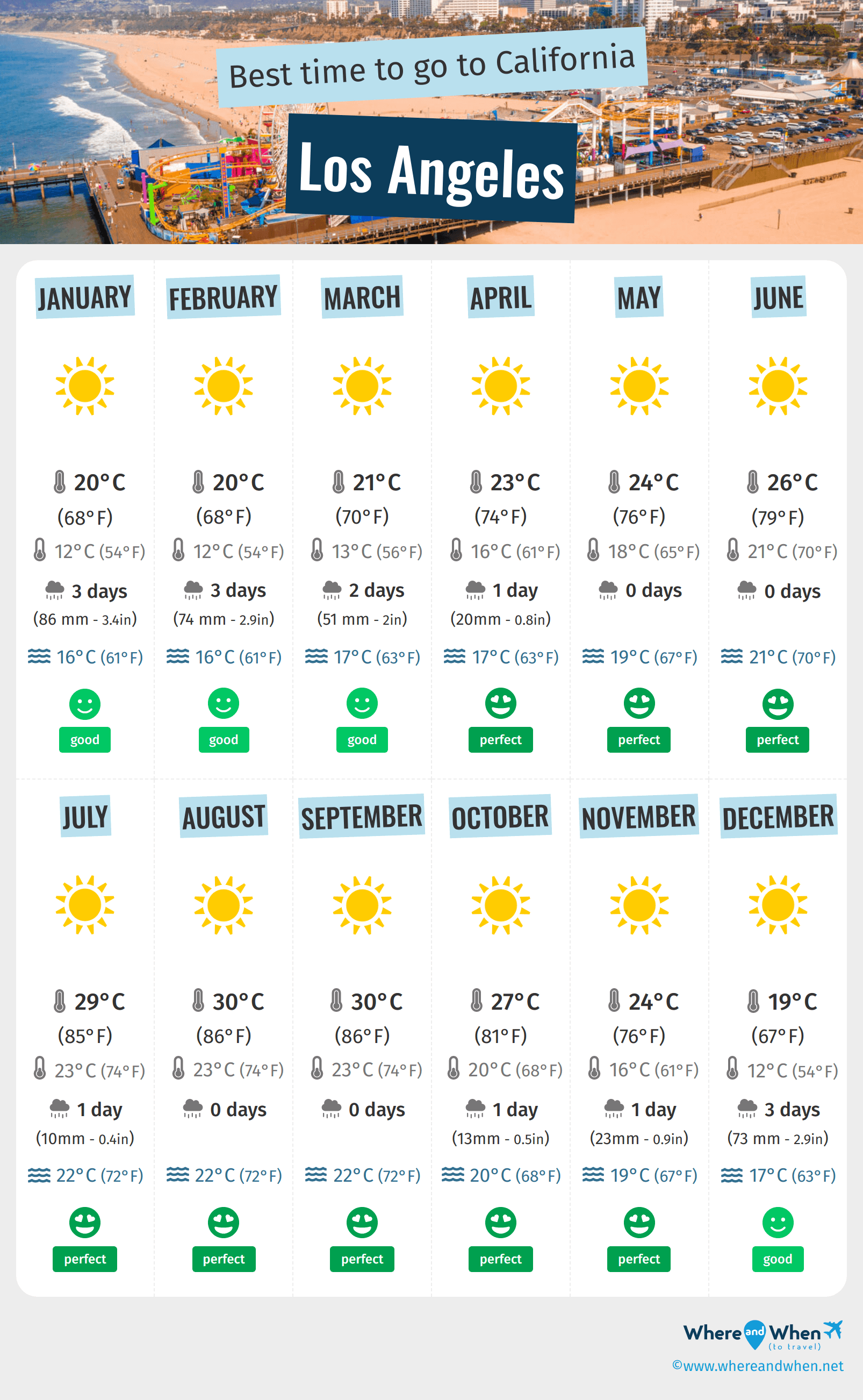
At its core, Los Angeles enjoys a Mediterranean climate, characterized by mild, wet winters and hot, dry summers. This translates to a general forecast of pleasant, sunny days for the majority of the year, making it an attractive destination for travelers seeking an escape from more extreme weather conditions. Winter months, typically from November to March, bring cooler temperatures, occasional rain showers, and often clear, crisp air, with daytime highs usually ranging from the mid-50s to low-70s Fahrenheit (13-22°C). This season is ideal for exploring museums, enjoying cozy indoor dining, or taking advantage of fewer crowds at popular attractions.
Summer, spanning from June to September, is synonymous with abundant sunshine and significantly warmer temperatures, particularly inland. Coastal areas benefit from a refreshing marine layer, keeping temperatures milder, but inland regions can frequently experience highs in the 90s Fahrenheit (32-37°C) and sometimes even higher. Spring and autumn serve as beautiful transitional periods, offering some of the most comfortable weather for outdoor activities, with consistently pleasant temperatures and minimal precipitation. This consistent, generally favorable weather pattern is a major draw for tourism, allowing for a wide range of activities virtually any time of year.
Microclimates: The City of Angels’ Hidden Weather Layers
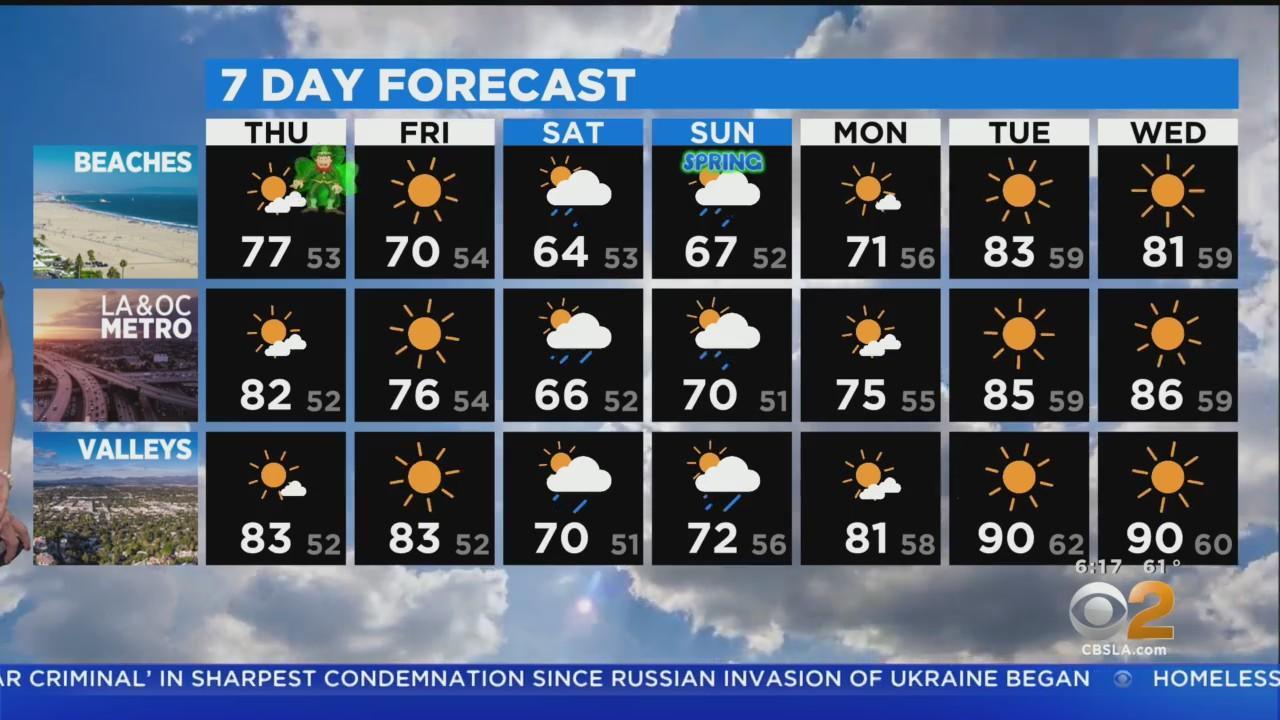
One of the most crucial aspects of Los Angeles weather, and often the most surprising to visitors, is its dramatic microclimates. The city’s sprawling geography, encompassing coastline, valleys, and mountains, creates distinct weather zones within relatively short distances.
-
Coastal Areas (e.g., Santa Monica, Malibu, Venice Beach): These regions are heavily influenced by the Pacific Ocean. They typically experience cooler temperatures, especially in the mornings and evenings, due to the marine layer and sea breezes. Even on a hot summer day, a 10-15 degree Fahrenheit (5-8°C) difference between the beach and inland areas is common. Travelers planning beach days or walks along the Santa Monica Pier should always pack layers.
-
Downtown Los Angeles (e.g., Downtown Los Angeles): While closer to the coast, Downtown Los Angeles can be slightly warmer than the beaches, especially when the marine layer burns off. Its urban environment can also contribute to a heat island effect, making it feel warmer than surrounding suburban areas.
-
Inland Valleys (e.g., San Fernando Valley, San Gabriel Valley): These areas are shielded from the direct ocean influence by mountain ranges. As a result, they experience significantly hotter summers and often cooler winters compared to coastal regions. Temperatures here can soar into the high 90s or even 100s Fahrenheit (38°C+) during summer heatwaves. If your itinerary includes attractions like Universal Studios Hollywood or navigating the vast suburban landscape, expect considerably warmer conditions, especially midday.
-
Mountainous Regions (e.g., Hollywood Hills, Santa Monica Mountains): Elevations bring slightly cooler temperatures and a greater chance of fog or even light snow at very high altitudes during winter, though this is rare for most tourist areas. Hiking trails in places like Griffith Park can offer a refreshing escape from valley heat.
Understanding these microclimates is crucial for packing smart and planning activities. What you wear for a morning stroll in Malibu might be completely inadequate for an afternoon exploring Hollywood or the San Fernando Valley.
Real-Time Temperature & How to Get It
In a city of such diverse microclimates, relying on a single, generalized temperature reading for Los Angeles can be misleading. Modern travelers have an array of tools at their fingertips to get precise, real-time weather information, ensuring they’re always prepared.
Instant Weather Checks: Tools for the Modern Traveler
Before embarking on your Los Angeles adventure, and continually throughout your trip, leveraging current weather information is a smart strategy.
-
Reliable Weather Apps and Websites: Applications like The Weather Channel, AccuWeather, or Apple Weather provide hyper-local forecasts and real-time conditions by GPS location. Many offer hourly breakdowns, precipitation chances, and wind speeds, which are critical for outdoor plans. Websites from reputable sources like the National Weather Service (NOAA) offer detailed meteorological data. Always specify the exact neighborhood or zip code you’re interested in for the most accurate reading (e.g., “Santa Monica, California” vs. “Burbank, California”).
-
Local News and Media: For a broader overview and any specific weather advisories (like heatwaves or Santa Ana winds), local Los Angeles news channels and their websites are excellent resources. They often provide context and insights into how weather patterns might affect local traffic or events.
-
Smart Home Devices and Voice Assistants: A quick voice command to Alexa or Google Assistant can provide instant temperature updates for your current location or a specified Los Angeles neighborhood, making it easy to check before heading out each morning.
The key is to check the weather not just for “Los Angeles” generally, but for the specific areas on your itinerary for that day.
Decoding the Forecast: Beyond Just Numbers
Understanding the numbers on a weather app involves more than just reading the Fahrenheit or Celsius degree. Several factors contribute to how the temperature feels and how it might impact your day.
-
“Feels Like” Temperature: This metric accounts for humidity and wind chill, providing a more accurate representation of how warm or cold it will actually feel. In Los Angeles, particularly during humid summer days or breezy coastal evenings, the “feels like” temperature can differ significantly from the actual air temperature.
-
Humidity: While Los Angeles is generally known for its dry heat, particularly inland, coastal areas can experience higher humidity. High humidity can make warm temperatures feel much more oppressive and cold temperatures feel damp and penetrating.
-
UV Index: Given Los Angeles’s abundant sunshine, checking the UV index is vital, even on cooler days. A high UV index means a greater risk of sunburn, necessitating diligent use of sunscreen, hats, and sunglasses.
-
Specific Los Angeles Phenomena: Be aware of local weather quirks like “May Gray” and “June Gloom.” These phenomena, common in late spring and early summer, describe days when a thick marine layer or low clouds blanket the coastal areas well into the afternoon. While they often burn off to reveal sunshine, they can make mornings feel unexpectedly cool and overcast, especially if you’re expecting immediate sunshine. Santa Ana winds are another phenomenon, typically occurring in fall and winter, bringing hot, dry air from inland deserts, often leading to elevated temperatures and increased fire risk.
Packing Smart: Temperature-Driven Travel Essentials
The diverse temperature landscape of Los Angeles necessitates a smart and flexible approach to packing. Being prepared for varying conditions across different neighborhoods and times of day will significantly enhance your comfort and ability to enjoy all the city offers.
Coastal Breezes vs. Inland Heat: Wardrobe Wisdom
The golden rule for packing for Los Angeles is layering. This strategy allows you to adapt seamlessly to the city’s microclimates and the typical diurnal temperature swings.
- Base Layers: Light, breathable fabrics like cotton or linen are ideal for daytime wear, especially during warmer months. T-shirts, tanks, and light blouses will form the foundation of most outfits.
- Mid-Layers: A light sweater, cardigan, or long-sleeved shirt is essential, even in summer. These are perfect for cooler mornings, air-conditioned indoor spaces, or transitioning to evening activities.
- Outerwear: A versatile light jacket (denim, bomber, or a windbreaker) is a must-have year-round for coastal evenings or surprisingly chilly days. During winter, a slightly warmer jacket might be needed, though heavy winter coats are rarely necessary.
- Bottoms: Comfortable shorts, skirts, light trousers, or jeans are all appropriate depending on your activity. For more upscale dining or nightlife in areas like Beverly Hills or West Hollywood, pack something a little dressier.
- Footwear: Comfortable walking shoes are paramount, as Los Angeles often involves a fair amount of walking, whether exploring Hollywood Boulevard, The Grove, or a hiking trail. Bring sandals or flip-flops for the beach or poolside lounging.
Remember, what’s comfortable at the Getty Center (which can be breezy) might be too warm for Disneyland in Anaheim (which is inland). Always have that extra layer handy, even if you don’t think you’ll need it.
Beyond Clothing: Hydration, Sun Protection, and Comfort
Packing for Los Angeles extends beyond just your wardrobe. Given the frequent sunshine and potential for heat, other essentials are critical.
- Sunscreen: Non-negotiable, regardless of the season or perceived temperature. Apply generously and reapply throughout the day, especially if you’re spending time outdoors.
- Hat and Sunglasses: Protect your face and eyes from the strong California sun.
- Reusable Water Bottle: Staying hydrated is key, especially when temperatures climb. Carry a water bottle and refill it frequently.
- Lip Balm with SPF: Sun-exposed lips can get chapped quickly.
- Swimsuit: Even if you’re not planning a beach day, many hotels have pools that offer a refreshing escape from the heat.
- Portable Charger: Your phone will likely be working overtime for navigation, photos, and weather checks.
Consider your mode of transportation. If you’re renting a car, ensure it has good air conditioning, which will be your best friend during hot inland excursions. If relying on public transport or ride-shares, be mindful that walking to and from stops will expose you to the elements.
Temperature’s Influence on Los Angeles Activities & Experiences
The daily temperature in Los Angeles doesn’t just dictate your wardrobe; it actively shapes the feasibility and enjoyment of many activities, guiding travelers toward optimal experiences.
Optimal Times for Outdoor Adventures
Los Angeles is an outdoor playground, but timing your activities with the temperature in mind is key.
-
Beaches (Santa Monica, Venice Beach, Manhattan Beach): While tempting year-round, the most comfortable beach weather typically occurs from late spring through early fall. Even then, mornings can be cool and foggy due to “May Gray” or “June Gloom.” Aim for afternoons when the sun has had a chance to burn off the marine layer, and always bring a towel, layers, and sunscreen. Water temperatures are coolest in winter and warmest in late summer/early fall.
-
Hiking (Runyon Canyon, Griffith Park, Palos Verdes Peninsula): Early mornings or late afternoons are the best times for hiking, especially during warmer seasons. Midday hikes in the summer can be dangerously hot, particularly in exposed areas. Hydration and appropriate footwear are crucial. Winter offers crisp, clear hiking conditions.
-
Theme Parks (Disneyland in Anaheim, Universal Studios Hollywood): These attractions often involve extensive walking and queuing outdoors. Cooler days, especially weekdays outside of peak season, offer the most comfortable experience. On hot days, utilize indoor attractions, take advantage of misters, and stay hydrated. Consider visiting during the shoulder seasons (spring and fall) for pleasant temperatures and potentially smaller crowds.
-
Outdoor Dining & Patios: Los Angeles thrives on al fresco dining. During mild weather, this is a delightful experience. On very hot days, seek out shaded patios or opt for air-conditioned indoor seating. During cooler evenings, many establishments provide heaters, but an extra layer of clothing is always a good idea.

Embracing Indoor Escapes During Extreme Weather
While Los Angeles is famous for its outdoor lifestyle, the city offers a wealth of indoor attractions that provide perfect refuge during uncomfortably hot days or rare rainy spells.
-
Museums: The Getty Center (with its stunning architecture and views, though parts are outdoors), LACMA (Los Angeles County Museum of Art), The Broad, and the California Science Center offer world-class collections in climate-controlled environments. Spend a hot afternoon or a rare rainy day immersed in art, history, or science.
-
Shopping Districts: Explore the upscale boutiques of Rodeo Drive in Beverly Hills, the trendy shops at The Grove, or the diverse retail options in Westfield Century City. Most malls and shopping centers are air-conditioned, providing a comfortable environment for retail therapy.
-
Performing Arts: Catch a show at the historic Pantages Theatre, a concert at the Walt Disney Concert Hall, or a comedy show at one of Los Angeles’s many famous clubs. These venues offer excellent entertainment regardless of the weather outside.
-
Aquariums and Indoor Experiences: The Aquarium of the Pacific in Long Beach or various immersive art installations offer engaging experiences that are completely unaffected by the outside temperature.
Ultimately, being informed about Los Angeles’s current temperature and understanding its climatic nuances empowers you to make the most of your travel plans. Whether you’re chasing the perfect beach day, conquering a scenic hike, or indulging in cultural pursuits, a little weather foresight goes a long way in ensuring a comfortable, enjoyable, and unforgettable visit to Los Angeles.
LifeOutOfTheBox is a participant in the Amazon Services LLC Associates Program, an affiliate advertising program designed to provide a means for sites to earn advertising fees by advertising and linking to Amazon.com. Amazon, the Amazon logo, AmazonSupply, and the AmazonSupply logo are trademarks of Amazon.com, Inc. or its affiliates. As an Amazon Associate we earn affiliate commissions from qualifying purchases.