
Understanding the local time is a foundational element of any travel plan, a practical necessity that underpins everything from booking flights to scheduling a dinner reservation. For travelers eyeing the sun-drenched shores and rolling hills of Malibu, California, knowing the precise time isn’t just about punctuality; it’s about seamlessly integrating into the rhythm of this iconic destination. Malibu, a jewel of Southern California, operates within the Pacific Time Zone, adhering to Pacific Standard Time (PST) during the winter months and shifting to Pacific Daylight Time (PDT) in the spring and summer. This seemingly simple fact carries significant implications for travel planning, ensuring visitors can maximize their experiences, minimize logistical hurdles, and truly savor every moment in this breathtaking coastal city.
Understanding Malibu’s Time Zone: PST/PDT Explained
The Pacific Time Zone is observed across the westernmost states of the contiguous United States, including California, Oregon, Washington, and Nevada. This designation means that Malibu’s local time is always UTC-8 during standard time and UTC-7 during daylight saving time.
Pacific Standard Time (PST) in Winter
From early November to mid-March, Malibu observes Pacific Standard Time (PST), which is eight hours behind Coordinated Universal Time (UTC-8). During these cooler months, the days are shorter, and the sun sets earlier, painting the sky with dramatic hues that are perfect for quiet reflection or cozy evenings by a beachfront fire pit. For travelers arriving from time zones further east, this means “gaining” hours, potentially leading to earlier risers eager to catch the sunrise over the Pacific Ocean. Understanding this shift is vital for planning activities like whale watching tours, which often depart in the morning, or sunset dining experiences, which require precise timing to capture the golden hour.
Pacific Daylight Time (PDT) in Summer
With the arrival of spring, typically the second Sunday in March, Malibu switches to Pacific Daylight Time (PDT). Clocks spring forward by one hour, making Malibu seven hours behind Coordinated Universal Time (UTC-7). This change extends daylight into the evening, providing more hours for outdoor activities such as surfing, hiking, or simply lounging on the beach. PDT lasts until the first Sunday in November, perfectly aligning with Malibu’s peak tourist season. The longer daylight hours are a boon for visitors, allowing for more leisurely exploration of attractions like Zuma Beach, the Getty Villa, or a scenic drive along the Pacific Coast Highway without feeling rushed. This shift is crucial for travelers to anticipate, as it affects everything from check-in times to tour schedules.
Planning Your Malibu Itinerary: Time-Sensitive Activities
The importance of knowing the local time extends far beyond merely setting your watch. It directly impacts how you plan and experience your entire trip to Malibu. From dining reservations to outdoor excursions, timing is everything.
Maximizing Beach Time and Water Sports
Malibu’s pristine beaches are its crown jewel, and optimal beach time is often dictated by the sun’s position and tidal conditions. Surfing lessons, for instance, are best scheduled during specific tidal windows, which can vary daily. Early mornings often offer the calmest waters for paddleboarding or kayaking, especially around areas like Malibu Lagoon State Beach. For sunbathers, the midday sun provides the most warmth, while late afternoons during PDT allow for extended relaxation and stunning sunset views. Being aware of the local time ensures you can catch the perfect wave, find the ideal spot on the sand, or simply enjoy the Pacific breeze without missing a beat.
Dining and Entertainment Schedules
Malibu’s culinary scene, ranging from casual beachfront cafes to upscale dining establishments, operates on a local schedule. Popular restaurants, particularly those with ocean views, often book up quickly, especially during peak seasons and around sunset. Knowing the exact local time is critical for making timely reservations, avoiding long waits, and securing a coveted table. Similarly, local events, art gallery openings, or live music performances in areas like the Malibu Country Mart will strictly adhere to PST or PDT. Missing a reservation or the start of a show due to a time zone miscalculation can be a frustrating oversight for any traveler.
Visiting Attractions and Landmarks
Attractions such as the Getty Villa, a museum dedicated to ancient Greek, Roman, and Etruscan art, have strict opening and closing times. Guided tours and special exhibitions often have scheduled entry slots that require prior booking, all based on Malibu’s local time. Hiking trails around Point Dume State Preserve or in the Santa Monica Mountains National Recreation Area are best explored during daylight hours for safety and enjoyment. Even a simple scenic drive along the Pacific Coast Highway to Santa Monica or Los Angeles benefits from knowing the time, allowing you to avoid rush hour traffic or plan for a specific sunset viewpoint.
Navigating Jet Lag and Time Differences
For travelers arriving in Malibu from distant time zones, particularly those crossing multiple international date lines, understanding and preparing for time differences is paramount to an enjoyable trip. Jet lag can significantly impact the first few days of a vacation, but with proper planning, its effects can be minimized.
Strategies for Minimizing Jet Lag
Adjusting to Malibu’s Pacific Time Zone begins even before departure. Gradually shifting your sleep schedule by an hour or two each day in the days leading up to your trip can ease the transition. Once you arrive, exposure to natural light during Malibu’s daytime hours helps reset your body’s internal clock. Staying hydrated, avoiding excessive caffeine and alcohol, and trying to adhere to local meal times are also effective strategies. For travelers arriving from the East Coast of the United States, the three-hour time difference can feel significant. Arriving in the late afternoon allows for a relatively early night, helping to sync with local time quickly.
Maximizing Your First Days
With the time difference in mind, consider structuring your initial days in Malibu with lighter activities. Instead of immediately embarking on a strenuous hike or an action-packed surfing adventure, opt for relaxed beach walks, gentle swims, or exploring the local boutiques. This gentler introduction allows your body to adjust while still enjoying the beauty of the destination. Planning important reservations or demanding activities for later in your trip, once you’ve fully acclimatized to Malibu’s rhythm, will ensure you can fully appreciate them without the hindrance of fatigue or disorientation.
The Rhythm of Malibu: Local Life and Best Times to Visit
Malibu’s allure isn’t just in its scenery; it’s in its distinct lifestyle, deeply intertwined with its Pacific Time Zone setting and the changing seasons. Understanding this rhythm helps travelers not just visit, but truly experience Malibu.
Seasonal Variations and Travel Impact
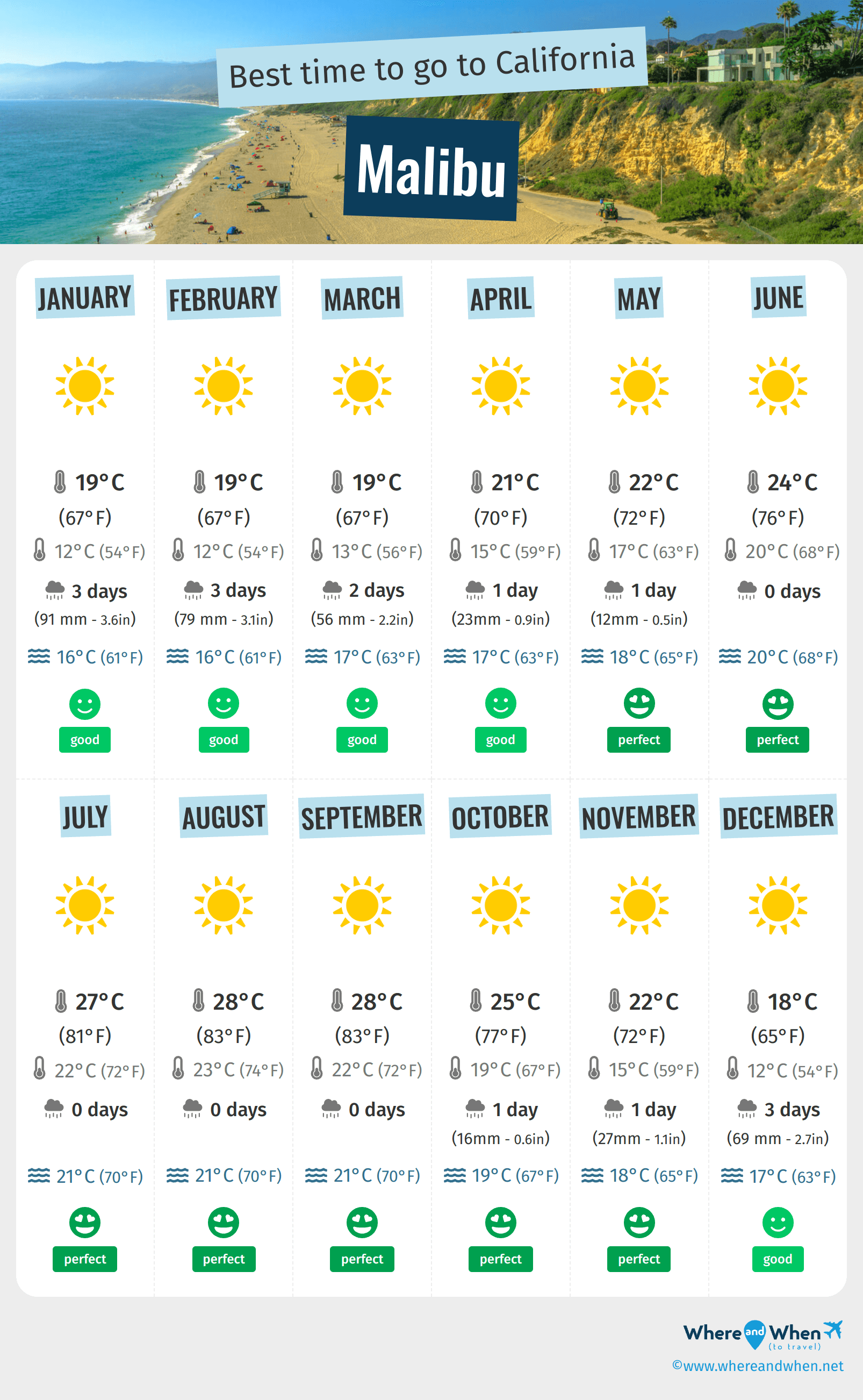
The shift between PST and PDT fundamentally alters the perception of the day. In summer (PDT), long daylight hours encourage outdoor pursuits well into the evening, creating a vibrant, energetic atmosphere. This is the peak season, with more crowds and higher prices, but also more events and extended operating hours for many businesses. Winter (PST) brings shorter days but often clearer skies and fewer tourists, offering a more serene and intimate experience of Malibu’s natural beauty. The timing of sunrise and sunset becomes a more prominent feature, defining the start and end of outdoor activities. For photographers, these times offer spectacular light. For those seeking solitude, the quiet winter mornings after the sun has risen can be magical.
Aligning with Local Habits
Observing the local pace is key to an authentic travel experience. Malibu residents tend to embrace the outdoors, with mornings often starting early for surfers and hikers, and evenings savored for sunsets and dinners. Brunch is a popular weekend activity, extending well into the afternoon. Weekday mornings can see some traffic on the Pacific Coast Highway as commuters head towards Los Angeles, highlighting the importance of timing your drives to specific destinations. Being mindful of these local habits, informed by the time of day and season, allows visitors to blend in more naturally and avoid potential frustrations like crowded roads or peak-hour restaurant rushes.
Beyond the Clock: Immersive Malibu Experiences
While the clock dictates schedules and appointments, the true essence of Malibu lies in experiences that transcend mere minutes and hours. Knowing the time allows you to be present for these moments, rather than rushing through them.
Capturing Malibu’s Natural Beauty
Malibu’s landscape is designed for immersion. Whether it’s watching the morning mist burn off over the ocean, hiking to a viewpoint for panoramic vistas, or simply listening to the waves crash on the shore, these are timeless moments. The specific local time helps you be in the right place at the right moment: sunrise at Point Dume for a breathtaking spectacle, or sunset from a cliffside restaurant like Nobu Malibu for an unforgettable dining experience. These moments are defined not just by the hour, but by the light, the atmosphere, and your readiness to receive them.
Engaging with Local Culture and Wellness
Malibu also offers a vibrant culture of wellness and relaxation. From yoga classes overlooking the ocean to visits to local farmers’ markets, these activities are scheduled according to local time. Participating in these experiences allows travelers to connect with the community and embrace the laid-back, health-conscious lifestyle for which Malibu is known. By being well-versed in the local time, you ensure you don’t miss out on these enriching opportunities that define a genuine Malibu travel experience.
In conclusion, “What time is it in Malibu, California?” is far more than a simple query about the hour. It’s a gateway to effective travel planning, successful itinerary management, and an immersive understanding of this captivating coastal destination. By respecting its Pacific Time Zone, travelers can unlock the full potential of their Malibu adventure, ensuring every moment is spent soaking in its beauty, culture, and unique rhythm.
LifeOutOfTheBox is a participant in the Amazon Services LLC Associates Program, an affiliate advertising program designed to provide a means for sites to earn advertising fees by advertising and linking to Amazon.com. Amazon, the Amazon logo, AmazonSupply, and the AmazonSupply logo are trademarks of Amazon.com, Inc. or its affiliates. As an Amazon Associate we earn affiliate commissions from qualifying purchases.