
Embarking on a journey to the Golden State requires meticulous planning, and one fundamental piece of information often overlooked until the last minute is understanding its time zone. California, a sprawling state celebrated for its diverse landscapes, vibrant cities, and innovative spirit, operates primarily on a single time zone, simplifying much of the traveler’s experience. However, a deeper dive reveals nuances, particularly concerning Daylight Saving Time, that are crucial for seamless travel, effective communication, and maximizing every moment of your visit. This guide aims to demystify California’s time zone, offering insights into its practical implications for various travel scenarios.
Understanding California’s Geographical Time Placement
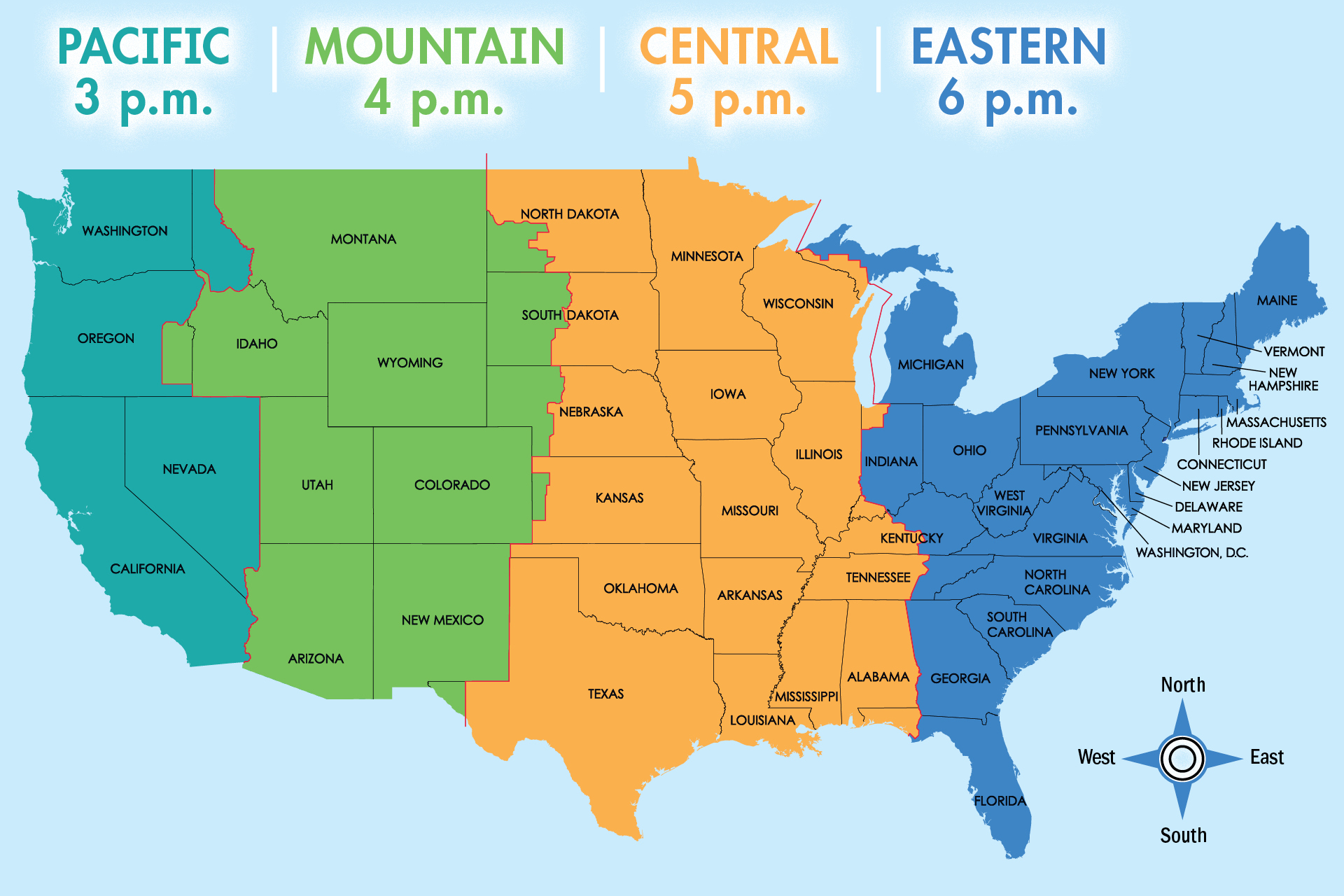
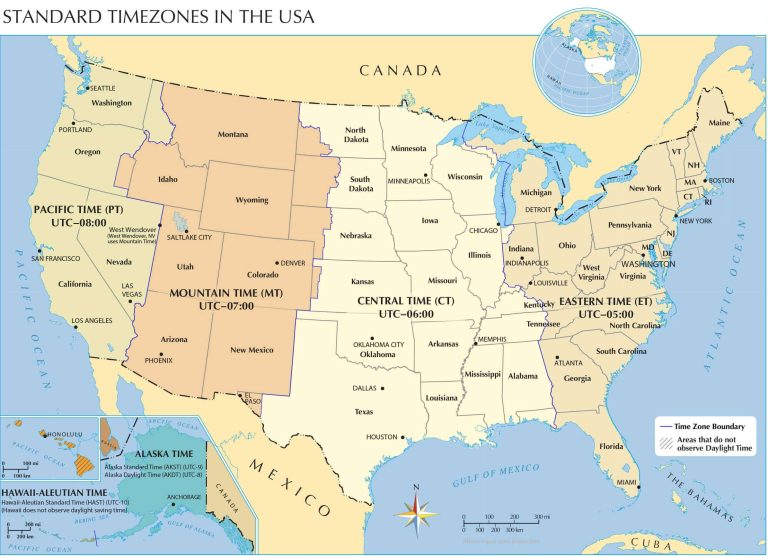
California is situated on the west coast of the United States, aligning it with the Pacific Time Zone. This geographical placement dictates its standard time, which is universally known and referenced for all activities within the state.
Pacific Standard Time (PST) Explained
During the non-Daylight Saving period, typically from early November to mid-March, California observes Pacific Standard Time (PST). PST is officially denoted as UTC-8, meaning it is eight hours behind Coordinated Universal Time (UTC). For travelers arriving from eastern parts of the United States or international destinations, this immediately signals a significant time difference. For instance, when it’s 10:00 AM PST in California, it’s 1:00 PM Eastern Standard Time (EST) on the East Coast, and potentially late evening or early morning the following day in parts of Europe or Asia. Understanding this baseline is the first step in preparing for your trip.
The Role of Daylight Saving Time (DST)
A critical consideration for any traveler to California is Daylight Saving Time (DST). Each year, typically on the second Sunday in March, California “springs forward” by one hour, transitioning from Pacific Standard Time to Pacific Daylight Time (PDT). PDT is UTC-7, making it seven hours behind Coordinated Universal Time. This shift provides an extra hour of daylight in the evenings, a beloved feature for residents and visitors alike, perfect for extended outdoor activities and enjoying California’s famed sunsets. The return to Pacific Standard Time (“falling back”) occurs on the first Sunday in November. Always confirm whether your travel dates fall within PST or PDT to avoid any confusion with schedules, reservations, or appointments. Most modern smartphones and digital devices automatically adjust, but it’s wise to double-check, especially if you rely on analogue clocks or have critical time-sensitive plans.
The Practical Implications for Travelers
The time zone difference, especially when coupled with DST, has several practical implications for travelers. Recognizing these in advance can significantly enhance your travel experience, minimizing stress and maximizing enjoyment.
Planning Your Arrival and Departure
When booking flights, accommodation check-ins, or rental car pickups, always consider the local time. An early morning flight arriving from the East Coast might feel like a mid-morning arrival due to the time difference, but your body clock will still be adjusting. Conversely, a late afternoon departure from Los Angeles International Airport (LAX) to an Eastern destination means losing several hours upon arrival. Factor in these time jumps when scheduling critical travel components, ensuring you have adequate rest and buffer time for transitions. For example, if you’re flying into San Francisco from New York, your 9:00 AM EST flight might land at 12:00 PM PST, but your internal clock will feel like 3:00 PM, potentially making an immediate packed itinerary challenging.
Navigating Jet Lag Effectively
For travelers journeying across multiple time zones, jet lag is an almost inevitable companion. Moving westbound to California tends to be easier than eastbound, as your day is effectively extended. However, adapting to a later schedule can still disrupt sleep patterns and energy levels. To mitigate jet lag:
- Adjust gradually: Before your trip, try to shift your sleep schedule closer to California time.
- Hydrate: Drink plenty of water and avoid excessive alcohol and caffeine.
- Embrace daylight: Spend time outdoors upon arrival to help reset your circadian rhythm.
- Sleep strategy: Resist naps, if possible, and aim to sleep at local bedtime, even if it feels early.
- Manage expectations: Allow yourself a day or two to fully acclimate before embarking on demanding activities.
Synchronizing with Activities and Attractions
California’s attractions, from Disneyland Park in Anaheim to the Golden Gate Bridge in San Francisco, operate on local time. Checking opening and closing hours, showtimes, and reservation slots is critical. Miscalculating even a one-hour difference due to DST can lead to missed opportunities or unnecessary delays. When planning day trips from Los Angeles to destinations like San Diego or a visit to the Yosemite National Park from San Francisco, remember that all schedules are based on PDT or PST. Always confirm your booking times in local California time.
Communication Across Time Zones
Maintaining connections, whether for personal or professional reasons, becomes a nuanced task when traversing time zones. For those visiting California, understanding the difference is key to seamless communication.
Staying Connected with Home
If you’re traveling from a different time zone, coordinating calls with family and friends requires forethought. A quick call in the evening from California might be an inconvenient late night or early morning for loved ones across the globe. Utilize time zone converter apps or websites to find optimal overlap periods. For instance, an early afternoon call from Los Angeles (e.g., 2:00 PM PST) would be 5:00 PM EST on the East Coast, or 10:00 PM in London, making it a feasible window for many. Being mindful of these differences ensures you stay connected without disrupting routines back home.
Business Travel and Meeting Schedules
For business travelers, time zone awareness is paramount. California’s economic hubs, such as Silicon Valley, San Francisco, and Los Angeles, frequently host international meetings and conferences. Scheduling virtual meetings with counterparts in New York or Europe requires careful planning to accommodate everyone’s working hours. Always specify the time zone when scheduling meetings (e.g., “10:00 AM PST”) to avoid any misinterpretation. Confirming meeting times verbally or in writing with participants from different zones can prevent costly errors and demonstrate professionalism.
Time Zone Considerations for Specific California Experiences
California’s diverse geography offers a myriad of experiences, each potentially impacted by time zone planning.
From Coastal Sunrises to Desert Sunsets
The vast expanse of California means that sunrise and sunset times can vary significantly even within the same time zone, purely due to longitude. For example, enjoying a sunrise over the Pacific Ocean along the coast of Big Sur will happen earlier than a sunrise over the mountains closer to Nevada. Conversely, sunset viewing in places like Death Valley National Park or the Joshua Tree National Park will occur later than on the coast, providing longer evenings for exploration. If chasing the perfect golden hour photo or planning a scenic drive, research the specific sunrise/sunset times for your exact location within California. This is particularly important during DST when evenings are noticeably longer.
Maximizing Theme Park Visits and City Explorations
Theme parks like Disneyland Park or Universal Studios Hollywood often have staggered opening times for different lands or attractions, and their operational hours can extend late into the evening. Planning your arrival for opening to beat the crowds, or staying late for fireworks, requires a good grasp of the local time and your own energy levels post-jet lag. Similarly, exploring cities like San Francisco or Los Angeles involves navigating public transport, booking restaurant reservations, and attending shows. All these activities are time-dependent, and being an hour off can throw your carefully constructed itinerary into disarray. Always use the local California time for all bookings and plans, and confirm them closer to the date, especially if your trip spans a DST changeover.
Tips for a Seamless Time Zone Transition
Preparing for the time zone shift can make your California adventure more enjoyable and stress-free.
Pre-Trip Planning and Preparation
- Research DST dates: Always verify if your travel dates fall within Pacific Standard Time or Pacific Daylight Time.
- Time zone converters: Use online tools or apps to compare your home time zone with California time.
- Inform contacts: Let family and colleagues know about your time zone change to manage communication expectations.
- Set reminders: Schedule reminders in California local time for critical appointments.

On-the-Ground Adaptations
- Set all devices to local time: Modern smartphones usually do this automatically, but double-check.
- Live by the local clock: As soon as you arrive, try to adapt to California’s time for meals and sleep, regardless of how your body feels initially.
- Prioritize rest: Especially on longer trips, allow for sufficient rest to overcome jet lag.
- Stay flexible: Build some flexibility into your itinerary for the first day or two, as your body adjusts. Don’t overschedule.
By understanding that California operates on the Pacific Time Zone, and accounting for the annual shift to Pacific Daylight Time, travelers can ensure a smoother, more enjoyable, and fully optimized experience in this magnificent state. A little forethought regarding time zones goes a long way in turning a good trip into an unforgettable one.
LifeOutOfTheBox is a participant in the Amazon Services LLC Associates Program, an affiliate advertising program designed to provide a means for sites to earn advertising fees by advertising and linking to Amazon.com. Amazon, the Amazon logo, AmazonSupply, and the AmazonSupply logo are trademarks of Amazon.com, Inc. or its affiliates. As an Amazon Associate we earn affiliate commissions from qualifying purchases.