
West Texas. The very name evokes images of sprawling landscapes, a rich tapestry of history, and a unique cultural identity that sets it apart from the rest of the Lone Star State. But what precisely defines this vast region? Is it a rigid geographical boundary, a collection of shared experiences, or a feeling that transcends mere coordinates on a map? For those seeking to explore this captivating corner of the United States, understanding the scope of “West Texas” is the first step towards unlocking its myriad wonders, from the dramatic beauty of its natural landmarks to the vibrant pulse of its cities and the warm hospitality of its people.
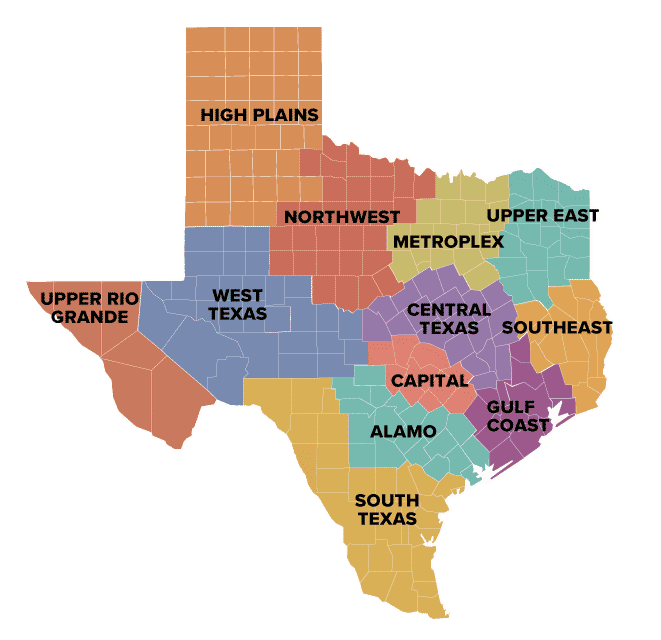
While there’s no single, universally agreed-upon border, the general consensus places West Texas as encompassing the westernmost portion of the state, stretching from the Pecos River westward to the New Mexico and Mexico borders. This immense territory is characterized by its arid and semi-arid climate, dramatic elevation changes, and a landscape dominated by the iconic Chihuahuan Desert. However, to truly grasp what constitutes West Texas, we must delve beyond mere geography and explore the distinct attributes that define its character, encompassing its diverse attractions, its unique lifestyle, and its profound historical and cultural significance.
Defining the Boundaries: A Geographical and Cultural Tapestry
The geographical definition of West Texas is a fluid one, often debated among locals and geographers alike. However, a commonly accepted understanding places its eastern boundary along the Pecos River. From there, it sweeps westward, encompassing vast stretches of the state until it meets the state lines of New Mexico and the international border with Mexico. This expansive region is not a monolith; it is a mosaic of diverse terrains and ecosystems.
The Trans-Pecos Region: A Realm of Rugged Beauty
At the heart of West Texas lies the Trans-Pecos region, a dramatic landscape that truly embodies the wild and untamed spirit of the American West. This area is a geological marvel, home to the highest peaks in Texas, including the majestic Guadalupe Mountains National Park and the striking Big Bend National Park. These parks offer unparalleled opportunities for hiking, camping, and exploring an ecosystem that thrives in seemingly harsh conditions. Within Guadalupe Mountains National Park, visitors can ascend to Guadalupe Peak, the highest point in Texas, or wander through the ancient fossil beds that tell a story millions of years in the making. Big Bend National Park, on the other hand, presents a vast expanse of desert mountains, river valleys carved by the mighty Rio Grande, and an astonishing diversity of flora and fauna. The park’s remote nature and dramatic scenery make it a bucket-list destination for adventurers and nature enthusiasts.
Beyond the national parks, the Trans-Pecos is dotted with unique geological formations, such as the Davis Mountains, offering scenic drives and opportunities for stargazing at the McDonald Observatory. The vastness of this region means that travel times between attractions can be significant, and the remoteness adds to its allure, offering a true escape from the hustle and bustle of modern life. The stark beauty of the desert, punctuated by hardy succulents and mesquite trees, creates a visual symphony that is both humbling and inspiring.
The Permian Basin and Beyond: Energy, Economy, and Enduring Spirit
Moving eastward from the Trans-Pecos, the landscape transitions, but the West Texas identity persists. The Permian Basin, a vast geological formation renowned for its oil and gas reserves, forms a significant economic engine for the region. Cities like Midland and Odessa are the epicenters of this energy industry, drawing a diverse workforce and contributing to a unique blend of rugged individualism and entrepreneurial spirit. While the economic landscape is dominated by energy, the region’s residents also hold a deep appreciation for their heritage and the natural environment.
Further north and east, the definition of West Texas can begin to blur into what some might consider the Panhandle or Central Texas. However, cities like Abilene and San Angelo often retain strong West Texas characteristics, including a slower pace of life, a reliance on agriculture and ranching, and a culture that values community and hard work. These cities serve as important hubs, offering amenities and services to the surrounding rural areas while preserving the authentic West Texas charm.
Uncovering West Texas: Destinations and Experiences
West Texas is far more than just arid landscapes; it is a region brimming with captivating destinations and unforgettable experiences that cater to a wide range of interests, from the thrill-seeker to the history buff and the culinary explorer.
Urban Oases and Frontier Towns: A Spectrum of Exploration

While much of West Texas is characterized by its vast open spaces, several cities offer vibrant cultural scenes and unique attractions. The captivating city of El Paso, situated on the border with Mexico, offers a rich blend of Texan and Mexican influences. Its historic downtown, the vibrant arts district, and the iconic Franklin Mountains State Park provide a diverse range of activities. Visitors can explore the historic Mission Trail, sampling authentic Mexican cuisine, or take a scenic drive up into the mountains for breathtaking views. The city’s unique cultural tapestry is evident in its music, art, and culinary offerings.
Further north, Lubbock, the birthplace of Buddy Holly, boasts a thriving music scene and a growing reputation for its wineries and burgeoning culinary landscape. The Buddy Holly Center is a must-visit for music aficionados, while the numerous local wineries offer a taste of Texas’s unexpected wine country. The city also serves as a gateway to exploring the vast agricultural lands of the surrounding region.
Then there are the smaller, yet no less significant, towns that dot the West Texas landscape. Marfa, an unassuming desert town, has gained international recognition as an art destination, attracting artists, collectors, and curious travelers with its minimalist galleries, minimalist hotels, and the enigmatic Marfa Lights. The town’s transformation into an art mecca is a testament to the region’s ability to inspire creativity and draw people from all walks of life.
Natural Wonders and Outdoor Adventures: Embracing the Wild
The allure of West Texas is undeniably tied to its spectacular natural beauty. For outdoor enthusiasts, the opportunities are boundless. Beyond the well-trodden paths of Big Bend National Park and Guadalupe Mountains National Park, there are numerous state parks and natural areas that offer unique adventures. Caprock Canyon State Park, known for its resident herd of Texas Longhorns and its stunning red rock formations, provides a different but equally captivating desert experience. The park’s hiking trails wind through canyons, offering glimpses of diverse wildlife and geological wonders.
The vastness of the West Texas sky also makes it a premier destination for stargazing. Away from the light pollution of major cities, the celestial display is nothing short of spectacular. The McDonald Observatory in the Davis Mountains offers visitors the chance to peer into the cosmos through powerful telescopes and learn about the wonders of the universe. Experiencing a night under the stars in West Texas is a truly humbling and awe-inspiring experience, connecting visitors to the immensity of the universe.
Lifestyle and Culture: The Heartbeat of West Texas
The lifestyle and culture of West Texas are deeply rooted in its history, its environment, and the independent spirit of its people. It’s a region where the vastness of the land fosters a sense of self-reliance, community, and a profound connection to the natural world.
A Blend of Grit and Grace: Hospitality and Heritage
West Texans are often characterized by their straightforwardness, their resilience, and their unwavering hospitality. The challenging environment has forged a community that values hard work, resourcefulness, and a deep sense of camaraderie. While the image of the rugged cowboy is certainly present, it is complemented by a growing appreciation for the arts, a burgeoning culinary scene, and a welcoming attitude towards visitors.
The local culture is a rich tapestry woven from the threads of Native American history, Spanish colonial influence, Anglo settlement, and the continuous influx of people drawn by economic opportunities. This confluence of cultures is most palpable in the region’s cuisine, which offers everything from traditional Tex-Mex and barbecue to more contemporary culinary innovations. Exploring the local diners, cafes, and fine dining establishments is an integral part of the West Texas experience, offering a delicious insight into the region’s diverse heritage.
Accommodation and Travel: Embracing the Journey
Whether you’re seeking a luxurious resort getaway or a budget-friendly road trip adventure, West Texas offers a range of accommodation options and travel experiences. From charming boutique hotels in artistic towns like Marfa to well-appointed hotels in larger cities like Midland and El Paso, there are options to suit every travel style. Many visitors opt for vacation rentals, such as apartments or villas, offering a more independent and immersive experience, especially for longer stays.
The nature of travel in West Texas often involves embracing the journey as much as the destination. The vast distances between points of interest encourage road trips, allowing travelers to soak in the ever-changing scenery and discover hidden gems along the way. Planning your itinerary to include scenic drives, visits to small towns, and ample time for spontaneous exploration is key to experiencing the true essence of West Texas. The commitment to providing exceptional experiences extends to the hospitality sector, with many hotels and resorts offering amenities that cater to both leisure and business travelers, ensuring comfort and convenience amidst the rugged beauty.
In conclusion, West Texas is a region that defies simple definition. It is a place where the grandeur of nature meets the resilience of the human spirit, where history whispers from ancient landscapes, and where a unique culture continues to evolve. From the towering peaks of the Guadalupe Mountains to the artistic allure of Marfa, and the vibrant energy of El Paso, West Texas offers an unforgettable journey for those willing to venture off the beaten path and discover its profound beauty and enduring charm.
LifeOutOfTheBox is a participant in the Amazon Services LLC Associates Program, an affiliate advertising program designed to provide a means for sites to earn advertising fees by advertising and linking to Amazon.com. Amazon, the Amazon logo, AmazonSupply, and the AmazonSupply logo are trademarks of Amazon.com, Inc. or its affiliates. As an Amazon Associate we earn affiliate commissions from qualifying purchases.