
California, a land renowned for its breathtaking natural beauty, from sun-drenched beaches to towering redwood forests, also holds the unenviable distinction of being a crucible for some of the world’s most devastating wildfires. These infernos, driven by a volatile cocktail of dry vegetation, fierce winds, and increasingly arid conditions, have etched indelible scars across the landscape, transforming vast swathes of natural landmarks and leaving profound impacts on history and nature. While many fires have achieved notoriety for their destructive power and proximity to population centers, one stands above them all in sheer scale: the August Complex Fire of 2020. This monumental blaze was not just the biggest fire in California’s history; it was an unprecedented event that redefined the metrics of a “megafire.”

The Unprecedented Scale: California’s Largest Wildfire
The year 2020 was a historically catastrophic fire season for California, marked by numerous large and destructive fires. Amidst this fiery tableau, the August Complex Fire emerged as a titan, scorching an astonishing 1,032,648 acres across seven counties in Northern California. To put this into perspective, this single fire consumed an area larger than the state of Rhode Island. Its immense size, the result of multiple lightning-sparked fires merging into a single, unstoppable entity, created a new benchmark for wildfire devastation.
The August Complex Fire: A Confluence of Catastrophe
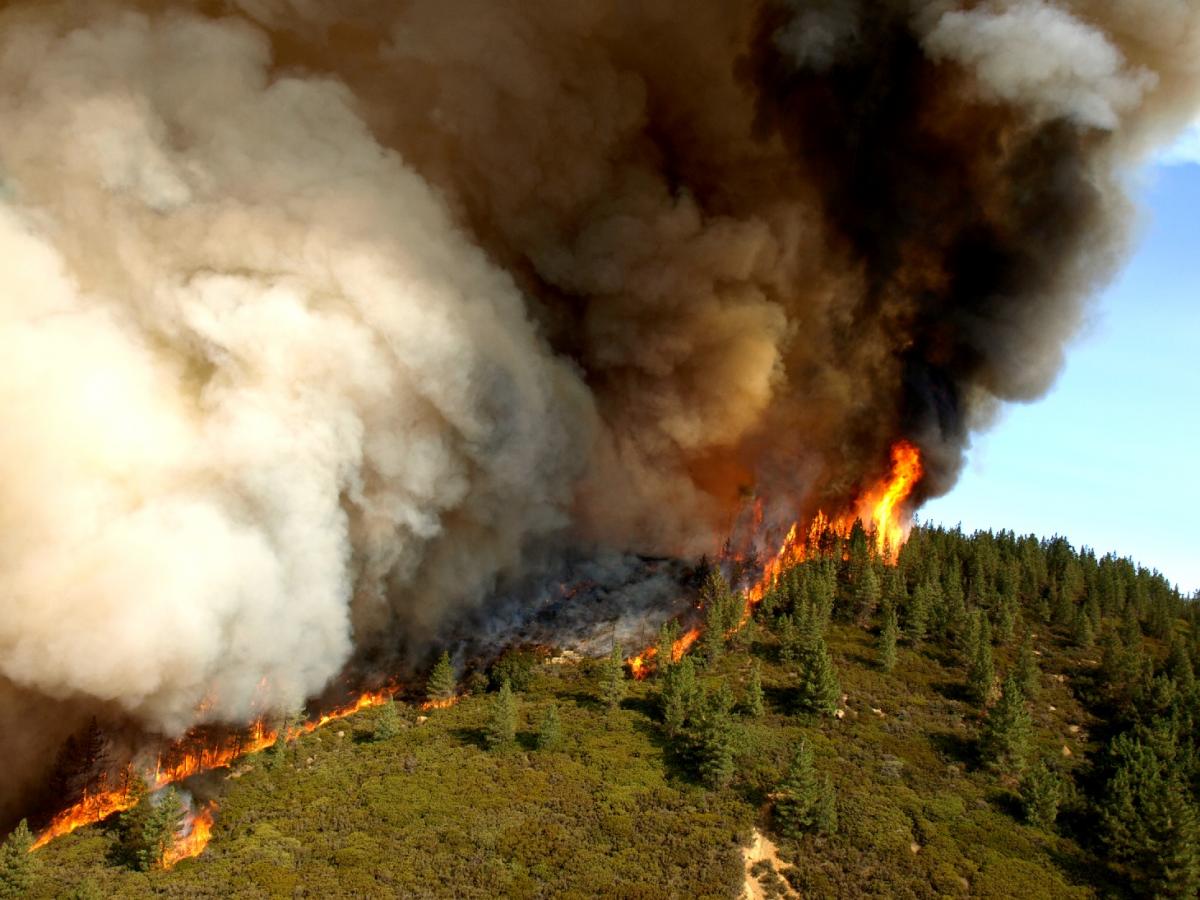
The origins of the August Complex Fire can be traced back to August 16, 2020, when a ferocious lightning storm unleashed thousands of strikes across California, igniting hundreds of small fires. Many of these initially small blazes, often in remote, rugged terrain, proved challenging to contain. In what would become the Mendocino National Forest, a cluster of these lightning-ignited fires began to grow and coalesce. Fanned by persistent strong winds and fueled by parched vegetation, which was the legacy of a prolonged drought and above-average temperatures, these individual fires rapidly expanded beyond initial containment efforts.
Over weeks, these separate incidents merged, forming a single, gargantuan complex fire that eventually encompassed portions of the Mendocino National Forest, Shasta-Trinity National Forest, and Six Rivers National Forest. The fire’s progression was relentless, pushing through various landscapes including dense conifer forests, oak woodlands, and chaparral, creating a massive, interconnected inferno that defied traditional firefighting strategies. The sheer scale and rapid expansion of the August Complex Fire overwhelmed resources, forcing a strategic shift from direct suppression to protecting communities and critical infrastructure, while the fire itself continued its destructive march across the wildlands.
Impact on Natural Landscapes: Forests, Wildlife, and Ecosystems
The impact of the August Complex Fire on California’s natural landmarks and ecosystems was profound and far-reaching. The fire swept through vast tracts of pristine forest, including old-growth stands that had stood for centuries. Many areas experienced high-severity burns, transforming lush green canopies into stark, skeletal landscapes of charred trees. This dramatic alteration of the physical environment has significant implications for the region’s biodiversity.
Forests are complex ecosystems, and high-severity fires can eradicate entire populations of plant species, alter soil composition, and destroy critical habitat for wildlife. Species such as the spotted owl, various native fish, and numerous small mammals and insects depend on specific forest structures and resources that were obliterated. The destruction of vegetation also leads to increased risks of erosion and landslides, particularly during subsequent rainy seasons, threatening waterways and potentially impacting distant communities. Rivers and streams, vital lifelines for aquatic species and human consumption, were often choked with ash and sediment, disrupting delicate ecological balances. While some fire is natural and beneficial for certain ecosystems, the extreme scale and intensity of the August Complex Fire represent a deviation from natural fire regimes, posing immense challenges for long-term ecological recovery and the preservation of California’s iconic natural landmarks.
A Historical Perspective: California’s Fiery Legacy
While the August Complex Fire holds the record for size, it is part of a broader, more alarming trend of increasing wildfire activity in California. The state has a long and complex history with fire, but the frequency and intensity of “megafires”—those burning over 100,000 acres—have grown exponentially in recent decades. Understanding this context is crucial to appreciating the significance of the 2020 fire season.
A History of Megafires: Precedents and Patterns
Prior to the August Complex Fire, other massive blazes had etched themselves into California’s collective memory. The Mendocino Complex Fire of 2018, previously the largest recorded at approximately 459,000 acres, demonstrated the potential for multiple fires to merge and create vast conflagrations. The SCU Lightning Complex and LNU Lightning Complex, also occurring in 2020, were other significant examples of lightning-ignited firestorms that quickly grew to immense proportions, devastating areas near the San Francisco Bay Area and further north. More recently, the Dixie Fire of 2021, driven by an equipment failure, became the second-largest in state history, burning nearly 964,000 acres and destroying the historic town of Greenville.
These events highlight a pattern: multiple ignition sources, often lightning, combined with extreme weather conditions—especially strong, dry winds and prolonged droughts—lead to rapid fire spread across landscapes increasingly primed to burn. Over a century of fire suppression, while protecting communities in the short term, has also contributed to a buildup of dense, flammable vegetation in many wildlands, creating a “fuel load” that, when ignited, burns with unprecedented intensity. This combination of factors has transformed California’s fire season into an annual, often devastating, ordeal, reshaping both its natural landmarks and the human communities nestled within them.
The Role of Climate Change and Human Factors
The accelerating trend of large, destructive fires is intrinsically linked to two major factors: climate change and human activity. Global warming has led to higher average temperatures in California, contributing to earlier snowmelt, prolonged drought conditions, and drier vegetation. These conditions extend the fire season, making it longer and more severe. Climate models predict that these trends will only intensify, suggesting that megafires could become a more regular feature of California’s landscape.
Human factors also play a critical role. While lightning sparks a significant percentage of large fires, human activities account for the vast majority of ignitions. Power lines, discarded cigarettes, campfires, vehicle malfunctions, and even arson contribute to countless fires each year. Furthermore, the expansion of the wildland-urban interface (WUI), where human development encroaches into natural areas, places more homes and lives at risk, making fire suppression efforts more complex and costly. The interplay of these natural and anthropogenic elements means that understanding California’s fire history and its impact on nature requires a holistic perspective, acknowledging both the forces of the natural world and the undeniable influence of human actions.
The Aftermath: Scars on the Landscape and the Path to Recovery
The immediate aftermath of a fire as vast as the August Complex Fire is one of stark devastation. Yet, even in the most severely burned areas, the resilience of nature eventually asserts itself. The process of recovery, however, is a long and complex one, revealing the interconnectedness of ecosystems and the enduring spirit of California’s wildlands.
Ecological Restoration: Nature’s Resilience and Human Intervention
Following the flames, the scarred landscapes of the Mendocino National Forest and surrounding areas begin their slow journey of ecological restoration. In some areas, lower-severity burns can actually benefit certain ecosystems, clearing out underbrush and promoting the growth of fire-adapted species. For instance, many native wildflowers and shrubs are pyrophylic, meaning their seeds require heat or smoke to germinate, leading to vibrant “fire follower” blooms in the spring after a fire.
However, in high-severity burn areas, the scale of destruction can be overwhelming. Forest managers and conservationists engage in extensive efforts to aid nature’s recovery. This includes erosion control measures, such as planting native grasses and strategically placing barriers to prevent soil runoff into critical watersheds like those feeding the Indian Valley Reservoir. Reforestation efforts involve planting millions of seedlings of native trees, though it can take decades, if not centuries, for a forest to return to its pre-fire state. These interventions are crucial for helping devastated areas regenerate, restoring habitat for wildlife, and preserving the long-term ecological integrity of these natural landmarks. The recovery process highlights the incredible resilience of nature but also underscores the necessity of human stewardship in the face of such large-scale disturbance.
Shifting Perceptions of California’s Wildlands
The recurring megafires have fundamentally altered how Californians and visitors perceive the state’s wildlands. Areas once seen as pristine and untouched are now understood through the lens of fire history and ecological vulnerability. The majestic forests, serene wilderness areas, and iconic natural landmarks like those found across California’s National Forests are increasingly viewed as dynamic landscapes shaped by fire, past, present, and future.
This shift in perception is leading to greater public awareness about forest health, the importance of prescribed burns, and the need for fire-adapted communities. It encourages a deeper appreciation for the complex interplay of forces that define these environments and a recognition that conservation efforts must actively manage for fire, rather than simply suppressing it. The scars on the landscape, though initially signs of tragedy, also become powerful visual reminders of nature’s cycles and the urgent need for sustainable land management practices.
Visiting Fire-Impacted Regions: A New Kind of Landmark
For those interested in California’s natural landmarks and its ecological history, visiting areas impacted by large fires offers a unique and often poignant experience. While some regions may be closed for safety or recovery, many eventually reopen, providing an opportunity to witness nature’s incredible resilience and the ongoing story of environmental change.
Observing Nature’s Recovery: Resilience in the Face of Devastation
Exploring areas affected by fires like the August Complex Fire can be an educational and deeply moving experience. Visitors might see the stark contrast between severely burned areas and patches that escaped the flames. They can observe the initial signs of regeneration—new shoots emerging from charred stumps, the vibrant green of groundcover beginning to colonize barren soil, and the return of wildlife. This firsthand observation of ecological succession underscores the adaptability of nature and the long-term processes of recovery.
These sites are not just places of past destruction but active laboratories of ecological restoration. They offer a tangible connection to the forces that shape our planet and the ongoing efforts to mitigate the impacts of climate change and human development. While not traditional tourist attractions, these landscapes, in their raw and recovering state, become powerful landmarks of environmental change and the enduring spirit of life.

Educational Opportunities and Awareness
Visiting fire-impacted areas also provides invaluable educational opportunities. Many parks and forests, once reopened, offer interpretive programs, signage, and ranger-led walks that explain the fire’s history, its ecological effects, and the science behind forest recovery. These resources help visitors understand complex topics like fire ecology, the role of climate change, and sustainable land management practices.
By engaging with these transformed landmarks, individuals can gain a deeper understanding of the challenges facing California’s wildlands and the importance of responsible outdoor recreation and conservation. It’s a chance to witness nature’s cycles up close and appreciate the delicate balance that sustains these ecosystems, fostering a greater sense of stewardship for one of California’s most vital natural resources: its majestic and ever-resilient landscapes. The August Complex Fire, while a tragic event, serves as a powerful reminder of this ongoing environmental narrative.
LifeOutOfTheBox is a participant in the Amazon Services LLC Associates Program, an affiliate advertising program designed to provide a means for sites to earn advertising fees by advertising and linking to Amazon.com. Amazon, the Amazon logo, AmazonSupply, and the AmazonSupply logo are trademarks of Amazon.com, Inc. or its affiliates. As an Amazon Associate we earn affiliate commissions from qualifying purchases.