
Navigating the rules and regulations of a new destination is a crucial aspect of any enjoyable travel experience. For visitors planning a road trip through the vast landscapes of Texas, or for those considering a move to the Lone Star State, understanding local vehicle laws is paramount. One of the most frequently asked questions pertains to the requirement of a front license plate. The straightforward answer is yes: a front license plate is generally required for most vehicles operated on public roadways in Texas. This seemingly small detail can have significant implications for travelers and residents alike, underscoring the importance of compliance to ensure a smooth and hassle-free journey.
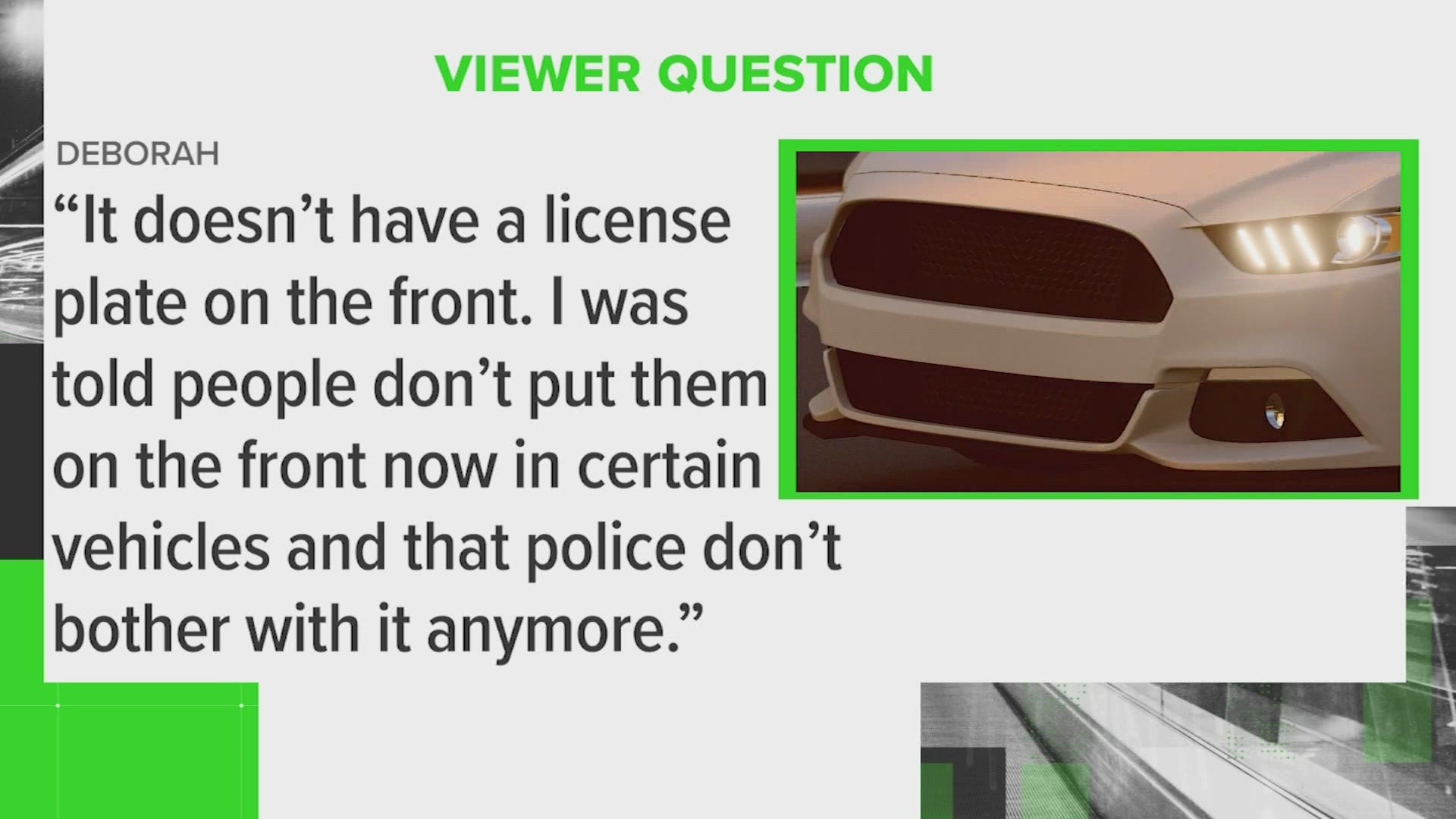
The requirement for two license plates, one affixed to the front and one to the rear of a vehicle, is a standard regulation in many parts of the United States. In Texas, this law is firmly in place and enforced. While some states have opted for a single rear plate system, Texas maintains its commitment to the dual-plate mandate. This comprehensive guide will delve into the specifics of this law, explore the reasons behind it, discuss the potential consequences of non-compliance, and offer practical advice for ensuring your vehicle meets state requirements, allowing you to focus on exploring the vibrant culture and diverse attractions Texas has to offer.
Understanding Texas Law on Vehicle Registration
The state of Texas has clear statutes governing vehicle registration and the display of license plates. These laws are designed to facilitate vehicle identification, enhance law enforcement capabilities, and contribute to public safety. For anyone operating a vehicle within state lines, familiarity with these regulations is not just advisable, but legally necessary.
The Two-Plate Requirement
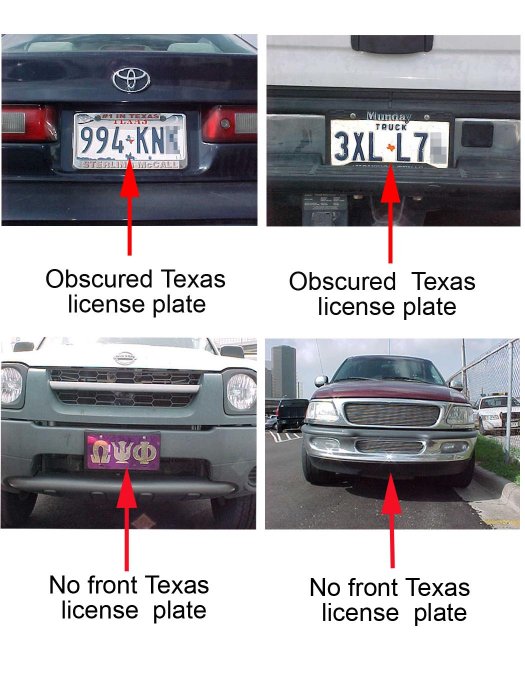
According to the Texas Transportation Code, specifically Section 504.943, vehicles are required to display two license plates, one at the front and one at the rear. The law specifies that “the owner of a passenger car or light truck shall display on the vehicle two license plates, one at the front and one at the rear.” These plates must be securely attached, clearly visible, and maintained in a condition that allows for easy readability. This means no obstructions from plate covers, tinted frames, or any other accessory that might obscure the characters or the registration stickers. The intent is to provide consistent and unambiguous identification for all vehicles on the road, whether they are cruising through the bustling streets of Houston, navigating the historic districts of San Antonio, or traversing the expansive highways connecting cities like Dallas and Austin.
The statutory language leaves little room for ambiguity, making it clear that the expectation is for both plates to be present. While occasional legislative discussions or proposals might arise regarding this requirement, as of the most recent updates, the dual-plate system remains firmly enshrined in Texas law. For tourists, this means that even if your home state only requires one plate, when you are driving in Texas, you are subject to Texas law.
Historical Context and Rationale
The requirement for front and rear license plates stems from several practical and historical considerations. Primarily, it significantly aids law enforcement in identifying vehicles. A front plate allows officers to identify a vehicle approaching or parked, even if the rear is obscured or facing away. This is particularly useful in scenarios involving amber alerts, stolen vehicles, or hit-and-run incidents where quick identification from any angle can be crucial. Moreover, the prevalence of automated systems, such as toll road cameras and red-light cameras, often relies on both front and rear plate visibility for accurate billing and enforcement. Many toll roads in Texas utilize overhead cameras that photograph front license plates to charge tolls. Without a front plate, these systems would be less effective, potentially leading to missed revenues and enforcement challenges.
Beyond law enforcement, two plates offer a layer of redundancy. Should one plate be damaged, obscured, or stolen, the other still provides a means of identification. This dual system has been a cornerstone of vehicle registration in Texas for decades, reflecting a long-standing commitment to public safety and efficient regulatory oversight.
Who Does This Law Apply To?
The Texas two-plate law applies broadly to most passenger cars and light trucks registered in the state. This includes privately owned vehicles, commercial vehicles, and typically, even new vehicles until permanent plates are issued. For out-of-state visitors, the rules can be a point of confusion. Generally, if your vehicle is legally registered in another state and that state only requires a single license plate, you are usually exempt from the Texas front plate requirement as long as you are merely passing through or visiting temporarily. However, this is a nuanced area, and enforcement can sometimes vary.
If you are a new resident moving to Texas and intend to register your vehicle in the state, you will be required to comply with the two-plate rule upon registration. The key distinction often lies in intent: temporary visitors from single-plate states are usually not targeted, but anyone establishing residency or registering their vehicle in Texas must adhere to the local statutes. It’s always best practice for anyone staying in the state for an extended period to confirm their status with the Texas Department of Motor Vehicles (DMV) or local authorities.
Implications of Non-Compliance for Travelers
For travelers and new residents unfamiliar with Texas law, operating a vehicle without a required front license plate can lead to unexpected and unwelcome encounters with law enforcement. Understanding these implications is vital for a stress-free visit or transition.
Potential Fines and Penalties
Driving without a required front license plate in Texas is typically considered a Class C misdemeanor. While it’s generally a minor offense, it can still result in a citation and a fine. The monetary penalty can vary, but it’s not uncommon for fines to range from around $200, potentially increasing with court fees and administrative costs. This seemingly small oversight can quickly add up, turning an enjoyable trip into a costly inconvenience. Unlike some more severe traffic violations, a missing front plate typically won’t lead to points on your driving record in Texas, but the financial hit and the time lost dealing with a traffic stop and subsequent court appearance can be significant. It’s a preventable expense that savvy travelers should aim to avoid.
Traffic Stops and Further Complications
The absence of a front license plate provides law enforcement with a legitimate reason to initiate a traffic stop. While the primary reason for the stop might be the missing plate, any traffic stop carries the potential for further scrutiny. Officers may check for other violations, such as expired registration, an invalid driver’s license, or even more serious infractions if there’s reasonable suspicion. What starts as a simple missing plate issue could potentially escalate into a more complicated legal situation. For instance, if an officer observes expired inspection stickers, discovers outstanding warrants, or detects signs of impairment, the initial stop for a missing plate could lead to more significant charges. This is why it’s always prudent to ensure your vehicle is fully compliant with all local laws when traveling, as a minor infraction can open the door to a broader investigation.

Rental Cars and Out-of-State Vehicles
Rental car companies operating in Texas are required to provide vehicles that comply with Texas law. Therefore, any rental car you pick up in Texas should already have both a front and rear license plate affixed. If, for any reason, a rental vehicle lacks a front plate, it is crucial to address this with the rental agency before driving off the lot. Failing to do so could leave you responsible for any citations received.
For travelers driving their own vehicles into Texas from out of state, the rule of thumb is generally reciprocity. If your vehicle is legally registered in a state that only requires one license plate, and you are merely visiting Texas temporarily, you are typically not expected to suddenly sprout a front plate. However, this is where the nuances of enforcement can come into play. Some officers might still pull you over for observation, requiring you to explain your out-of-state status. While such stops usually conclude without a citation once the situation is clarified, it remains a potential inconvenience. For those moving to Texas and planning to register their vehicle there, installing a front plate becomes a mandatory step in the registration process.
Exceptions and Misconceptions
While the two-plate rule is a general standard in Texas, certain exceptions and widespread misconceptions often lead to confusion. Clarifying these points is essential for a complete understanding of the law.
Are There Any Exemptions?
The primary exemptions to the two-plate rule in Texas are quite specific and do not apply to the vast majority of passenger cars and light trucks. Historically, some specialty vehicles or those with unique designs, where mounting a front plate would genuinely obstruct a critical feature (like an air intake on certain sports cars), have been a subject of debate. However, the law provides very few statutory exemptions for standard vehicles. One notable exception applies to motorcycles, which are only required to display a single rear license plate. Certain antique vehicles might also have different display requirements, though these are typically conditional upon specific classifications and limited use. Dealer plates also have their own set of rules, often involving temporary placements.
For the average driver, assuming an exemption based on vehicle design or aesthetic preference is a risky gamble. The law prioritizes clear identification over design considerations, and most vehicles are designed with provisions for a front plate mount, even if it’s a removable bracket. It’s always safer to err on the side of compliance unless you have clear, documented proof of an official exemption for your specific vehicle type from the Texas Department of Motor Vehicles.
Common Myths Debunked
Several myths and misunderstandings persist regarding the front license plate requirement in Texas, often leading drivers to believe they are exempt when they are not.
- “It’s rarely enforced.” While enforcement may vary by jurisdiction or individual officer, this is a dangerous assumption. Law enforcement agencies across Texas, particularly in major metropolitan areas like Austin, regularly issue citations for missing front plates. It’s an easy “probable cause” for a stop, and officers are within their rights to enforce it.
- “My car wasn’t designed for a front plate.” This is a common claim, especially among owners of certain luxury or performance vehicles. However, virtually all vehicles imported or sold in the [United States](https://United States) are required to have a provision for a front license plate, even if it’s a bracket that needs to be installed post-purchase. Aftermarket solutions exist for cars without pre-drilled holes, such as tow-hook mounts, ensuring compliance without permanent modification to the bumper.
- “I’m from a single-plate state, so I’m fine.” As discussed, temporary visitors are generally afforded some leniency, but this is not a blanket exemption. If you are stopped, you may still face questions or, in rare cases, a citation if the officer believes you are attempting to evade Texas law or have established residency. The safest approach for new residents is to get both plates as soon as possible.
- “A temporary paper plate counts as a front plate.” No, a temporary paper plate is typically displayed in the rear window or on the rear bumper. Until you receive your permanent metal plates, if your state requires two, you should ensure any temporary paper tags are displayed correctly according to your home state’s rules, but once you register in Texas, the metal plates will be required front and back.
Practical Advice for Ensuring Compliance in Texas
Ensuring your vehicle complies with Texas’s front license plate law is a straightforward process that can save you time, money, and unnecessary stress. A little preparation goes a long way, especially for those venturing into or settling in the Lone Star State.
Before You Travel
If you are planning to drive your own vehicle into Texas from another state, take a moment to understand the regulations of both your home state and Texas.
- Check your home state’s requirements: If your vehicle is registered in a state that only requires a single rear plate, ensure your registration is current and readily available. This documentation can be useful if you are stopped and need to explain why your vehicle lacks a front plate.
- Renting a vehicle? If you are flying into Texas and renting a car, verify with the rental agency that the vehicle will be equipped with both front and rear license plates as required by Texas law. Most reputable rental companies will automatically provide compliant vehicles, but a quick confirmation can offer peace of mind.
- Relocating to Texas? If you’re moving to Texas, make plans to obtain and install both front and rear plates as part of your vehicle registration process. The Texas Department of Motor Vehicles (DMV) website is an excellent resource for new resident information.
What to Do If Your Car Lacks a Front Plate Mount
For vehicles that do not have pre-drilled holes or a designated mounting area for a front license plate, several practical solutions are available:
- Dealer Assistance: If you purchased your vehicle new, the dealership should be able to install a front license plate bracket. This is usually a standard service, and they may even do it for free.
- Aftermarket Brackets: A wide array of aftermarket brackets are available. These range from simple adhesive mounts to more robust tow-hook mounted brackets that screw into the vehicle’s tow-hitch receiver, avoiding the need to drill into your bumper. These options are particularly popular for sports cars or luxury vehicles where owners want to preserve the aesthetic of the front fascia.
- Professional Installation: Many auto parts stores or mechanic shops can assist with the proper installation of a front license plate, ensuring it’s securely attached and legally compliant.
The key is to proactively seek a solution rather than hoping to evade detection. Investing a small amount of time and money in proper installation can save you considerably more in potential fines and inconveniences down the road.
Staying Informed
Laws and their interpretations can sometimes change, although the dual-plate requirement in Texas has been quite consistent. It’s always a good practice to consult official sources for the most current information. The Texas Department of Motor Vehicles (TxDMV) website is the definitive authority for vehicle registration and plate requirements. A quick search on their site or a call to their information line can provide up-to-date details on any specific exemptions or changes to the law that might affect your situation. Staying informed ensures that your travels through Texas, whether for leisure in San Antonio or business in Dallas, remain smooth and legally compliant.
In conclusion, for anyone driving in Texas, the expectation is clear: a front license plate is required for most vehicles. This regulation is a crucial component of vehicle identification and law enforcement efforts, contributing to overall public safety. By understanding the law, acknowledging the potential consequences of non-compliance, and taking proactive steps to ensure your vehicle is properly equipped, you can avoid unnecessary fines and enjoy a seamless journey through the diverse and welcoming landscapes of the Lone Star State.
LifeOutOfTheBox is a participant in the Amazon Services LLC Associates Program, an affiliate advertising program designed to provide a means for sites to earn advertising fees by advertising and linking to Amazon.com. Amazon, the Amazon logo, AmazonSupply, and the AmazonSupply logo are trademarks of Amazon.com, Inc. or its affiliates. As an Amazon Associate we earn affiliate commissions from qualifying purchases.