
Planning a trip often involves meticulous preparation, and understanding the local climate is paramount to ensuring a comfortable and enjoyable experience. When considering a visit to San Jose, California, deciphering its weather patterns is key to packing appropriately, scheduling activities, and ultimately, making the most of your journey. Nestled in the heart of the Santa Clara Valley, San Jose boasts a climate often lauded for its mild temperatures and abundant sunshine, a characteristic appeal that draws travelers year-round. However, like any destination, it has its seasonal nuances that savvy visitors should be aware of. This guide will delve into the specifics of San Jose’s weather, offering insights to help you tailor your travel plans for an optimal California adventure.
San Jose’s Mediterranean Climate: An Overview for Travelers
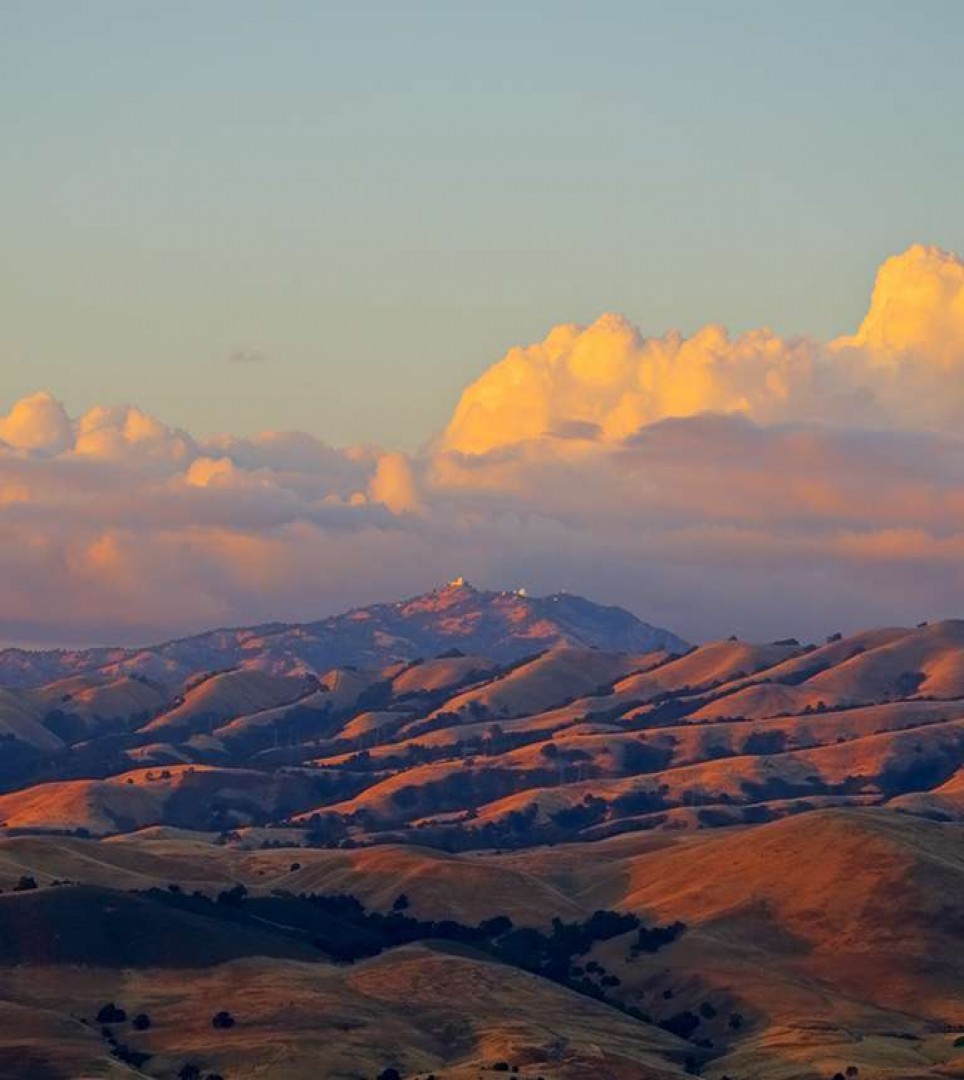
San Jose is blessed with a classic Mediterranean climate, characterized by warm, dry summers and mild, wet winters. This distinct pattern is influenced by its proximity to the Pacific Ocean, yet sheltered by the Santa Cruz Mountains to the west, which create a rain shadow effect and protect the valley from excessive coastal fog and humidity. This geographical advantage results in a uniquely comfortable climate that is often more moderate than other parts of the state.
Year-Round Mildness and Sunshine
One of the most appealing aspects of San Jose’s weather for travelers is the consistent mildness throughout much of the year. Extreme temperatures, both hot and cold, are relatively rare. Even during the peak of summer, while daytime temperatures can climb, the dry air often makes the heat feel less oppressive, and evenings almost always bring a welcome coolness. This allows for comfortable outdoor dining and evening strolls. Similarly, winters are generally mild, with frost being an infrequent occurrence and snow virtually unheard of in the valley floor. The generous amount of sunshine, averaging over 300 sunny days annually, contributes significantly to the city’s reputation as a pleasant place to visit, promoting a vibrant outdoor lifestyle and making it an excellent choice for those seeking a sun-drenched escape.
Distinct Dry and Wet Seasons
While overall mild, San Jose’s climate is distinctly divided into a dry season and a wet season. The dry season typically runs from May through October, characterized by virtually no rainfall and consistently clear skies. This period is ideal for outdoor activities, sightseeing, and enjoying the numerous parks and open spaces. The wet season, from November through April, brings the majority of the annual precipitation. While rain can be persistent during winter storms, it often comes in the form of moderate showers interspersed with sunny days. Travelers during this period should be prepared for rain but can also expect plenty of opportunities to explore under clear skies. This seasonal variability means that the landscape transforms from golden hues in summer to vibrant greens in winter and spring, offering different aesthetic experiences for visitors depending on their timing.
Seasonal Weather Breakdown for Travel Planning
Understanding the specific characteristics of each season in San Jose is crucial for travelers to plan their wardrobe, activities, and overall expectations. Each season offers a unique flavor of the city, from vibrant spring blooms to golden autumn days.
Spring (March – May): Blooming and Mild
Spring in San Jose is a delightful time to visit. Temperatures steadily rise from the cool winter averages, typically ranging from the low 50s°F (10-12°C) in the mornings to the high 60s°F or low 70s°F (20-22°C) in the afternoons. Rainfall decreases significantly as the season progresses, with March being wetter and May often feeling like an early summer. The landscape is lush and green, thanks to winter rains, and wildflowers often bloom in the surrounding hills.
- Travel Implications: This is an excellent time for hiking, exploring parks like Alum Rock Park, and enjoying outdoor festivals. Lighter layers, a waterproof jacket for early spring, and comfortable walking shoes are recommended. It’s an ideal season for photography and enjoying the natural beauty of the Santa Clara Valley before the summer heat.
Summer (June – August): Sunny and Dry
Summers are the hallmark of San Jose’s Mediterranean climate: hot, sunny, and exceptionally dry. Daytime temperatures typically range from the mid-70s°F to the high 80s°F (24-31°C), with occasional spikes into the 90s°F (32°C+) during heatwaves. Critically, humidity levels are very low, making even higher temperatures more tolerable than in humid climates. Nights consistently cool down, often dropping into the low 60s°F (16-18°C), offering a welcome respite from the daytime warmth. Rainfall is virtually non-existent during these months.
- Travel Implications: This is peak season for visitors seeking sunshine and outdoor activities. Consider visiting attractions like Happy Hollow Park & Zoo or attending a game at Levi’s Stadium. Light clothing, sun protection (hats, sunscreen, sunglasses), and plenty of hydration are essential. Evenings can be cool enough for a light jacket or sweater, so don’t pack exclusively summer wear. The dry heat makes shaded areas particularly appealing.
Autumn (September – November): Pleasant Transition
Autumn in San Jose is often considered one of the most pleasant times of the year. September and early October maintain summer-like warmth, with daytime temperatures in the 70s°F (21-26°C), but with a noticeable decrease in intensity. By November, temperatures typically settle into the 60s°F (15-20°C) during the day, and the first significant rains usually begin to arrive towards the end of the season. The air can feel crisp, and the quality of light is often stunning.
- Travel Implications: This period offers comfortable weather for exploring both indoor and outdoor attractions without the summer crowds. It’s perfect for visiting cultural sites like the Rosicrucian Egyptian Museum or enjoying a leisurely stroll down Santana Row. Layered clothing is ideal, as mornings can be cool, days pleasant, and evenings chilly. An umbrella might be useful for late autumn visits.
Winter (December – February): Cooler and Wetter
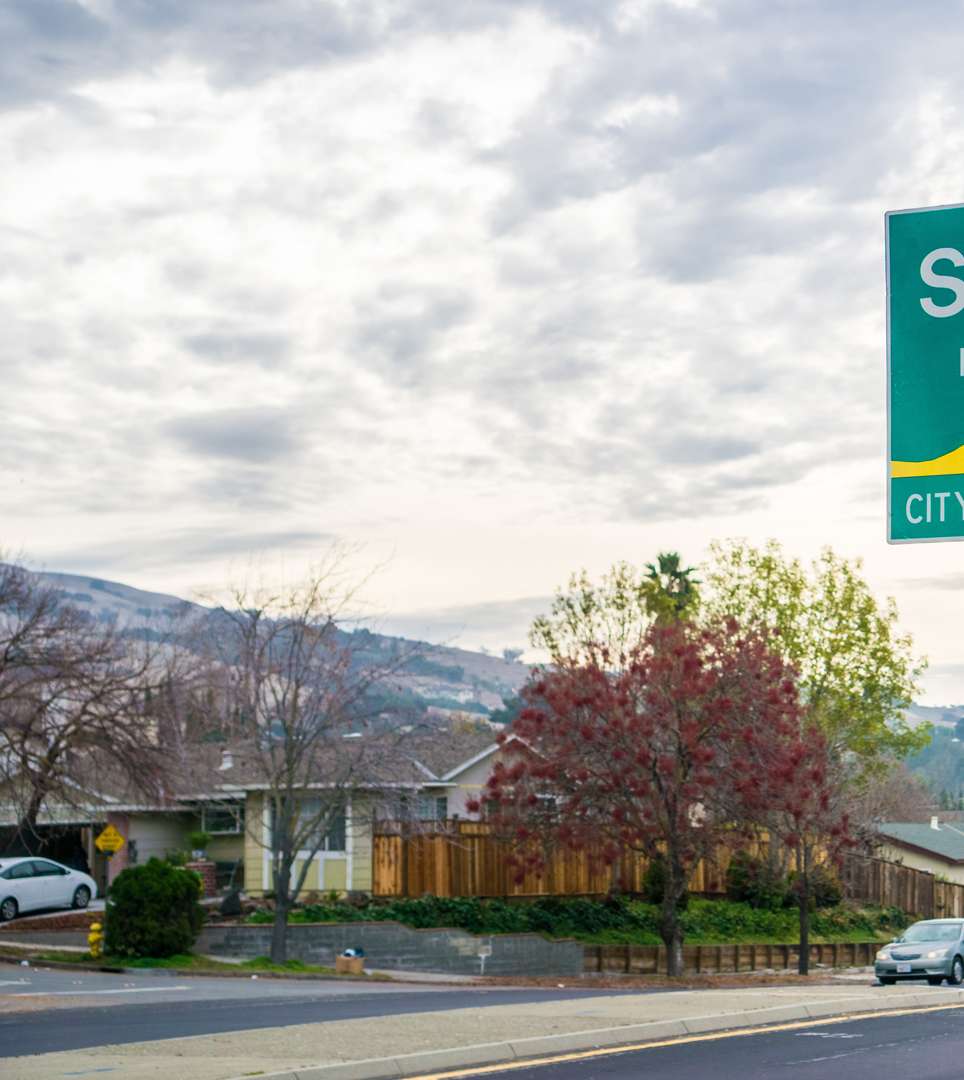
Winter is San Jose’s wet season, though it remains mild compared to many other regions. Daytime temperatures generally hover in the mid-50s°F to low 60s°F (12-17°C), with nights dropping into the 40s°F (4-9°C). While rain is more frequent, it often occurs in periodic storms rather than constant drizzle. There are still many clear, crisp days with brilliant sunshine, especially after a storm front passes through. Snow is extremely rare on the valley floor, though the peaks of the Santa Cruz Mountains or Mount Hamilton might see a dusting on occasion.
- Travel Implications: Travelers visiting during winter should be prepared for rain with a good waterproof jacket and umbrella. However, this is an excellent time for indoor attractions like the Children’s Discovery Museum of San Jose, the Winchester Mystery House, or The Tech Interactive. Hotels may offer lower rates, and popular spots are less crowded. Comfortable, warm layers are essential, especially for evenings.
Preparing for San Jose’s Climate: Essential Travel Tips
Regardless of the season, a few key travel tips can enhance your visit to San Jose, ensuring you’re well-prepared for its unique climate.
Packing Smart for Any Season
The key to packing for San Jose is versatility. Due to the significant temperature fluctuations between day and night, even in summer, layering is always recommended.
- Spring/Autumn: Think light jackets, sweaters, long-sleeved shirts, and t-shirts. A waterproof outer layer is wise for early spring and late autumn.
- Summer: Pack lightweight, breathable fabrics for daytime. Always include a light sweater or jacket for evenings. Sun protection (hat, sunglasses, sunscreen) is a must.
- Winter: Warmer layers, a waterproof and windproof jacket, and comfortable closed-toe shoes are advisable. Don’t forget an umbrella!
- Footwear: Comfortable walking shoes are essential year-round, as San Jose and its surrounding areas offer ample opportunities for walking and exploring.
Adapting Activities to the Weather
San Jose’s pleasant climate generally allows for a wide range of activities.
- Sunny Days: Ideal for exploring Downtown San Jose, visiting outdoor markets, hiking in nearby parks, or enjoying a picnic.
- Hot Days: Seek out air-conditioned museums, galleries, and shopping centers. Early morning or late afternoon are best for outdoor excursions.
- Rainy Days: Perfect for delving into the city’s rich indoor attractions like museums, performing arts venues, or enjoying a cozy meal at one of its many restaurants. Even on a rainy day, the city’s vibrant indoor scene ensures there’s no shortage of things to do.
Driving Conditions and Considerations
While San Jose’s weather is generally favorable for driving, there are a few considerations.
- Fog: Occasional dense fog can occur, particularly in winter mornings, reducing visibility. Drive cautiously and use low beam headlights.
- Rain: Winter rains can make roads slick. Allow extra stopping distance and avoid sudden maneuvers.
- Heat: During summer heatwaves, ensure your vehicle is in good condition, especially if planning longer drives through Silicon Valley or to neighboring cities like San Francisco or Oakland.
Optimal Times to Visit San Jose Based on Weather Preferences
Deciding the best time to visit San Jose largely depends on your personal preferences and the type of travel experience you seek. Each season presents its own unique advantages, catering to different interests.
For Outdoor Enthusiasts
If your primary goal is to enjoy hiking, cycling, and exploring the natural beauty of the Santa Clara Valley, then spring (March-May) and early autumn (September-October) are the absolute best times. During these months, temperatures are comfortably mild, skies are generally clear, and the landscape is either vibrantly green and blooming (spring) or bathed in the soft, golden light of harvest season (autumn). Summers can be excellent for outdoor activities too, provided you plan them for early mornings or late afternoons to avoid the peak heat.
For City Explorers and Cultural Immersion
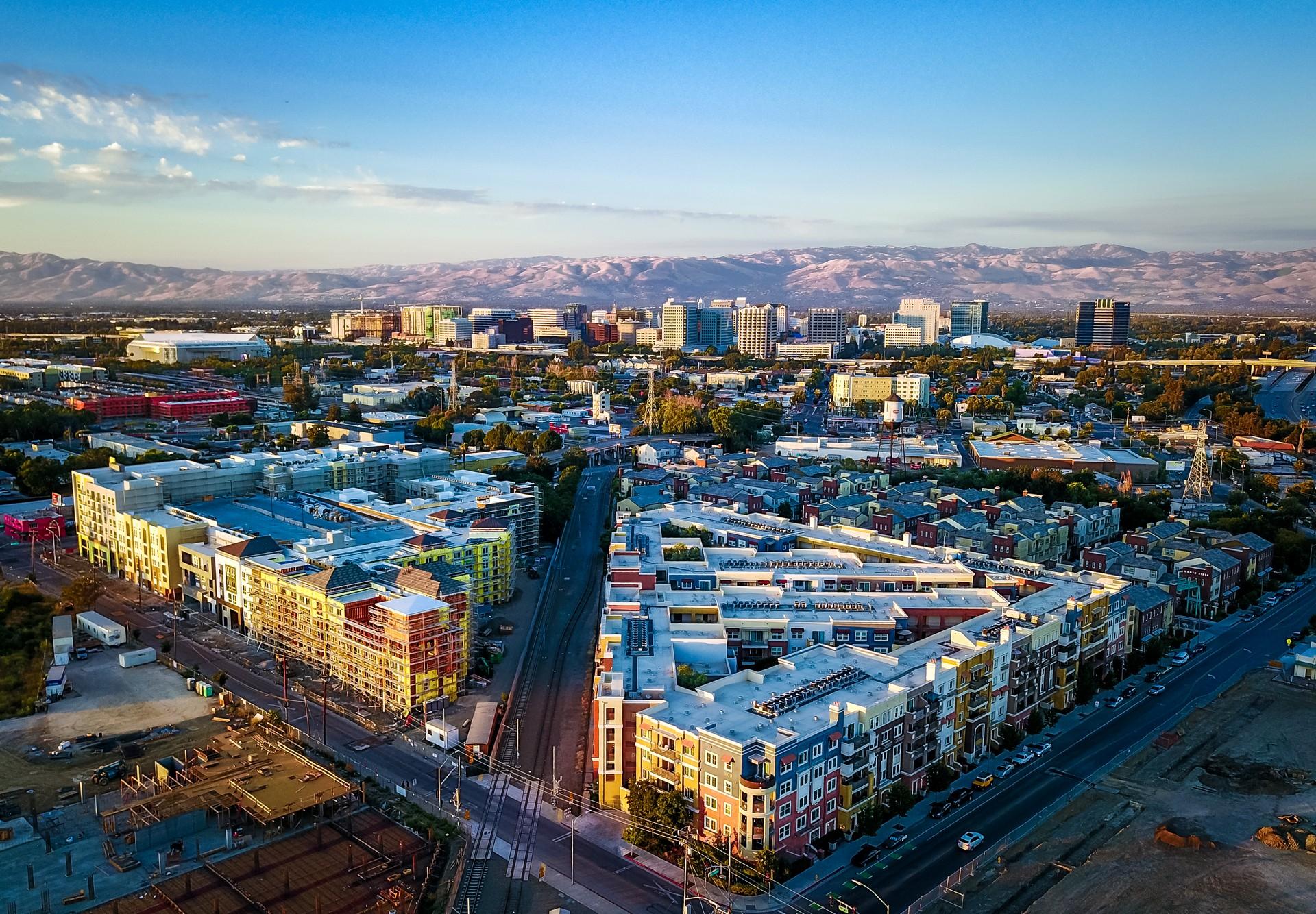
Travelers focused on urban exploration, visiting museums, dining, and experiencing the city’s cultural scene will find San Jose enjoyable year-round. The city’s indoor attractions are excellent regardless of the weather. However, for comfortable strolling through Downtown San Jose and enjoying outdoor patios, late spring, summer, and early autumn are ideal. Winter can offer a more intimate experience with fewer crowds at popular spots, perfect for those who don’t mind a little rain in exchange for cultural enrichment.
Avoiding Crowds and Extreme Weather
To avoid the largest crowds, particularly during summer vacation periods, consider visiting in late autumn (November) or winter (December-February). While these months bring more rain, they are generally less crowded, and the mild temperatures mean you can still enjoy many aspects of the city. If you want to avoid any potential for extreme heat, plan your visit outside of July and August. Conversely, if you dislike rain, the dry summer months are your best bet.
In conclusion, San Jose, California, offers a remarkably pleasant climate that makes it an attractive travel destination throughout the year. By understanding its Mediterranean patterns – the mild, sunny summers and cooler, wetter winters – travelers can strategically plan their visits, pack appropriately, and confidently engage with all the diverse attractions and experiences this dynamic city has to offer. Whether you’re seeking sun-drenched adventures or a cozy cultural retreat, San Jose’s weather is likely to contribute positively to your memorable journey.
LifeOutOfTheBox is a participant in the Amazon Services LLC Associates Program, an affiliate advertising program designed to provide a means for sites to earn advertising fees by advertising and linking to Amazon.com. Amazon, the Amazon logo, AmazonSupply, and the AmazonSupply logo are trademarks of Amazon.com, Inc. or its affiliates. As an Amazon Associate we earn affiliate commissions from qualifying purchases.