
Miami, often celebrated as a vibrant global hub, is far more than just its iconic beaches and art deco architecture. At its core, the city’s unique charm and dynamic energy are inextricably linked to its diverse and ever-evolving population. For anyone planning to visit or simply curious about what makes this Florida metropolis tick, understanding its demographic landscape is crucial. The population figures of Miami not only reveal its sheer scale but also shed light on its rich cultural tapestry, economic drivers, and the distinct local experiences awaiting tourists. This article delves into the intricacies of Miami’s population, exploring its size, diversity, growth patterns, and the profound impact these factors have on its identity as a premier tourism destination.

The Dynamic Demographics of Miami-Dade County
To truly grasp Miami’s population, one must consider it within the broader context of Miami-Dade County, which encompasses the city and many surrounding municipalities. This sprawling metropolitan area forms the heart of South Florida‘s urban expanse, acting as a gateway to the Caribbean and Latin America.
Current Population Snapshot
As of recent estimates, the City of Miami itself boasts a population of approximately 450,000 residents. However, this number dramatically expands when considering Miami-Dade County, which is home to nearly 2.7 million people. This distinction is vital for tourists, as many attractions, cultural centers, and distinct neighborhoods often associated with “Miami” actually lie outside the municipal city limits but within the county. For instance, the famous shores of South Beach are part of Miami Beach, a separate city within Miami-Dade County. Understanding this geographic reality helps tourists appreciate the scale of the area and plan their visits more effectively, anticipating the bustling environment that comes with such a large population concentration. The sheer number of residents translates into a vibrant, high-energy environment, which, while exciting, can also mean denser crowds at popular spots and more traffic on major thoroughfares.
Historical Growth and Trends
Miami’s population growth has been nothing short of explosive throughout its history. From a small town incorporated in 1896, it rapidly expanded through the 20th century, propelled by land booms, the advent of air conditioning, and its strategic location. Post-World War II, the region saw significant internal migration from other parts of the United States, particularly from the Northeast and Midwest, drawn by the warm climate and burgeoning economy.
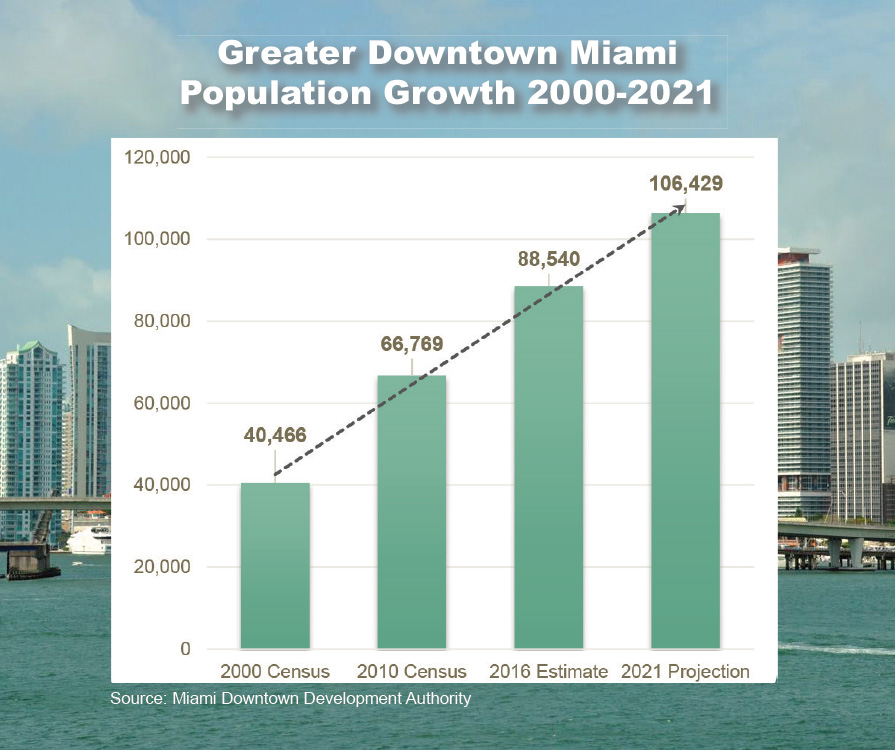
More recently, the 21st century has continued this trend of robust growth. The county’s population has consistently increased year over year, cementing its status as one of the largest and fastest-growing metropolitan areas in the U.S.. This sustained influx of people has profound implications for tourism, as it means a constantly expanding pool of workers in the hospitality sector, an ever-evolving food scene, and continuous development of new attractions and infrastructure, such as the expansion of Miami International Airport or new public transportation initiatives.
Factors Driving Population Change
Several key factors contribute to Miami’s enduring population growth. First and foremost is net migration, encompassing both domestic and international arrivals. Miami’s allure as a sunny, tax-friendly state continues to draw Americans seeking a change of pace or retirement. Internationally, its position as a cultural and economic bridge between the Americas makes it a primary destination for immigrants from Latin America and the Caribbean, as well as significant investment from Europe and beyond. This consistent inward migration directly enriches the tourism experience, providing a truly global array of culinary options, festivals, and cultural events.
Economic opportunities, particularly in finance, international trade, technology, and, crucially, tourism, also serve as powerful magnets. The thriving job market in these sectors attracts a young, ambitious demographic. Finally, Miami’s climate and lifestyle, characterized by outdoor activities, beaches, and a vibrant nightlife, remain perennial draws, contributing to a high quality of life that retains residents and attracts new ones. For tourists, this means a city designed for enjoyment, with extensive recreational facilities and a pervasive “vacation” atmosphere that is infectious.
Understanding Miami’s Diverse Cultural Tapestry
Perhaps the most defining characteristic of Miami’s population is its unparalleled diversity. This melting pot of cultures is not merely a demographic statistic; it is the very essence of the city’s identity, influencing every aspect of local life and making it an extraordinarily rich destination for tourists seeking authentic cultural immersion.
Ethnic and Linguistic Diversity
Miami is famously a majority-minority city, with a significant Hispanic population that has profoundly shaped its character. While Cuban Americans form a historically prominent group, the city is home to vibrant communities from nearly every Latin American country, including large populations of Colombians, Venezuelans, Nicaraguans, and Brazilians. Beyond Latin America, there are also significant populations of Haitian, Jamaican, and other Caribbean communities, as well as European, Asian, and African American populations, each contributing to the city’s rich mosaic.
This incredible ethnic diversity is mirrored in its linguistic landscape. While English is the official language, Spanish is widely spoken and heard throughout Miami, often serving as the primary language in many neighborhoods and businesses. Creole, Portuguese, and other languages also thrive. For tourists, this means an immersive experience where different languages, accents, and customs coexist harmoniously, offering a glimpse into multiple cultures without ever leaving the city limits. It also means that navigating the city, even without speaking Spanish, is generally easy, but an awareness of the multilingual environment enhances the experience.
Impact on Local Culture and Tourism
The demographic makeup of Miami directly fuels its distinctive local culture, creating a unique fusion that is a major draw for tourists. This is most evident in the city’s culinary scene, which is an explosion of global flavors. From authentic Cuban sandwiches in Little Havana to gourmet Peruvian ceviche in Brickell or Haitian specialties in Little Haiti, food becomes a journey across continents.
Beyond food, the cultural impact extends to music, art, and festivals. Live salsa bands are commonplace, art galleries in Wynwood showcase international talent, and annual events like Carnaval Miami or the Calle Ocho Music Festival celebrate the city’s Hispanic heritage with unparalleled zest. Tourists can find themselves immersed in a vibrant street party, exploring a traditional Cuban cigar factory, or dancing to the rhythms of the Caribbean – experiences directly shaped by the population’s origins. This cultural richness ensures that a trip to Miami is not just a beach holiday but a profound engagement with a living, breathing multicultural community.
The Role of Immigration
Immigration has been, and continues to be, the bedrock of Miami’s population growth and cultural evolution. Waves of immigrants and refugees, particularly from Cuba starting in the 1960s, and later from other politically and economically unstable Latin American countries, have transformed the city. These newcomers have not only brought their traditions but also their entrepreneurial spirit, contributing significantly to Miami’s economic dynamism and job creation, including within the vast tourism and hospitality sectors.
For tourists, this constant influx of new ideas and energy translates into a city that is perpetually reinventing itself while honoring its roots. It means discovering new neighborhoods with distinct characters, finding innovative restaurants, and encountering a population that is largely welcoming and accustomed to diverse backgrounds, including international visitors. The entrepreneurial drive of its immigrant communities has also led to a highly service-oriented economy, beneficial for tourism, with a keen understanding of international clientele.
Population Density and Urban Development
The growth of Miami’s population naturally leads to increased density and significant urban development, particularly within the city proper and its immediate surroundings. This concentration of people shapes the city’s physical form and impacts the daily lives of residents and visitors alike.
Miami as a Major Metropolitan Hub
As the population swells, Miami increasingly functions as a major metropolitan hub, not just for Florida but for the southeastern United States and the wider Americas. This status brings with it the characteristics of any large city: a sprawling skyline, extensive commercial districts, and a complex network of transportation. The high population density in core areas like Downtown Miami and Brickell signifies a bustling urban environment, distinct from the more relaxed, sprawling suburbs.
For tourists, this means access to world-class amenities and services. The concentration of people supports a plethora of hotels, restaurants, shopping centers like Bayside Marketplace, and entertainment venues, ensuring a wide range of options for every preference and budget. However, it also implies an urban experience that can be crowded, especially during peak tourist seasons or major events, and requires navigation through busy streets and public spaces.

Implications for Infrastructure and Services
A growing population places immense demands on a city’s infrastructure and public services. Miami has been actively investing in expanding its transportation networks, including the Metromover (an elevated transit system that is free and popular with tourists) and Metrorail, as well as enhancing road capacities. However, traffic congestion remains a significant challenge, especially during rush hours, which tourists need to factor into their travel plans. The prevalence of ride-sharing services and taxis helps mitigate this, but understanding the city’s density helps set realistic expectations for travel times.
Furthermore, the growing population supports a robust hospitality industry, with a constant need for new hotels, resorts, and vacation rentals. This directly benefits tourists by providing a competitive market with diverse accommodation choices, from luxury high-rises in Brickell to boutique hotels in South Beach. The demand for services also means a wide array of leisure activities, from water sports operators to tour guides, all catering to a large and diverse customer base.
Growth of Neighborhoods and Districts
Population growth isn’t uniformly distributed; it often leads to the development and revitalization of specific neighborhoods, each carving out its own identity. Areas like Brickell have transformed into a dense financial and residential hub, teeming with young professionals and high-rise condominiums. Wynwood has blossomed from an industrial district into an arts and entertainment mecca, attracting a creative and trendy demographic. Meanwhile, traditional enclaves like Little Havana maintain their cultural roots while adapting to new waves of residents and visitors.
For tourists, these distinct neighborhoods offer specialized experiences. Exploring Brickell provides a glimpse into Miami’s modern, upscale urban living, while Wynwood offers an edgy, artistic vibe. Little Havana promises an authentic taste of Cuban culture. This mosaic of districts, each shaped by its resident population, allows tourists to tailor their Miami experience, moving from tranquil beach relaxation to bustling urban exploration and deep cultural dives, all within the same metropolitan area.
Economic Drivers and Population Distribution
Miami’s population size and demographic characteristics are closely intertwined with its economic landscape, which in turn significantly influences its appeal and offerings as a tourist destination. The city’s economic vitality is a magnet for residents and contributes directly to the infrastructure and services enjoyed by visitors.
Tourism’s Influence on Population
Paradoxically, while the population drives many aspects of tourism, tourism itself is a major economic engine that attracts and sustains a significant portion of Miami’s workforce. The hospitality industry, encompassing hotels, restaurants, entertainment venues, and tour operators, employs hundreds of thousands of people across Miami-Dade County. This creates a demand for both skilled and unskilled labor, drawing individuals from all walks of life and all corners of the globe.
Seasonal workers are also a key component of Miami’s population, especially during the peak winter months, when the influx of visitors necessitates a larger temporary workforce to maintain service levels. This dynamic ensures that tourists generally find ample staff and a high standard of service, despite the massive numbers of visitors. The direct economic benefit generated by tourism also funds public amenities and infrastructure improvements that enhance the visitor experience, from well-maintained parks to accessible beaches.
Financial and Tech Sectors Attracting Residents
Beyond tourism, Miami has emerged as a crucial hub for finance and technology, particularly in recent years. The absence of state income tax, coupled with a strategic location and a pro-business environment, has attracted numerous financial firms, investment funds, and tech startups, often relocating from more expensive or heavily regulated northern cities. This influx of high-paying jobs has drawn a new demographic of professionals, contributing to the city’s overall affluence and expanding its consumer base.
For tourists, the growth of these sectors means a more sophisticated and diverse urban environment. It has spurred the development of upscale dining, luxury retail, and cutting-edge entertainment options, particularly in areas like Brickell and Downtown Miami. This blend of traditional leisure tourism with a thriving business scene creates a cosmopolitan atmosphere, offering a wide array of activities that cater to both vacationers and business travelers, adding layers of sophistication to Miami’s appeal.
Housing Market and Affordability Challenges
The robust population growth and economic prosperity have, however, also created significant pressures on Miami’s housing market. Demand often outstrips supply, leading to rapidly increasing housing costs and challenges with affordability for many residents. This impacts where people can live and work, influencing the demographic makeup of different neighborhoods.
While this might seem distant from a tourist’s immediate concerns, it indirectly affects the tourism ecosystem. High cost of living for service industry workers can lead to staffing challenges, or influence pricing structures for goods and services. Understanding these underlying economic pressures provides a more complete picture of the city’s complexities and its ongoing efforts to balance growth with sustainability, ensuring it remains an attractive destination for both residents and visitors.
Looking Ahead: Future Population Projections and Tourism Implications
As Miami continues its trajectory as a global city, understanding future population projections is essential for sustainable planning, particularly within the tourism sector. The city’s future demographics will undoubtedly shape the visitor experience in the decades to come.
Expected Growth Trajectories
Projections indicate that Miami-Dade County’s population will continue to grow steadily in the coming years, potentially reaching over 3 million residents by the mid-21st century. This growth will likely be driven by the same factors that have fueled its expansion: domestic migration, international immigration, and economic opportunity. The challenge will be accommodating this growth in a region constrained by its unique geography, including the Everglades to the west and the ocean to the east.
For tourism, sustained population growth suggests an ever-expanding market of potential employees, a continuously diversifying cultural landscape, and ongoing development of new attractions and infrastructure. It also implies a future of increasing density, requiring innovative solutions for transportation and public spaces to maintain quality of life for residents and visitors alike.
Challenges and Opportunities for Sustainable Tourism
The burgeoning population presents both challenges and opportunities for sustainable tourism. Increased numbers of people naturally place more strain on natural resources, infrastructure, and the environment. Issues like traffic congestion, waste management, and the protection of sensitive ecosystems, such as the Florida Keys and its coral reefs, become even more critical. Sustainable tourism initiatives will be paramount to ensure that Miami remains an attractive destination without compromising its unique natural beauty and cultural integrity.
However, growth also brings opportunities. A larger, more diverse population can foster greater innovation in tourism products and services. It can support a richer array of niche tourism markets, from eco-tourism focused on the Everglades to cultural heritage tours exploring specific ethnic enclaves. Investment in green infrastructure, public transportation, and community-based tourism can create more resilient and authentic experiences for visitors, ensuring that Miami continues to thrive as a leading global destination.
Adapting to a Changing Demographic Landscape
As Miami’s population evolves, so too will its demographic landscape. A younger, increasingly international populace, combined with a growing aging population, will create diverse demands on the city. The tourism sector will need to adapt to these shifts, tailoring experiences and marketing efforts to appeal to a broader range of visitors. This could involve developing more family-friendly attractions, expanding accessible tourism options, or further specializing cultural offerings.
Ultimately, understanding what Miami’s population is – a vibrant, growing, and incredibly diverse collection of individuals – provides the fundamental context for appreciating the city’s unique local culture, its dynamic activities, and the essential tips for navigating its bustling environment. The numbers tell a story of a city constantly in motion, where every new resident adds another thread to its already rich and engaging tapestry, making Miami an endlessly fascinating place to visit and experience.
LifeOutOfTheBox is a participant in the Amazon Services LLC Associates Program, an affiliate advertising program designed to provide a means for sites to earn advertising fees by advertising and linking to Amazon.com. Amazon, the Amazon logo, AmazonSupply, and the AmazonSupply logo are trademarks of Amazon.com, Inc. or its affiliates. As an Amazon Associate we earn affiliate commissions from qualifying purchases.