
California, the Golden State, is renowned not only for its iconic landmarks and vibrant culture but also for its incredibly diverse climate. From sun-drenched beaches to snow-capped mountains and scorching deserts, the weather across California is a complex tapestry, making it essential for any traveler to understand before embarking on their journey. Planning a trip without considering the regional and seasonal variations in weather can lead to unexpected challenges or missed opportunities. This guide delves into the nuances of California’s climate, offering insights to help you craft the perfect itinerary, pack appropriately, and truly maximize your travel experiences in this magnificent state. Whether you’re chasing waves, scaling peaks, or exploring urban landscapes, understanding the local weather will be your most valuable travel companion.
A Tapestry of Climates: Understanding California’s Diversity
California’s immense geographical spread and varied topography create a fascinating array of microclimates, making a single “weather report” for the entire state impossible. From the Pacific coastline to the towering Sierra Nevada mountains and the vast desert expanses, each region offers a distinct atmospheric experience, profoundly influencing travel plans and activities.
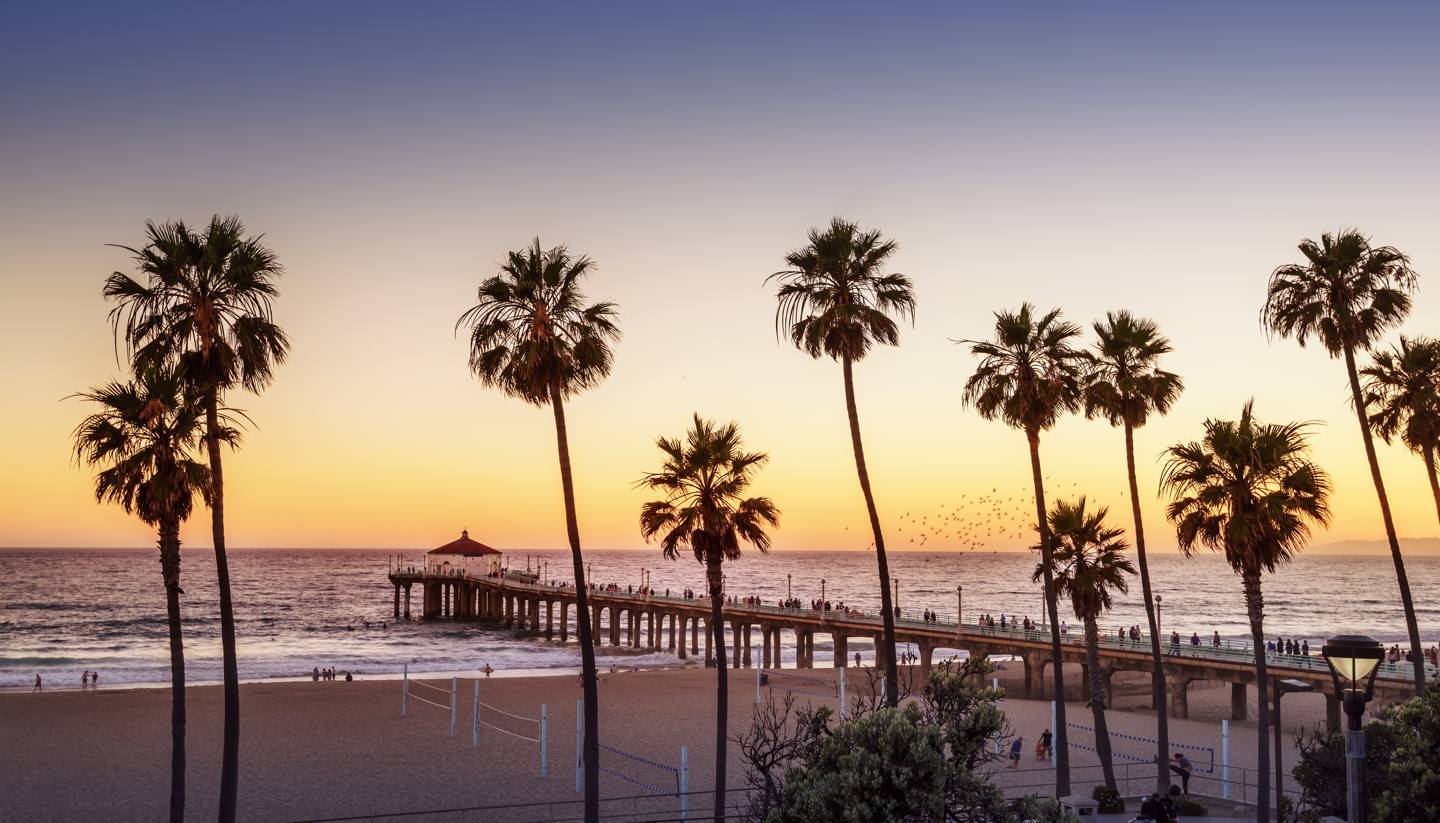
Mediterranean Charm: Coastal California
The extensive California coastline, stretching for over 800 miles, enjoys a largely Mediterranean climate characterized by warm, dry summers and mild, wet winters. This is the climate zone most travelers envision when they think of California.
Cities like San Diego and Los Angeles in Southern California boast abundant sunshine year-round, with average summer temperatures ranging from the mid-60s to mid-80s Fahrenheit (18-29°C). Winters are mild, typically staying in the 50s and 60s (10-18°C), with occasional rain showers. Travel implications here are generally positive: beach days are common from late spring through early fall, and outdoor activities like hiking, cycling, and city exploration are enjoyable almost any time of the year. However, summer mornings can often bring a phenomenon known as “June Gloom” or “May Gray,” where coastal areas are shrouded in fog until it burns off later in the day.
Further north, San Francisco presents a slightly cooler, foggier version of the Mediterranean climate. Famous for its persistent summer fog, which keeps temperatures surprisingly mild (often in the 60s °F or 15-20°C) even when inland areas are sweltering, San Francisco requires layering, even in August. Winters are cool and damp, with more significant rainfall than Southern California. For travelers, this means always carrying a light jacket or sweater, regardless of the season, and being prepared for brisk winds. The iconic fog adds to the city’s mystique but can limit views of the Golden Gate Bridge on some days.
Arid Extremes: Deserts and Interior Valleys
Venturing inland, particularly to the southeastern parts of the state, reveals California’s stark desert climates. Regions like Death Valley and Palm Springs are defined by extreme heat during summer and mild, pleasant winters. Death Valley holds the record for the hottest air temperature ever recorded on Earth, regularly exceeding 120°F (49°C) in July and August. Traveling to these areas in summer requires careful planning, with a strong emphasis on hydration, early morning activities, and avoiding prolonged sun exposure.
Palm Springs, a popular resort destination, experiences similar summer highs but offers a luxurious escape with air-conditioned accommodations and pools. Winters in the desert, however, are delightful, with daily highs in the 70s and 80s (21-29°C) and cool, clear nights, making it an ideal destination for golf, hiking, and outdoor relaxation from October to April.
The Central Valley, a vast agricultural heartland stretching for hundreds of miles, experiences very hot, dry summers, often reaching 100°F (38°C) or higher. Winters are mild but can be prone to dense fog (Tule fog), which can significantly impact visibility and travel plans on roads. For most tourists, the Central Valley is a transit zone, but understanding its climate is crucial if you plan to drive through it.
Alpine Wonders: The Sierra Nevada
Dominating much of eastern California are the majestic Sierra Nevada mountains, home to national treasures like Yosemite National Park and recreational havens like Lake Tahoe and Mammoth Lakes. This region showcases a classic alpine climate with cold, snowy winters and mild to warm, dry summers.
Winter brings heavy snowfall, transforming the landscape into a skier’s paradise. Ski resorts around Lake Tahoe and Mammoth Lakes operate from roughly November to April or even later, depending on snowpack. Travelers during this season must be prepared for snow-covered roads, potential chain requirements for tires, and very cold temperatures, especially at higher elevations.
Summers in the Sierra Nevada are glorious, with warm days, cool nights, and abundant sunshine, making it perfect for hiking, backpacking, rock climbing, and water sports on lakes. Daytime temperatures typically range from the 70s to low 80s (21-28°C) at lower elevations (like Yosemite Valley), but can drop significantly at higher altitudes. Thunderstorms are common in the late afternoon during summer. Spring and fall offer shoulder-season advantages, with melting snow creating spectacular waterfalls in spring and vibrant fall foliage in October, though some high-altitude roads might still be closed in early spring or become inaccessible by late fall.
Seasonal Travel in California: What to Expect When
The timing of your visit to California dramatically influences the types of experiences available and the weather you’ll encounter. Each season offers unique advantages and considerations for travelers.
Spring (March – May): Bloom and Mildness
Spring in California is a season of renewal and moderate temperatures, making it an ideal time for diverse travel. Along the coast, temperatures are pleasantly mild (60s-70s °F / 15-25°C), perfect for exploring cities like San Francisco and Los Angeles without the summer crowds or intense heat. Southern California deserts, such as Anza-Borrego Desert State Park or Joshua Tree National Park, come alive with spectacular wildflower blooms, and temperatures are still comfortable for hiking. In the Sierra Nevada, snowmelt swells rivers and creates powerful waterfalls in Yosemite National Park, though higher elevation trails and roads may still be closed until late spring. Spring offers a balance of pleasant weather and fewer tourists compared to peak summer.
Summer (June – August): Sun-Drenched Adventures

Summer is peak travel season in California, synonymous with sunshine and outdoor activities. Coastal areas are bustling with beachgoers enjoying warm temperatures (70s-80s °F / 21-29°C), though northern coastal cities like San Francisco can still be cool and foggy. The deserts are extremely hot, making travel there less advisable unless you plan to stay indoors or visit early mornings/evenings. The mountains are at their best, with all trails and scenic drives typically open, offering perfect conditions for hiking, camping, and enjoying national parks. However, be prepared for crowds and higher prices, especially in popular destinations like Yosemite or Lake Tahoe. Booking accommodations and activities well in advance is essential.
Fall (September – November): Golden Hues and Perfect Conditions
Many consider fall the absolute best time to visit California. The intense summer heat begins to subside, leading to glorious weather across most regions. Coastal temperatures remain warm and pleasant (60s-70s °F / 15-25°C), often with less fog than summer, making September and October ideal for beach visits and city exploration. California’s wine country, including Napa Valley and Sonoma, is vibrant with harvest activities and beautiful fall foliage. In the Sierra Nevada, the aspens turn brilliant shades of gold and red, creating stunning scenic drives and hiking opportunities. Desert temperatures cool to comfortable levels, perfect for exploring. Crowds also start to thin out after Labor Day, offering a more relaxed travel experience.
Winter (December – February): Snow Sports and Cozy Escapes
California winters bring a distinct change. The Sierra Nevada transforms into a winter wonderland, offering world-class skiing, snowboarding, and other snow sports at resorts like Mammoth Lakes and around Lake Tahoe. Along the coast, temperatures are mild (50s-60s °F / 10-18°C) but wetter, with occasional rainstorms. While beach days are less common, winter offers excellent opportunities for whale watching as grey whales migrate along the coast. The deserts become wonderfully mild and sunny, providing a warm escape from colder climates. Cities like San Francisco and Los Angeles are less crowded, making it a good time for museum visits, indoor attractions, and enjoying holiday festivities.
Preparing for California’s Varied Forecasts: A Traveler’s Guide
Successfully navigating California’s diverse climates requires strategic packing and an awareness of regional specificities. Being prepared ensures comfort and allows for spontaneous changes in plans as you explore.
Packing Essentials for Every Region
Given the vast climate differences, versatile packing is key. Layering is paramount, especially when moving between different regions or even within the same day. For coastal areas, even in summer, a light jacket or sweater is often needed for evenings or foggy mornings. For the deserts, lightweight, breathable clothing, a wide-brimmed hat, sunglasses, and high-SPF sunscreen are non-negotiable. In the mountains, depend on the season: winter demands waterproof, insulated clothing, snow boots, and gear, while summer requires hiking boots, breathable layers, and rain gear for potential afternoon storms. Always include a reusable water bottle, as hydration is crucial across all California climates.
Navigating Microclimates and Sudden Changes
California is famous for its microclimates, where conditions can change dramatically over short distances. For example, a sunny day in downtown Los Angeles can quickly turn cool and foggy just a few miles west in Santa Monica. Similarly, ascending into the mountains can drop temperatures by 20 degrees Fahrenheit or more, even within an hour’s drive. Always check the specific, localized weather forecast for your immediate destination, not just the broader region. Websites and apps that provide hourly forecasts are particularly useful. Be mindful of elevation: the higher you go, the cooler it gets, and the more susceptible you are to sudden weather shifts.
Best Times for Specific Activities
- Beaches & Surfing: Late spring to early fall offers the warmest water and most consistent sunshine, especially in Southern California.
- National Parks (Hiking/Camping): Summer and early fall are ideal for high-elevation parks like Yosemite, Sequoia, and Kings Canyon. Spring and fall are best for desert parks like Joshua Tree and Death Valley to avoid extreme heat.
- Wine Tasting: Late summer and fall during harvest season offer a vibrant atmosphere, but spring and early summer are also pleasant with fewer crowds.
- Skiing/Snowboarding: Typically from November/December through April/May in the Sierra Nevada range, depending on snowfall.
- City Exploration: Spring and fall provide the most comfortable temperatures for walking and sightseeing in urban centers.
Travel Experiences Shaped by California’s Climate
California’s diverse weather patterns don’t just dictate what to wear; they fundamentally shape the types of travel experiences available, creating distinct adventures across the state.
Coastal Escapes: Year-Round Allure
The moderate coastal climate ensures that California’s shores are a draw throughout the year. Summers are for classic beach days, swimming, and sunbathing. Fall offers warmer ocean temperatures and less fog, perfect for surfing or paddleboarding. Even in winter, the coast provides opportunities for invigorating walks, dramatic storm watching, and crucial whale watching excursions as grey whales migrate south. Scenic drives like Highway 1 offer breathtaking views of the Pacific Ocean in almost any season, though rain can occasionally impede views in winter. Cities like San Diego, Los Angeles, and San Francisco thrive on their coastal proximity, offering outdoor dining, pier strolls, and vibrant beachfront communities.
Mountain Adventures: From Snow to Summit
The Sierra Nevada is a playground for both winter sports enthusiasts and summer adventurers. Its heavy winter snowfall makes it one of the premier skiing and snowboarding destinations in North America, with resorts offering slopes for all skill levels. Beyond the slopes, winter allows for snowshoeing, cross-country skiing, and cozy cabin retreats. Once the snow melts, typically from late spring through fall, the mountains transform into a hiker’s paradise. Destinations like Yosemite National Park and Lake Tahoe become centers for backpacking, rock climbing, fishing, and boating. The crisp mountain air and stunning vistas are a refreshing contrast to the coastal bustle, offering an entirely different dimension to a California trip.
Desert Discoveries: Unique Landscapes and Stargazing
California’s deserts, though often overlooked, offer some of the state’s most unique and ethereal travel experiences, largely dictated by the extreme climate. Visiting in the cooler months (fall through spring) is paramount. This is the time for hiking among the distinctive Joshua Trees, exploring geological formations in Anza-Borrego Desert State Park, or experiencing the surreal landscapes of Death Valley without the life-threatening summer heat. The dry, clear air of the desert makes it an exceptional destination for stargazing, with many areas recognized as International Dark Sky Parks. The desert’s unique flora and fauna also emerge during these milder seasons, providing opportunities for wildlife viewing that are impossible during the scorching summer.
In conclusion, California’s weather is as multifaceted as its landscape. By understanding the distinct climates of its regions and the seasonal shifts, travelers can optimize their itineraries, pack smart, and fully embrace the incredible array of experiences the Golden State has to offer. Whether you dream of sunny beaches, snowy peaks, or desert solitude, a little weather foresight will ensure your California adventure is nothing short of spectacular.
LifeOutOfTheBox is a participant in the Amazon Services LLC Associates Program, an affiliate advertising program designed to provide a means for sites to earn advertising fees by advertising and linking to Amazon.com. Amazon, the Amazon logo, AmazonSupply, and the AmazonSupply logo are trademarks of Amazon.com, Inc. or its affiliates. As an Amazon Associate we earn affiliate commissions from qualifying purchases.