
For anyone considering a long-term stay, a move for business, or even a permanent relocation within the Golden State, understanding the intricacies of rental housing laws is paramount. California, a land famed for its diverse landscapes, vibrant cities like Los Angeles and San Francisco, and innovative lifestyle, is also known for its dynamic and often challenging housing market. Whether you’re a digital nomad seeking a base, a family planning an extended visit, or a professional on a long-term assignment, knowing the regulations around rent increases can significantly impact your budget and overall accommodation planning.
The question of “How much can a landlord increase rent in California?” is not always straightforward. The answer depends on several factors, including the age of the building, the type of property, and critically, whether the property is located in a city with its own local rent control ordinances. In recent years, the state has implemented significant legislation to provide broader tenant protections, but these laws also come with specific exemptions. This guide aims to demystify California’s rent increase laws, offering clarity for anyone navigating the state’s accommodation landscape.
Understanding California’s Rent Control Landscape
California has long grappled with housing affordability, leading to a patchwork of local rent control laws in various cities. Recognizing the need for a statewide standard, especially in areas without existing protections, the state enacted landmark legislation to balance tenant security with property owner rights. This framework is essential for anyone seeking stable accommodation, from short-term rental investors to individuals planning an extended stay in a new city.
The Tenant Protection Act of 2019 (AB 1482)
The most significant piece of statewide legislation governing rent increases in recent memory is the Tenant Protection Act of 2019, also known as AB 1482. This law, effective January 1, 2020, introduced statewide rent caps and just-cause eviction protections for many tenants, dramatically altering the rental landscape across California. For those planning to immerse themselves in the local culture of cities like San Diego or explore the vibrant tourism in Palm Springs, understanding AB 1482 is crucial for budgeting your lifestyle and accommodation costs.
The primary goal of AB 1482 was to provide a safety net for tenants in areas without existing local rent control, preventing exorbitant rent hikes and arbitrary evictions. It applies to most residential rental properties in California, subject to certain exemptions which we will explore in detail. This means that if you’re settling down in a California city for a longer period, perhaps for a business venture or to enjoy an extended vacation, your landlord’s ability to increase your rent is likely constrained by this act.
Beyond just rent increases, AB 1482 also introduced “just cause” eviction protections, meaning landlords generally cannot evict tenants without a valid, legally specified reason. This provides a crucial layer of stability for residents, making California an even more attractive place for long-term stays, be it for work or leisure, as it minimizes the risk of sudden displacement.
Calculating the Maximum Allowable Increase
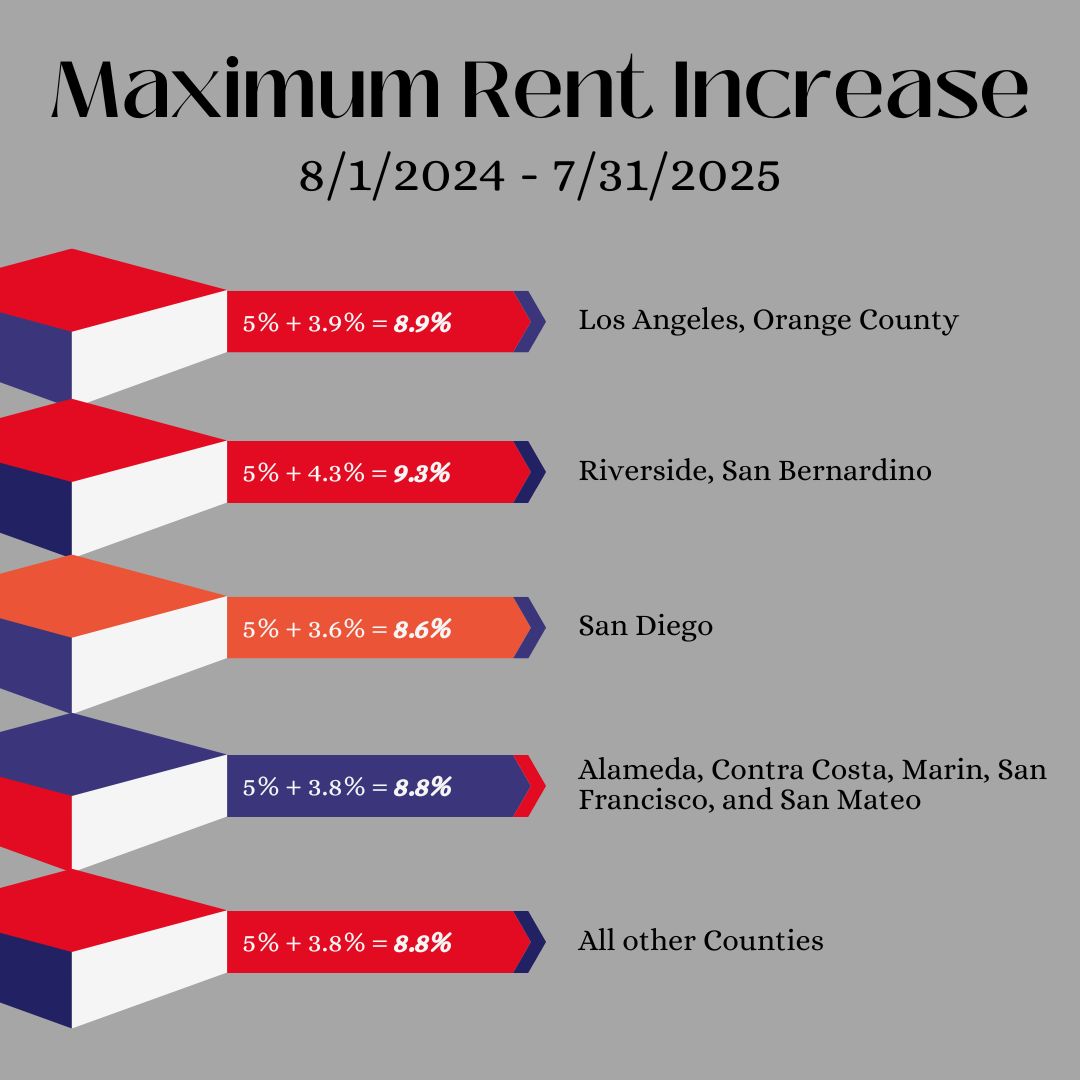
Under AB 1482, landlords are generally limited to increasing rent by no more than 5% plus the percentage change in the cost of living, as measured by the Consumer Price Index (CPI). The total allowable increase, including the CPI component, is capped at 10% in any 12-month period.
Here’s a breakdown of how this calculation works:
- 5% Base Increase: This is a fixed component.
- Percentage Change in CPI: This refers to the annual percentage change in the Consumer Price Index for All Urban Consumers for the metropolitan area where the property is located, as published by the U.S. Bureau of Labor Statistics. For areas not covered by a specific metropolitan statistical area, the California CPI for All Urban Consumers is used. The relevant CPI percentage is typically determined based on the April of the immediately preceding calendar year.
- 10% Overall Cap: Regardless of how high the 5% + CPI calculation goes, the maximum allowable increase cannot exceed 10% over any 12-month period.
It’s important to note that landlords can only implement one rent increase within any 12-month period. If a landlord has increased the rent, they cannot do so again for another year. Furthermore, tenants must be given proper notice of a rent increase. For increases of 10% or less, a 30-day notice is required. For increases greater than 10% (which would typically only happen if a property is exempt from AB 1482 and local rent control), a 60-day notice is necessary. Understanding these timelines is crucial for budgeting and planning, especially for those who manage their finances carefully for travel, accommodation, or lifestyle choices in California.

This statewide cap provides a significant degree of predictability for tenants, a welcome relief in a state where housing costs can be a major concern. For instance, if you’re planning an extended stay near the beautiful landmarks of San Francisco or exploring the vibrant lifestyle of Hollywood in Los Angeles, knowing these limits helps you forecast your living expenses.
Navigating Exemptions and Specific Scenarios
While AB 1482 offers broad protections, it does not apply to all rental properties in California. Understanding these exemptions is just as critical as knowing the general rules, particularly if you are searching for specific types of accommodation or investing in rental properties as part of a lifestyle change. These nuances can significantly impact the financial realities of long-term stays, business relocations, or even choosing where to establish a temporary home while exploring the state’s attractions.
Properties Not Covered by AB 1482
Several categories of properties are exempt from the rent cap and just-cause eviction provisions of AB 1482. These exemptions are crucial for both landlords and tenants to understand, as they dictate where the statewide protections apply and where they do not.
- New Construction: Housing that has been issued a certificate of occupancy within the last 15 years is exempt. This means that if you’re renting a newly built apartment or house, perhaps in one of California’s rapidly developing areas like Irvine or parts of Sacramento, it may not be subject to the rent cap. This exemption is intended to incentivize new housing development, a critical need in the state.
- Single-Family Homes and Condominiums (with specific conditions): Single-family homes and condominiums are generally exempt if they are not owned by a corporation, a real estate investment trust (REIT), or an LLC in which at least one member is a corporation. Furthermore, the landlord must provide a specific notice to the tenant stating that the property is exempt from AB 1482. This exemption is particularly relevant for individuals renting directly from private owners, a common scenario for many long-term visitors or families seeking specific accommodations.
- Owner-Occupied Duplexes: If the owner occupies one of the units in a duplex at the beginning of the tenancy and continues to do so, both units are exempt from AB 1482. This situation is more common in smaller communities or specific neighborhoods within larger cities.
- Housing Restricted by Deed for Affordable Housing: Properties that are already subject to affordable housing covenants, restrictions, or agreements that limit rent increases are also exempt, as they typically have their own set of protective regulations.
- Dormitories, Hotels, and Short-Term Rentals: Rooms in hotels, motels, bed and breakfasts, and properties used for short-term rental purposes (where the occupancy is intended for tourism or transient use, typically less than 30 days) are exempt. This distinction is vital for travelers using platforms for temporary stays versus those seeking a more permanent or extended residence, linking directly to the website’s focus on hotels, tourism, and accommodation.
- Certain Health Facilities: Housing provided by nonprofit hospitals, religious institutions, or extended care facilities are also exempt.
Understanding these exemptions is paramount. Before committing to any long-term accommodation, especially if you plan to immerse yourself in the local lifestyle or relocate for an extended period, it’s prudent to inquire about the property’s status regarding AB 1482.
The Impact of Local Rent Control Ordinances
Perhaps the most significant nuance in California’s rent control landscape is the interplay between AB 1482 and existing local rent control ordinances. The state law explicitly states that it does not override stricter local rent control laws. Instead, it serves as a floor, providing protections where local ordinances do not exist or are less stringent.
This means that if a city has a local rent control ordinance that offers tenants greater protections or imposes a lower rent increase cap than AB 1482, the local ordinance will prevail. Conversely, if a local ordinance is less restrictive than AB 1482, then the state law applies.
Many of California’s major cities and popular destinations have their own rent control laws that predate AB 1482, including:
- Los Angeles (City of): The Rent Stabilization Ordinance (RSO) in Los Angeles is one of the oldest and most comprehensive. It generally limits rent increases to a certain percentage, often tied to CPI, and has its own just-cause eviction rules that can be stricter than state law.
- San Francisco: Known for its high cost of living, San Francisco also has a robust rent control ordinance that limits annual rent increases and provides extensive tenant protections.
- Oakland: Similar to San Francisco, Oakland’s Rent Adjustment Program governs rent increases for many units.
- Berkeley: Berkeley’s Rent Stabilization Board has one of the most comprehensive rent control laws in the state.
- San Jose: The City of San Jose’s Rental Dispute Program provides rent stabilization for certain units.
Other cities like Santa Monica, West Hollywood, Hayward, and Mountain View also have their own specific rent control provisions.
For someone planning to experience the unique culture of San Francisco or explore the architectural landmarks of Santa Monica for an extended period, it is absolutely essential to research the specific rent control laws of the city or county where the accommodation is located. Relying solely on statewide AB 1482 might lead to an incomplete understanding of your rights and a landlord’s obligations. Many city websites offer detailed information on their local rent control ordinances, often including resources for tenants and landlords.
Practical Steps for Renters and Long-Term Visitors
Navigating the rental market in California can feel complex, especially with the interplay of state and local laws. However, being informed and proactive can save you considerable stress and financial strain. For anyone considering California for an extended stay, be it for a unique travel experience, a work assignment, or a lifestyle change, understanding how to apply these regulations practically is key to a smooth and enjoyable accommodation experience.
What to Do If Your Rent Is Increased
When you receive a rent increase notice, it’s important to take a few key steps to ensure it complies with applicable laws:
- Determine if Your Property is Covered: First, ascertain if your rental unit falls under AB 1482 or a local rent control ordinance.
- Check the Age of the Building: If it’s newer than 15 years, it might be exempt from AB 1482.
- Identify Property Type: Is it a single-family home, condo, duplex, or apartment? Check ownership structure for single-family homes/condos (private owner vs. corporation/LLC).
- Research Local Laws: If you’re in a city with rent control (e.g., Los Angeles, San Francisco, Oakland), verify if your specific unit is covered by the local ordinance. Local laws often have their own specific exemptions.
- Verify the Calculation:
- For AB 1482-covered units: Calculate the maximum allowable increase (5% + CPI, capped at 10%). You can find the relevant CPI data on the California Department of Housing and Community Development website or the U.S. Bureau of Labor Statistics.
- For locally rent-controlled units: Consult your city’s rent control board or housing department for their specific annual allowable increase percentage.
- Check Notice Period: Ensure you received the legally required notice (30 days for increases 10% or less, 60 days for increases over 10%).
- Communicate with Your Landlord: If you believe the rent increase is unlawful, start by communicating with your landlord. There might be an honest mistake. Clearly state why you believe the increase is incorrect and cite the relevant law (AB 1482 or local ordinance).
- Seek Assistance: If the issue isn’t resolved, or you need help understanding your rights, don’t hesitate to seek professional advice.

Resources and Further Assistance
For long-term residents, business travelers, or those experiencing California on an extended trip, reliable information is invaluable. Several resources are available to help you understand your rights and obligations:
- California Department of Housing and Community Development (HCD): The HCD website provides comprehensive information and FAQs on AB 1482 and other statewide tenant protection laws. This is an excellent starting point for general inquiries.
- Local Rent Control Boards/Housing Departments: For properties in cities with local rent control, these municipal departments are your best source of specific information. They often have dedicated helplines, websites, and community workshops.
- Tenant Rights Organizations: Numerous nonprofit organizations across California specialize in tenant rights and provide free or low-cost legal assistance and counseling. Organizations like Tenants Together or local legal aid societies can be incredibly helpful.
- Legal Counsel: For complex situations, consulting with an attorney specializing in landlord-tenant law is advisable. This could be particularly important if you are considering long-term property leases for business ventures or specific luxury accommodations.
Understanding how much a landlord can increase rent in California is a critical piece of information for anyone engaging with the state’s accommodation market. Whether you’re planning a year-long sabbatical to explore California’s national parks, setting up a temporary home for a new job in Silicon Valley, or simply navigating your current rental situation, being aware of state and local rent control laws will empower you to make informed decisions about your housing and lifestyle in this remarkable state. The protections offered by AB 1482 and various local ordinances provide a crucial framework for stability, ensuring that while you enjoy the diverse travel, tourism, and lifestyle opportunities California offers, your home remains secure and predictable.
LifeOutOfTheBox is a participant in the Amazon Services LLC Associates Program, an affiliate advertising program designed to provide a means for sites to earn advertising fees by advertising and linking to Amazon.com. Amazon, the Amazon logo, AmazonSupply, and the AmazonSupply logo are trademarks of Amazon.com, Inc. or its affiliates. As an Amazon Associate we earn affiliate commissions from qualifying purchases.