
California, a state renowned for its stunning natural beauty, vibrant cultural hubs, and innovative industries, also grapples with one of the most challenging housing markets in the United States. From the sun-kissed beaches of Southern California to the tech epicenters of the Bay Area, the cost of living, particularly rent, is a dominant factor for residents, prospective tenants, and even those considering long-term stays for business or leisure. For anyone looking to make California their home, even temporarily, understanding the intricacies of rent increase regulations is not just prudent—it’s essential for sound financial planning and peace of mind.
The question of “How much can rent be raised in California?” is multifaceted, influenced by a blend of statewide legislation and a patchwork of local ordinances. This comprehensive guide aims to demystify the rules governing rent increases, helping both tenants and property owners navigate this complex landscape. Whether you’re an individual exploring the digital nomad lifestyle in Los Angeles, a family seeking a long-term rental near Disneyland, or a business traveler establishing an extended base in Silicon Valley, these regulations directly impact your accommodation choices and lifestyle in the Golden State.

Understanding California’s Statewide Rent Control: AB 1482
In response to a housing crisis marked by escalating rents and high eviction rates, California enacted the Tenant Protection Act of 2019, widely known as Assembly Bill (AB) 1482. This landmark legislation introduced statewide rent control and “just cause” eviction protections, effective January 1, 2020. While it doesn’t apply to all rental properties, AB 1482 significantly altered the landscape for many renters across the state, setting a crucial ceiling on annual rent increases.
Before AB 1482, rent control was primarily a local issue, leading to a fragmented system where tenants in some cities had protections while others had none. The statewide law aimed to create a more uniform baseline, offering some level of stability to millions of tenants who previously lacked any form of rent control. This legislation is particularly relevant for those planning extended stays, as it provides a degree of predictability regarding future housing costs, which is invaluable for budget travel or long-term accommodation planning.
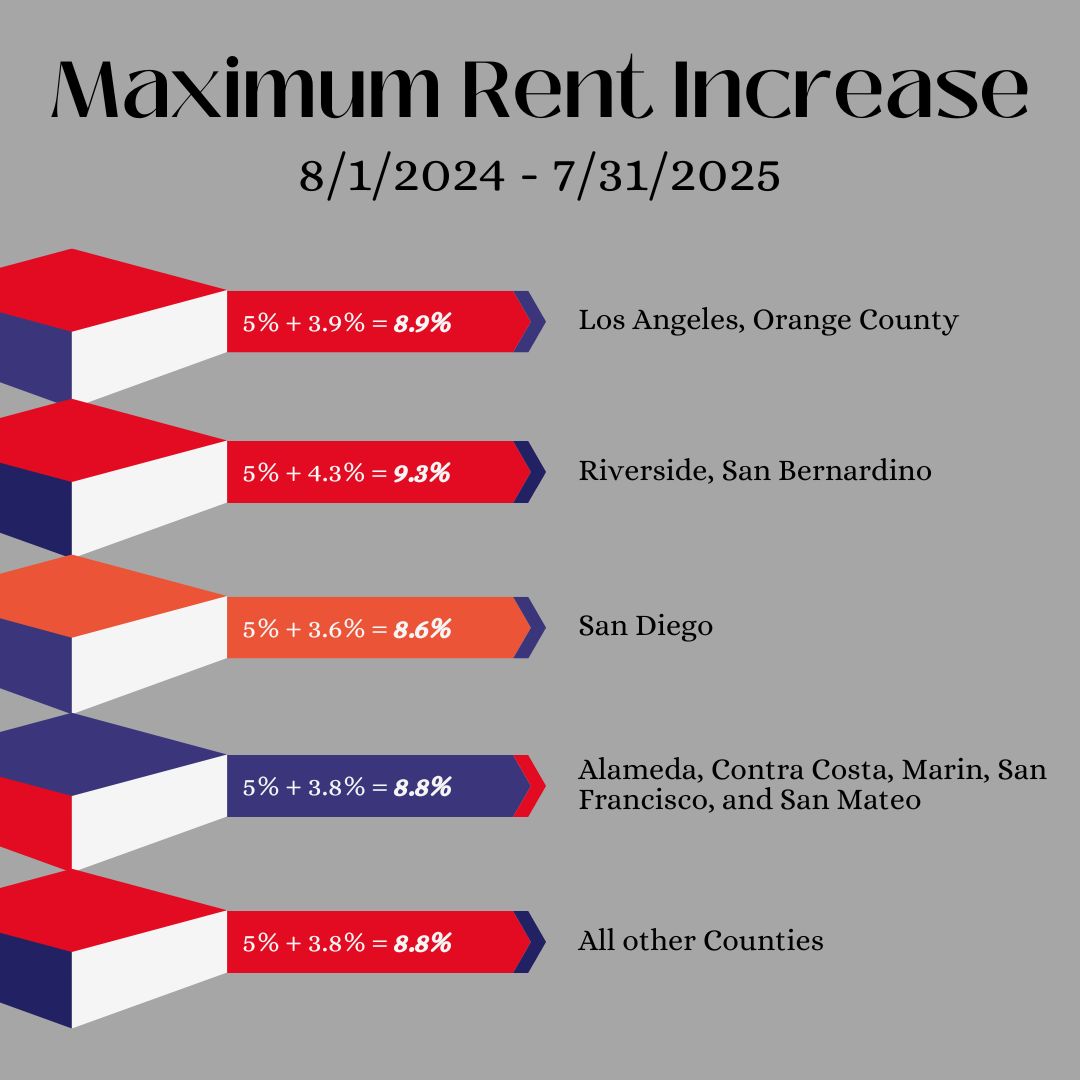
The Annual Rent Increase Cap
Under AB 1482, landlords are generally limited in how much they can raise rent each year. The cap is set at 5% plus the percentage change in the cost of living index (CPI), or 10%, whichever is lower. The “percentage change in the cost of living index” refers to the regional Consumer Price Index (CPI) published by the United States Bureau of Labor Statistics. Landlords must use the CPI for the specific metropolitan area in which the property is located, published in April of the immediately preceding calendar year.
For example, if the CPI for your region was 3% in April of the previous year, the maximum allowable rent increase would be 5% + 3% = 8%. If the CPI was 6%, the total would be 5% + 6% = 11%, but due to the 10% overall cap, the landlord could only raise the rent by 10%. This cap applies to existing tenants; when a tenant vacates a unit, the landlord is generally free to set the initial rent for a new tenant at market rate, unless a local ordinance dictates otherwise.

This cap provides a vital safeguard against exorbitant rent hikes, offering tenants in cities like San Diego or Sacramento a measure of financial security. For individuals or families looking for stable long-term accommodation, understanding this cap is fundamental. It influences budgeting for a stay, whether it’s for an academic year, a sabbatical, or a new career opportunity in Northern California.
Exemptions to AB 1482
While AB 1482 provides broad protections, it’s crucial to understand that not all rental properties in California are covered. Several key exemptions exist, which means some tenants may not be protected by the statewide rent cap or just cause eviction rules. These exemptions include:
- New Construction: Housing units that have been issued a certificate of occupancy within the last 15 years are exempt. This rolling 15-year exemption aims to encourage new housing development in a state constantly struggling with supply shortages.
- Single-Family Homes and Condominiums: These properties are generally exempt if they are not owned by a corporation, a real estate investment trust (REIT), or an LLC in which at least one member is a corporation. This exemption is often referred to as the “mom and pop” landlord exemption, applying to individual owners who rent out a single-family home or condo. However, landlords must provide a specific notice to tenants stating that the property is exempt from AB 1482.
- Owner-Occupied Duplexes: If the owner lives in one of the units of a duplex and has owned the property for at least one year, the other unit is exempt from AB 1482’s rent cap and just cause eviction rules.
- Affordable Housing: Units that are already subject to other affordable housing programs that restrict rent, as well as dormitories, hotels, motels, and similar transient lodging (e.g., short-term vacation rentals typically not covered by landlord-tenant law), are exempt. This is particularly relevant for travelers distinguishing between long-term accommodation and hotel stays. For stays beyond 30 days, properties that might initially seem like transient lodging can sometimes fall under landlord-tenant law, depending on the specific circumstances and local rules.
Understanding these exemptions is vital for anyone searching for long-term accommodation. A charming single-family home in Napa Valley or a modern condo in downtown San Jose might not offer the same rent increase protections as an apartment building in Oakland. Due diligence is always recommended when securing a rental in California.
Local Rent Control Ordinances: A Layer of Complexity
While AB 1482 provides a statewide floor for tenant protections, many California cities already had, and continue to maintain, their own stricter rent control ordinances. The statewide law respects these local regulations, meaning that if a city’s rent control rules offer greater protection to tenants, those local rules prevail. AB 1482 acts as a backstop, applying to areas that either have no local rent control or whose local rent control is less protective than the state law.
This creates a nuanced and often complex regulatory environment. Tenants in cities with strong local rent control, such as San Francisco, Berkeley, or Santa Monica, might find their rent increase limits are even lower than the state’s 5% + CPI cap. For example, some cities might cap annual increases at 2% or 3%, regardless of CPI.
Navigating City-Specific Regulations
For anyone planning a move or an extended stay in California, it is imperative to research the specific rent control laws of the city or county where they intend to reside. A city’s housing department or tenant’s rights organizations are excellent resources for this information.
Consider the contrast between different metropolitan areas. In Los Angeles, specific areas like West Hollywood have their own robust rent stabilization ordinances that might differ from broader Los Angeles County rules. Similarly, in the Bay Area, rent control in San Francisco is significantly different from that in nearby Palo Alto or Mountain View.
This patchwork approach means that the optimal strategy for securing accommodation and understanding your rights can vary significantly depending on your chosen destination. For lifestyle seekers or business professionals who might relocate frequently within the state, staying informed about these local nuances is crucial for seamless transitions and effective financial planning. It’s not just about finding an apartment; it’s about understanding the long-term cost implications of your chosen home.
Just Cause Eviction Protections
Beyond rent caps, AB 1482 also introduced statewide “just cause” eviction protections. This means that after a tenant has resided in a property for at least 12 months (or 12 months for one tenant, or 24 months for all tenants, if other tenants are added or replaced), a landlord cannot evict them without a “just cause.” This dramatically enhances tenant security and reduces the risk of arbitrary evictions that were once common in the absence of local protections.
Just causes for eviction are categorized into two types:
- At-Fault Just Causes: These are reasons stemming from the tenant’s actions, such as non-payment of rent, breach of a material term of the lease, criminal activity on the property, nuisance, or refusal to allow the landlord lawful entry.
- No-Fault Just Causes: These are reasons not related to the tenant’s actions, but which still require a landlord to provide relocation assistance or waive the last month’s rent. Examples include:
- Owner Move-In: The landlord or their immediate family intends to move into the unit.
- Withdrawal of the Rental Market: The landlord intends to permanently remove the unit from the rental market (e.g., under the Ellis Act, where applicable).
- Government Order to Vacate: A government entity requires the tenant to vacate due to uninhabitable conditions.
- Major Remodel: The landlord intends to substantially remodel or demolish the unit, requiring the tenant to vacate for at least 30 days.
The implementation of just cause eviction protection offers immense value, particularly for those considering California for an extended stay or a significant life change. Knowing that you cannot be evicted without a legitimate, legally defined reason provides a stable foundation, allowing individuals to truly settle into their chosen community, whether it’s by the serene shores of Lake Tahoe or amidst the desert landscapes near Palm Springs. It promotes long-term tenancy, which aligns with a lifestyle choice focused on stability rather than constant relocation.
The Broader Impact on Accommodation and Lifestyle in California
The regulations around rent increases and eviction protections in California have profound implications that extend beyond mere legalities. They shape the accessibility of accommodation, influence lifestyle choices, and impact the overall economy of this dynamic state. For a website dedicated to travel, hotels, tourism, and lifestyle, understanding these dynamics is crucial, especially when discussing long-term stays or the broader cost of living within the state.
Implications for Long-Term Stays and Relocation
For digital nomads, remote workers, or anyone considering an extended sabbatical, California’s rent laws are a primary factor in financial planning. The statewide rent cap, coupled with local ordinances, offers a degree of predictability that was historically absent. This predictability is golden for budget travel and long-term stay planning, allowing individuals to forecast their accommodation expenses with greater accuracy.
However, the exemptions to AB 1482 mean that those seeking specific types of accommodation—like newly built luxury apartments in Beverly Hills or single-family homes in a quiet suburb of Pasadena—might find themselves outside these protections. This necessitates careful research into the specific property type and location. For travelers who might opt for monthly rentals in lieu of traditional hotel stays, especially in areas with a strong tourist presence like Anaheim or near Hollywood, understanding whether a unit falls under landlord-tenant law or remains classified as transient lodging is a critical distinction.
Furthermore, the “just cause” eviction protections encourage stability, making it more feasible for individuals to commit to longer leases. This environment supports those looking to immerse themselves in local culture, establish a community, or even explore entrepreneurial opportunities without the constant worry of an unexpected relocation.
Financial Planning for Tenants and Property Owners
For tenants, the regulations provide a framework for managing housing costs, which is often the largest portion of their budget in California. Knowing the maximum potential increase year-over-year allows for better financial forecasting and decision-making regarding savings, investments, and other lifestyle expenses. This is particularly relevant for families or individuals moving to high-cost-of-living areas like San Francisco or Orange County, where every percentage point of rent increase can translate into hundreds of dollars annually.
For property owners, especially those with multiple rental units, these laws necessitate careful financial modeling. While they restrict the ability to significantly raise rents, they also provide clear guidelines, reducing ambiguity. Owners need to factor in operating costs, property taxes, and potential maintenance against capped rental income. This can influence decisions on property investment, development, and portfolio management within the California real estate market. The objective is to balance fair returns with tenant protections, a key challenge in such a desirable yet expensive state.
In conclusion, answering “How much can rent be raised in California?” requires an understanding of AB 1482, its exemptions, and the interaction with local rent control ordinances. These laws are not just legal statutes; they are fundamental components of the accommodation landscape, shaping the travel experience, lifestyle choices, and financial realities for millions living in or aspiring to visit the Golden State for extended periods. Whether you’re seeking a vibrant urban experience, a tranquil retreat, or a base for business, being informed about California’s rental regulations is an indispensable part of navigating its captivating, yet often costly, terrain.
LifeOutOfTheBox is a participant in the Amazon Services LLC Associates Program, an affiliate advertising program designed to provide a means for sites to earn advertising fees by advertising and linking to Amazon.com. Amazon, the Amazon logo, AmazonSupply, and the AmazonSupply logo are trademarks of Amazon.com, Inc. or its affiliates. As an Amazon Associate we earn affiliate commissions from qualifying purchases.