
Navigating travel, tourism, and lifestyle in the vast and vibrant state of Texas often begins with a fundamental question: “What time is it?” While seemingly straightforward, understanding the intricacies of Texas’ time zones is crucial for seamless travel planning, timely hotel bookings, and making the most of every moment exploring its diverse landscapes and rich culture. From the bustling metropolises to the serene desert expanses, time in the Lone Star State generally adheres to a predictable rhythm, yet with one notable exception that savvy travelers must keep in mind.
Texas primarily operates on Central Standard Time (CST), which is UTC-6. However, like much of the USA, it observes Daylight Saving Time (DST), shifting to Central Daylight Time (CDT), or UTC-5, from the second Sunday in March to the first Sunday in November. This means that for the majority of the year, and for the vast majority of the state, when you check the time, you’ll be on CST or CDT. This consistency simplifies planning for destinations like Dallas, Houston, Austin, and San Antonio, allowing visitors to confidently coordinate everything from flight arrivals to dinner reservations without much fuss.
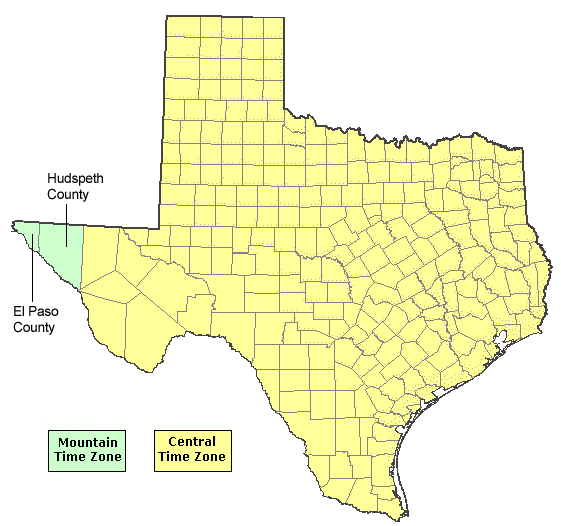
The key exception to this statewide standard lies in the far western reaches of Texas. The county of El Paso and a portion of Hudspeth County observe the Mountain Time Zone (MST/MDT), which is an hour behind CST/CDT. This distinction is vital for anyone traveling to or from the El Paso area, particularly when crossing county lines or making connections. A flight landing in El Paso from Dallas might arrive an hour earlier on paper, but effectively, it’s a loss of an hour as you cross time zones moving west. This introductory understanding of Texas’ time zones is not just a matter of convenience; it’s a cornerstone of effective itinerary planning, ensuring your Texas experience is as smooth and enjoyable as possible, whether you’re seeking vibrant city life, serene natural beauty, or rich historical exploration.
Understanding Texas’ Time Zones: A Traveler’s Essential
For travelers, understanding time zones is far more than just knowing what to set your watch to; it dictates the rhythm of your entire trip. In Texas, this largely means aligning with Central Standard Time (CST) and its Daylight Saving Time (DST) counterpart, Central Daylight Time (CDT). This consistency across most of the state is a blessing for tourists, making it easy to plan sequential visits to different cities without constant time adjustments. However, ignoring the El Paso anomaly can lead to missed connections, late arrivals, or simply confusion.
Central Standard Time (CST) and Daylight Saving
Most of Texas, including its major urban hubs and popular tourist destinations, operates under Central Standard Time. This means that during the winter months (roughly November to March), the time in Dallas, Houston, Austin, and San Antonio is UTC-6. When spring arrives, the clocks “spring forward” an hour for Daylight Saving Time, moving to Central Daylight Time (UTC-5). This shift, which occurs on the second Sunday in March, and the return to CST on the first Sunday in November, is critical for travelers. For instance, if you’ve booked an early morning tour of the Alamo in San Antonio in mid-March, ensure your internal clock, and any electronic devices, have updated correctly to avoid arriving an hour late or, worse, an hour early for a closed attraction.
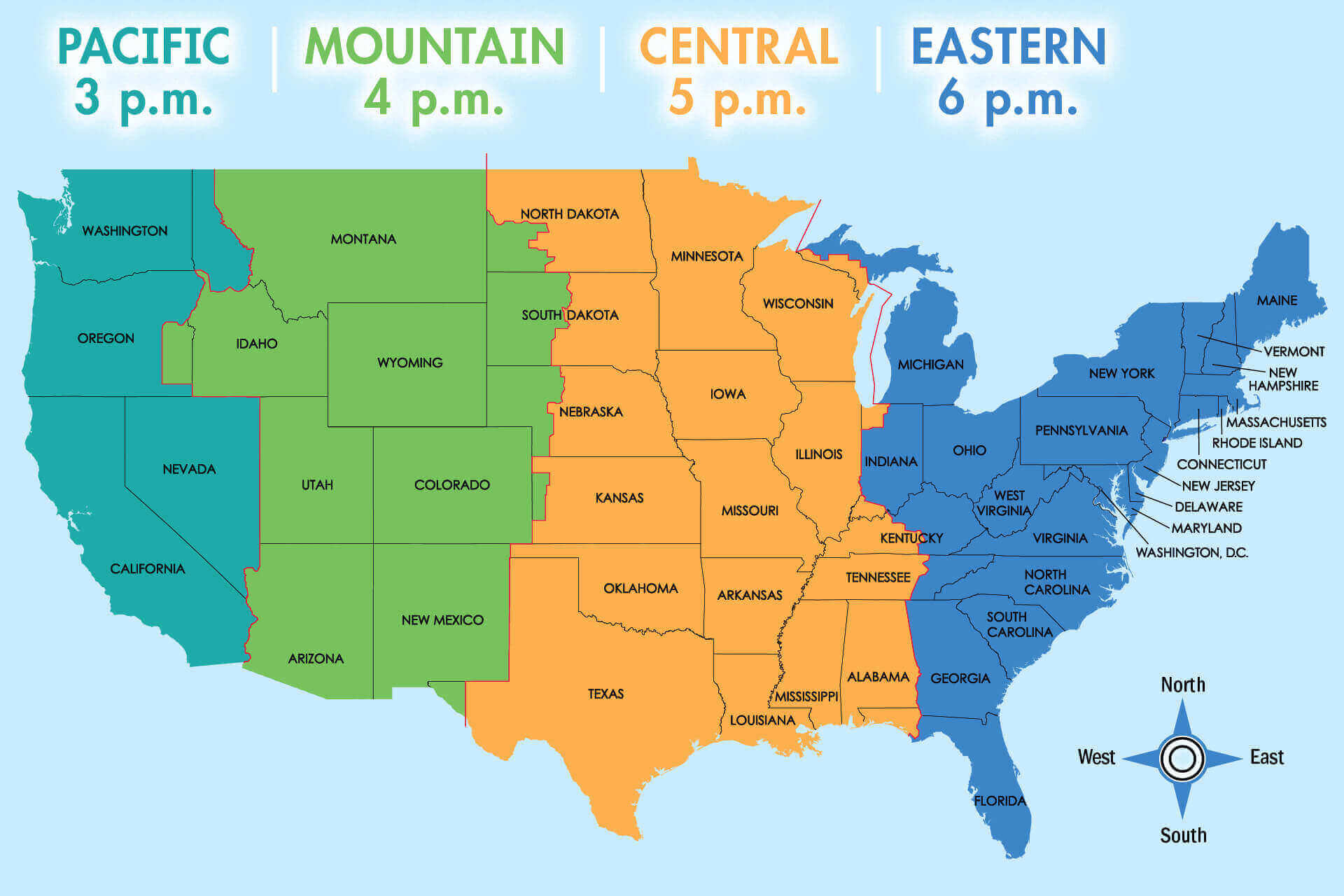
This unified time zone for the majority of the state streamlines virtually all aspects of travel. Flight schedules between major Texas airports like Dallas-Fort Worth International Airport (DFW) and George Bush Intercontinental Airport (IAH) are straightforward. Hotel check-in and check-out times, restaurant reservation slots, and attraction opening hours all align. Whether you’re planning a sophisticated weekend in the Dallas Arts District, a family outing to Space Center Houston, or an evening stroll along the San Antonio Riverwalk, you can trust that the time displayed on your device is the local time. This uniformity fosters a sense of predictability, allowing visitors to immerse themselves fully in the unique Texas experience without the added stress of constant time zone calculations.
The El Paso Exception: Mountain Time Zone
While the majority of Texas falls within the Central Time Zone, the westernmost tip of the state, specifically El Paso County and a portion of Hudspeth County, operates on Mountain Time Zone (MST/MDT). This means that these areas are consistently one hour behind the rest of Texas. When it’s 2 PM in Dallas, it’s 1 PM in El Paso. This difference is critical for travelers venturing into or through this region, particularly for those on extended road trips or with connecting flights.
Imagine driving from San Antonio to Big Bend National Park, which, despite its remote West Texas location, remains in the Central Time Zone. If your next stop is El Paso, you’ll need to adjust your clock backward by an hour upon entering that county. This can significantly impact scheduled activities, from booking a hotel in El Paso to meeting friends for dinner. It’s also crucial for business travelers, as coordinating meetings across the state requires a keen awareness of this time difference. Always confirm local times when making reservations or scheduling appointments in El Paso to avoid any logistical mishaps. Awareness of this unique geographical and temporal distinction is essential for a truly informed and trouble-free exploration of all that Texas has to offer.

Planning Your Texas Adventure: Time Management for Travelers
Effective time management is the bedrock of any successful travel experience, and in a state as expansive as Texas, it takes on particular importance. From coordinating flights to maximizing sightseeing opportunities, a clear understanding of local time and how it impacts daily activities will enhance your trip. Given the state’s primary adherence to CST/CDT, with the El Paso exception, travelers can confidently structure their itineraries, ensuring every moment is utilized to its fullest.
Flight Schedules and Airport Navigation
For most visitors to Texas, their journey will begin or end at one of the state’s major international airports. Dallas-Fort Worth International Airport (DFW), George Bush Intercontinental Airport (IAH) in Houston, and Austin-Bergstrom International Airport (AUS) all operate within the Central Time Zone. This simplifies domestic and international travel planning, as arrival and departure times are consistently displayed in local time. When booking flights, always confirm the time zone of your destination, especially if connecting through El Paso International Airport (ELP), which operates on Mountain Time Zone. A flight from Houston to El Paso will show an arrival time that is numerically less than the departure time, reflecting the time zone change. For example, a 10:00 AM flight from Houston (CDT) might arrive in El Paso (MDT) at 10:00 AM, effectively taking two hours due to the time difference.
Beyond flights, understanding local time is crucial for ground transportation. Whether you’ve pre-booked a shuttle, plan to use ride-sharing services, or are renting a car, knowing the correct local time ensures you’re punctual for pick-ups and mindful of rental office operating hours. Many travelers underestimate the sheer size of Texas, and while navigating within a single time zone, travel times between cities can still be extensive. For example, driving from Dallas to Houston takes approximately 3.5-4 hours, while a trip from Austin to Big Bend National Park can span 7-8 hours. Factoring in these travel durations, alongside potential traffic in major metropolitan areas, is essential for maintaining your schedule and avoiding unnecessary stress.
Maximizing Your Days: Attractions and Activities
Texas’ myriad attractions, from historical landmarks to natural wonders, typically adhere to fixed operating hours. Being aware of the local time allows you to strategically plan your visits, ensuring you arrive during open hours and allocate sufficient time for each experience. For instance, a morning visit to the Alamo or a deep dive into the exhibits at Space Center Houston demands punctuality. Many popular sites, especially during peak season, open early and can become crowded quickly. Arriving right at opening time, often around 9:00 AM in CST/CDT, can give you a head start.
For outdoor enthusiasts, understanding daylight hours is equally important. Destinations like Big Bend National Park or Palo Duro Canyon State Park offer breathtaking hikes and scenic drives. Knowing when the sun rises and sets allows you to plan your excursions safely, avoiding the midday heat or getting caught out after dark. Similarly, beachgoers heading to South Padre Island or the Padre Island National Seashore will want to time their visits to enjoy the sun and surf during optimal daylight. Don’t forget to factor in travel time to and from these more remote attractions, as distances in Texas are substantial, even within the same time zone. Effective scheduling, guided by accurate local time, ensures you can fully immerse yourself in the rich tapestry of Texas experiences.
Dining Experiences and Local Events
Texas’ culinary scene is as diverse as its geography, offering everything from authentic Tex-Mex and BBQ joints to upscale dining establishments. Restaurant hours and peak dining times are naturally governed by the local time zone. In major cities, dinner typically begins around 6:00 PM or 7:00 PM, and reservations for popular spots are often highly recommended, especially on weekends. Being mindful of these timings, aligned with CST/CDT, allows you to plan your meals without rushing or missing out on a coveted table.
Beyond everyday dining, Texas is renowned for its vibrant calendar of events and festivals. From the Houston Livestock Show and Rodeo to Austin’s South by Southwest (SXSW) and the State Fair of Texas in Dallas, these events often have strict schedules for performances, competitions, and parades. Checking the event schedules well in advance and cross-referencing them with the local time ensures you don’t miss out on these unique cultural experiences. For example, if you’re attending a concert at the Circuit of The Americas near Austin, or a football game at AT&T Stadium in Arlington, knowing the kickoff or showtime in CST/CDT is paramount for a stress-free arrival. Even local market hours, often found in charming towns like Grapevine or Fort Worth’s Stockyards National Historic District, will follow local time, making planning a breeze if you stay aware.
Accommodation & Lifestyle: Synchronizing with Texas Time
The consideration of time extends beyond sightseeing and dining; it deeply influences accommodation logistics and the broader lifestyle rhythm you’ll encounter in Texas. From managing hotel stays to understanding the local pace of life, synchronizing with the correct time zone is vital for a smooth and enjoyable visit, whether for leisure or business.
Check-in, Check-out, and Hotel Bookings
Hotels, resorts, apartments, and villas across Texas strictly adhere to their local time for check-in and check-out procedures. For the vast majority of the state, this means all times will be in CST/CDT. Typical check-in times are between 3:00 PM and 4:00 PM, with check-out usually around 11:00 AM or 12:00 PM. Missing these windows can incur additional fees or complicate your travel plans. When booking accommodations, especially online, always ensure the displayed times correspond to the local time zone of your chosen destination. For example, if you book a stay at the JW Marriott San Antonio Hill Country Resort & Spa or the Hyatt Regency Dallas, all confirmed times will be based on Central Time.
If your itinerary includes a stop in El Paso, remember that hotel times there will be in Mountain Time Zone. If you’re driving from, say, Midland (CST) to El Paso (MST) for an overnight stay, you’ll gain an hour upon arrival. This can be advantageous for a later check-in without penalty but could also lead to confusion if not properly accounted for. Always confirm early check-in or late check-out requests with your accommodation in advance, noting the local time. Understanding these timings is paramount for a stress-free stay, allowing you to seamlessly transition from your travels to the comfort of your chosen lodging, whether it’s a luxury suite at the Four Seasons Hotel Austin or a cozy villa in the Texas Hill Country.
Business Travel and Meeting Schedules
For those traveling to Texas for business, precision in time management is non-negotiable. Whether you’re attending a conference in Houston’s bustling downtown, a tech meeting in Austin, or an oil and gas summit in Midland or Odessa, all schedules will adhere to the local CST/CDT. Coordinating meetings with colleagues or clients across different states requires careful conversion, especially if they are coming from the East Coast (an hour ahead) or the West Coast (two or three hours behind).
Particular attention must be paid when scheduling calls or virtual meetings that involve participants in El Paso. An 11:00 AM meeting in Dallas (CST) would be a 10:00 AM meeting for someone in El Paso (MST). Tools that automatically adjust for time zones are incredibly helpful, but a manual double-check is always a good practice. Furthermore, many Texas businesses, particularly in sectors like energy and technology, maintain a rapid pace. Being punctual for appointments and understanding local business hours, typically 9:00 AM to 5:00 PM CST/CDT, will demonstrate professionalism and allow for productive engagements. This attention to detail ensures that business endeavors in Texas are as efficient and successful as possible, leveraging the state’s vibrant economic environment.
Embracing the Texas Pace of Life
Beyond the practicalities of scheduling, understanding the local time influences how you experience the general rhythm and lifestyle of Texas. While major cities like Houston and Dallas maintain a bustling, fast-paced environment comparable to other large USA metropolises, many other parts of the state, particularly rural areas or charming smaller towns, tend to operate at a more relaxed pace. This ” Texas time” is part of the local charm, where enjoying a long meal, a leisurely stroll, or an extended conversation is often part of the cultural fabric.
Even within the cities, there’s a distinct flow to the day. Mornings often start early, especially in agricultural regions or bustling business districts like the Texas Medical Center in Houston. Afternoons can be hot, especially in summer, leading to peak indoor activity. Evenings are for unwinding, with popular spots like the San Antonio Riverwalk or Austin’s live music venues coming alive. For families, planning around bedtimes and activity windows is key, especially with younger children. For example, visiting Six Flags Over Texas in Arlington or Schlitterbahn Waterpark in New Braunfels requires an early start to maximize ride time. Embracing this local cadence, informed by the correct time zone, allows travelers to not just visit Texas but to truly live it, savoring every moment and understanding the subtle nuances that make the state so unique.
Iconic Texas Landmarks and Their Timings
From historic battlegrounds to cutting-edge space exploration centers, Texas boasts an impressive array of landmarks and attractions. Each offers a unique glimpse into the state’s diverse heritage and natural beauty. Planning visits to these sites requires an awareness of their operating hours, which, as discussed, are generally aligned with CST/CDT, except for those in El Paso’s Mountain Time Zone.
Exploring Major Cities: Dallas, Houston, Austin, San Antonio
Texas’ major cities are treasure troves of iconic landmarks. In Dallas, explore the Dallas Arts District, with its museums and performance venues often open from 10:00 AM to 5:00 PM CST/CDT. Sporting events at AT&T Stadium or the American Airlines Center typically kick off in the evening, requiring afternoon travel plans. Houston is home to the world-renowned Space Center Houston, which typically welcomes visitors from 10:00 AM to 5:00 PM, with extended hours during peak seasons. A visit to the NASA Johnson Space Center is a full-day affair, so arriving early is beneficial. The city’s museum district also offers numerous cultural experiences with similar opening hours.
Austin, the Live Music Capital of the World, pulses with energy well into the night, but its daytime attractions also demand attention. The Texas State Capitol offers tours throughout the day, usually ending by 4:00 PM. Many of the city’s famous food trucks operate from morning to late night, allowing for flexible dining. Further south, San Antonio beckons with its deep history. The Alamo is open from 9:00 AM to 5:30 PM, and a leisurely boat tour of the Riverwalk can be enjoyed from morning until late evening. The San Antonio Missions National Historical Park also operates within standard daytime hours. For those venturing to Fort Worth, the famous cattle drives at the Stockyards National Historic District occur daily at 11:30 AM and 4:00 PM CST/CDT, a must-see event requiring precise timing.
Natural Wonders and Outdoor Activities
Texas’ natural landscapes offer boundless opportunities for outdoor adventure, from the Gulf Coast beaches to the majestic peaks of West Texas. For these experiences, understanding sunrise and sunset times, in addition to local operating hours, is key. Big Bend National Park, one of the most remote and stunning national parks, is a vast wilderness that remains primarily in the Central Time Zone, despite its Trans-Pecos location. The park’s visitor centers typically open around 8:00 AM. Planning hikes to places like Santa Elena Canyon or Emory Peak requires an early start to beat the heat and allow ample time before sunset. Similarly, its adjacent Big Bend Ranch State Park also follows CST/CDT.
Further north in the Panhandle, Palo Duro Canyon State Park, the “Grand Canyon of Texas,” is open for day use from 8:00 AM to 10:00 PM, allowing for hiking, biking, and scenic drives. Meanwhile, on the coast, Padre Island National Seashore offers 24-hour access for camping, but visitor center hours typically run from 9:00 AM to 5:00 PM. In the heart of the Texas Hill Country, popular spots like Enchanted Rock State Natural Area or tubing adventures on the Guadalupe River and Canyon Lake are best enjoyed during daylight hours. Always check specific park and attraction websites for the most current operating hours, especially as they can vary by season, ensuring your outdoor adventures in Texas are both exhilarating and safely managed within the bounds of local time.
LifeOutOfTheBox is a participant in the Amazon Services LLC Associates Program, an affiliate advertising program designed to provide a means for sites to earn advertising fees by advertising and linking to Amazon.com. Amazon, the Amazon logo, AmazonSupply, and the AmazonSupply logo are trademarks of Amazon.com, Inc. or its affiliates. As an Amazon Associate we earn affiliate commissions from qualifying purchases.