
For travelers planning a visit to the Golden State, understanding local time zones and the nuances of Daylight Saving Time (DST) is more than just a trivial detail—it’s a critical component of seamless itinerary planning. California, a vibrant hub of culture, innovation, and natural beauty, adheres to the annual ritual of “springing forward” and “falling back.” Missing this crucial detail can lead to missed flights, inconvenient check-in times, or even a disruption to meticulously planned tours and activities. This comprehensive guide will demystify California’s time changes, providing insights and practical advice to ensure your travel experience remains perfectly synchronized.
Decoding California’s Time Zone Dynamics: A Traveler’s Guide
California operates within the Pacific Time Zone (PT), a designation that itself shifts between two forms throughout the year. For the international traveler or even visitors from other parts of the United States, this dual identity of the time zone is the first key piece of information to grasp.
Pacific Standard Time vs. Pacific Daylight Time
At its core, the Pacific Time Zone is rooted in Coordinated Universal Time (UTC), specifically UTC-8 during the winter months. This is known as Pacific Standard Time (PST). During this period, California is eight hours behind UTC. However, like many regions across the globe, California observes Daylight Saving Time, transitioning to Pacific Daylight Time (PDT). During PDT, the clocks are advanced by one hour, making the time offset UTC-7. This means that for a significant portion of the year, usually from mid-March to early November, California is seven hours behind UTC.
Understanding the difference between PST and PDT is vital for travel planning, especially when booking flights, scheduling virtual meetings across time zones, or simply coordinating with friends and family back home. A quick check of whether a date falls within PST or PDT can prevent confusion and ensure punctuality during your trip.
The Rationale Behind Daylight Saving
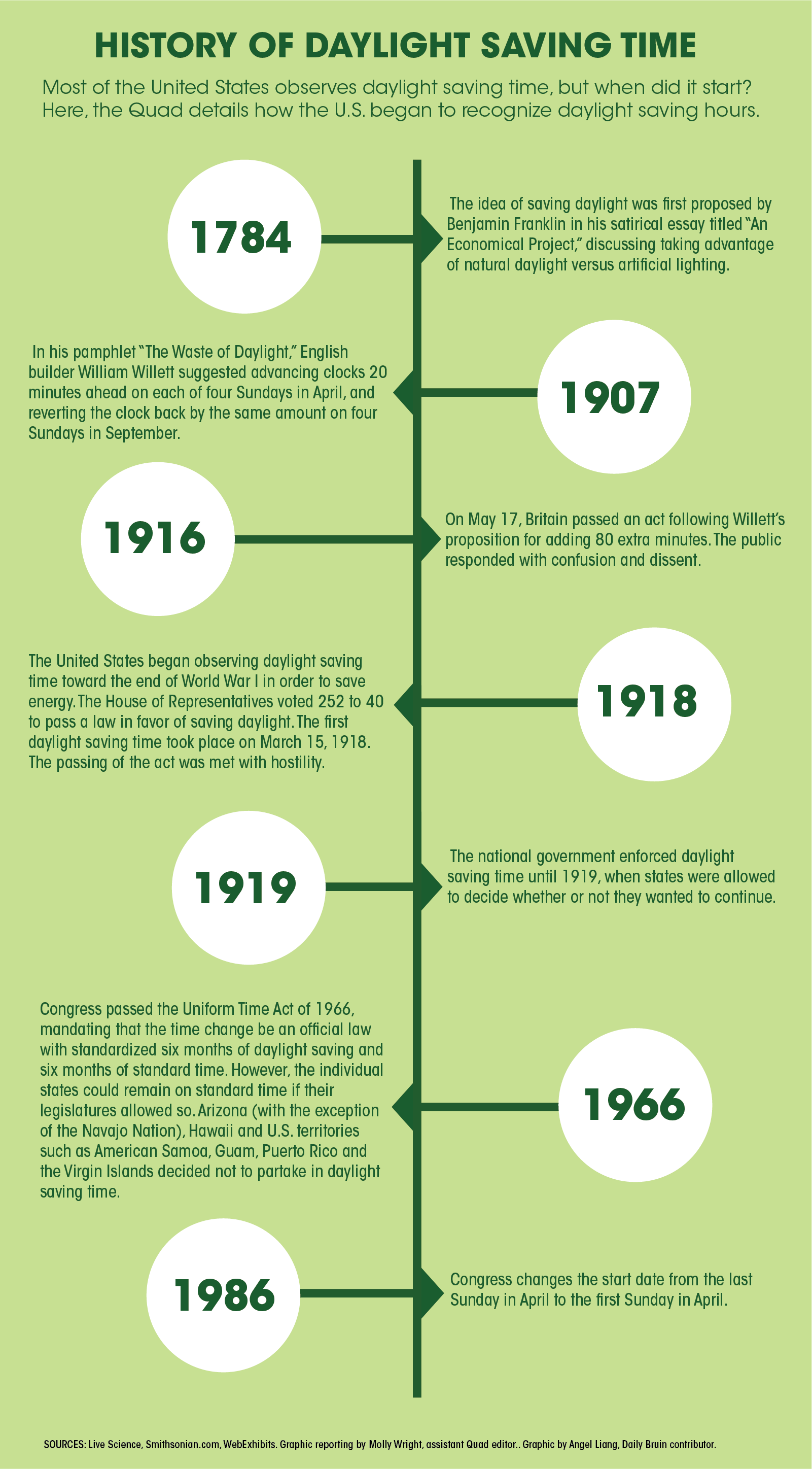
The concept of Daylight Saving Time, first proposed in the early 20th century, was primarily implemented to conserve energy during wartime by extending daylight into the evening. By shifting an hour of daylight from the morning to the evening, the idea was to reduce the need for artificial lighting. While the energy-saving benefits are still debated, DST has remained a widespread practice in many countries, including the United States.
For travelers, the practical implication is primarily about maximizing daylight hours for activities. During PDT, evenings stretch longer, allowing for extended sightseeing, outdoor dining, or enjoying California’s iconic sunsets. This extra hour of perceived daylight can significantly enhance the travel experience, particularly for those visiting attractions like Disneyland in Anaheim, exploring the beaches of San Diego, or hiking in Yosemite National Park. Conversely, the shift back to PST means earlier sunsets, which might require adjusting schedules for evening plans, especially during the fall and winter months.
The Annual Shift: Marking Your Calendar for California’s Time Change
The key question for travelers remains: precisely when does California change its time? The dates are consistent year after year, making it relatively straightforward to anticipate the shift and plan accordingly.
Springing Forward: Losing an Hour, Gaining Light
The transition to Pacific Daylight Time (PDT), colloquially known as “springing forward,” occurs on the second Sunday in March. On this day, at 2:00 AM Pacific Standard Time (PST), clocks are advanced by one hour to 3:00 AM Pacific Daylight Time (PDT).
For travelers arriving on or around this date, it’s crucial to remember that you will effectively “lose” an hour. If you have an early morning flight, an organized tour, or a pre-booked shuttle on the second Sunday in March, ensure your devices have automatically adjusted, or manually set your clock forward by one hour before going to bed on Saturday night. This shift means that sunrise and sunset will occur one hour later than the previous day, offering brighter evenings for leisure activities. Destinations like Los Angeles and San Francisco come alive with the extended daylight, making evening explorations more appealing.
Falling Back: Reclaiming an Hour, Embracing Early Evenings
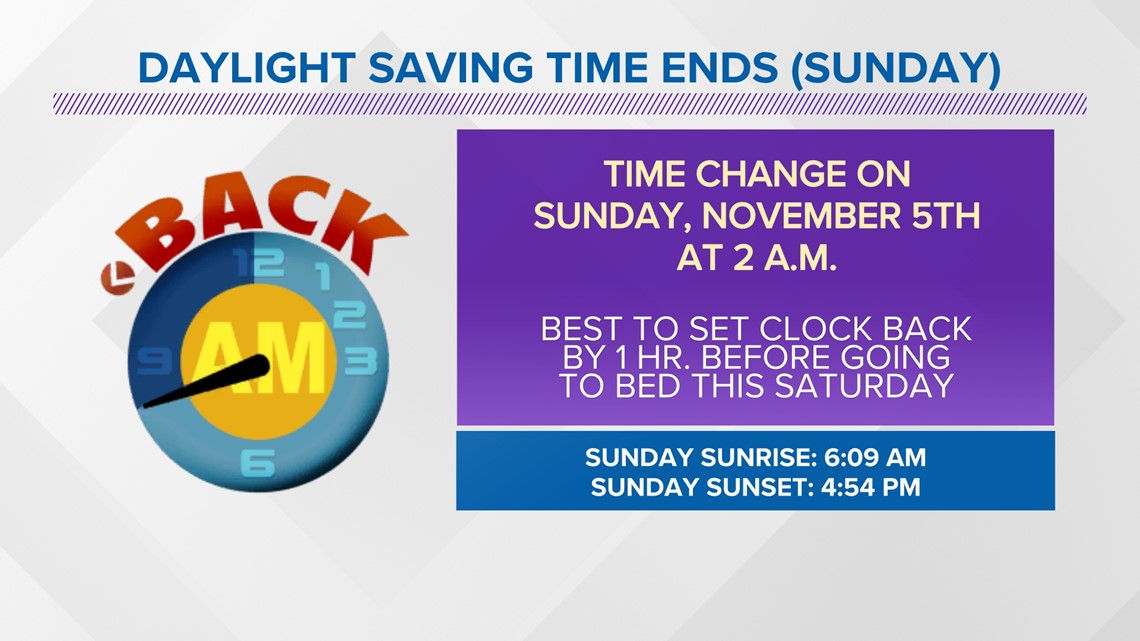
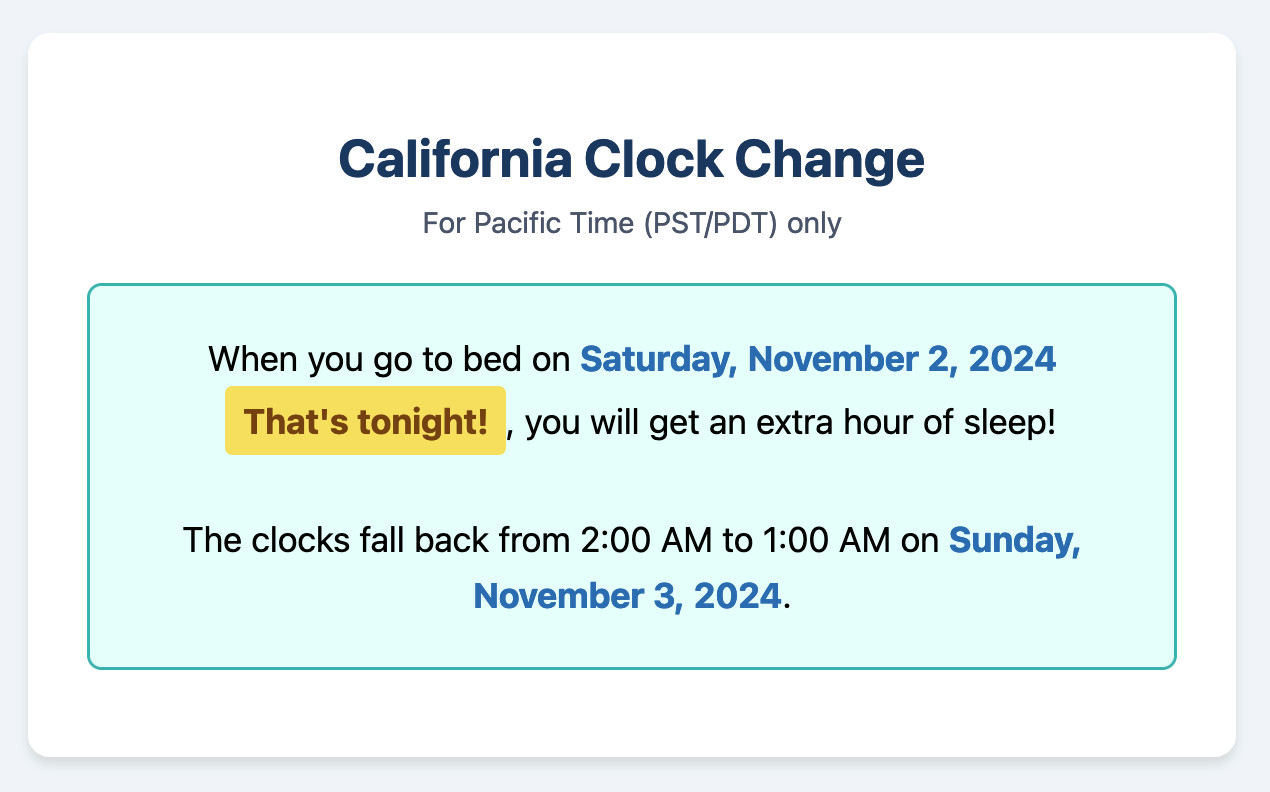
The return to Pacific Standard Time (PST), or “falling back,” happens on the first Sunday in November. At 2:00 AM Pacific Daylight Time (PDT), clocks are moved back one hour to 1:00 AM Pacific Standard Time (PST).
This shift means you gain an hour, which can be a welcome bonus for travelers. An extra hour of sleep can help alleviate any lingering travel fatigue or jet lag. However, just as with springing forward, vigilance is key. If you have an early morning activity, be mindful of the clock change to avoid arriving an hour too early. The most significant impact of falling back is the earlier onset of darkness. Sunsets will occur one hour earlier, which means planning outdoor activities, particularly those dependent on daylight, requires careful consideration. For example, if you plan to visit the Golden Gate Bridge or explore a scenic drive, be aware that dusk will arrive sooner. This might encourage more indoor evening activities, like exploring museums or enjoying California’s diverse culinary scene.
Navigating Your Journey: Travel Logistics During Time Transitions
The direct implications of the time change for a traveler are numerous and can range from minor inconveniences to significant disruptions if not properly managed. Successful travel during these periods relies on awareness and proactive planning.
Flights, Trains, and Buses: Adjusting Schedules
Air travel is arguably the most sensitive to time changes. Airlines generally operate on fixed schedules, and major changes like DST shifts are typically accounted for in their systems. However, it’s always prudent for travelers to double-check their flight itineraries immediately before departure, especially for flights scheduled on the second Sunday in March or the first Sunday in November. A flight departing at “8:00 AM local time” on the day of the change could effectively mean a different actual clock time. Most modern booking systems and digital boarding passes will display the adjusted local time, but a quick verification can prevent a stressful dash to the airport.
Similarly, train and bus schedules within California and for inter-state travel will be impacted. While long-distance overnight trains might even pause to account for the time shift, local services will simply follow the new clock time. Always confirm departure and arrival times with the respective transport providers.
Accommodation Check-ins and Check-outs
Hotels, resorts, and vacation rentals in cities like San Jose, Oakland, and Sacramento operate on local time. This usually means that their check-in and check-out policies seamlessly adapt to the time change. However, if you are arriving very early or departing very late on the day of the time change, it’s worth a quick call to your accommodation to confirm their policies. For instance, if you “fall back” and arrive an hour early by the clock, the hotel staff will likely be ready for you at the new local time. Conversely, if you “spring forward” and aim for a morning check-out, remember that you effectively have one less hour of sleep before your designated check-out time. Clear communication with your accommodation provider can smooth out any potential confusion.
Planning Activities and Tours: Synchronizing Your Itinerary
This is where the time change can have a significant impact on your day-to-day travel experience. Tourist attractions, museums, theme parks, guided tours, and restaurant reservations all adhere to local time.
- Springing Forward: When you lose an hour, an 8:00 AM tour will feel like 7:00 AM to your body, potentially making it harder to wake up and get ready. Also, consider that attractions might close an hour “later” by the new clock time, allowing for more evening exploration.
- Falling Back: When you gain an hour, an 8:00 AM tour will feel like 9:00 AM, giving you an extra hour of rest. However, remember that attractions will close an hour “earlier” by the new clock time, potentially cutting short your afternoon plans if you’re not careful.
Always verify the operating hours of attractions and the start times of tours for the specific date you plan to visit. Many online booking platforms and attraction websites automatically adjust their displayed times, but a cross-reference with the official operating calendar is a good practice. This is especially true for popular attractions in major cities or national parks, where precise timing is essential for entry or tour participation.
Minimizing Disruption: Tips for Travelers in California
While the time change might seem like a minor detail, a little preparation can significantly enhance your travel experience.
Proactive Planning and Digital Aids
The simplest way to manage the time change is to be aware of it well in advance. Mark the second Sunday in March and the first Sunday in November on your travel calendar. Most smartphones and digital devices automatically update their clocks when connected to a network, but it’s wise to double-check their settings. Ensure your device is set to automatically update its time zone and daylight saving adjustments. For analog watches or non-connected devices, remember to manually adjust them. Cross-referencing your itinerary against the official time change dates will help you spot any potential conflicts.
Managing Your Internal Clock: Combating Jet Lag (or ‘Time Change Lag’)
Even without crossing multiple time zones, the one-hour shift of Daylight Saving Time can slightly disrupt your body’s internal clock, especially when “springing forward.” You might feel a mild form of jet lag, often referred to as “social jet lag.”
- When Springing Forward: Try to go to bed 30-60 minutes earlier on Saturday night before the change. Expose yourself to natural light upon waking on Sunday morning to help reset your circadian rhythm. Avoid heavy meals or caffeine close to bedtime.
- When Falling Back: This shift is usually easier as you gain an hour. You might be tempted to stay up an hour later, but try to maintain your regular sleep schedule to avoid feeling sluggish the next day. Take advantage of the extra morning light for an early start to your California adventures.
Hydration and light exercise can also aid in adjusting to the new time, making your exploration of California’s diverse regions, from the bustling streets of San Francisco to the serene landscapes of its wine country, more enjoyable.
Embracing the Change: Maximizing Your California Experience
Ultimately, the time change is a fixed annual event that, with proper planning, should not detract from your California travel. Instead, consider how it might enhance your trip:
- Extended Evenings (PDT): Take advantage of the longer daylight hours for evening walks along the beach, outdoor dining, or exploring vibrant city nightlife without feeling rushed by early sunsets.
- Cozy Evenings (PST): Embrace the earlier darkness in the fall and winter months. This is an excellent time for cozy evenings, enjoying indoor attractions like museums or galleries, or perhaps experiencing a world-class show in Los Angeles.
By understanding when California’s time changes and how to prepare for it, you can ensure your trip is perfectly aligned with your desires, allowing you to immerse yourself fully in all the wonders the Golden State has to offer. Safe travels, and may your clocks always be perfectly synchronized!
LifeOutOfTheBox is a participant in the Amazon Services LLC Associates Program, an affiliate advertising program designed to provide a means for sites to earn advertising fees by advertising and linking to Amazon.com. Amazon, the Amazon logo, AmazonSupply, and the AmazonSupply logo are trademarks of Amazon.com, Inc. or its affiliates. As an Amazon Associate we earn affiliate commissions from qualifying purchases.