
Embarking on a journey between two of America’s most iconic and historically rich cities, New York City and Boston, is a classic East Coast adventure. Whether you’re planning a business trip, a weekend getaway, or a leisurely exploration of the Northeast, understanding the distance and various travel options is key to a smooth and enjoyable experience. While both cities boast distinct personalities— New York City a bustling global metropolis and Boston a charming hub of history and innovation—the path connecting them is well-trodden and offers a variety of perspectives on the American landscape. This guide will delve into the precise distances, dissect the pros and cons of different transportation methods, and provide insights to help you choose the best way to traverse the miles separating these magnificent urban centers.
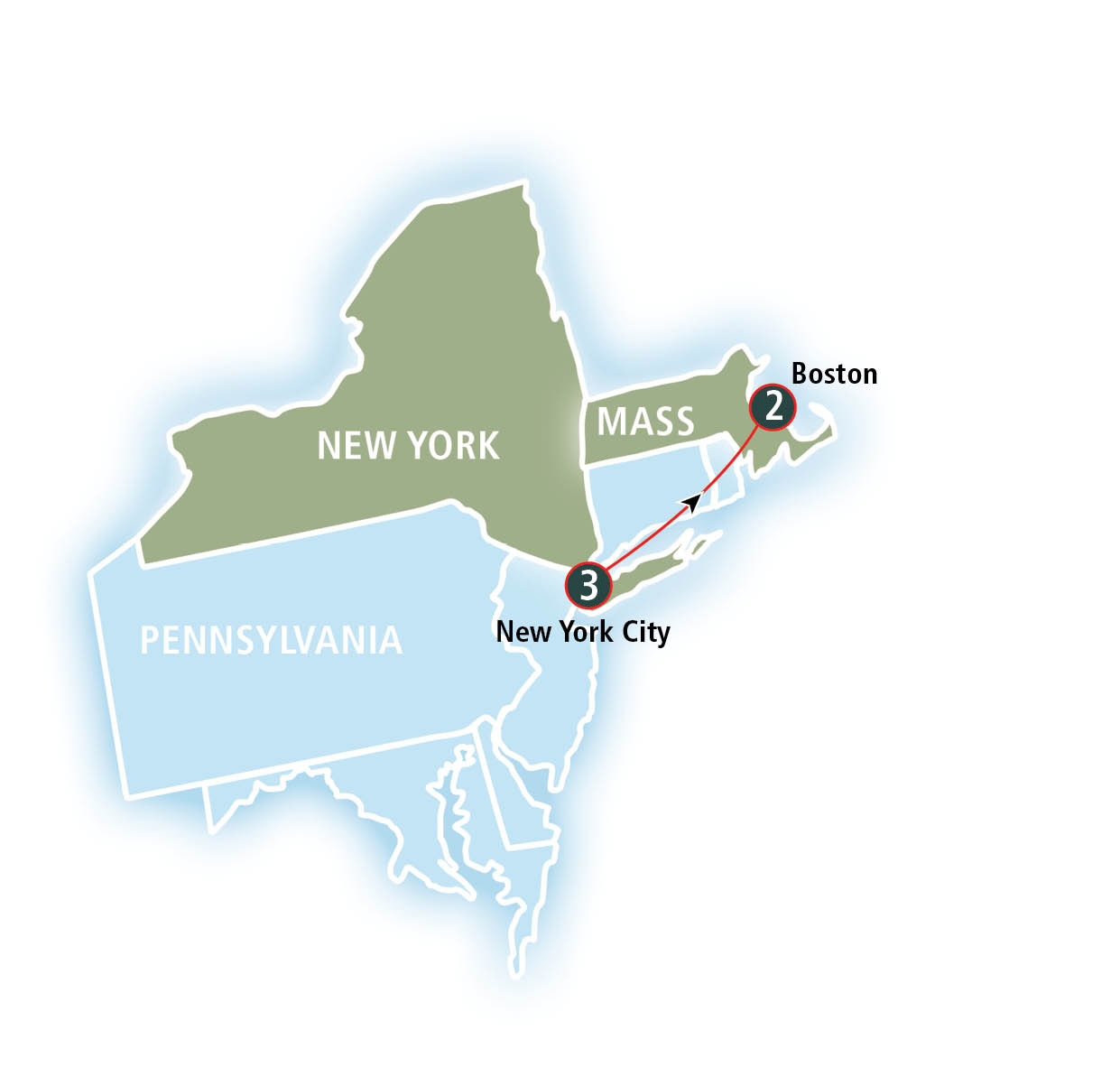
Understanding the Distance and Route Between NYC and Boston
The geographical proximity of New York City and Boston makes this an easily manageable journey, yet the exact distance can vary slightly depending on your chosen mode of transport and the specific points of departure and arrival. Understanding these nuances is the first step in planning your trip.
The Straight-Line Distance vs. Driving Distance
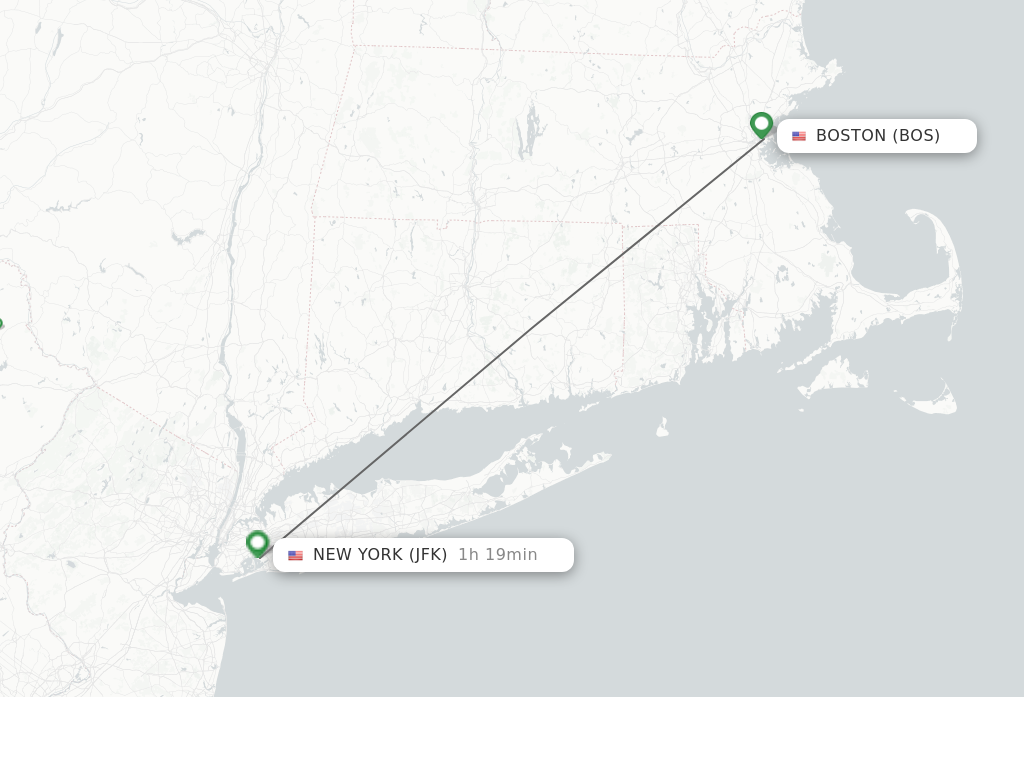
As the crow flies, the aerial distance between New York City and Boston is approximately 190 miles (306 kilometers). This measurement, however, is rarely practical for actual travel unless you’re piloting a private aircraft. For most travelers, the actual distance covered will be greater due to the winding nature of roads and rail lines.
When traveling by road, the typical driving distance hovers around 215 to 220 miles (346 to 354 kilometers). This slight increase accounts for the necessary turns, curves, and direct routes designed for vehicle flow rather than straight-line efficiency. Factors such as road construction, traffic patterns, and chosen detours can also slightly alter the real-world mileage you accumulate. For rail travel, the track distance is often quite similar to the driving distance, optimized for direct city-to-city connections. Air travel, while flying close to the straight-line distance, involves significant ground travel to and from airports, making the total journey considerably longer than the flight time itself.
Key Interstate Routes and Scenic Alternatives
The primary artery connecting New York City and Boston by road is Interstate 95 (I-95), a major north-south highway stretching along the East Coast. This route is the most direct and generally the fastest, though it is infamous for heavy traffic, particularly during peak hours and holidays. Traveling along I-95 will take you through parts of Connecticut and Rhode Island before reaching Massachusetts. There are several toll roads along this corridor, most notably portions of the Connecticut Turnpike and the Massachusetts Turnpike (I-90) as you approach Boston.
For those seeking a more scenic drive or wishing to avoid the heavy congestion of I-95, alternative routes exist, though they generally add to the travel time. One popular option involves taking I-84 northeast through central Connecticut and then connecting to the Massachusetts Turnpike (I-90) eastbound towards Boston. This route often offers more picturesque landscapes, particularly in the fall when the foliage is vibrant, and might provide a less stressful driving experience, albeit potentially longer in terms of mileage and duration if you hit local traffic. Regardless of the route, travelers should always account for potential delays and plan their journey accordingly, using real-time traffic updates.
Diverse Travel Options: Choosing Your Journey
The choice of transportation between New York City and Boston largely depends on your priorities: speed, cost, comfort, or flexibility. Each mode of travel offers a distinct experience.
Driving: Freedom and Flexibility
Driving offers unparalleled freedom and flexibility, allowing you to depart on your schedule, make spontaneous stops, and carry more luggage. The typical driving time, without significant traffic, ranges from 3.5 to 4.5 hours. However, this can easily extend to 5-7 hours or more during rush hour, weekends, or holidays, especially around major metropolitan areas like New York City, Stamford, New Haven, and Providence. Key considerations for drivers include fuel costs, which can fluctuate, and tolls along I-95 and the Massachusetts Turnpike which can add a significant expense. Parking in both New York City and Boston can also be challenging and expensive, so factor this into your budget and plan your parking strategy in advance. For those who enjoy road trips, the journey offers opportunities for scenic detours, perhaps exploring charming coastal towns or historical sites in Connecticut.
Rail Travel: Comfort and Convenience
Train travel between New York City and Boston is a popular and often relaxing choice, largely serviced by Amtrak. The primary services are the high-speed Acela Express and the more frequent Northeast Regional. The Acela Express boasts a journey time of approximately 3.5 hours, making it competitive with driving, especially when factoring in traffic. The Northeast Regional typically takes about 4 to 4.5 hours. Trains depart from Moynihan Train Hall (and Penn Station) in New York City and arrive at South Station in Boston, both conveniently located downtown.
Train travel offers comfortable seating, Wi-Fi access, and dining car services, allowing passengers to work, relax, or enjoy the passing scenery without the stress of driving. It’s also an excellent option for avoiding city traffic and the hassle of parking. Ticket prices vary widely based on how far in advance you book, the time of day, and the class of service, with Acela Express generally being more expensive.
Bus Services: Budget-Friendly and Accessible
Bus travel is typically the most economical option for traveling between New York City and Boston. Several companies operate on this route, including Greyhound, Peter Pan Bus Lines, and various Chinatown bus services. Journey times range from 4 to 5 hours, depending on traffic and the number of stops. While often slower than trains or driving without traffic, buses offer a reliable and straightforward mode of transportation.
Most modern buses provide amenities such as free Wi-Fi, power outlets, and comfortable seating, making the journey pleasant. Departure points in New York City include the Port Authority Bus Terminal, while in Boston, buses typically arrive at South Station Bus Terminal. This option is particularly attractive for budget-conscious travelers or those who prefer not to drive or deal with airport complexities.
Flying: The Quickest Option (with caveats)
While the flight itself is remarkably short—around 1 hour—flying between New York City and Boston is often not the quickest overall travel solution once you account for the entire airport experience. When you factor in travel to and from airports (like JFK, LaGuardia Airport, or Newark Liberty International Airport in the New York City area and Logan International Airport in Boston), check-in, security screening, boarding, and potential delays, the total door-to-door travel time can easily stretch to 4-6 hours or more.
This means that for the average traveler, flying often takes as long as, if not longer than, taking the Acela Express train. Airfares can also fluctuate significantly, often being more expensive than bus or even train tickets, especially for last-minute bookings. However, for those connecting from another flight or with specific airline loyalty, it can still be a viable option. The convenience of air travel for short distances is often an illusion once all variables are considered.
Planning Your Trip: Considerations and Tips
Effective planning is crucial to ensure a smooth and enjoyable journey between New York City and Boston, regardless of your chosen mode of transport.
Best Time to Travel
The timing of your trip can significantly impact your travel experience. Weekday rush hours (roughly 7-9 AM and 4-7 PM) are notorious for heavy traffic on I-95 and around both cities, affecting driving and bus times. Fridays and Sundays, particularly during holiday weekends, also see a surge in traffic as people commute for weekend getaways, leading to extended travel durations for all ground transportation options.
Seasonally, spring and fall generally offer the most pleasant weather for travel, with comfortable temperatures and beautiful scenery, especially for drivers. Summer can bring heat and increased tourist traffic, while winter can present challenges with snow and ice, potentially causing delays and cancellations for all modes of transport. Booking tickets for trains and buses well in advance, especially during peak seasons or holidays, is highly recommended to secure better fares and availability.
Cost Comparison Across Modes
The cost of your journey can vary dramatically. Bus tickets are almost always the most budget-friendly, often ranging from $20-$50 one-way. Train tickets for the Northeast Regional can start around $40-$60 but can easily exceed $100 depending on demand and booking time, while Acela Express tickets typically range from $60-$150, sometimes even higher.
Driving costs involve fuel (which can be $30-$50 for a one-way trip depending on vehicle efficiency and gas prices), tolls ($10-$25 one-way), and potentially expensive city parking (upwards of $30-$50+ per day in both New York City and Boston). Airfares are the most volatile, potentially found for as low as $50-$100 during sales, but often climbing to $200-$300+ for standard bookings, not including baggage fees or airport transfer costs. A thorough comparison based on your specific travel dates and preferences is always wise.
What to Pack and Prepare For
Regardless of how you travel, a few essentials can enhance your journey. For all modes, comfortable clothing is key. If traveling by train or bus, consider bringing a good book, headphones, or a tablet pre-loaded with entertainment to pass the time. Portable chargers for your devices are also invaluable. Snacks and drinks can save you money and ensure you have what you like.
For drivers, ensure your vehicle is in good condition, check tire pressure, and have plenty of fuel. Keep an emergency kit handy, especially during winter months. Always have an up-to-date GPS or map application and consider carrying cash for potential tolls (though many are electronic now). If you’re sensitive to motion sickness, particularly on buses with winding routes, prepare accordingly. Lastly, keep your travel documents, IDs, and tickets easily accessible.
A Tale of Two Cities: Brief Introduction to Destinations
While the focus here is on the journey, it’s worth a brief acknowledgment of the incredible destinations awaiting you.
New York City: The Starting Point
For many, New York City serves as a vibrant starting point, a city that needs little introduction. From the iconic skyline of Manhattan to the artistic energy of Brooklyn, New York City is a melting pot of culture, commerce, and creativity. Travelers departing from NYC will leave behind a city buzzing with world-class museums, Broadway shows, diverse culinary experiences, and endless opportunities for exploration. The anticipation of the journey to Boston begins amidst this urban tapestry.
Boston: The Destination Awaits
As you approach Boston, a different, yet equally captivating, atmosphere emerges. Boston is a city where revolutionary history meets modern innovation. The cobblestone streets of the North End, the academic prowess of Cambridge, and the serene beauty of the Boston Common offer a stark contrast to New York City’s relentless pace. Upon arrival, whether at South Station or Logan International Airport, you are immediately immersed in a city rich with American heritage, vibrant neighborhoods, and a distinct charm that draws visitors from around the globe.
Making the Most of Your Journey
Even a relatively short journey between two cities can offer opportunities for enjoyment and discovery.
Scenic Stops and Detours
If driving, consider making a stop in New Haven, Connecticut, home to Yale University and famous for its pizza. Alternatively, coastal towns like Mystic, Connecticut offer charming maritime history and delicious seafood, though they require a slight detour off I-95. For those taking the I-84 route, the rolling hills and picturesque small towns of central Connecticut can provide a pleasant break from highway driving, especially during the fall foliage season. These brief pauses can transform a utilitarian drive into a memorable part of your travel experience.

Onboard Experiences
On the train, the journey along the Northeast Corridor offers glimpses of urban landscapes, coastal views, and lush New England countryside. The Wi-Fi on Amtrak allows for productivity or entertainment, while the dining car provides a chance to stretch your legs and enjoy a meal or snack. Buses, too, increasingly offer amenities that make the ride more comfortable. Even for the seemingly mundane, embracing the journey itself, with its unique sights and sounds, can add to the richness of your overall travel narrative.
The distance between New York City and Boston is a manageable stretch, offering a wealth of choices for how you traverse it. Whether you opt for the speed of the Acela Express, the flexibility of driving, the economy of a bus, or even a quick flight, understanding the nuances of each option will empower you to plan the perfect trip. Ultimately, the journey between these two historic cities is more than just miles; it’s an opportunity to experience the diverse tapestry of the American Northeast.
LifeOutOfTheBox is a participant in the Amazon Services LLC Associates Program, an affiliate advertising program designed to provide a means for sites to earn advertising fees by advertising and linking to Amazon.com. Amazon, the Amazon logo, AmazonSupply, and the AmazonSupply logo are trademarks of Amazon.com, Inc. or its affiliates. As an Amazon Associate we earn affiliate commissions from qualifying purchases.