
The promise of high-speed rail in California has long captivated the imagination, offering a vision of swift, seamless travel across the Golden State. Conceived as a transformative infrastructure project, the California High-Speed Rail aims to connect the major metropolitan hubs of San Francisco and Los Angeles with rapid, efficient train service. Such a system holds the potential to fundamentally alter the landscape of travel, making distant destinations more accessible and fostering new experiences for residents and visitors alike. However, the journey to completion has been complex, marked by engineering challenges, funding debates, and shifting timelines. Understanding the current status and future projections for this monumental undertaking is key to appreciating its eventual impact on travel in California.
A Vision for High-Speed Connectivity Across California
The concept of high-speed rail in California emerged from a desire to create a sustainable and efficient alternative to air and car travel, especially given the state’s growing population and increasing congestion. The project envisions a network that would allow travelers to traverse hundreds of miles in just a few hours, fostering stronger economic and cultural ties between diverse regions.
The Ambitious Scope of the Project
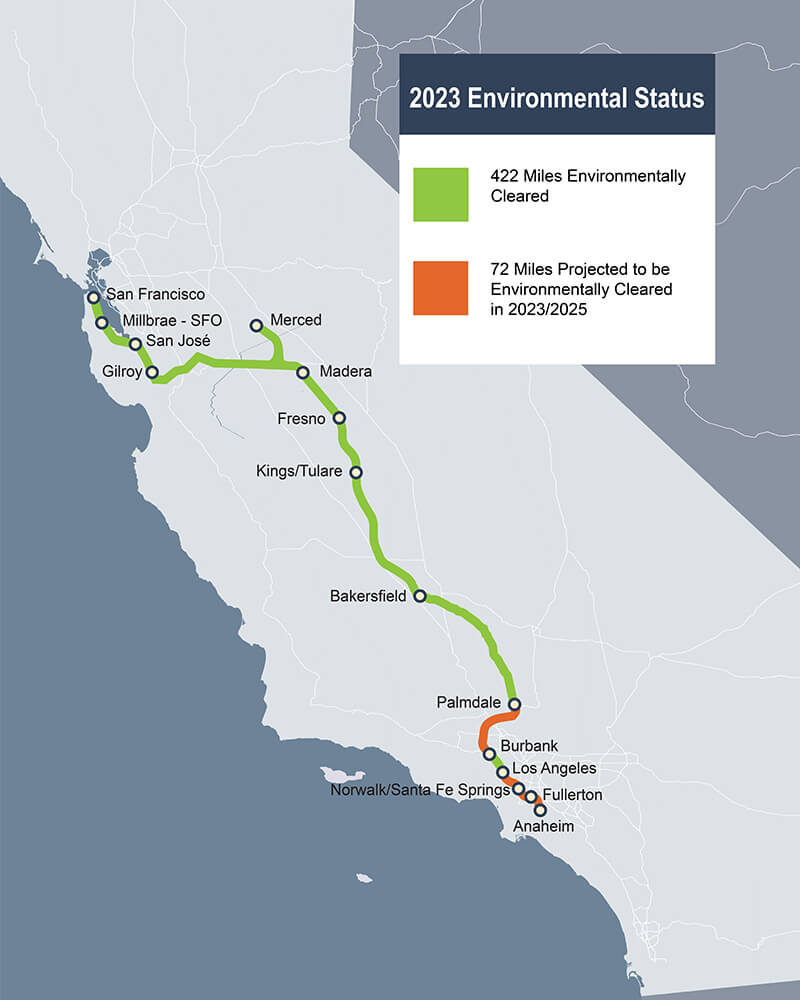
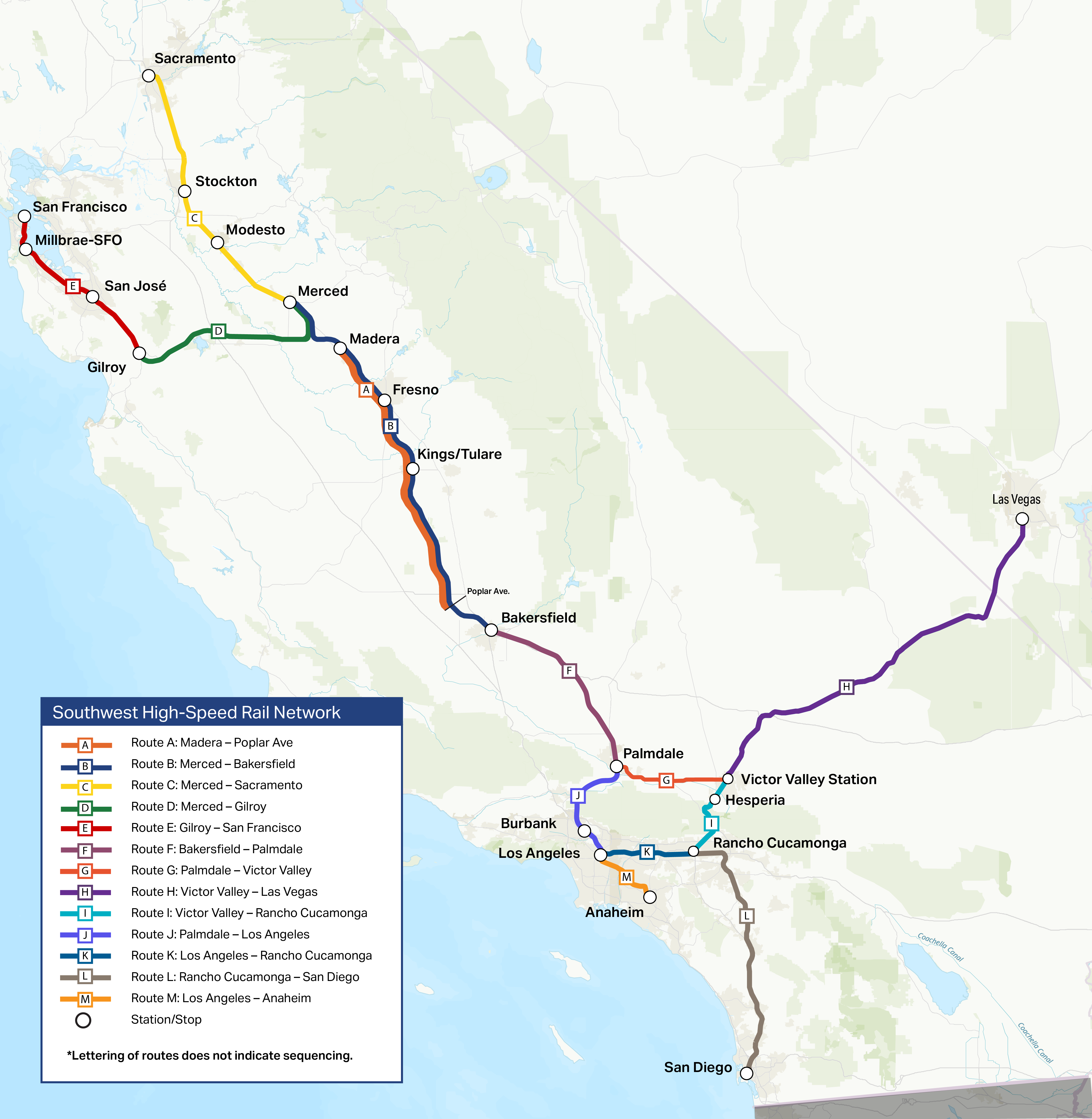
At its full realization, the California High-Speed Rail system is designed to span approximately 800 miles, linking San Francisco in the north, through the Central Valley, to Los Angeles and Anaheim in the south, with potential extensions to Sacramento and San Diego. Trains are projected to operate at speeds exceeding 200 miles per hour, dramatically cutting down travel times. For instance, a journey from San Francisco to Los Angeles, which currently takes several hours by car or a short but often delayed flight, would theoretically be reduced to less than three hours. This speed and efficiency are expected to redefine the daily commute for many and open up new possibilities for weekend getaways and business trips.
Current Progress and Challenges
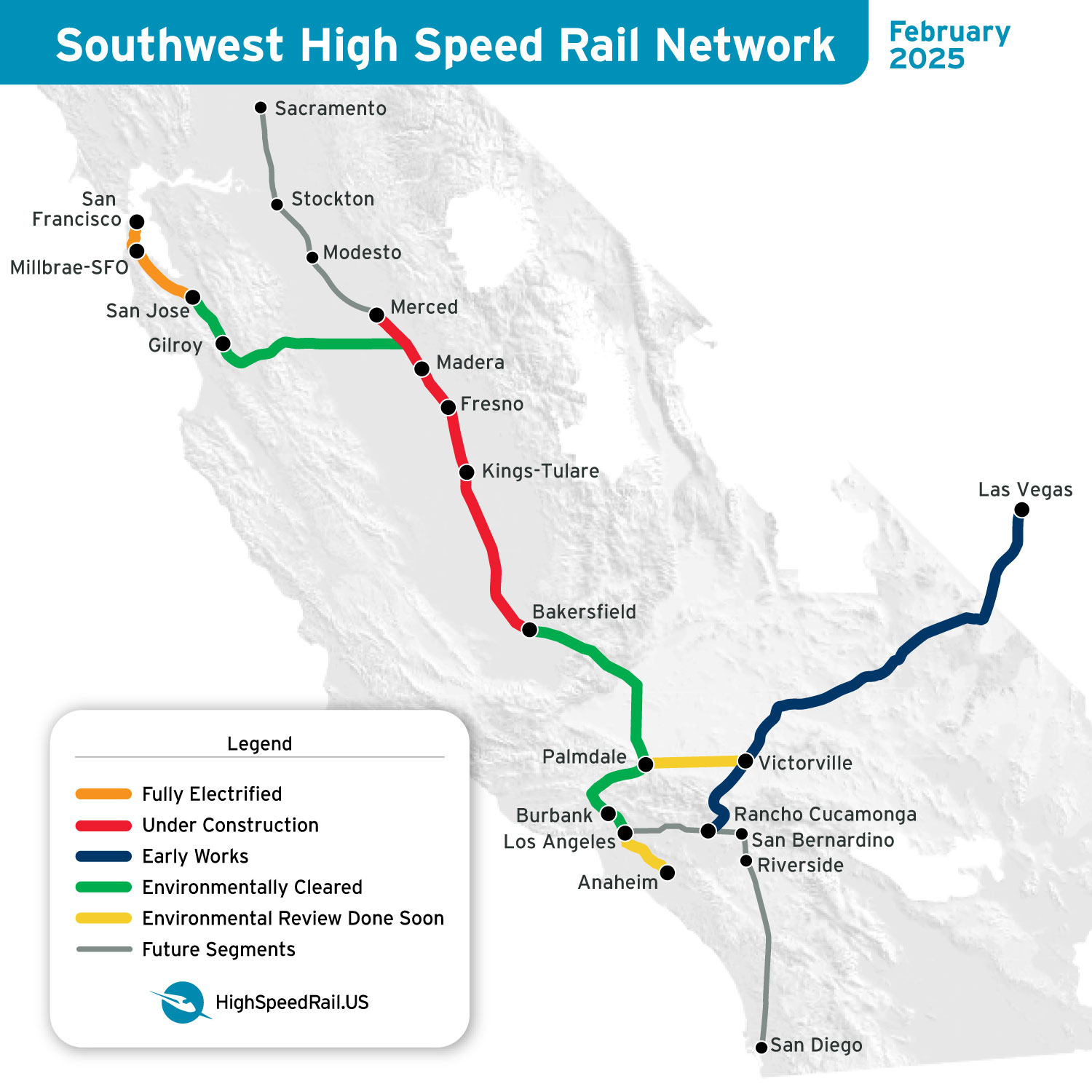
While the ultimate vision remains compelling, the project’s execution has faced considerable hurdles. Construction is currently most advanced in the Central Valley segment, a challenging but crucial section that will serve as the backbone of the initial operating segment. This phase involves building viaducts, bridges, and grade separations across a vast agricultural landscape. The California High-Speed Rail Authority has made progress in acquiring land, relocating utilities, and laying track in areas like Fresno and Bakersfield. However, the sheer scale of the undertaking, coupled with complex environmental regulations, land acquisition disputes, and escalating material costs, has contributed to delays and increased budgets. Each mile of track, each station design, and each segment connection presents unique engineering and logistical challenges that must be meticulously addressed to ensure a safe, reliable, and world-class travel system.
The Evolving Timeline and Phased Approach
The timeline for the California High-Speed Rail has been a dynamic subject, evolving significantly since its inception. What began as an ambitious single-phase concept has adapted into a more pragmatic, phased construction and operational strategy.
Initial Projections vs. Reality
When the project was first approved by voters in 2008, initial projections suggested an operational system by the mid-2020s. This optimistic outlook, however, did not fully account for the intricate realities of building such a massive public works project in a densely populated and geographically diverse state. The complexities of obtaining environmental clearances, securing rights-of-way, and managing a multi-billion dollar budget across different political administrations proved far more challenging than initially estimated. As such, the concept of a single, swift completion gave way to a more realistic understanding of the project’s incremental nature.
Key Milestones and Revised Schedules
Currently, the primary focus is on completing the initial operating segment (IOS) in the Central Valley, which will connect Merced to Bakersfield. This segment, approximately 171 miles long, is critical for demonstrating the viability of the high-speed technology and generating revenue that can be reinvested into subsequent phases. The California High-Speed Rail Authority has indicated that this Central Valley segment could be operational in the early 2030s.
Following the Central Valley IOS, the next major phases involve extending the line north to San Jose and ultimately to San Francisco, and south through Palmdale to Los Angeles and Anaheim. While no definitive date has been set for the completion of the full Phase 1 system (San Francisco to Anaheim), current estimates from the California High-Speed Rail Authority suggest a possible completion by the mid-to-late 2030s, contingent on securing full funding and overcoming remaining challenges. This phased approach allows for incremental progress and the ability to adapt to changing circumstances and technologies.
Funding and Political Hurdles
The lifecycle of the California High-Speed Rail project has been inextricably linked to its funding mechanisms and the political will to sustain it. A significant portion of the initial funding came from a voter-approved bond measure, Proposition 1A, augmented by federal grants and state appropriations. However, the projected total cost of the full system has grown considerably, leading to ongoing debates about additional funding sources. Public-private partnerships, further federal investment, and innovative financing models are continually explored to bridge the financial gaps. The political landscape in California and nationally plays a pivotal role, with each change in administration potentially influencing the project’s priorities and funding allocation. The long-term success hinges on a sustained commitment from various levels of government and a clear vision for its economic and social returns.
What High-Speed Rail Means for California Travelers
Beyond the engineering marvel, the real promise of the California High-Speed Rail lies in its potential to revolutionize travel throughout the state. For the millions who call California home or visit its iconic destinations, this new mode of transportation could unlock unprecedented levels of convenience and connectivity.
Transforming Inter-City Travel
Currently, inter-city travel in California is dominated by automobiles and regional flights. The high-speed rail offers a compelling alternative, particularly for journeys between major urban centers. Imagine traveling from a meeting in San Francisco to an evening event in Los Angeles without the hassle of airport security, flight delays, or highway gridlock. Business travelers could maximize productivity with onboard Wi-Fi and comfortable seating, while leisure travelers could enjoy scenic views without the stress of driving. This shift could significantly reduce travel times, making multi-city itineraries more feasible and enjoyable.
Economic and Environmental Impacts
The development of the high-speed rail project itself has spurred economic activity, creating thousands of construction jobs and stimulating local economies in the Central Valley. Once operational, the system is expected to continue fostering economic growth by improving access to employment centers and tourist attractions across the state. Furthermore, a core benefit of high-speed rail is its environmental advantage. By providing an attractive alternative to car and air travel, it aims to reduce greenhouse gas emissions, alleviate road congestion, and lessen the environmental footprint associated with transportation. This aligns with California’s broader goals for sustainability and clean energy.
Connecting Major Destinations
The full network will connect a remarkable array of California’s most famous destinations. From the cultural vibrancy of San Francisco and San Jose’s tech innovation to the agricultural heartland of the Central Valley and the entertainment capital of Los Angeles, the train will serve as a vital link. This connectivity will open up new travel itineraries, allowing tourists to experience diverse facets of California with greater ease. Travelers could seamlessly transition from exploring the vineyards of Napa Valley to the beaches of Southern California, or from hiking in the Sierra Nevada foothills to attending a concert in Anaheim, all within a single trip without the need for multiple modes of transport or the complications of long drives.
Anticipated Travel Experiences
When the high-speed trains finally roll, the experience for travelers is anticipated to be a significant upgrade from existing options, setting a new standard for inter-city journeys.
Speed, Comfort, and Convenience
The hallmark of high-speed rail is its unparalleled combination of speed and comfort. Passengers can expect spacious seating, ample legroom, and modern amenities such as Wi-Fi and power outlets, transforming travel time into productive or relaxing time. The smooth ride, free from the turbulence of air travel or the stop-and-go of traffic, will allow for an experience that is both efficient and enjoyable. Stations will likely be centrally located within cities, offering easy access to local transit networks and reducing the time spent commuting to and from distant airports. This integrated approach will streamline the entire travel process, from booking to arrival at the final destination.
Potential Impact on Air and Road Travel
The introduction of high-speed rail is expected to significantly shift travel patterns in California. For routes shorter than 500 miles, high-speed rail often becomes the preferred mode of transport over air travel due to its city-center access, reduced security hassles, and lower environmental impact. This could lead to a decrease in short-haul flights between San Francisco and Los Angeles, freeing up airport capacity for longer-haul flights. Similarly, the project aims to alleviate congestion on California’s notoriously busy freeways, offering a viable alternative for those who currently endure long, tiring drives. While it won’t eliminate car travel, it will provide a choice that could drastically improve the quality of life for many commuters and travelers.
Looking Ahead: The Future of California Mobility
The California High-Speed Rail project is more than just a train line; it is a long-term investment in the future of mobility for one of the world’s largest economies. Its successful completion will pave the way for a more integrated and sustainable transportation ecosystem.
Integration with Existing Transit Networks
A crucial aspect of the high-speed rail’s success will be its seamless integration with existing local and regional transit systems. Stations are being designed with connections to BART, Caltrain, Metrolink, and other local bus and light rail services, ensuring that travelers can easily reach their final destinations once they disembark the high-speed train. This multi-modal approach maximizes the utility of the high-speed line, extending its reach far beyond the immediate vicinity of its stations and creating a truly interconnected travel network across the state. This foresight in planning will transform the journey, making every point of interest more reachable.
Long-Term Vision and Economic Benefits
While the immediate focus is on the operational Central Valley segment, the long-term vision encompasses a comprehensive network that could serve as a model for other regions. The economic benefits extend beyond job creation to include increased tourism, easier access to talent pools for businesses, and improved connectivity for goods movement. The project also positions California as a leader in sustainable infrastructure, demonstrating a commitment to innovative solutions for 21st-century travel challenges. The high-speed rail is expected to unlock new opportunities for development around its stations, fostering vibrant urban hubs and stimulating economic revitalization in surrounding communities.
In conclusion, while the question “When will the California High-Speed Rail be completed?” continues to be met with evolving timelines, the progress made, particularly in the Central Valley, offers tangible hope. The initial operating segment is projected for the early 2030s, with the full San Francisco to Anaheim line potentially operational by the mid-to-late 2030s. This ambitious project, though fraught with challenges, promises to redefine travel in California, offering a faster, more sustainable, and ultimately more enjoyable way to explore the diverse landscapes and vibrant cities of the Golden State. For anyone planning to travel within California, the eventual completion of this high-speed network represents a truly game-changing development.
LifeOutOfTheBox is a participant in the Amazon Services LLC Associates Program, an affiliate advertising program designed to provide a means for sites to earn advertising fees by advertising and linking to Amazon.com. Amazon, the Amazon logo, AmazonSupply, and the AmazonSupply logo are trademarks of Amazon.com, Inc. or its affiliates. As an Amazon Associate we earn affiliate commissions from qualifying purchases.