
The quest for faster, more sustainable, and efficient intercity travel in the United States has long been a topic of debate and ambitious planning. At the forefront of this vision is the California High-Speed Rail project, an undertaking of immense scale designed to redefine travel across the Golden State. For travelers, commuters, and businesses alike, the looming question remains: when will this transformative infrastructure be completed, and what will the journey truly entail?
A Vision for California’s Future of Travel
The California High-Speed Rail (CAHSR) project is more than just tracks and trains; it’s a bold reimagining of mobility within one of the world’s largest economies. Its inception was driven by the need to address growing congestion on freeways and in airports, provide a greener alternative to air and car travel, and connect the state’s diverse regions with unprecedented speed.
The Promise of High-Speed Connectivity
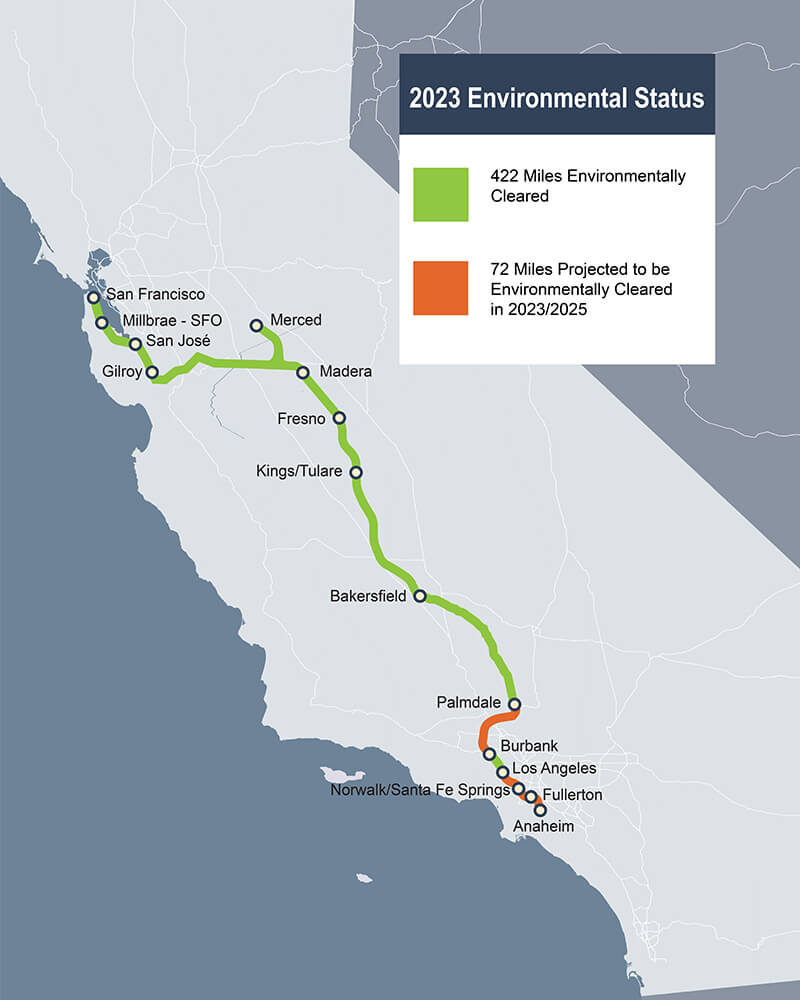
At its core, the project aims to link Southern California with Northern California, specifically connecting downtown San Francisco to downtown Los Angeles in under three hours. Such a feat would dramatically alter the travel landscape, offering a compelling alternative to short-haul flights between cities like Los Angeles and San Francisco, and alleviating the notorious traffic on major arteries such as I-5. For business travelers, it promises productive journey times free from the hassles of airport security or gridlock. For leisure travelers, it opens up new possibilities for multi-city itineraries, making weekend trips between disparate cultural hubs more feasible and enjoyable. The very idea of breakfast in the San Francisco Bay Area and dinner in Los Angeles without the traditional travel headaches fuels the project’s allure. This connectivity isn’t just about speed; it’s about seamlessly integrating the state’s economic, cultural, and social fabric, fostering new opportunities for tourism, commerce, and community engagement.
Initial Ambitions and Realities
When voters approved Proposition 1A in 2008, the vision for California High-Speed Rail was ambitious: a full operational system by the early 2020s, with an initial estimated cost of around $33 billion. The goal was clear – a state-of-the-art railway system comparable to those found in Europe or Japan. However, the reality of executing such a mega-project in a densely populated and environmentally sensitive state quickly set in. The complexities of land acquisition, extensive environmental reviews, securing consistent funding, navigating a myriad of local regulations, and managing engineering challenges across diverse terrains have significantly extended timelines and inflated cost estimates. These hurdles have shifted the project from its initial rapid deployment strategy to a more phased and deliberate construction approach, recalibrating expectations for completion dates and the immediate scope of service. Understanding these initial ambitions against the backdrop of real-world complexities is crucial to grasping the current status and future outlook of the project, especially for those planning travel within California in the coming decades.
Navigating the Construction Landscape: Current Progress and Milestones
The construction of the California High-Speed Rail is a monumental civil engineering endeavor, with thousands of workers actively shaping the future of travel. While the full line from San Francisco to Los Angeles is still years away, significant progress has been made on key segments.
Segment by Segment: Focusing on the Central Valley
The most tangible progress of the CAHSR project is currently concentrated in California’s Central Valley. This region was chosen for initial construction due to its relatively flat terrain, which presents fewer geographical and engineering obstacles compared to the mountain passes or dense urban areas. A 119-mile segment stretching from Merced in the north to Bakersfield in the south is actively under construction, with over 30 construction sites operational. This foundational segment is crucial because it will be the first to open for passenger service, providing a tangible demonstration of the project’s capabilities. Along this corridor, travelers can anticipate the future sight of sleek trains speeding past agricultural fields, significantly reducing travel times between these Central Valley communities. Key milestones in this area include the completion of numerous overpasses, underpasses, and viaducts designed to elevate the tracks over existing roads, rivers, and sensitive habitats, ensuring minimal disruption and maximum speed once operational. These structures, some already visible along Highway 99, are concrete evidence of the massive scale of the work underway, laying the groundwork for what will eventually become the nation’s first true high-speed rail line. The strategic focus on the Central Valley is not just about ease of construction; it’s about building momentum, establishing operational protocols, and demonstrating the viability of high-speed rail to the public and stakeholders.
Engineering Marvels and Challenges
Beyond the visible progress in the Central Valley, the CAHSR project involves some truly remarkable engineering feats, particularly as it expands towards the more challenging terrains of Northern California and Southern California. The proposed alignments require tunneling through significant mountain ranges, such as the Tehachapi Mountains to connect the Central Valley to the Los Angeles basin, and the Pacheco Pass to link the Central Valley to the San Francisco Bay Area. These tunnels, some extending for miles, demand advanced geotechnical engineering and specialized construction techniques to ensure safety and longevity in earthquake-prone regions. Integrating the high-speed line into dense urban environments like San Francisco and Los Angeles also presents complex challenges, requiring careful planning to minimize disruption and seamlessly connect with existing public transit networks. The sheer scale of moving earth, pouring concrete, and installing thousands of miles of track and sophisticated signaling systems highlights the project’s ambition. Overcoming these hurdles requires innovative solutions, precise execution, and a long-term commitment, all of which contribute to the extended timeline but promise a state-of-the-art travel experience. For future travelers, the journey through these engineered marvels will itself be part of the unique high-speed rail experience.
The Evolving Timeline: What to Expect
Answering the titular question “When will it be finished?” requires an understanding of the project’s adaptive strategy and the myriad of factors influencing its progression. The California High-Speed Rail Authority (CAHSRA) has adjusted its approach from a single grand opening to a more pragmatic, phased implementation.
Phased Opening Strategies
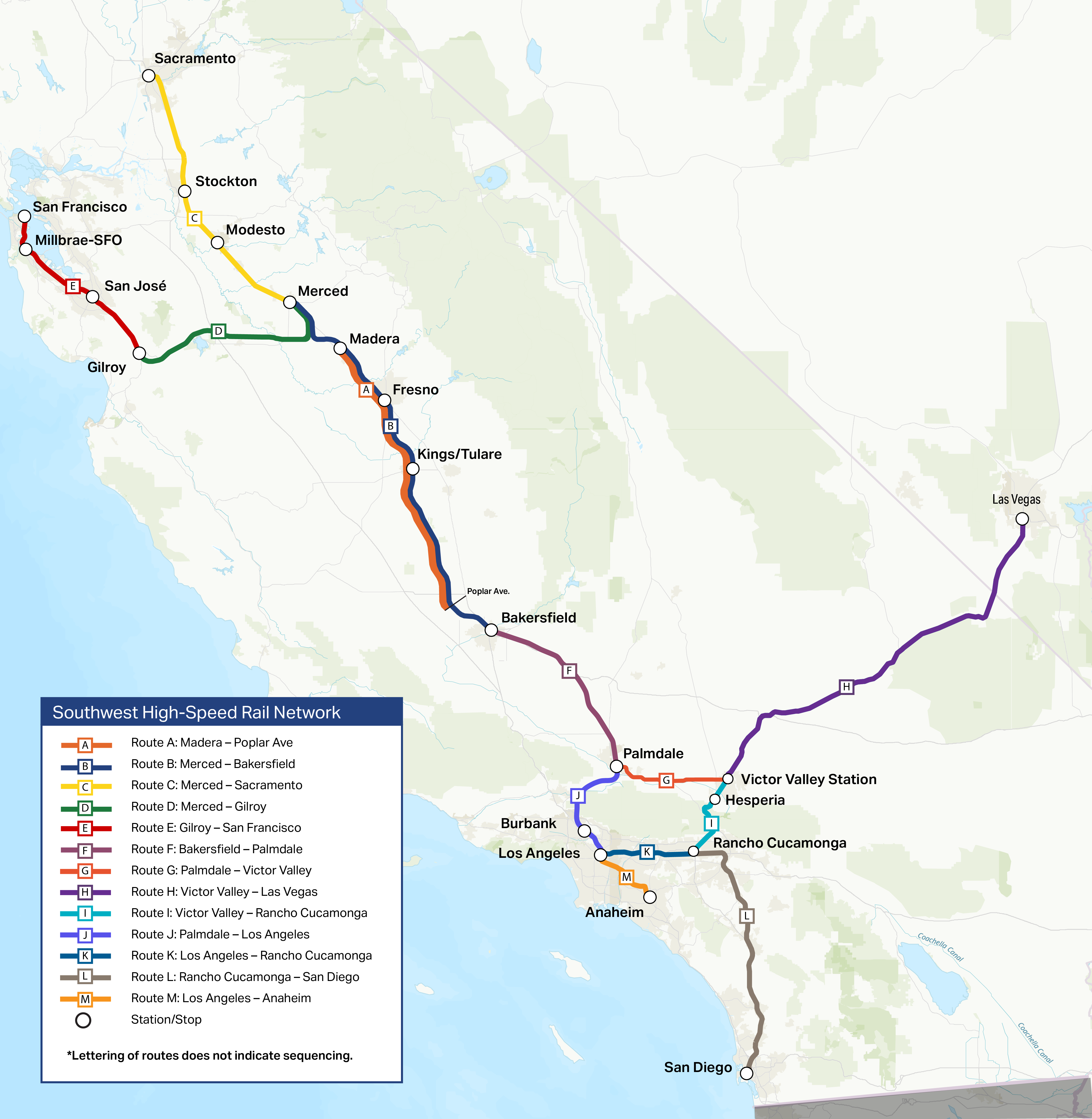
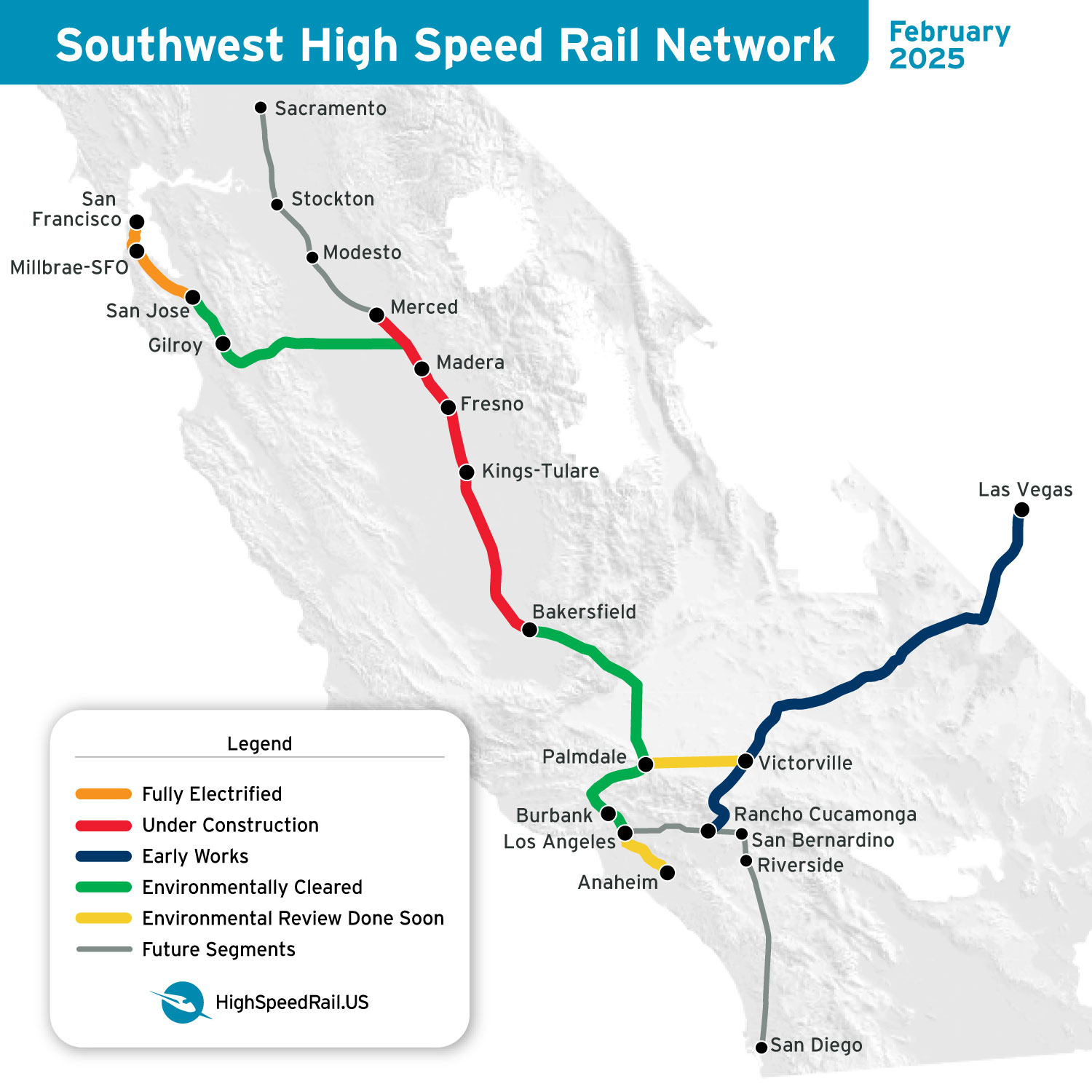
The current strategy prioritizes opening segments of the line as they become operational, rather than waiting for the entire Los Angeles to San Francisco corridor to be completed. The immediate focus is on the 119-mile “initial operating segment” between Merced and Bakersfield in the Central Valley. This segment is projected to begin passenger service in the early 2030s. While not the full vision, this partial opening will provide valuable insight into operations, passenger demand, and help build public confidence in the system. It will also offer immediate travel benefits for residents and visitors within the Central Valley, potentially connecting them to existing Amtrak or other transit services for onward journeys. Furthermore, the CAHSRA is exploring options for extending this initial segment north to San Jose and south to Palmdale as funding and construction permit, creating a larger interim network that gradually expands towards the ultimate goal. This phased approach acknowledges the complexities of large-scale infrastructure and aims to deliver incremental travel improvements rather than an all-or-nothing outcome. For travelers, this means a gradual introduction to high-speed rail services, starting with regional connections and progressively expanding to full intercity travel.
Estimating the Full Corridor Completion
Pinpointing an exact completion date for the entire 500-mile system from Los Angeles to San Francisco remains challenging. Official estimates from the CAHSRA typically place the full system completion in the mid-2030s to early 2040s. However, these projections are subject to ongoing variables, primarily funding availability, political will, and the successful resolution of complex technical and environmental challenges. Securing consistent federal and state funding is paramount, as is maintaining public and political support throughout the decades-long endeavor. The environmental review processes for the remaining segments, particularly through sensitive natural areas and densely populated urban corridors, are intricate and time-consuming. Additionally, unforeseen engineering complexities or supply chain issues could always introduce further adjustments to the schedule. For travelers, this means exercising patience and staying informed about project updates. While the dream of a seamless San Francisco to Los Angeles high-speed journey is on the horizon, it will be a multi-stage rollout rather than a single grand opening. The focus on the immediate operational segment, however, ensures that some benefits will materialize well before the entire vision is fully realized, setting the stage for a new era of travel in California.
The Transformative Impact on California Travel
Once operational, the California High-Speed Rail is poised to revolutionize how people move within the state, offering profound shifts in convenience, environmental sustainability, and regional economic development.
Redefining Intercity Journeys
The most immediate and obvious impact of CAHSR will be on intercity travel times. A sub-three-hour journey between Los Angeles and San Francisco will be a game-changer, making same-day round trips for business meetings or spontaneous leisure outings far more viable. For leisure travelers, this means more time enjoying destinations and less time spent in transit. The high-speed rail will offer a compelling alternative to frustrating drives plagued by traffic congestion and the often unpredictable nature of short-haul flights. Travelers will be able to avoid airport security lines at major hubs like Los Angeles International Airport (LAX) and San Francisco International Airport (SFO), choosing instead a comfortable, efficient journey from city center to city center. From an environmental perspective, a fully operational high-speed rail system powered by renewable energy will significantly reduce the carbon footprint associated with intercity travel, aligning with California’s ambitious climate goals. The convenience of simply walking onto a train, enjoying the scenery, and arriving refreshed in the heart of a city is set to redefine the very experience of travel for millions.
Boosting Regional Economies and Tourism
Beyond the major metropolitan hubs, the high-speed rail is expected to be a significant catalyst for regional economic growth and tourism. The communities in the Central Valley, traditionally more isolated from California’s coastal economic engines, will suddenly find themselves much more accessible. Cities like Bakersfield and Merced, poised to be key stops, could experience increased business investment, residential development, and a surge in tourism as they become easier to reach from the San Francisco Bay Area and Los Angeles. This increased connectivity will allow travelers to explore new parts of California, discovering the rich agricultural landscapes, burgeoning wine regions, and unique cultural attractions that the Central Valley has to offer. The project itself is a massive job creator during its construction phase, providing employment for thousands of skilled workers. Once operational, it will generate new jobs in maintenance, operations, and related service industries. Furthermore, easier access to different parts of the state could stimulate local businesses, encourage regional conferences, and diversify California’s tourism offerings beyond its iconic coastal cities, creating a more interconnected and economically vibrant state.
A Glimpse into the Future of American Rail
The California High-Speed Rail project is not just about California; it’s a critical experiment and a potential blueprint for the future of rail travel across the United States. Its successes and challenges will provide invaluable lessons for other high-speed rail initiatives, such as those proposed in the Pacific Northwest or between Dallas and Houston in Texas. By pioneering advanced engineering, navigating complex environmental regulations, and developing robust operational systems, California is laying the groundwork for how a modern, efficient, and sustainable passenger rail network could be developed in the American context. It signifies a shift in transportation philosophy, moving beyond reliance solely on highways and air travel to embrace a mode of transit common in other developed nations. For travel enthusiasts and policymakers alike, the completion of the California HSR will be a landmark event, not just for the state but for the broader evolution of transportation infrastructure in the United States. It represents a bold step towards a future where high-speed rail is an integral part of the travel experience, offering efficient, environmentally friendly, and comfortable journeys that redefine connectivity and accessibility nationwide.
Anticipating the High-Speed Experience
For many Americans, the concept of true high-speed rail, where trains routinely exceed 200 mph, is a novelty. The California High-Speed Rail aims to introduce this transformative experience, setting a new standard for intercity travel.
What Riders Can Expect
When the first segments of California High-Speed Rail open, passengers can anticipate a premium travel experience. The trains themselves will feature modern designs, spacious seating, and advanced amenities. Travelers can expect comfortable, quiet carriages with ample legroom, onboard Wi-Fi, and power outlets at every seat, making it conducive for both work and relaxation. Dining options, from light snacks to more substantial meals, will likely be available, allowing passengers to make the most of their travel time. The journey itself promises to be smooth and efficient, with trains designed to accelerate and decelerate seamlessly, providing a stable ride even at top speeds. Large windows will offer panoramic views of California’s diverse landscapes, transforming transit into an integral part of the travel experience. This focus on passenger comfort, convenience, and productivity is central to making high-speed rail a preferred mode of travel over driving or flying for many routes, fundamentally altering perceptions of what domestic intercity journeys can be. The experience will be akin to what one might find on a high-speed train in France, Germany, or Japan, bringing that level of quality and efficiency to California travelers.
Integrating with Existing Transportation
A key aspect of the CAHSR’s success will be its seamless integration with California’s existing public transportation networks. The high-speed rail stations are strategically planned to be centrally located within cities, often co-located or closely linked to major transit hubs. For example, in the San Francisco Bay Area, the system is designed to connect directly with BART (Bay Area Rapid Transit) and Caltrain, providing easy onward travel to various destinations across the Bay. In Los Angeles, future high-speed rail stations will connect with Metro Rail and bus networks, ensuring that travelers can easily reach their final destinations from the high-speed rail terminal. This multi-modal approach is crucial for enhancing the overall travel experience, reducing the need for private vehicles, and maximizing the utility of public transport. The goal is to create a complete door-to-door travel solution, where high-speed rail serves as the backbone, connecting major cities, while local transit fills the last-mile gap. This integration will make high-speed rail an attractive option not just for those traveling between major cities but also for those coming from or going to surrounding communities, broadening its appeal and solidifying its role as a central pillar of California’s future transportation landscape.
LifeOutOfTheBox is a participant in the Amazon Services LLC Associates Program, an affiliate advertising program designed to provide a means for sites to earn advertising fees by advertising and linking to Amazon.com. Amazon, the Amazon logo, AmazonSupply, and the AmazonSupply logo are trademarks of Amazon.com, Inc. or its affiliates. As an Amazon Associate we earn affiliate commissions from qualifying purchases.